
 Search products
 en
en 简体中文
简体中文 русский
 Español
ZN-V850 Vertical Machining Center
Cat:Vertical Machining Center
This series of machining center is fixed in A-shape single column, mobile structure of workbench, high rigidity of basic parts, lightweight of moving ...
See DetailsThe ability of a Horizontal Machining Center to process large and heavy workpieces starts with its robust structural design. The machine frame is typically constructed from high-strength cast iron or other reinforced materials to provide exceptional rigidity and minimize deflection during heavy cutting operations. This stiffness is crucial when handling large parts, as any vibration, bending, or frame flex can compromise machining accuracy and surface finish. The wide base and low center of gravity in modern horizontal machining centers distribute the weight of heavy workpieces evenly, maintaining stability even under dynamic cutting forces. High structural rigidity also allows the spindle to operate at optimal torque without excessive vibration, ensuring precision machining across the entire workpiece.
The spindle is the heart of a Horizontal Machining Center, and its design is critical for supporting heavy workpieces. Horizontal machining centers typically feature high-torque spindles with reinforced bearings capable of sustaining both radial and axial loads during machining. The spindle’s rigidity ensures minimal deflection, even under the stress of deep cuts or roughing passes on dense metals. Additionally, spindles often incorporate direct-drive or high-precision belt systems that maintain consistent speed under load, allowing the machine to handle heavy workpieces without sacrificing surface finish or dimensional accuracy. Spindle load monitoring systems can provide real-time feedback to prevent overloading, ensuring safe operation during prolonged heavy-duty tasks.
Handling large or heavy workpieces also depends on effective fixturing systems. Horizontal Machining Centers are commonly equipped with pallet systems, rotary tables, and modular fixtures that securely clamp the workpiece in place. These systems distribute the weight evenly across the bed or pallet, preventing localized stress points that could destabilize the machine. Hydraulic or mechanical clamping mechanisms ensure firm contact, preventing movement or vibration during high-torque operations. Proper fixturing is critical for maintaining alignment and preventing spindle overloading, especially when machining asymmetrical or irregularly shaped parts.
Horizontal machining centers are engineered to maintain stability during high-load cutting operations. The combination of a rigid frame, high-torque spindle, and precise linear guideways ensures that the machine absorbs cutting forces without significant vibration. Linear motion systems, often supported by roller or hydrostatic guides, help stabilize the workpiece and maintain cutting accuracy under heavy radial or axial loads. This stability is particularly important for deep pocketing, side milling, or contouring operations on dense materials like steel or titanium, where vibration or deflection could lead to poor surface finish or dimensional errors.
To maximize the performance of a Horizontal Machining Center when handling large or heavy workpieces, operators should ensure proper setup and fixturing. Selecting the correct spindle speed, feed rate, and cutting strategy is essential to balance spindle load and avoid overstressing the machine. Heavy workpieces should be positioned to distribute weight evenly, and pallet or fixture systems should be verified for stability. Regular inspection of spindle bearings, linear guides, and machine leveling is recommended to maintain performance and prevent long-term wear. By combining robust machine design, high-capacity spindles, and proper workholding practices, horizontal machining centers reliably process large and heavy components with high precision and efficiency.
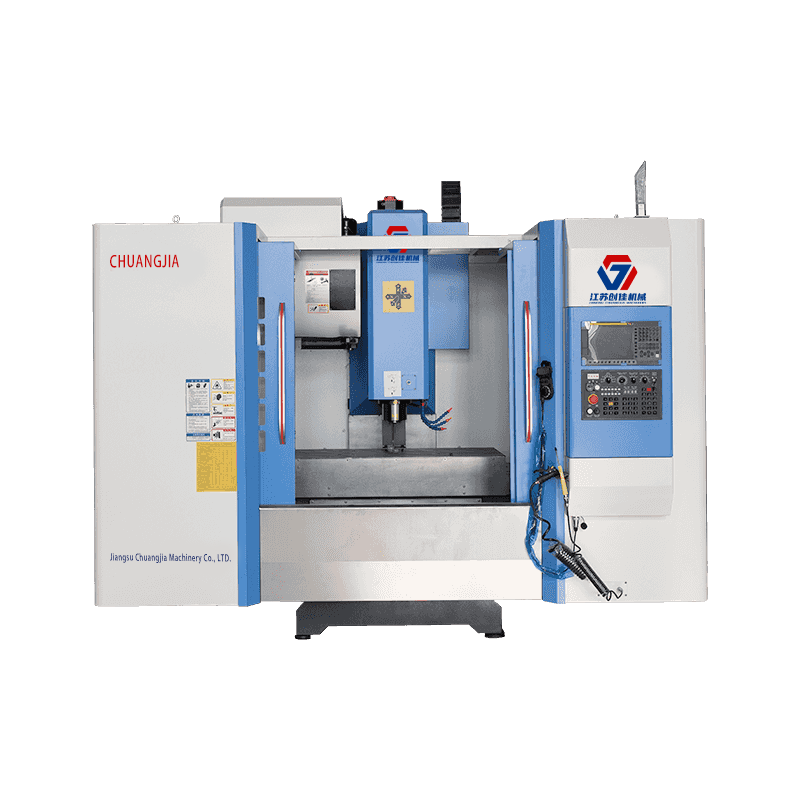
This series of machining center is fixed in A-shape single column, mobile structure of workbench, high rigidity of basic parts, lightweight of moving ...
See Details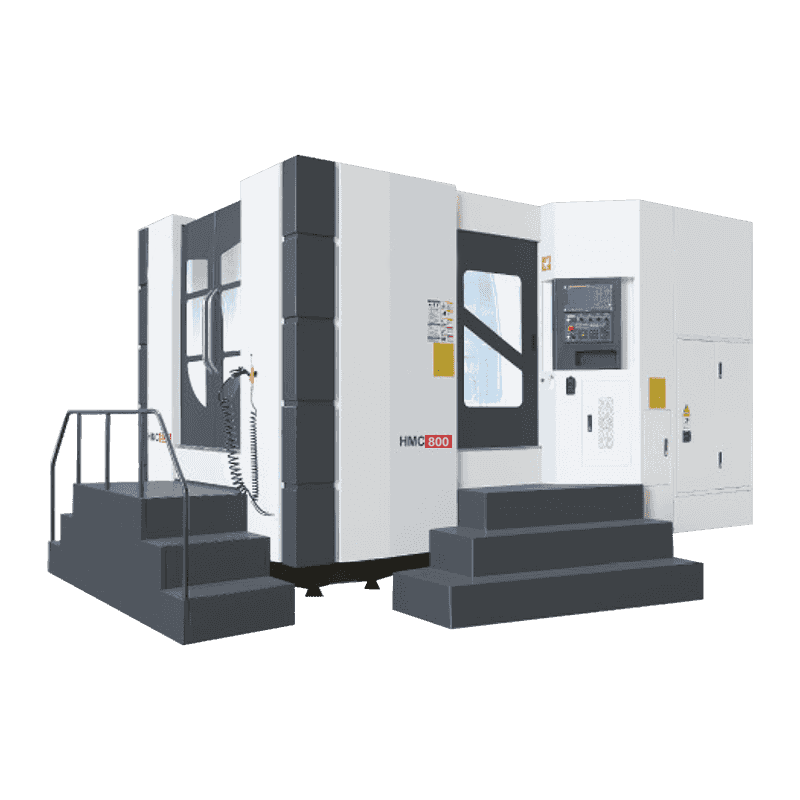
The bed adopts inverted T structure layout, the table moves around (X axis), the headstock moves up and down (Y axis) and the column moves back and fo...
See Details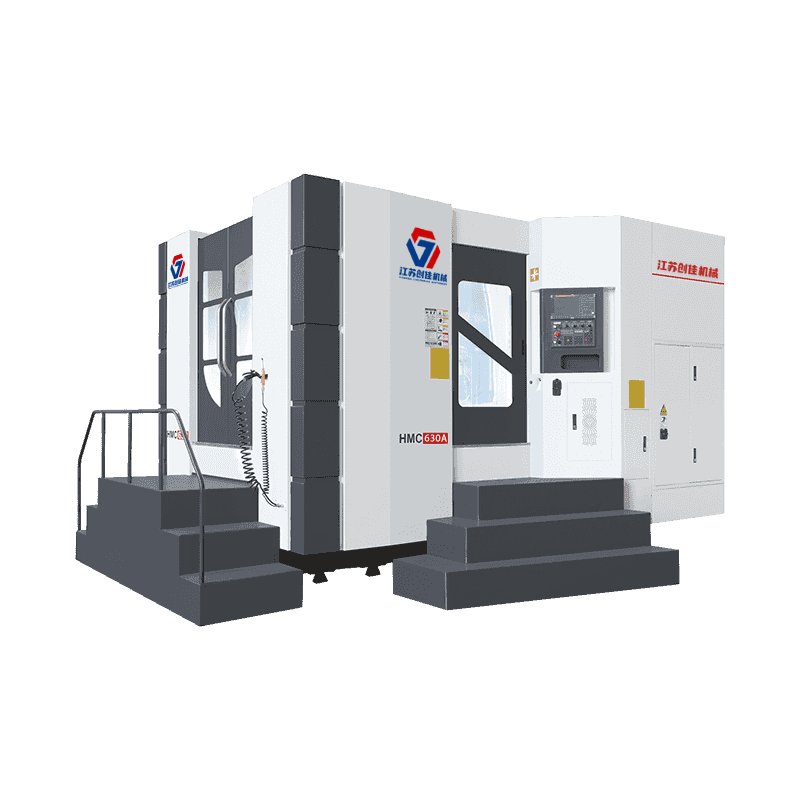
The bed adopts a positive T structure layout, the table moves back and forth (Z axis), the headstock moves up and down (Y axis) and the column moves l...
See Details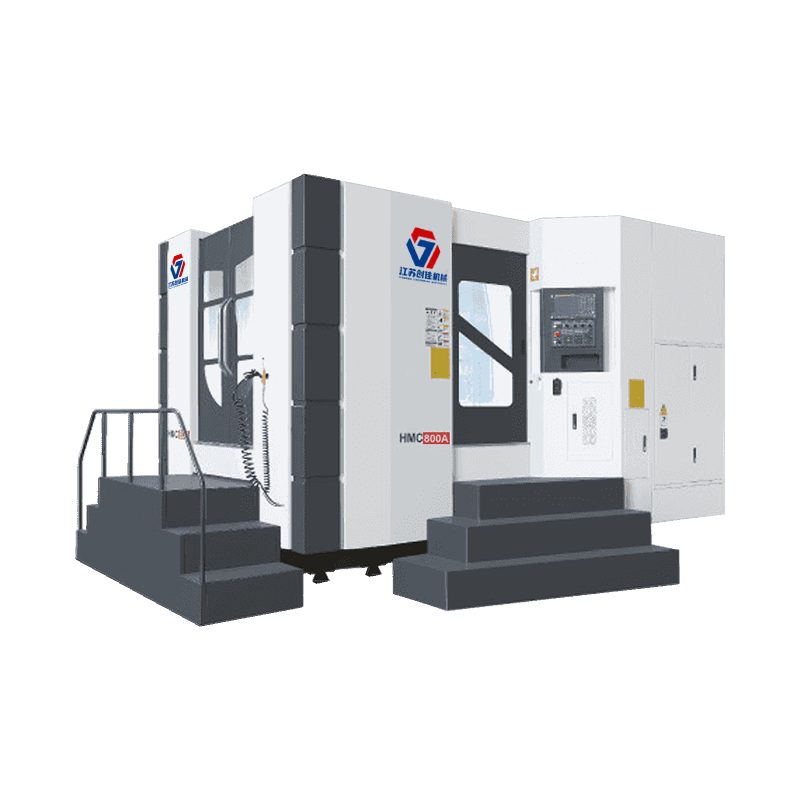
The bed adopts a positive T structure layout, the table moves back and forth (Z axis), the headstock moves up and down (Y axis) and the column moves l...
See Details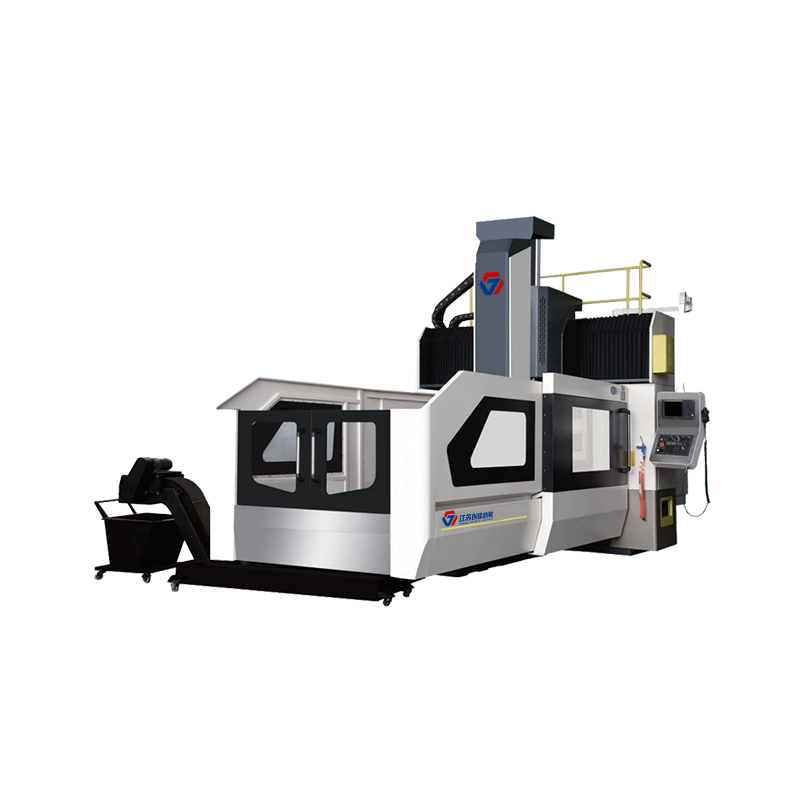
The machine adopts the structure form of fixed gantry frame and moving table on the bed. Beam column integrated design, has the characteristics of hig...
See Details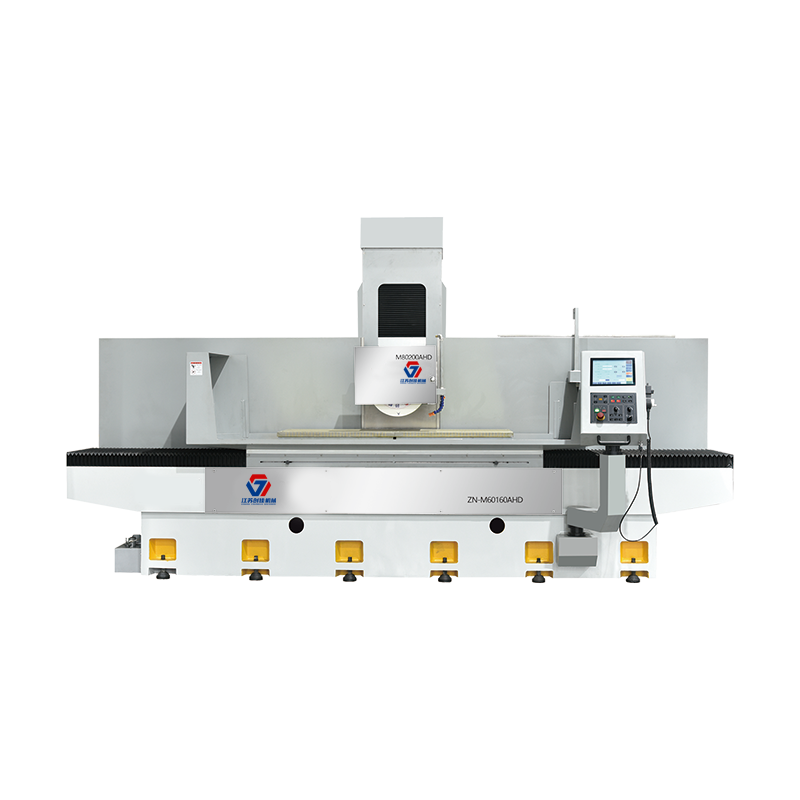
The machine tool is mainly suitable for the precision grinding of various metal materials, such as plane, step and specific shape, and is widely used ...
See Details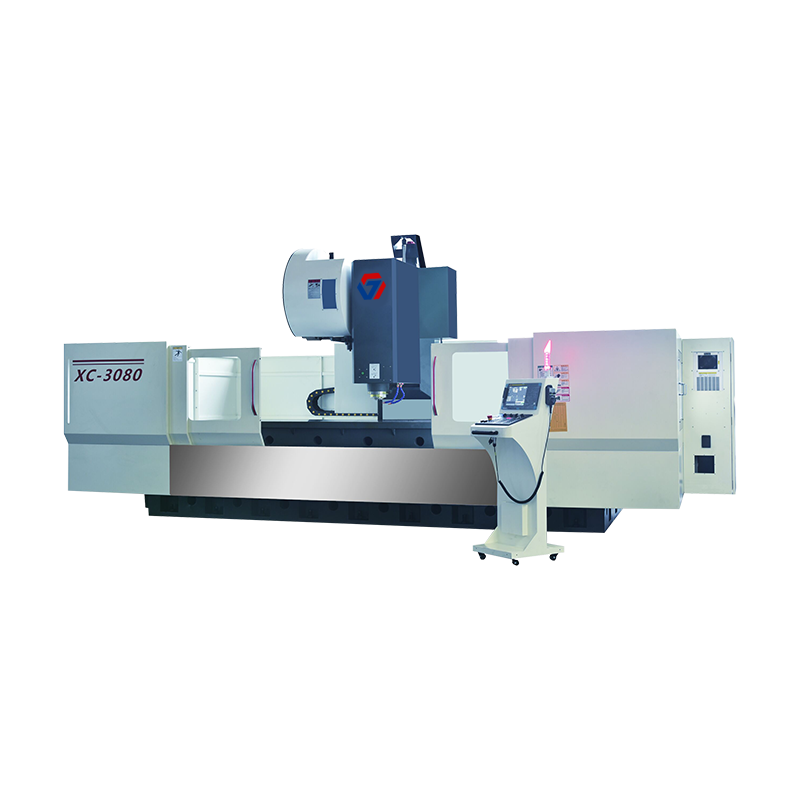
Mainly process the internal profiles of rail transit locomotives; Narrow and long parts of automobiles; TV frames, refrigerator frames, communication ...
See Details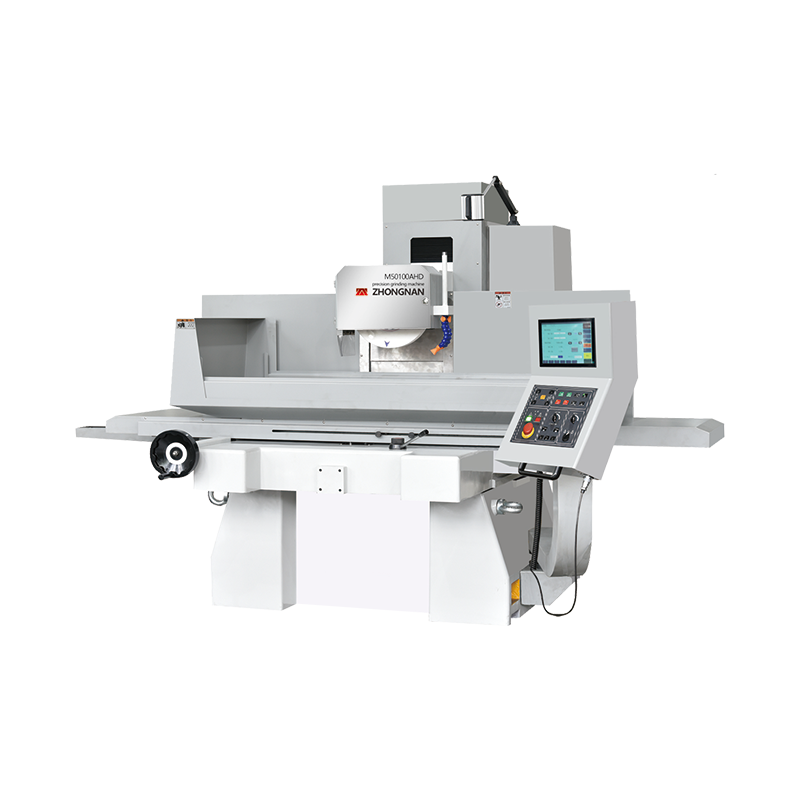
High precision/High speed/easy to operate CNC surface grinding machine X axis hydraulic /YZ axis servo/CNC system. Cross slide structure, double V rai...
See Details
All rights reserved Jiangsu Chuangjia Machinery Co., LTD.
