
 Search products
 en
en 简体中文
简体中文 русский
 Español
ZN-V850 Vertical Machining Center
Cat:Vertical Machining Center
This series of machining center is fixed in A-shape single column, mobile structure of workbench, high rigidity of basic parts, lightweight of moving ...
See DetailsManufacturing & Precision Engineering
An editorial look at why the vertical machining center has become the defining tool of modern precision manufacturing — and what it truly means to trade manual craft for engineered certainty.
There is a particular kind of confidence that comes from repeatability. Not the confidence of a single perfect part, but the quiet assurance that the thousandth part will match the first. This is the promise of the vertical machining center — a promise that manual tools, however skillfully operated, cannot consistently keep.
vertical machining center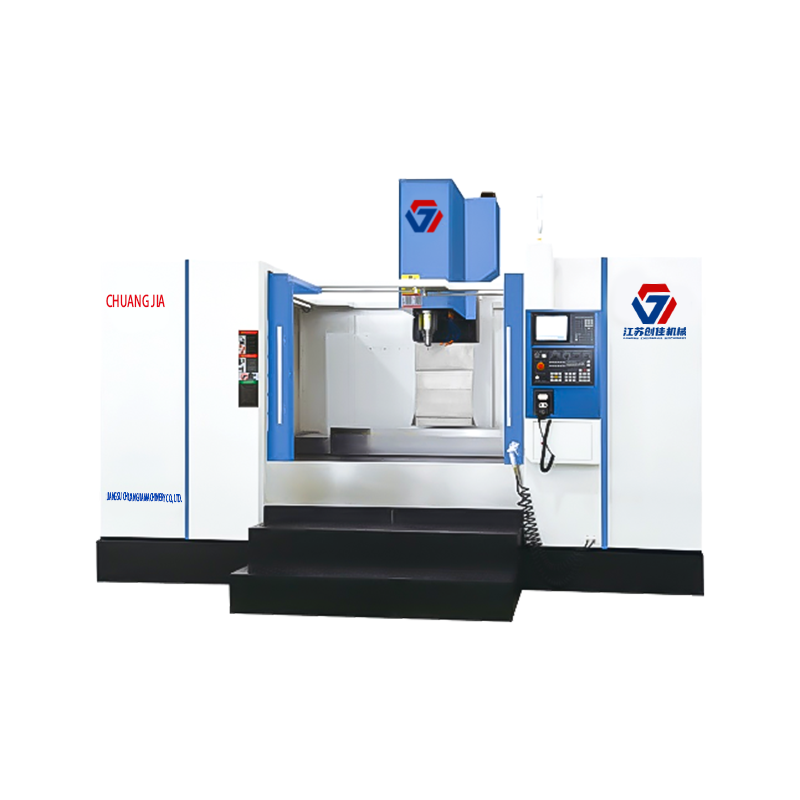
Where a drilling machine depends on the steadiness of a hand and the sharpness of an eye, a vertical machining center depends on servo-driven axes, closed-loop feedback, and a program that does not tire, drift, or guess.
Numbers tell the story more plainly than opinion ever could. On a manual setup, positional tolerance often settles somewhere between ±0.05 mm and ±0.1 mm — respectable, but variable. A CNC vertical machining center routinely holds ±0.005 mm to ±0.01 mm, run after run, part after part.
| Equipment | Typical Accuracy | Consistency |
| Manual Drilling Machine | ±0.1 mm – ±0.2 mm | Low |
| Manual Vertical Milling Machine | ±0.05 mm – ±0.1 mm | Moderate |
| Vertical Machining Center (CNC) | ±0.005 mm – ±0.01 mm | High |
A machine that does not need to be re-aligned is not simply faster — it is honest in a way manual work can never fully be.
Perhaps the most understated advantage of a vertical machining center is its refusal to specialize too narrowly. A single setup can carry a part through an entire sequence of operations, each handed off automatically, each aligned to the last.
Each transfer between machines is a small opportunity for error. A vertical machining center simply removes most of those opportunities.
An automatic tool changer completes its work in under three seconds. A human hand, however capable, needs minutes. Multiply that difference across ten holes, three tools, and a full production day, and the gap stops being incremental — it becomes structural.
Note
A task requiring fifteen to twenty minutes on a manual drilling machine can often be completed in under five minutes on a properly programmed vertical machining center.
None of this suggests that older tools have no place. A drilling machine remains an entirely reasonable choice for simple, low-volume work where tolerance is not the deciding factor.
Consider Carefully
Choosing a vertical machining center for very low-volume, low-complexity work may introduce cost and programming overhead that a simpler machine would avoid.
The calculation shifts as complexity and volume rise. Labor cost, error rate, and rework all climb faster on manual equipment than the upfront cost of a vertical machining center ever does.
In Practice
Beyond a few hundred parts, or wherever multiple operations are required per part, the total cost per piece on a vertical machining center typically falls below that of manual alternatives.
Common Mistake
Underestimating setup and programming time when switching from a manual vertical milling machine to a full CNC vertical machining center can erode expected efficiency gains in the short term.
The vertical machining center does not replace craftsmanship — it redistributes it. Skill moves from the steadiness of a hand to the precision of a program, from repeated manual judgment to a single well-considered setup. For shops that measure success in tolerance, repeatability, and time, that redistribution is not a compromise. It is simply the more honest way to work.
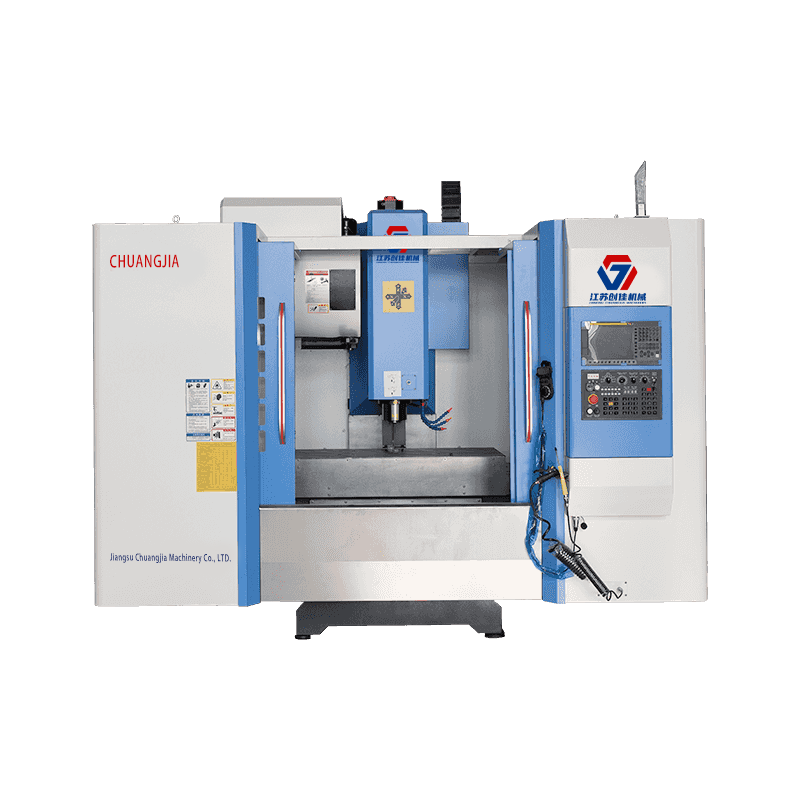
This series of machining center is fixed in A-shape single column, mobile structure of workbench, high rigidity of basic parts, lightweight of moving ...
See Details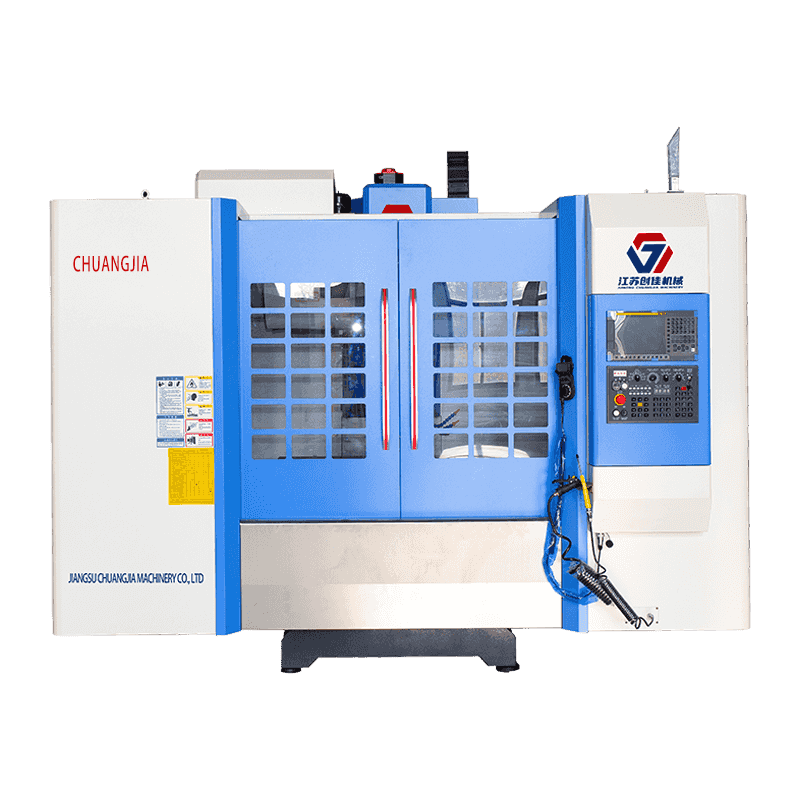
This series of machining center is fixed in A-shape single column, mobile structure of workbench, high rigidity of basic parts, lightweight of moving ...
See Details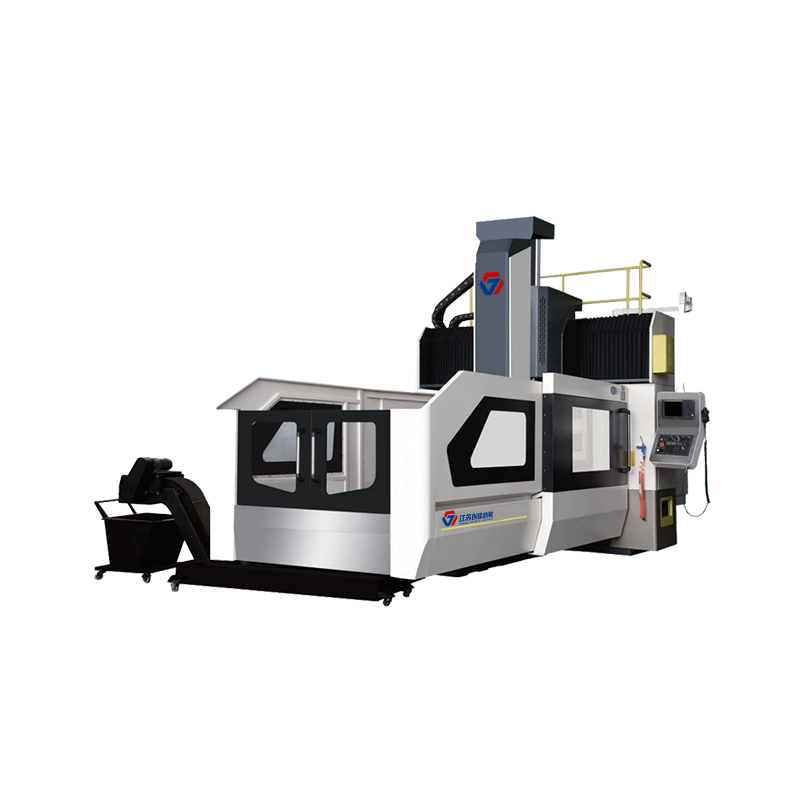
The machine adopts the structure form of fixed gantry frame and moving table on the bed. Beam column integrated design, has the characteristics of hig...
See Details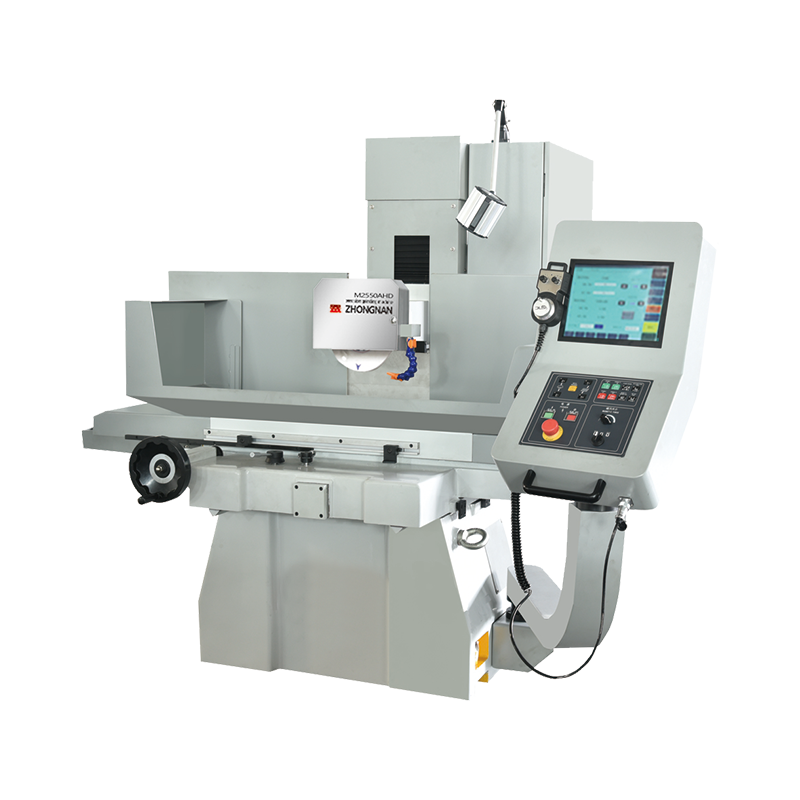
High precision/High speed/easy to operate CNC surface grinding machine X axis hydraulic /YZ axis servo/CNC system. Cross slide structure, double V rai...
See Details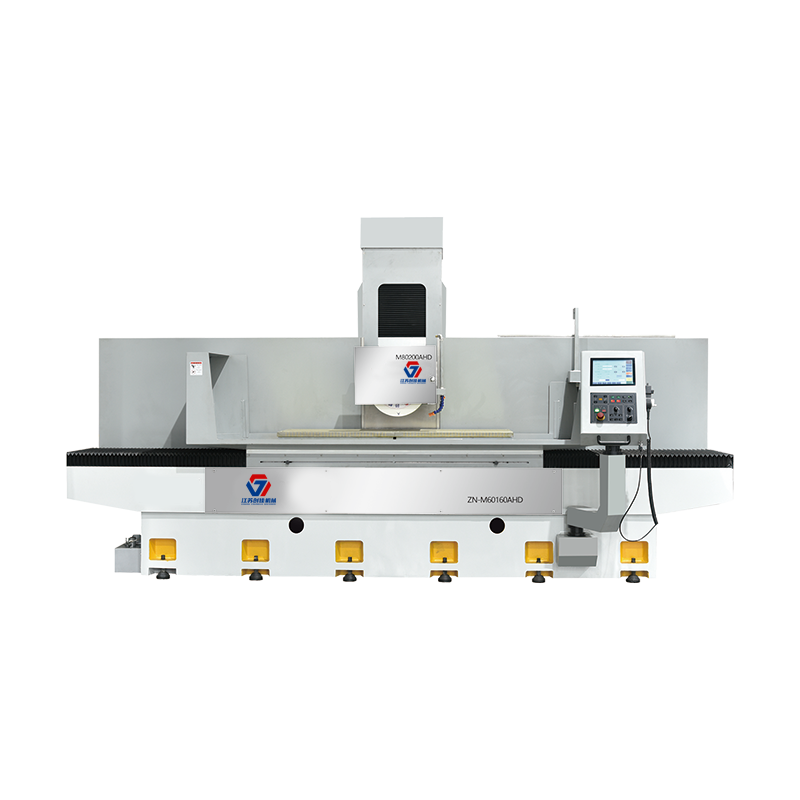
The machine tool is mainly suitable for the precision grinding of various metal materials, such as plane, step and specific shape, and is widely used ...
See Details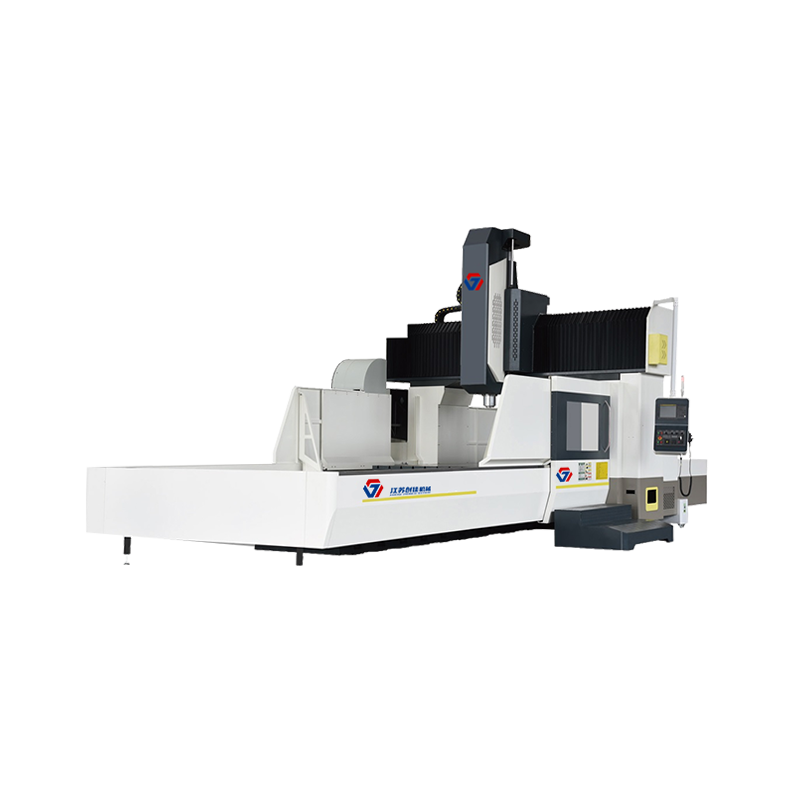
The machine adopts the structure form of fixed gantry frame and moving table on the bed. Beam column integrated design, has the characteristics of hig...
See Details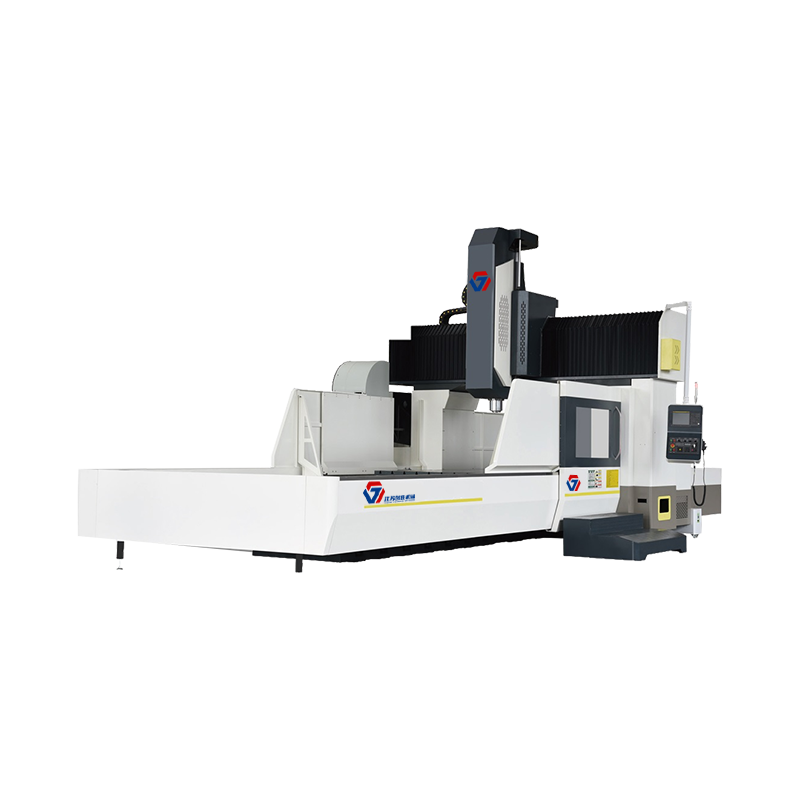
The machine adopts the structure form of fixed gantry frame and moving table on the bed. Beam column integrated design, has the characteristics of hig...
See Details
The machine adopts the structure form of fixed gantry frame and moving table on the bed. Beam column integrated design, has the characteristics of hig...
See Details
All rights reserved Jiangsu Chuangjia Machinery Co., LTD.
