
 Search products
 en
en 简体中文
简体中文 русский
 Español
ZN-V855 Vertical Machining Center
Cat:Vertical Machining Center
This series of machining center is fixed in A-shape single column, mobile structure of workbench, high rigidity of basic parts, lightweight of moving ...
See DetailsIn a Precision Metal CNC Surface Grinding Machine, spindle rigidity is one of the most critical performance factors, directly determining grinding accuracy, surface finish quality, and operational stability. Compared to general-purpose grinding machines, higher spindle rigidity allows the CNC system to maintain consistent wheel contact under load, reducing deflection by up to 30–60% in high-precision operations. This leads to tighter tolerances, often within ±1–2 microns, which is significantly better than conventional grinders.
In simple terms, without sufficient spindle rigidity, even advanced CNC control cannot fully compensate for vibration, deflection, or cutting instability.
Spindle rigidity refers to the ability of the grinding spindle assembly to resist deformation under radial and axial loads. In a cnc surface grinder, the spindle supports high-speed rotation of the grinding wheel, often exceeding 3,000–6,000 RPM, while maintaining precise alignment.
In contrast, a general-purpose grinding machine typically operates with lower structural stiffness, which can result in micro-deflections of up to 5–10 microns during heavy grinding. These small deviations accumulate, negatively impacting surface flatness and dimensional accuracy.
The difference in spindle rigidity becomes especially clear when comparing a Precision Metal CNC Surface Grinding Machine with conventional equipment used in workshops.
| Feature | Precision Metal CNC Surface Grinding Machine | General-Purpose Grinding Machine |
|---|---|---|
| Spindle Deflection | < 2 microns | 5–10 microns |
| Surface Finish (Ra) | 0.2–0.4 µm | 0.6–1.2 µm |
| Thermal Stability | Actively controlled | Passive |
| Repeatability | ±1–3 µm | ±5–10 µm |
This comparison clearly shows how spindle rigidity contributes to superior precision in CNC systems compared to traditional machines.
High spindle rigidity in a cnc rotary surface grinder ensures that the grinding wheel maintains stable contact pressure. This reduces chatter marks and improves surface consistency.
For example, when grinding hardened steel components (HRC 60+), machines with low rigidity may produce waviness errors exceeding 3–5 microns. In contrast, a rigid CNC spindle structure can reduce this below 1 micron.
Spindle rigidity also plays a key role in vibration suppression. In high-speed grinding, even minor imbalance can generate oscillations. A rigid spindle system in the Precision Metal CNC Surface Grinding Machine absorbs and resists these forces more effectively than general-purpose machines.
Studies in machining dynamics show that increasing spindle stiffness by 20% can reduce vibration amplitude by nearly 35%, directly improving tool life and surface integrity.
Modern manufacturing environments increasingly rely on automation. A rigid spindle structure allows the Precision Metal CNC Surface Grinding Machine to integrate seamlessly into automated production lines without compromising accuracy.
In comparison, general-purpose machines often require manual adjustment due to inconsistent spindle behavior, making them less suitable for unmanned production cycles.
Spindle rigidity is not just a mechanical specification; it is the foundation of precision in any Precision Metal CNC Surface Grinding Machine. Compared with general-purpose grinding machines, higher rigidity delivers measurable improvements in accuracy, surface finish, vibration control, and automation capability.
Ultimately, manufacturers aiming for ultra-precision machining should prioritize spindle rigidity as a core selection criterion, as it directly determines whether a machine can consistently achieve micron-level performance.
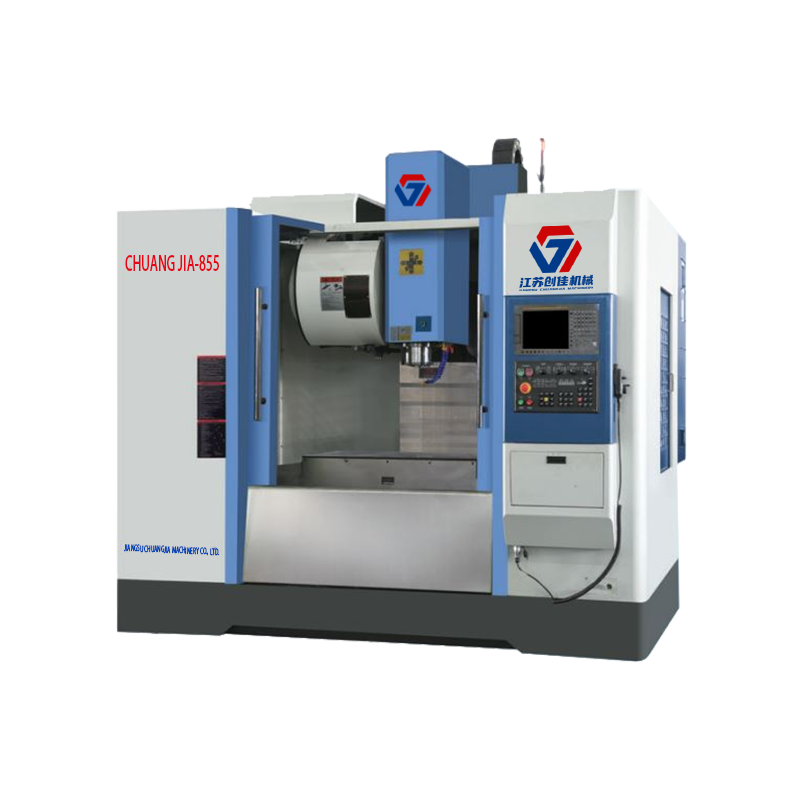
This series of machining center is fixed in A-shape single column, mobile structure of workbench, high rigidity of basic parts, lightweight of moving ...
See Details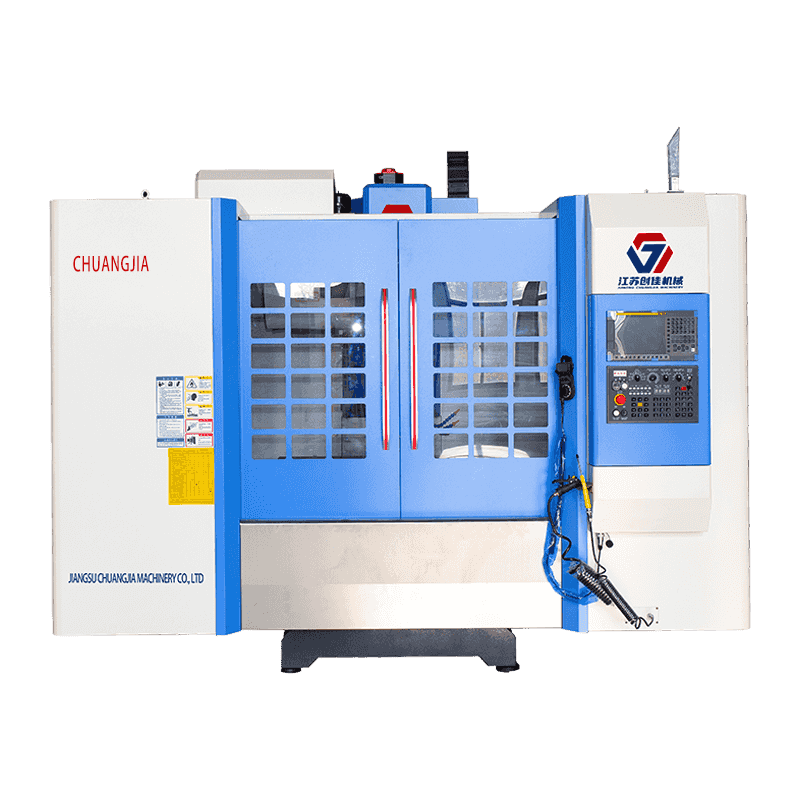
This series of machining center is fixed in A-shape single column, mobile structure of workbench, high rigidity of basic parts, lightweight of moving ...
See Details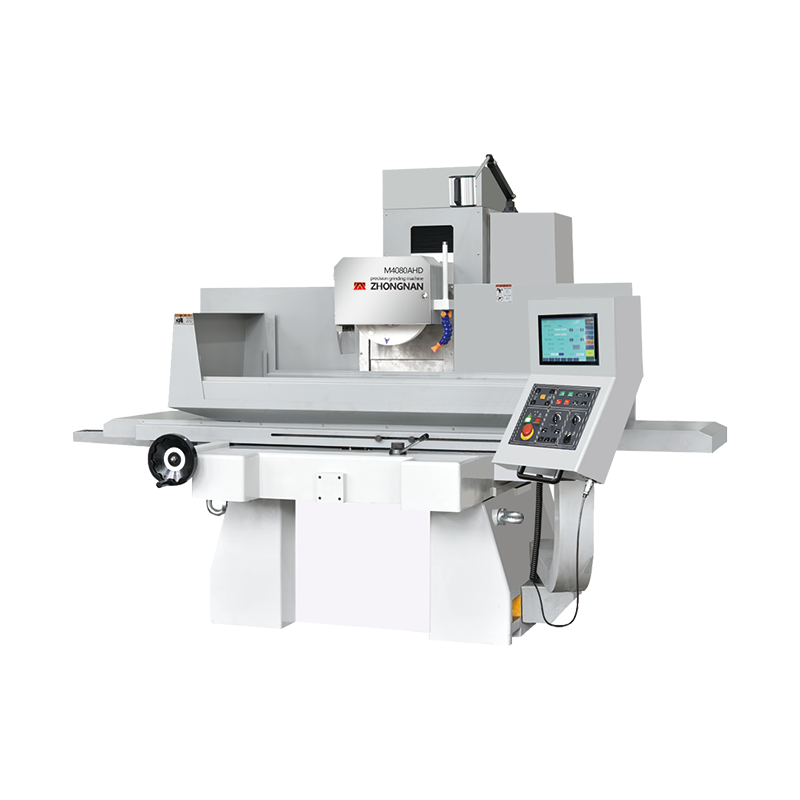
High precision/High speed/easy to operate CNC surface grinding machine X axis hydraulic /YZ axis servo/CNC system. Cross slide structure, double V rai...
See Details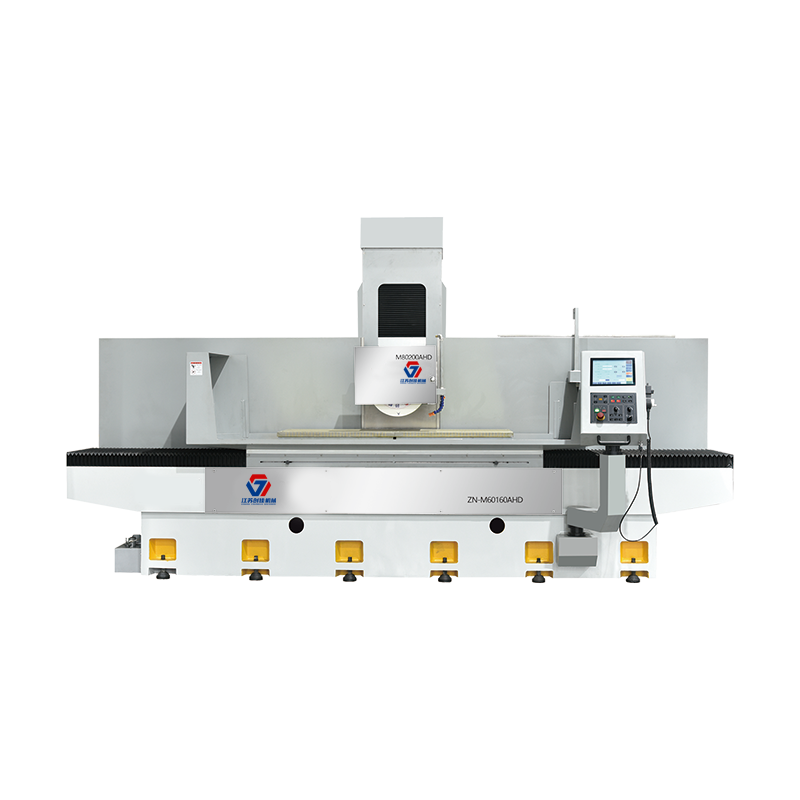
The machine tool is mainly suitable for the precision grinding of various metal materials, such as plane, step and specific shape, and is widely used ...
See Details
The machine tool is mainly suitable for the precision grinding of various metal materials, such as plane, step and specific shape, and is widely used ...
See Details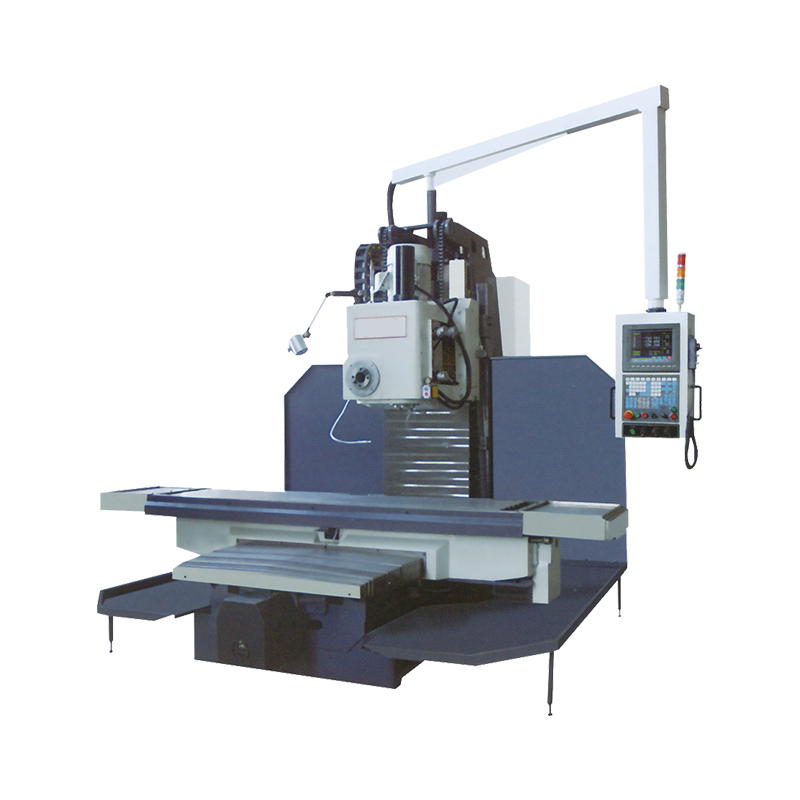
Equipped with one vertical and one horizontal gear headstock, the output torque is large, the cutting force is strong. Once clamping, the upper plane ...
See Details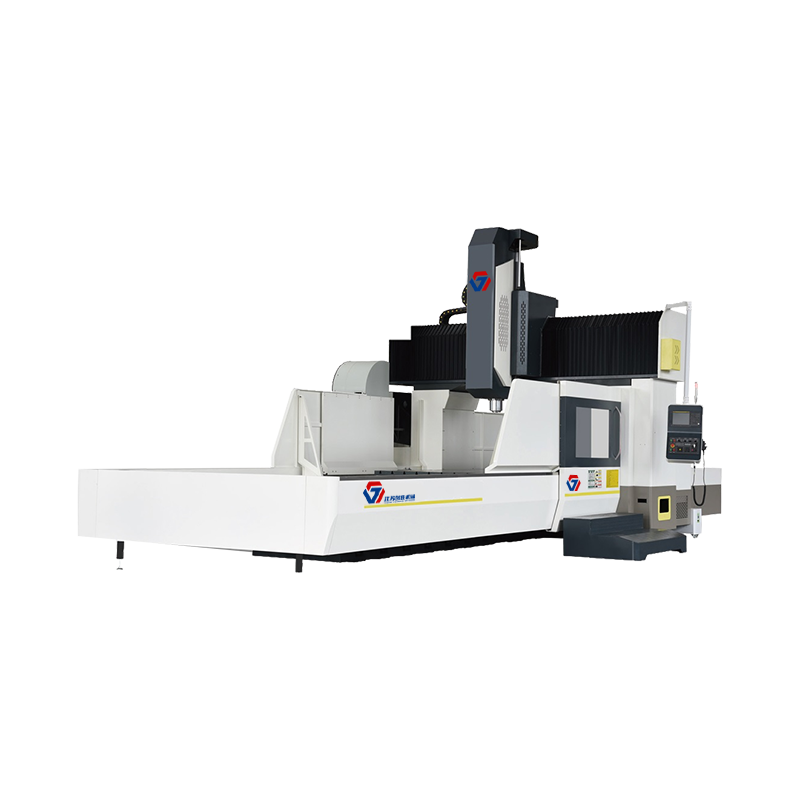
The machine adopts the structure form of fixed gantry frame and moving table on the bed. Beam column integrated design, has the characteristics of hig...
See Details
The machine adopts the structure form of fixed gantry frame and moving table on the bed. Beam column integrated design, has the characteristics of hig...
See Details
All rights reserved Jiangsu Chuangjia Machinery Co., LTD.
