
 Search products
 en
en 简体中文
简体中文 русский
 Español
ZN-L1165 Vertical Machining Center
Cat:Vertical Machining Center
This series of machining center is fixed in A-shape single column, mobile structure of workbench, high rigidity of basic parts, lightweight of moving ...
See DetailsGantry Machining Centers / Drive Train
Belt-Driven CNC Gantry Machining Centers: What the Drive Train Actually Decides
Belt reduction on a gantry is a torque and inertia decision, not a shortcut. Here is how it reshapes accuracy, maintenance, and the way you specify a machine for large-part work.
When a builder places a belt between the servo and the ball screw of a gantry axis, the first reason is usually torque multiplication rather than cost saving. A servo driving a heavy cross-rail directly has to supply cutting force and the inertia of everything it moves. Add a two-to-one or three-to-one reduction and the motor sees roughly half or a third of the reflected load while turning faster, where it works more efficiently.
Three consequences show up on the shop floor:
The trade is straightforward: more torque margin, slightly less stiffness, and one consumable that must be tensioned correctly and replaced on schedule. On a gantry with a three- or four-meter beam, where the moving rail and ram dominate the load case, that trade usually favors the belt.
Drive selection on a gantry is rarely a single decision. The long-travel axes, the cross-rail, and the ram can each use a different solution, and one machine may mix them.
| Drive configuration | Typical gantry use | Strengths | What to watch |
|---|---|---|---|
| Direct-coupled ball screw | Cross-rail, ram, short axes | High stiffness, few wear parts | Large servo for long travel, screw heat, critical-speed limits |
| Belt-reduced ball screw | X and Y axes, medium to long travel | Torque multiplication, smaller servo, thermal separation | Tension and alignment, periodic belt replacement |
| Helical rack and pinion | Very long travel, heavy beams | Almost unlimited travel, high thrust | Preload setting, lubrication, gear wear over years |
| Linear motor | High-speed or high-accuracy specials | No mechanical contact, very high acceleration | Cost, cooling, sensitivity to chips and dust |
Read the table with the workpiece in mind rather than a preference for one technology. A mold plate that needs a mirror surface rewards stiffness and thermal stability. An aluminum structural part with hundreds of holes rewards acceleration and fast positioning. A heavy steel weldment rewards thrust margin and damping. Belt-reduced ball screws sit in the middle of that range and remain the most common answer for gantry axes between roughly two and five meters of travel.
No drive train compensates for a frame that deflects under cut. Rigidity on a gantry comes from the bed, the columns, the cross-rail, and the ram guidance; the belt only transmits what the structure can absorb. That is why it pays to know who casts and machines the base components, not only who assembles the machine.
Jiangsu Chuangjia Machinery, founded in 2000 within the Nantong Zhongnan Intelligent Technology group, works from a production park of about 100,000 square meters with more than 380 employees, including 30 senior engineers and 20 R&D engineers. The group runs its own foundry, sheet metal shop, and painting shop, plus a grinding machine research institute and a CAD design office.
Castings produced in-house and machined on site matter here, because the geometry of the bed and the rail mounting surfaces is settled before assembly rather than corrected after delivery. The same principle is covered in this note on how rigid base parts carry machining accuracy.
Model names inside the gantry range already signal structure: the DLM4027 with a vertically moving cross-beam, the ZNLM8030 in a double-column layout, and the ZNLM4025 as a heavy-duty platform. The belt-drive example is the ZNLM3023, which uses belt transmission on its feed axes: a large working envelope, moving mass that would otherwise need oversized servos, and motors placed where they can be serviced.
When you evaluate a machine of this type, ask for the motor-to-screw ratio, the belt profile and width, and the recommended re-tension interval. Those three numbers say more about daily behavior than a peak rapid-traverse figure.
The belt is the least expensive part of the drive train and the most common source of drifting dimensions. Most builders use a curvilinear tooth profile in an HTD or AT section, sized by pitch and width. The tooth count on the small pulley sets the wrap angle: too few teeth and the belt slips under peak thrust, too many and the ratio becomes impractical.
Practical note: a belt drive does not remove backlash, it relocates where backlash can appear. Check the motor pulley lock, then the belt, then the screw nut, in that order, whenever a machine starts losing position on reversal.
Chuangjia lists sapphire, automotive, new energy, and mold making among the industries its machines serve, and those four fields stress a gantry in different ways.
Sapphire and other hard, brittle materials reward stiffness and smooth motion more than raw speed, because edge chipping and surface quality are the limiting factors. Mold work rewards contouring accuracy across long finishing passes. Automotive and new energy parts are usually aluminum, where acceleration, tool change time, and chip evacuation matter most. Heavy steel and cast iron reward thrust margin and damping, which is where a heavy-duty gantry platform earns its cost.
Angular features and three-dimensional surfaces that cannot be reached in three axes need a different answer. A five-axis gantry such as the ZNLM2214 adds two rotary axes to the same structural platform, so the linear drive train still has to be sized for the extra mass and for the fact that the tool tip can sit far from the rail.
One caution applies across all four industries: run the acceptance test with cutting data that resembles the production part, not a light finishing pass chosen because it produces a clean report.
Before approving a purchase order, get the following in writing. These questions are unglamorous, and they decide whether the machine still holds tolerance in year three.
Watch for: a belt specification quoted only as a brand and part number without ratio and pulley data. The ratio determines thrust and resolution; the part number alone says nothing about how the axis will behave.
Two gantry machines with identical envelopes and identical controller options can behave like different machines, because one was specified around a real workpiece and the other was specified around a price target.
Belt-driven axes on a CNC gantry machining center are a deliberate engineering choice: they buy thrust margin, allow smaller servos, and keep motor heat away from the screw. In exchange, the machine asks for correct tension, a clean working environment, and a maintenance schedule that someone actually follows.
Judge the drive together with the structure. Ask who casts the bed, how the rail surfaces are machined, and what re-tension interval the builder recommends. Specific answers mean the belt is unlikely to be the part that limits your tolerance; vague answers mean no drive configuration will rescue the installation.
What good looks like: a builder who hands over the belt ratio, the tension value, and the re-tension interval at delivery has already shown that the axis was specified rather than assembled from whatever was on the shelf.
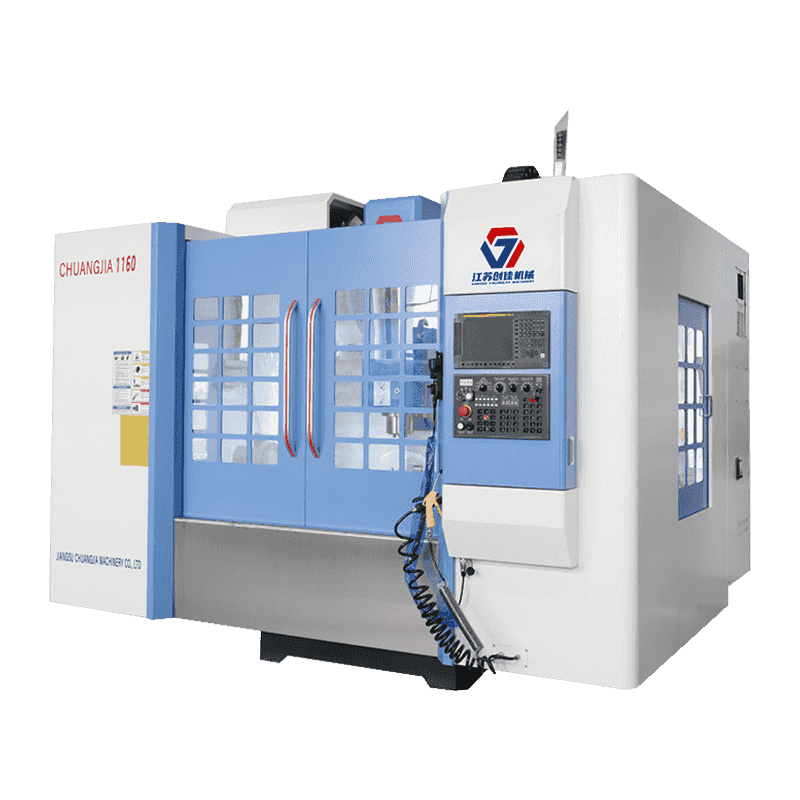
This series of machining center is fixed in A-shape single column, mobile structure of workbench, high rigidity of basic parts, lightweight of moving ...
See Details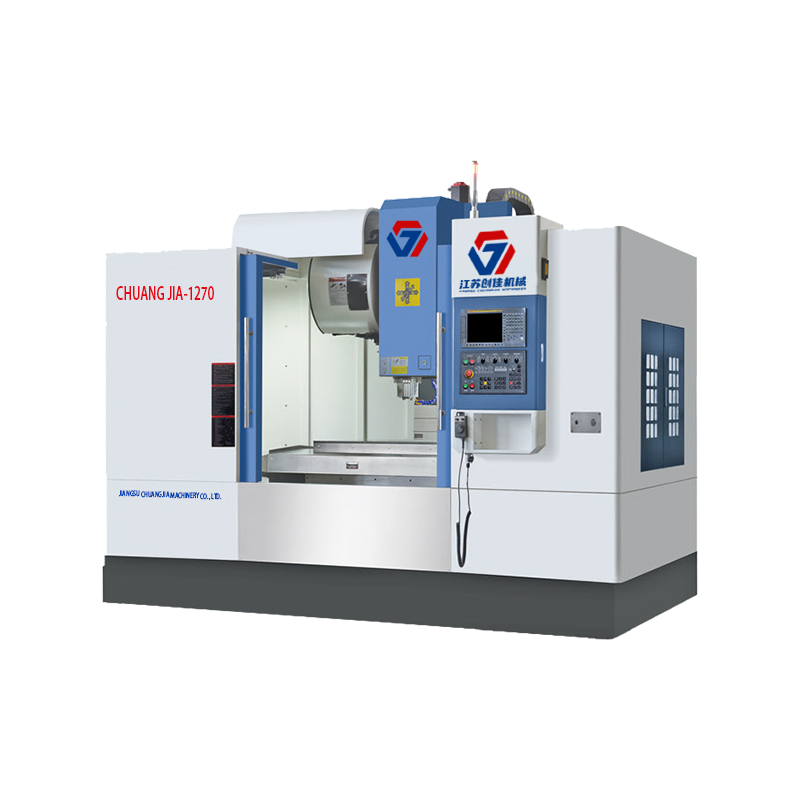
This series of machining center is fixed in A-shape single column, mobile structure of workbench, high rigidity of basic parts, lightweight of moving ...
See Details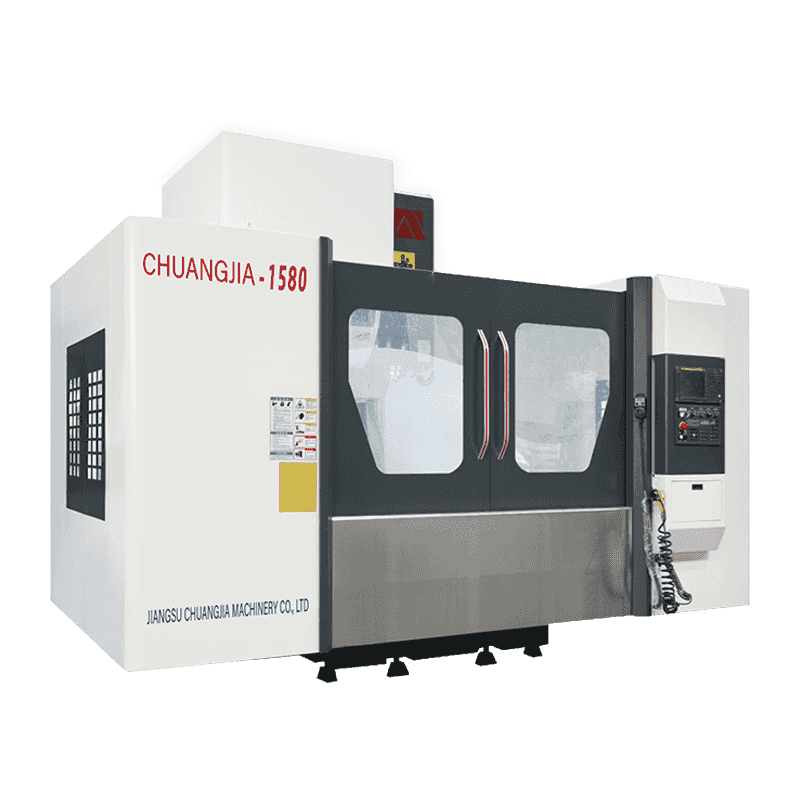
This series of machining center is fixed in A-shape single column, mobile structure of workbench, high rigidity of basic parts, lightweight of moving ...
See Details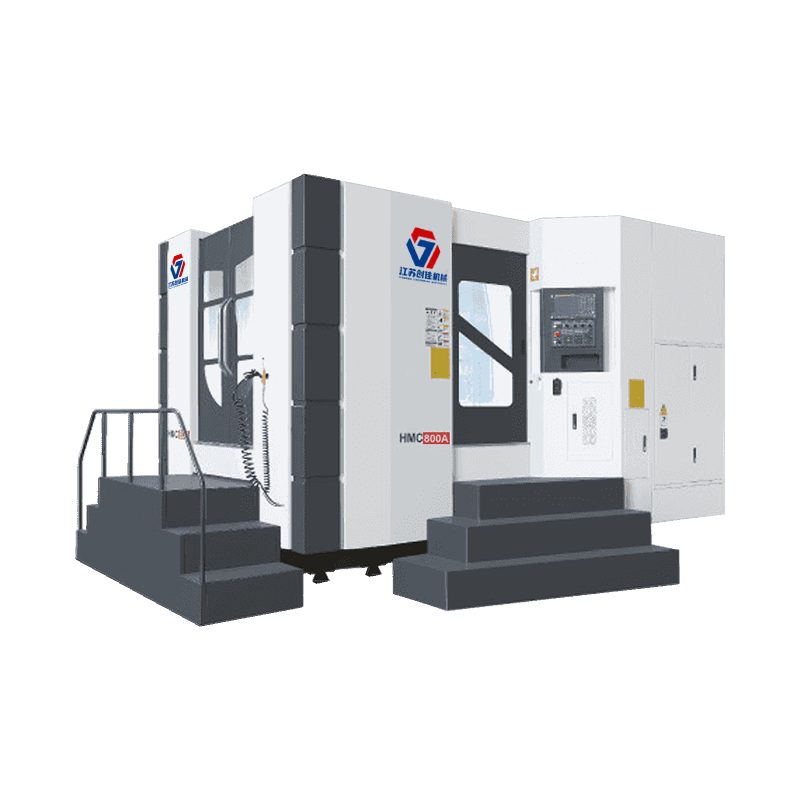
The bed adopts a positive T structure layout, the table moves back and forth (Z axis), the headstock moves up and down (Y axis) and the column moves l...
See Details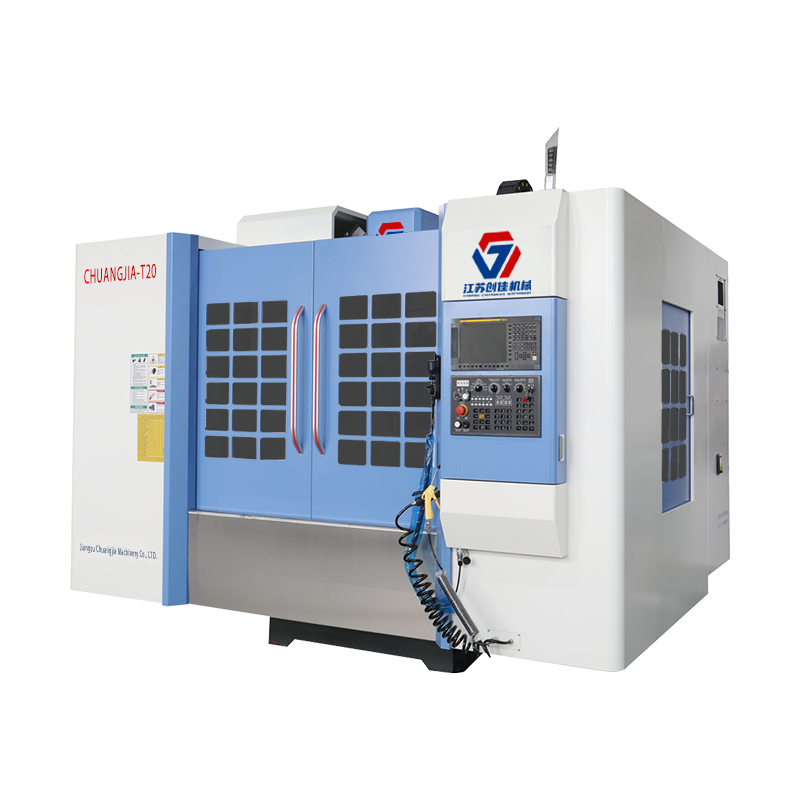
Drilling and tapping center ZN-T20 has easy operability, high reliability, ultra-high cost performance, mainly used in general industry, hardware, med...
See Details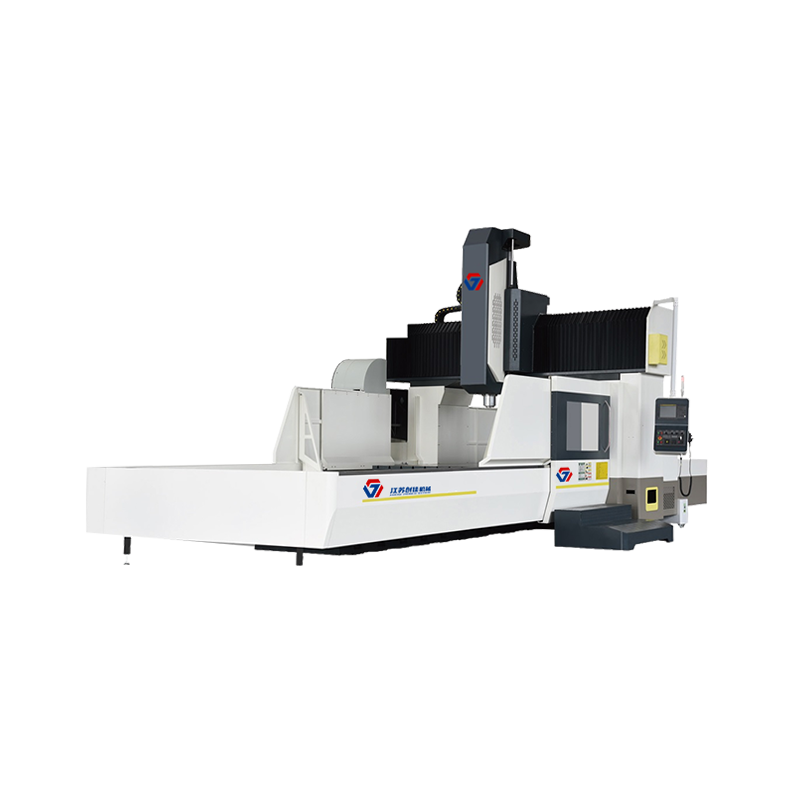
The machine adopts the structure form of fixed gantry frame and moving table on the bed. Beam column integrated design, has the characteristics of hig...
See Details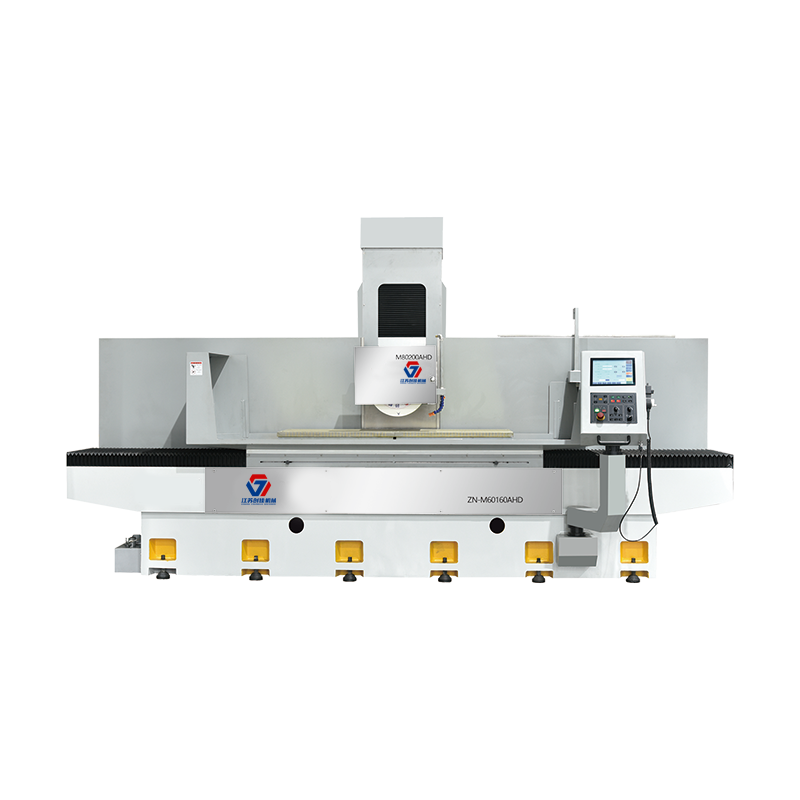
The machine tool is mainly suitable for the precision grinding of various metal materials, such as plane, step and specific shape, and is widely used ...
See Details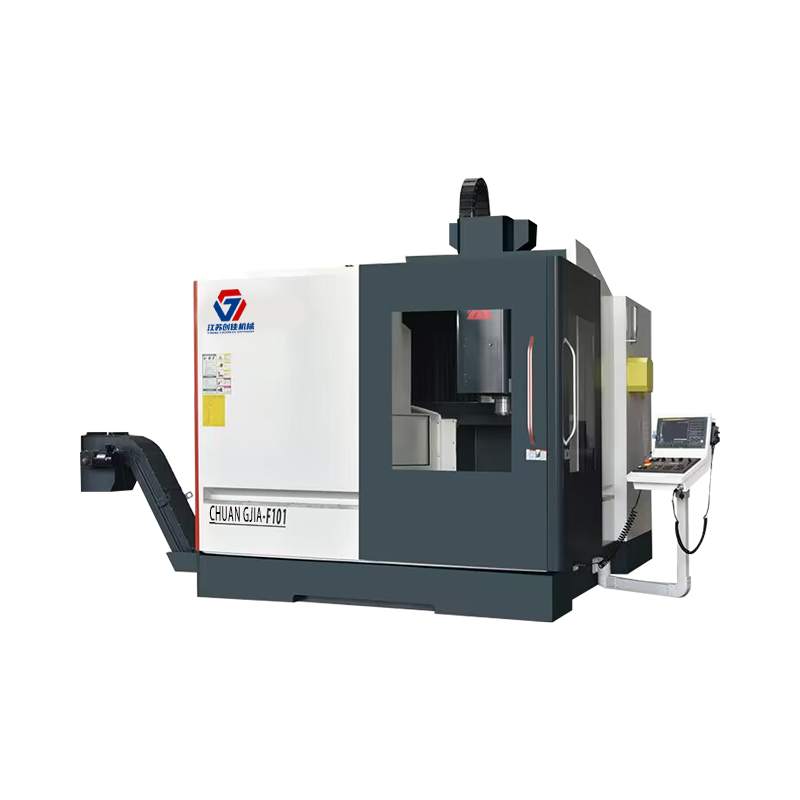
The three-axis support surface of this series of gantry machining center adopts heavy-duty roller linear guide, which is easy to maintain, low frictio...
See Details
All rights reserved Jiangsu Chuangjia Machinery Co., LTD.
