
 Search products
 en
en 简体中文
简体中文 русский
 Español
ZN-V855 Vertical Machining Center
Cat:Vertical Machining Center
This series of machining center is fixed in A-shape single column, mobile structure of workbench, high rigidity of basic parts, lightweight of moving ...
See DetailsTwo columns, one cross rail, and a tolerance band that either survives two-shift production or quietly disappears in year three. What to settle on paper before the purchase order is signed.
A 2,400 mm × 1,600 mm mold base arrives with four finished pockets, angled water-line bosses and a flatness callout of 0.05 mm across the full face. On a 1,000 mm C-frame vertical machining center, that part becomes three setups, three re-clamps and an error stack the inspection department finds before the customer does.
The conclusion first: once a workpiece passes roughly 1,500 mm in one axis, or needs three or more faces cut in a single clamping, a double column CNC gantry machining center stops being the expensive option and usually becomes the cheaper one, because it deletes setups. The harder question is the second one. Will it still hold tolerance after five years of two-shift work? That answer is decided by structure, not by the control brand.
Two columns rise from the bed, a cross rail spans them, and the spindle head or ram travels along that rail. The difference from a C-frame machine is not cosmetic. In a C-frame design the spindle hangs off one side of a single column, so cutting force pushes that column away from the work and the column grows as the spindle heats. A double column machine closes the loop on both sides: two columns share the load, and the thermal mass stays roughly symmetric about the spindle centreline. That symmetry is why a gantry holds flatness across a 2 m face while a C-frame machine starts arguing with itself.
The first things to examine are therefore the bed and column castings, the cross rail section, the ram section and the table load rating. A gantry carrying a 12 t workpiece behaves very differently from one carrying a 3 t plate, even when the X travel is identical.
Most of the gap between two gantry quotations comes from three decisions, none of them the paint.
| Layout | How it moves | Best fit | Watch out for |
|---|---|---|---|
| Fixed cross rail, travelling table | Table moves in X, rail height fixed | Flat, wide plates of consistent thickness | Limited Z range; long table travel needs floor space |
| Vertical-moving cross rail, fixed table | Rail rises and falls, work stays clamped | Tall, heavy parts that should never be re-clamped | Rail clamping rigidity and thermal behaviour |
| Moving column (gantry travels) | Columns travel along a long bed | Typebar, profile and very long parts | Bed length, leveling and foundation cost |
| Five-axis head on the ram | Rotary-tilting head plus linear axes | Angled pockets and contoured surfaces | Error stacking per axis; programming cost |
Catalog X, Y and Z travel is measured between mechanical limits, not between the surfaces you actually need. The usable envelope is the part, plus the fixture plate, plus the longest tool in the program, plus clamping clearance, minus a safety margin most shops set at 100 mm. Buyers who size the machine from the part drawing alone usually meet the missing 150 mm when the face mill enters the cut.
Three numbers belong in the technical agreement: maximum table load in kilograms, spindle nose to table distance at both ends of the Z stroke, and usable height under the cross rail. A gantry rated for 8 t at the table centre may carry less at the extremes, which is a conversation worth having before delivery rather than after.
Info — put tolerance claims in writing
Geometric accuracy is normally verified to ISO 230-1, and positioning accuracy and repeatability to ISO 230-2, using a laser interferometer or a ballbar. Ask which instruments and which axes the acceptance test covers. A quote that names a number but not a method is a marketing figure.
Gantry buyers tend to over-read spindle speed and under-read torque. A 200 mm face mill taking 4 mm off a steel plate needs low-rpm torque, a stiff ram and heavy guides; 12,000 rpm is irrelevant to that cut. Where the work is aluminium or graphite, the priorities flip, and fast rapids and generous coolant volume matter more than raw cutting force.
Thermal behaviour is the quieter half of the same problem. A symmetric gantry grows more predictably than a C-frame, but it still grows. A machine that starts a twelve-hour cycle cold finishes it with a different geometry than one that has run a 30-minute warm-up. Shops holding tight flatness callouts should write that warm-up into the process sheet instead of leaving it to the operator.
Warning — the floor is part of the machine
A gantry leveled on a floor that later settles will twist, and the first symptom is usually a flatness problem blamed on the spindle. Confirm slab thickness, allow isolation pads, and re-check leveling after the first month of production.
A rotary-tilting head or a rotary table on a large gantry is a genuine productivity tool when a part carries angled pockets, contoured surfaces or features on five faces, because it removes setups that would otherwise need a crane. It is an expensive way to machine flat plates.
The decision comes down to the accuracy budget. Every added axis contributes its own error, and the machine has to be verified volumetrically rather than one axis at a time. If angled work is a small share of the cycle, a fixed head and a well-chosen fixture is the better trade; if the geometry is the point of the part, a five-axis gantry in the ZNLM2214 class is the right tool.
Parts that fit inside a 600 mm cube and run in volume belong on a vertical machining center. Prismatic parts needing four faces in one clamping belong on a horizontal machining center, where chips fall away from the spindle almost by themselves. Large, heavy parts that must stay clamped belong on a gantry.
The real boundary is not part size alone but the cost of moving the part. When crane time, fixturing and re-datum risk for a second setup exceed the price difference between machine formats, the gantry wins on cost per part.
The gap between a machine that passes its acceptance certificate and one that produces good parts is closed by a test cut, not by a specification sheet. Ask for the cut on a representative workpiece, in the real fixture, with the real program.
Success — a practical acceptance list
Buying from a builder that controls the parts of the chain which decide rigidity also helps. Jiangsu Chuangjia Machinery, part of the Nantong Zhongnan Intelligent Technology group, has built machine tools since 2000, starting with precision surface grinders before extending into machining centers. The group runs its own foundry, sheet metal and painting shops across roughly 100,000 square metres with more than 380 employees, including 30 senior engineers and 20 R&D engineers, and keeps a dedicated grinding machine research institute. Castings, paint and assembly under one roof matter when a column or bed has to be re-machined.
The gantry machining center range covers double column, heavy duty, belt drive and five-axis layouts alongside vertical, horizontal and drilling-and-tapping machines, with published application areas in sapphire, automotive, new energy and mold making.
Size the envelope from the fixture, not the part drawing. Choose the rail layout from how the work sits, the spindle from the material, and the guide system from the depth of cut. Then hold the builder to a named test method, a laser or ballbar report, and a test cut on your own part class. A double column CNC gantry machining center bought on structure rather than on travel figures is the one still holding tolerance when the next generation of parts arrives.
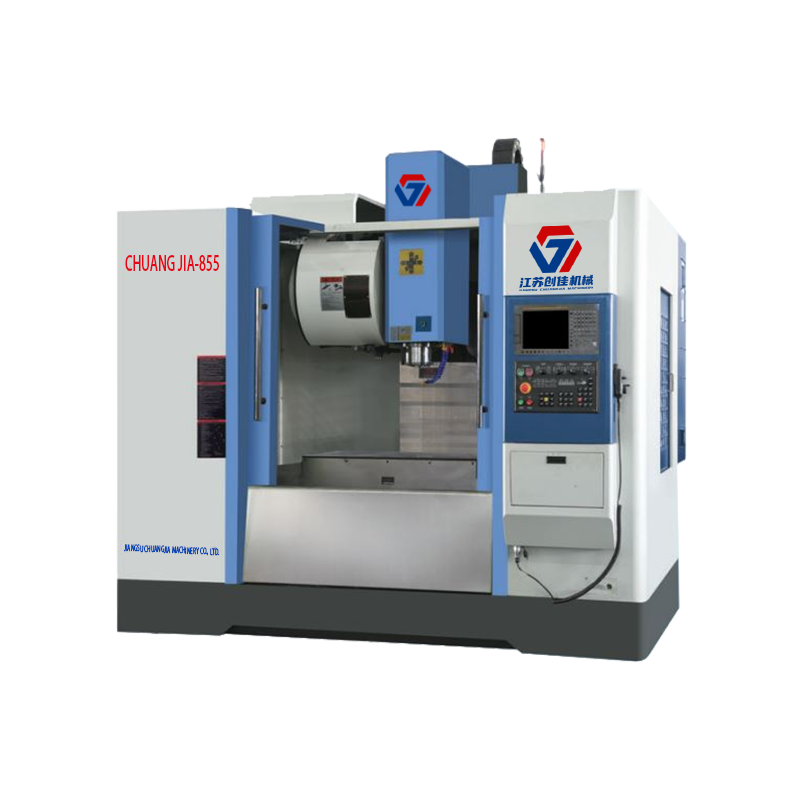
This series of machining center is fixed in A-shape single column, mobile structure of workbench, high rigidity of basic parts, lightweight of moving ...
See Details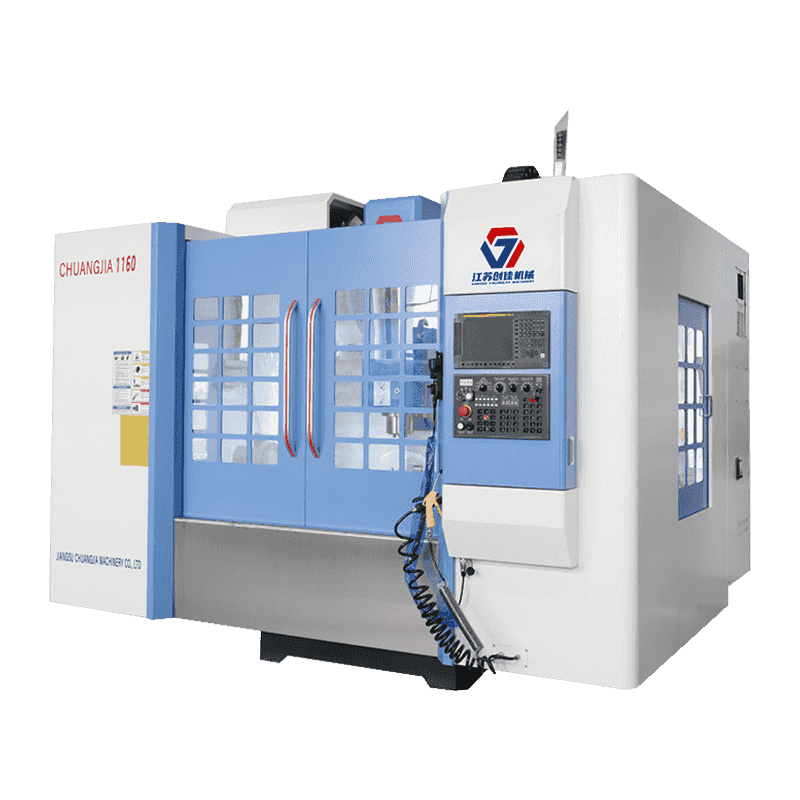
This series of machining center is fixed in A-shape single column, mobile structure of workbench, high rigidity of basic parts, lightweight of moving ...
See Details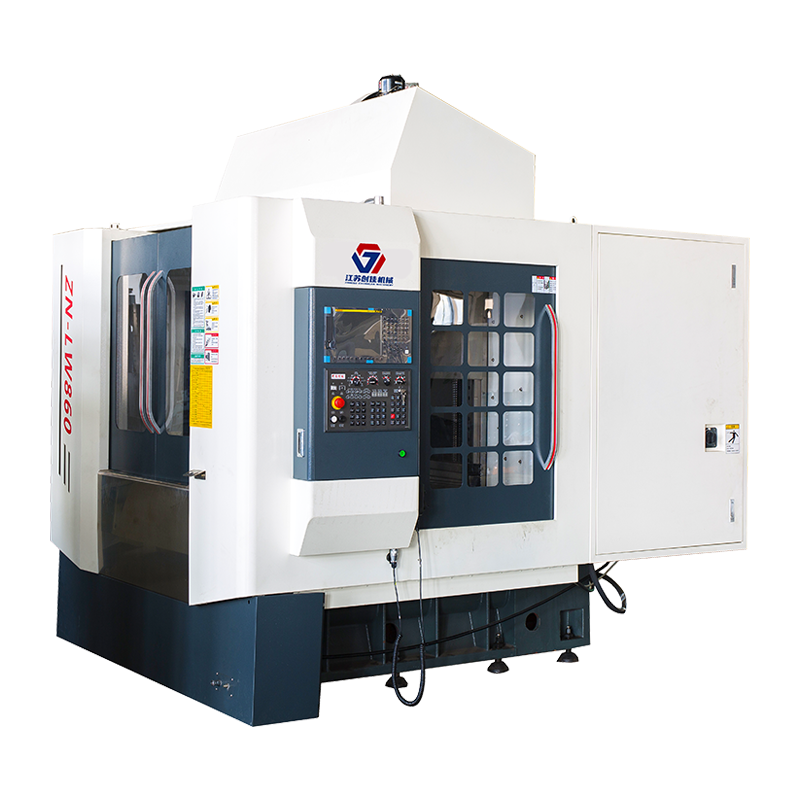
The machine adopts a cross sliding saddle structure, the table moves around (X axis), the headstock moves up and down (Y axis) and the saddle moves ba...
See Details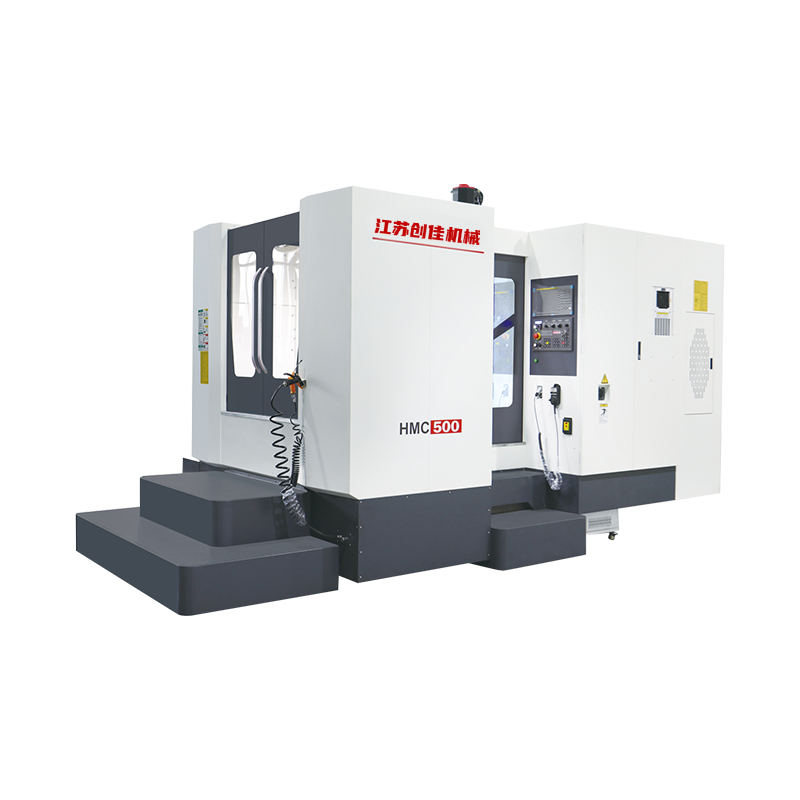
The bed adopts inverted T structure layout, the table moves around (X axis), the headstock moves up and down (Y axis) and the column moves back and fo...
See Details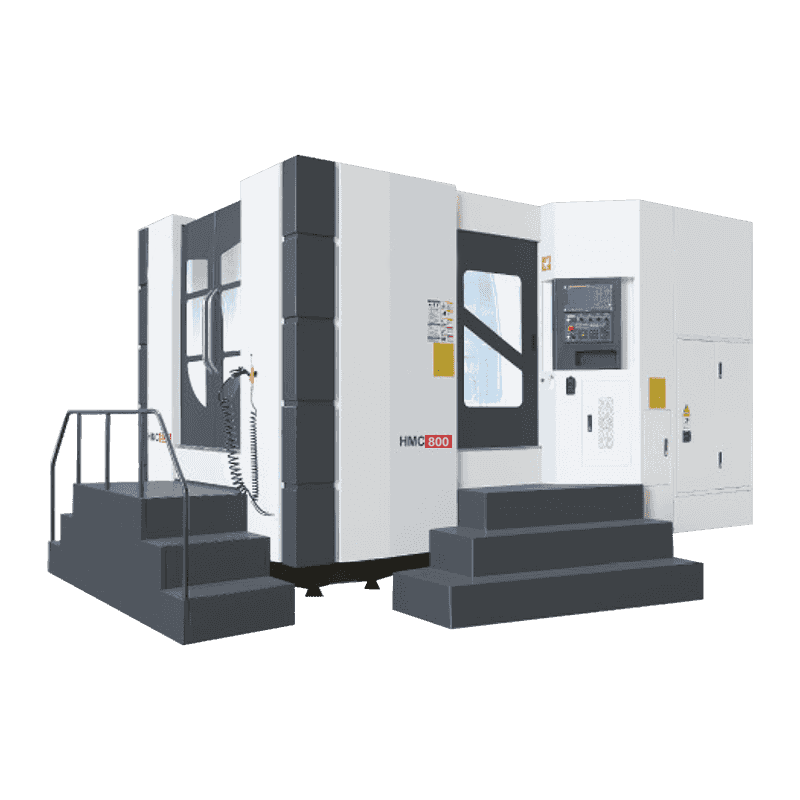
The bed adopts inverted T structure layout, the table moves around (X axis), the headstock moves up and down (Y axis) and the column moves back and fo...
See Details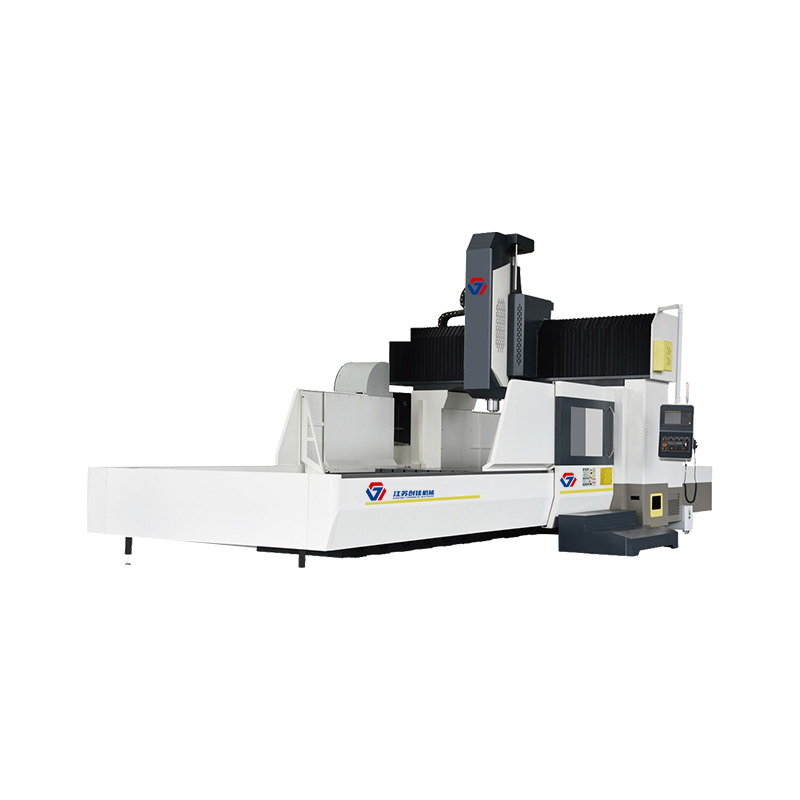
The machine adopts the structure form of fixed gantry frame and moving table on the bed. Beam column integrated design, has the characteristics of hig...
See Details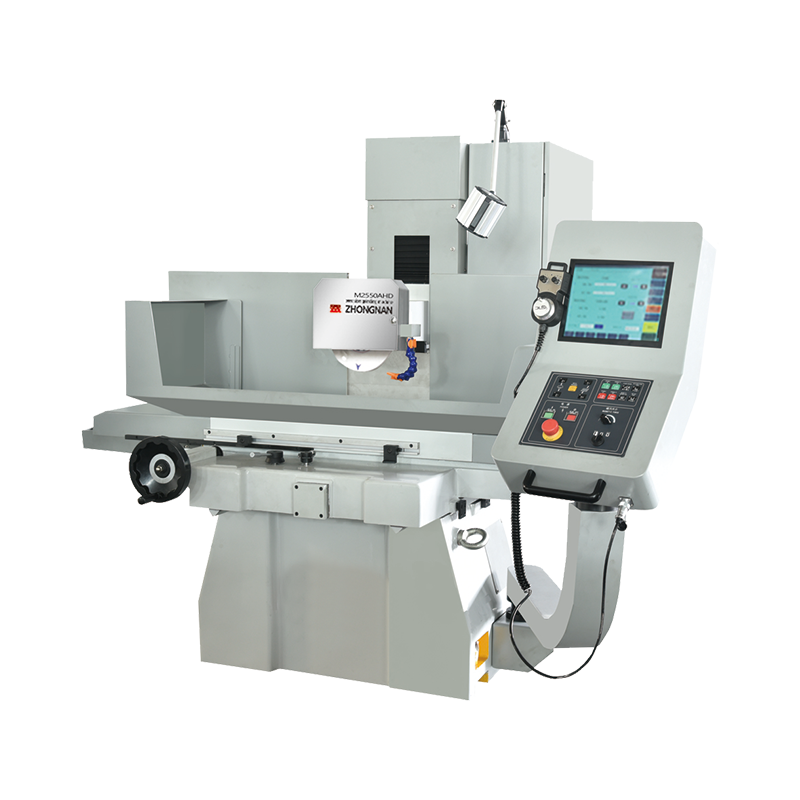
High precision/High speed/easy to operate CNC surface grinding machine X axis hydraulic /YZ axis servo/CNC system. Cross slide structure, double V rai...
See Details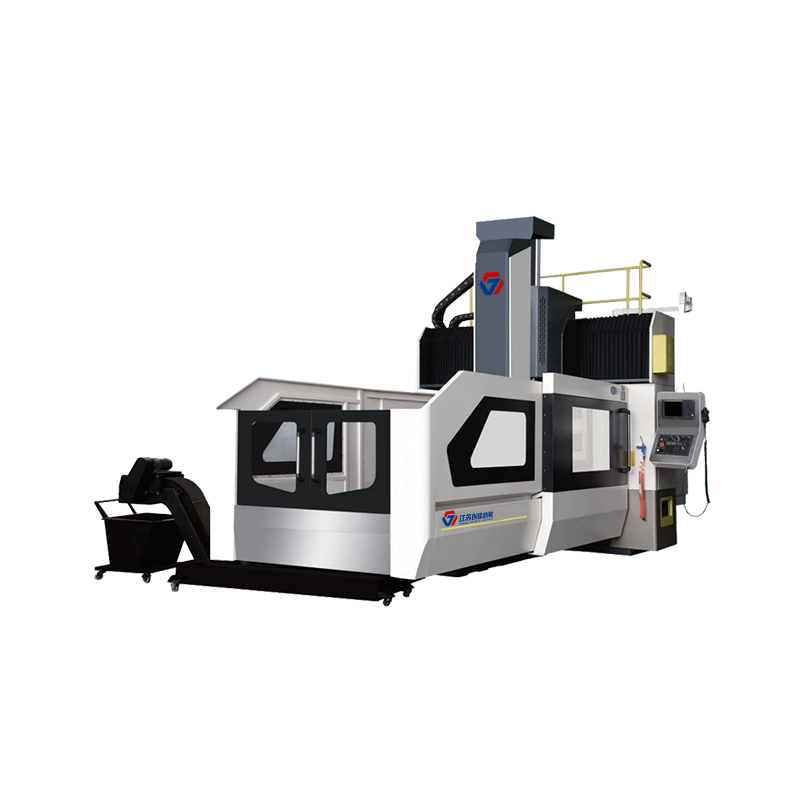
The machine adopts the structure form of fixed gantry frame and moving table on the bed. Beam column integrated design, has the characteristics of hig...
See Details
All rights reserved Jiangsu Chuangjia Machinery Co., LTD.
