
 Search products
 en
en 简体中文
简体中文 русский
 Español
ZN-V850 Vertical Machining Center
Cat:Vertical Machining Center
This series of machining center is fixed in A-shape single column, mobile structure of workbench, high rigidity of basic parts, lightweight of moving ...
See DetailsA shop floor manager watches a new batch of housings move through the first operation. The spindle drops, engages the workpiece, and moves through a sequence of drilling, contouring, and tapping with no manual intervention. That quiet, repeatable rhythm is the everyday reality of a CNC vertical machining center at work.
For any machine shop evaluating its next equipment investment, the vertical machining center, or VMC, is usually the first serious consideration. It is the most common CNC machine tool in production, and for good reason. But the term covers a broader range of machines than many realize, and selecting one requires more than comparing spindle speed or table size. The machine has to fit the parts, the materials, and the production volume you actually run.
This article explains what a CNC vertical machining center is, what happens inside the machine during a typical cycle, and which specification choices matter most when you are ready to buy.
A CNC vertical machining center is a computer-controlled machine tool that uses a vertically oriented spindle to remove material from a workpiece. The spindle holds a rotating cutting tool that approaches the workpiece from above, moving along multiple axes to produce precise features such as holes, slots, pockets, and contoured surfaces.
The most common configuration is the 3-axis VMC, in which the spindle moves along the X, Y, and Z axes. The workpiece is typically clamped to a table that moves in the X and Y directions, while the spindle moves vertically in Z. This arrangement gives the machine a wide working range within a compact footprint and creates an open, accessible work area that operators can easily monitor.
The "center" in machining center refers to a machine capable of performing multiple operations, milling, drilling, tapping, and sometimes boring, in a single setup. A machining center almost always includes an automatic tool changer that stores a set of tools and swaps them into the spindle during the program. That automation is what turns a simple milling machine into a true machining center.
"The vertical machining center is not the most complicated machine in the shop. It is simply the most practical one."
— Production engineer, metalworking industry
Distinguishing a VMC from other machine tools comes down to spindle orientation. A horizontal machining center has a spindle mounted parallel to the worktable, which improves chip evacuation but requires a more complex setup and a larger footprint. A CNC milling machine without an automatic tool changer may perform the same basic cuts, but it requires an operator to change tools manually, reducing throughput on multi-operation parts. The VMC sits between these extremes: vertical spindle simplicity with automated multi-tool capability.
The performance of a vertical machining center depends on the quality and coordination of several subsystems. Understanding these components gives you a practical basis for comparing one machine against another.
The spindle is the rotating assembly that holds the cutting tool. Its orientation, vertical, is what gives the VMC its name, but there is far more to the story below the surface. Spindle speed, torque, taper, and rigidity together decide which materials the machine can cut productively.
Spindle speed, expressed in revolutions per minute (rpm), directly affects surface finish and cutting efficiency. A standard VMC will typically offer spindle speeds between 8,000 and 12,000 rpm. High-speed models operate at 15,000 to 20,000 rpm and are well suited for aluminum and non-ferrous materials, where high cutting speeds produce fine finishes and reduce machining time. Lower-speed, high-torque spindles, generally below 6,000 rpm, are preferred for steel, stainless steel, and cast iron, where the priority is cutting force rather than speed.
The spindle taper, most commonly CAT-40 or BT-40 in mid-size VMCs, and CAT-50 or BT-50 in larger machines, determines tool rigidity and the maximum material removal rate the machine can sustain. A #50 taper spindle is substantially more rigid than a #40 taper, but it requires larger, heavier tools and carries a higher acquisition cost.
Manufacturers rate spindle power in kilowatts or horsepower, but these values should be viewed alongside torque curves rather than as isolated figures. A spindle with high rated power at low rpm provides real cutting capability in tough metals, while a spindle that only reaches peak power at high rpm may stall out in a heavy roughing pass. When you compare machines, examine the torque at the rpm range your work will actually use. This is a truer indicator of whether the machine will handle your materials.
The base and column of a VMC are cast iron or heavily ribbed steel, designed to absorb cutting forces and vibrations rather than transmit them to the workpiece. Why does this matter? The relationship between rigidity and accuracy is direct and unforgiving. A machine with an inadequate structure will flex under cutting loads, producing dimensional drift, chatter marks, and poor surface finish, no matter how accurate the ball screws are.
The Z-axis, in particular, benefits from a rigid design. Because the spindle approaches the workpiece vertically, the column must support both the spindle head weight and downward cutting forces. A heavy-duty boxway construction provides excellent damping and rigidity for steel and cast iron machining, while linear guideways offer faster acceleration and smoother motion for aluminum and non-ferrous work. Some manufacturers offer the same frame with both guideway options, letting you buy the right structure for your typical workload.
The automatic tool changer (ATC) is what elevates a machining center beyond a manual milling machine. A typical 24-tool magazine holds enough tooling for a complete job sequence, meaning the operator can load a raw workpiece, start the program, and run multiple operations in a continuous cycle. Tool-to-tool times usually range from 1.5 to 4 seconds, depending on the design of the changer and spindle orientation.
The practical impact is throughput. A shop running small batches of multi-operation parts will spend far fewer hours on tool changes. The trade-off is initial investment. An ATC-equipped VMC costs more than a manual machine, and the additional tooling and setup processes have to be justified over the life of the machine.
The CNC control is the operator's window into the machine. A reliable control interface improves the entire workflow, from programming to setup to troubleshooting. Look for controls that are intuitive enough for your existing operators to learn quickly. The control's compatibility with your current CAD/CAM post-processors matters every bit as much as the hardware specifications, since an incompatible post defeats even the most capable machine design.
Another factor is the control's memory and processing speed. Complex 3D programs with fine tolerances can generate a large amount of code. Ensure the control offers enough memory and a fast enough processor to run your most demanding programs without lag or interpolation errors.
Part geometry and production volume ultimately dictate which VMC configuration to choose. Here are the main axis configurations and how each one affects what you can produce.
The standard 3-axis vertical machining center executes X and Y movements on the table and Z movement on the spindle. It handles the vast majority of prismatic parts: blocks, plates, flanges, housings, and simple brackets. For workpieces with features on multiple faces, you either perform multiple setups or use a rotary table to index the part. While a 3-axis machine cannot produce complex angled surfaces in a single setup, its simplicity of programming and operation is the reason it remains the default choice for most shops.
A 4-axis VMC adds a rotary axis that rotates the workpiece around the X or Y axis. This permits machining on four sides of a part without repositioning, reducing setup time and improving accuracy. Common applications include cylindrical parts, valve bodies, and components requiring precise angular features.
5-axis VMCs add two rotary axes, typically allowing the spindle or table to tilt and rotate. This enables machining of complex free-form surfaces, undercuts, and deep cavities in one setup. The advantages are consistent accuracy across all machining operations, shorter setup times, and the ability to use shorter, more rigid tools by orienting the workpiece favorably under the spindle. A five-axis VMC asks a premium price and requires more advanced programming skills, but for aerospace, medical, and mold work, it is often the only practical solution.
The axis travel dimensions define the largest workpiece the machine can accommodate. A common mid-sized VMC offers around 800 mm of X travel, 500 mm of Y travel, and 500 mm of Z travel. Always match the work envelope to your actual part range, not a maximum theoretical size. A machine with a larger table than needed costs more in floor space, slide travel, and cutting air, without adding any production benefit.
Equally critical is maximum table load. Cutting forces and the weight of your most common fixtures both act on the table. A machine rated for 500 kg of table load does not necessarily perform the same cutting pass at full load as it does when empty. Heavier loads place added stress on the linear guides and ball screws, affecting acceleration and precision. If your workpieces consistently approach the machine's rated maximum, consider a heavier-duty model.
Every VMC specification sheet lists positioning accuracy and repeatability figures. Deciding what these numbers really tell you avoids costly mistakes in machine selection. The values are typically expressed in millimeters and are measured at the machine's extremes.
Positioning accuracy is the maximum deviation between a commanded position and the actual position the machine reaches. Repeatability describes the machine's ability to return to the same position repeatedly. Good repeatability matters far more for production consistency.
| Specification | Standard VMC | High-precision VMC |
|---|---|---|
| Positioning accuracy | ±0.008 mm | ±0.003 mm |
| Repeatability | ±0.005 mm | ±0.002 mm |
| Spindle runout | 0.005 mm | 0.002 mm |
A high-precision machine at three times the price may be vital for mold finishing or very tightly toleranced automotive components. For general machining, a standard machine meets the requirement at a far more accessible cost. The recommended approach is to identify the tightest tolerance across your current part portfolio, then select a machine whose repeatability is at least one-third of that tolerance. Buying unnecessary precision is as wasteful as buying insufficient precision.
The VMC's versatility has made it the backbone of machine shops across a wide range of industries. The most prevalent applications line up with the machine's natural strengths: plate-like parts, complex molds, and small to medium batch production.
The materials being machined are equally varied. Mild steel, alloy steel, and stainless steel are standard fare for general shops. Cast iron is processed daily across countless foundries and machining plants. Aluminum runs at high spindle speeds and feed rates, producing exactly the kind of fast cycles that make VMCs a source of high productivity. High-temperature alloys in aerospace and medical work demand rigid machines with powerful spindles and conservative cutting strategies.
Because of this material and application breadth, the VMC is usually the first machine a growing shop buys after a basic milling machine, and it remains the workhorse on the floor for years afterward.
Purchase decisions made from a catalog alone rarely survive contact with the shop floor. The selection process should instead start with your parts, not the machine's marketing materials. The three-step approach that follows is a practical framework that has worked in real production settings.
Beyond these steps, service and support matter more than any single specification. Check the manufacturer's reputation for parts availability, machine documentation quality, and after-sales training. A machine that spends a week waiting for a spare part costs far more than the initial price difference.
For shops working in the mold, automotive, or new energy sectors, it may also be worth looking at a machine builder with an integrated manufacturing chain, meaning the company controls casting, machining, and assembly of its own machines. This level of vertical integration often translates into better quality control and shorter supply chains for parts.
Jiangsu Chuangjia Machinery has built its reputation around that exact approach. Founded in 2000 as a surface grinder manufacturer, the company now offers a CNC vertical machining center series, including the ZN-V850 Vertical Machining Center for High-Speed MillingThis VMC from Chuangjia Machinery is designed for precision milling, drilling, and tapping in medium-batch production, with a rigid column structure and cooling system to maintain accuracy.View Product →,
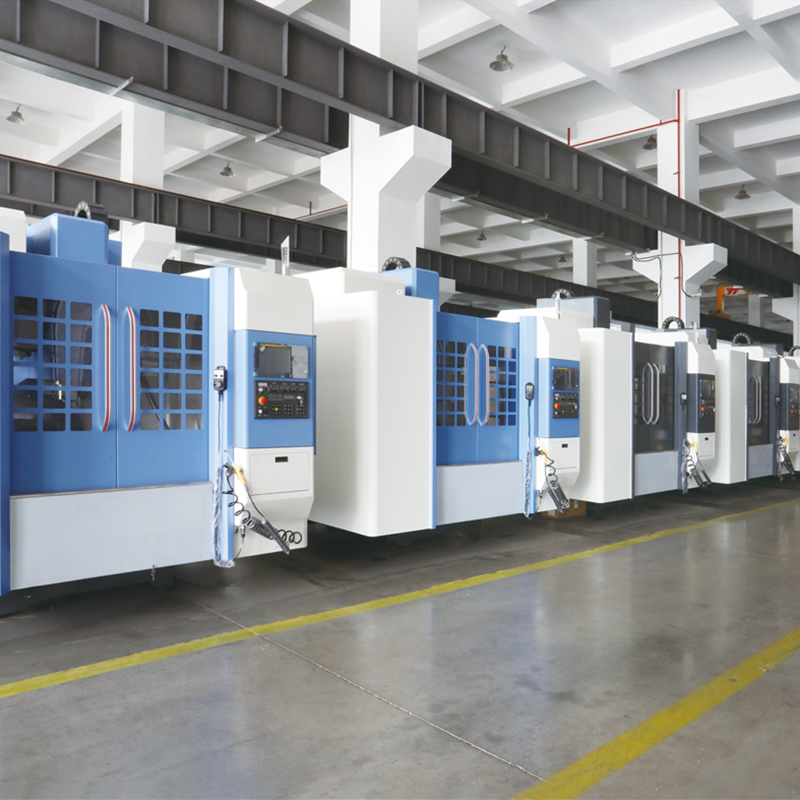 ZN-V855 Vertical Machining Center with Enhanced RigidityA high-speed machining center suited for complex surface and box-part processing, featuring a stable base and low-friction linear guides to support consistent, efficient operation.View Product →, and ZN-L1165 Vertical Machining Center for Larger WorkpiecesThis model offers a large table size for handling bigger parts, combining fixed-column design and high-precision spindle performance for reliable multi-process machining.View Product →, backed by its own foundry and final assembly operations in a 100,000-square-meter production facility. Seeing the full production chain gives you a practical sense of a manufacturer's capacity.
A VMC is a long-term asset, and maintenance habits determine whether it returns value for ten years or becomes a liability after four. If you are new to VMC operation, the following points will set you on the right path.
Check the lubrication system levels and verify oil delivery to the guideways. Clean chips from the work area and way covers after each shift. Monitoring the coolant mixture is also part of daily practice. Stale or contaminated cutting fluid leads to poor surface finish and shortens tool life.
Clean and lightly grease the spindle taper before each tool change. A dirty taper seat compromises tool concentricity and leads to premature tool wear and vibration. Periodically run a spindle warm-up cycle before extended cutting to bring bearing temperatures to a stable state.
Over time, ballscrews develop measurable play. Many controls offer backlash compensation routines that adjust the commanded position to account for the slack. The right approach is to measure backlash on each axis at defined intervals and adjust the compensation parameters accordingly. Catching excessive wear early prevents scrap parts and more expensive repairs.
The way a machine handles chips has a direct impact on part quality and uptime. A well-designed coolant system flushes chips out of the cut zone, prevents re-cutting of chips, and keeps the tool temperature stable. VMCs in particular tend to accumulate chips in the work zone. Choose a machine with effective coolant nozzles and a chip conveyor that matches your chip volume.
The proper operating approach is not extravagant, but it is consistent. Operators who track tool life, record machine alarms, and follow a fixed preventive maintenance schedule get more production at lower life-cycle cost. The machine you own is only as good as the people who run it.
Understanding why a VMC is the right choice between machining technologies requires an honest look at its limitations. A horizontal machining center, for example, excels at heavy stock removal from large castings and prismatic parts, because the horizontal spindle orientation allows chips to fall away from the cutting area. But an HMC commands a significantly higher price, needs specialized fixtures, and consumes more floor space. A CNC router offers a large work area at a lower cost, yet its lightweight structure cannot machine metals with anything near the accuracy of a VMC.
A good rule of thumb is that if the part is roughly cubic, a vertical spindle machine will handle it well. In contrast, if the part is longer than it is tall, or if the part requires deep cavities where chip evacuation is a problem, then a horizontal machine may be a better fit. Knowing the difference can prevent a costly mis-purchase. An in-depth comparison of the two approaches can help with that assessment.
For the majority of general machining work, the VMC's balance of capability, ease of use, and acquisition cost makes it the reference point in its class.
When you have narrowed down your candidate list, apply three tests before signing the order:
The platform requirements presented here give you a clear checklist. Consider the machining center as part of a production system, not in isolation. The right VMC will integrate smoothly into your workflow, run for thousands of hours, and bring a level of consistency to your output that manual skill alone cannot provide.
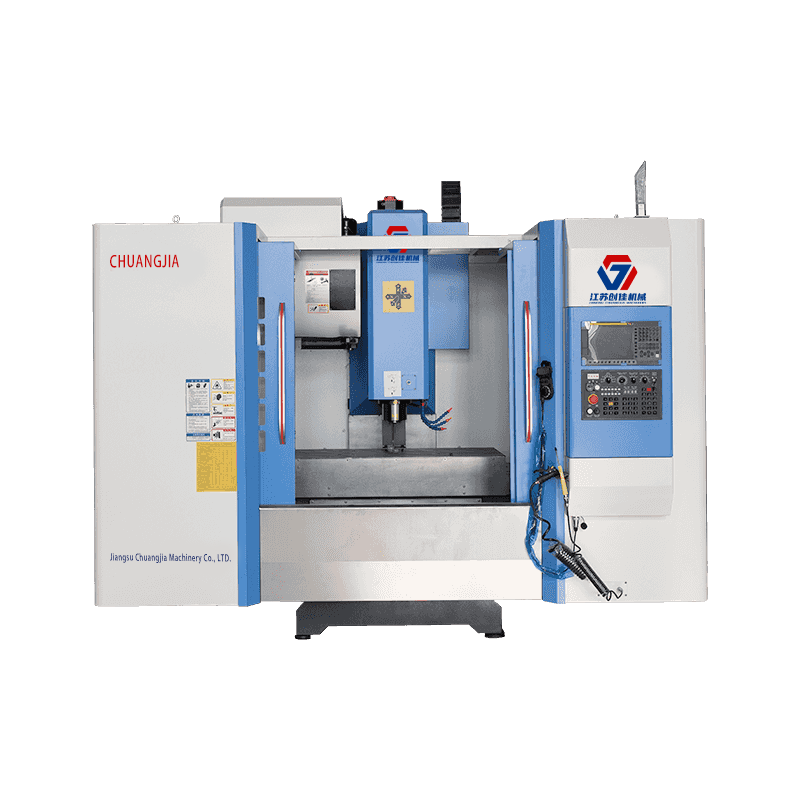
This series of machining center is fixed in A-shape single column, mobile structure of workbench, high rigidity of basic parts, lightweight of moving ...
See Details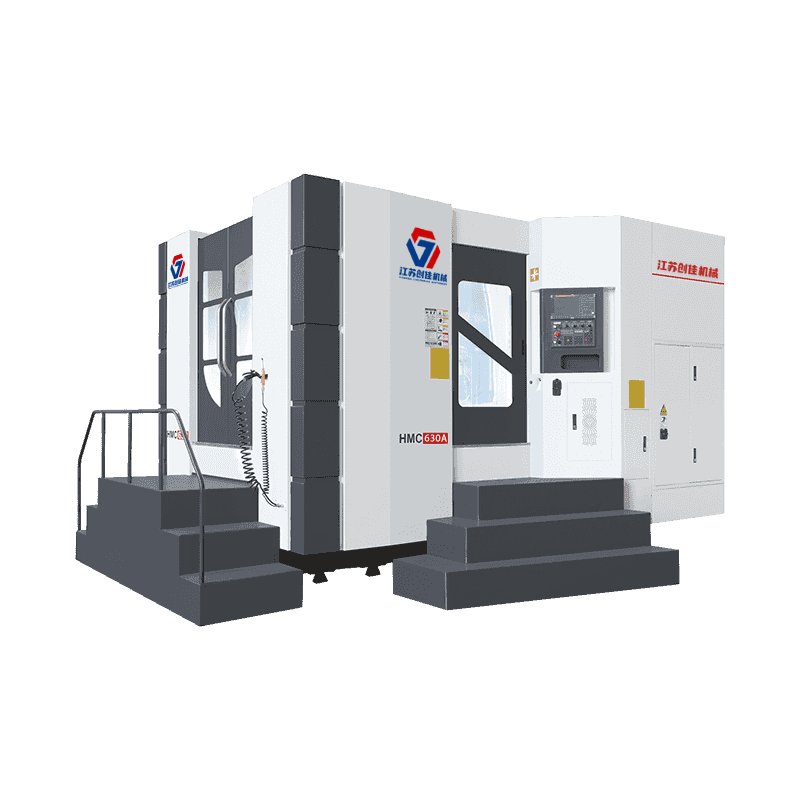
The bed adopts a positive T structure layout, the table moves back and forth (Z axis), the headstock moves up and down (Y axis) and the column moves l...
See Details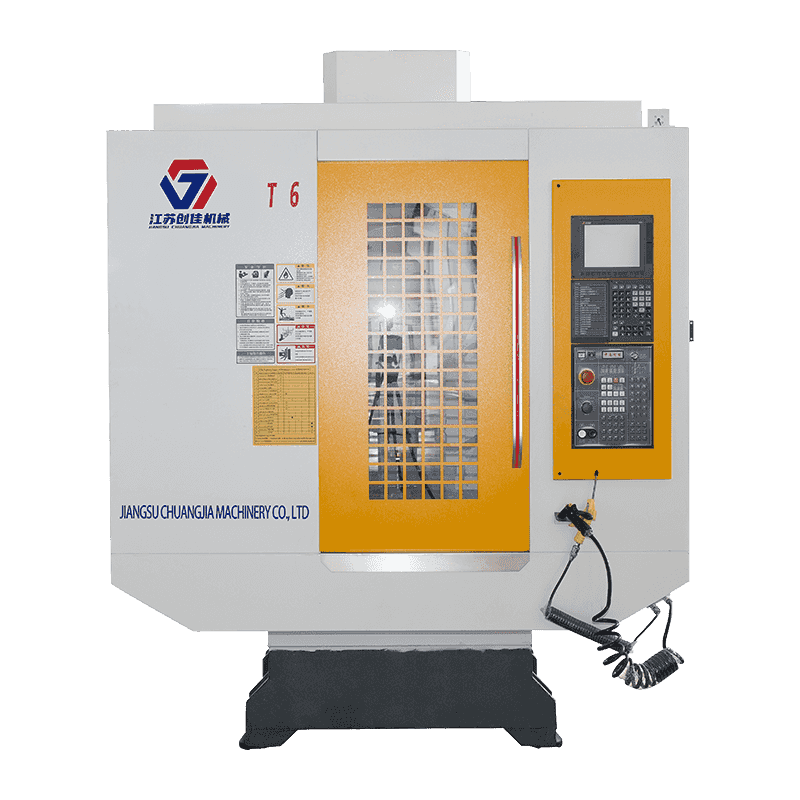
Drilling and tapping center ZN-T6 has easy operability, high reliability, ultra-high cost performance, mainly used in general industry, hardware, medi...
See Details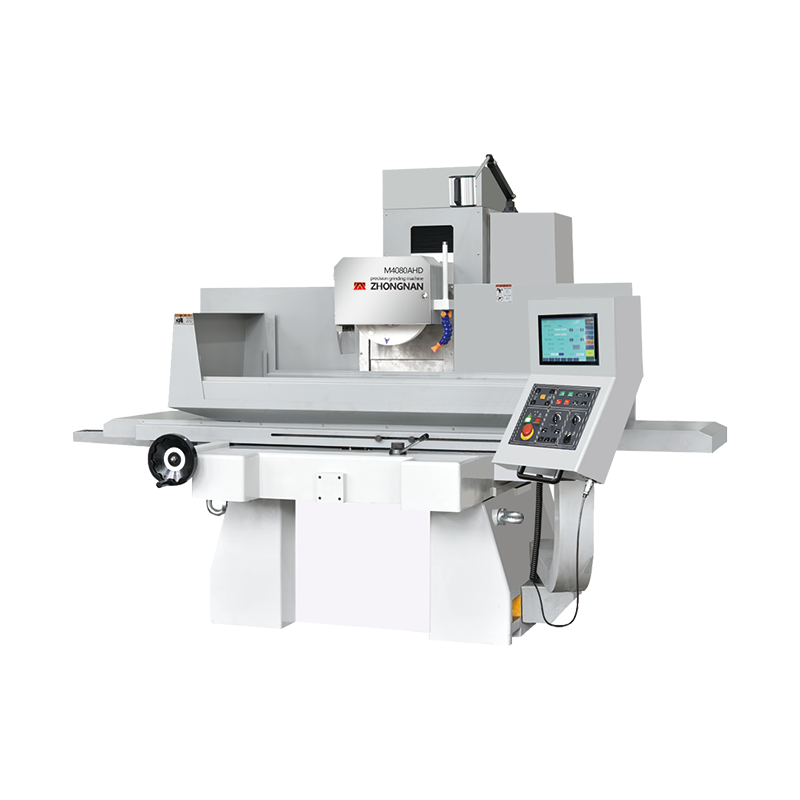
High precision/High speed/easy to operate CNC surface grinding machine X axis hydraulic /YZ axis servo/CNC system. Cross slide structure, double V rai...
See Details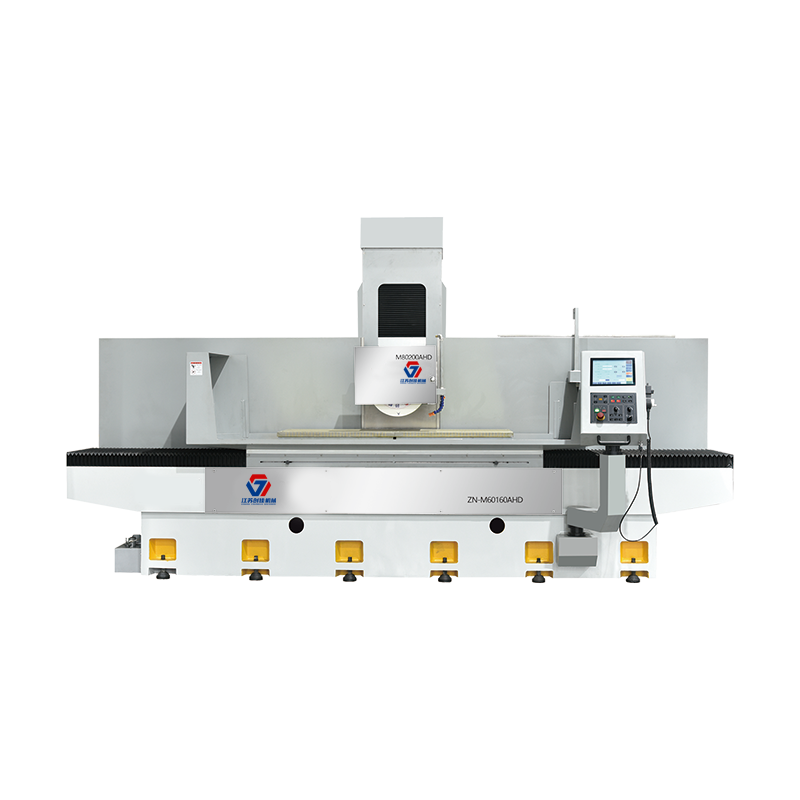
The machine tool is mainly suitable for the precision grinding of various metal materials, such as plane, step and specific shape, and is widely used ...
See Details
The machine tool is mainly suitable for the precision grinding of various metal materials, such as plane, step and specific shape, and is widely used ...
See Details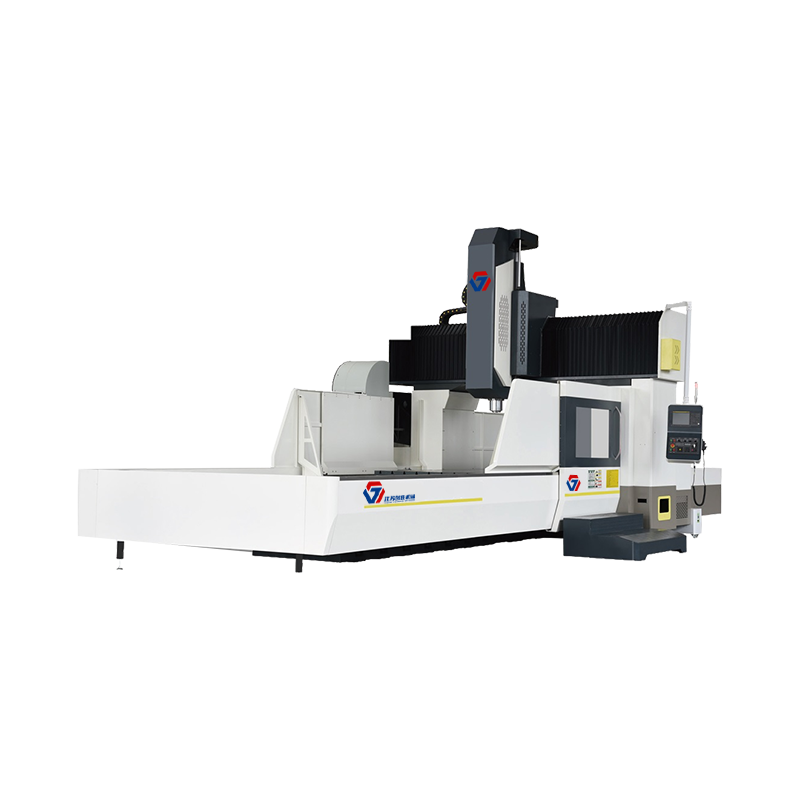
The machine adopts the structure form of fixed gantry frame and moving table on the bed. Beam column integrated design, has the characteristics of hig...
See Details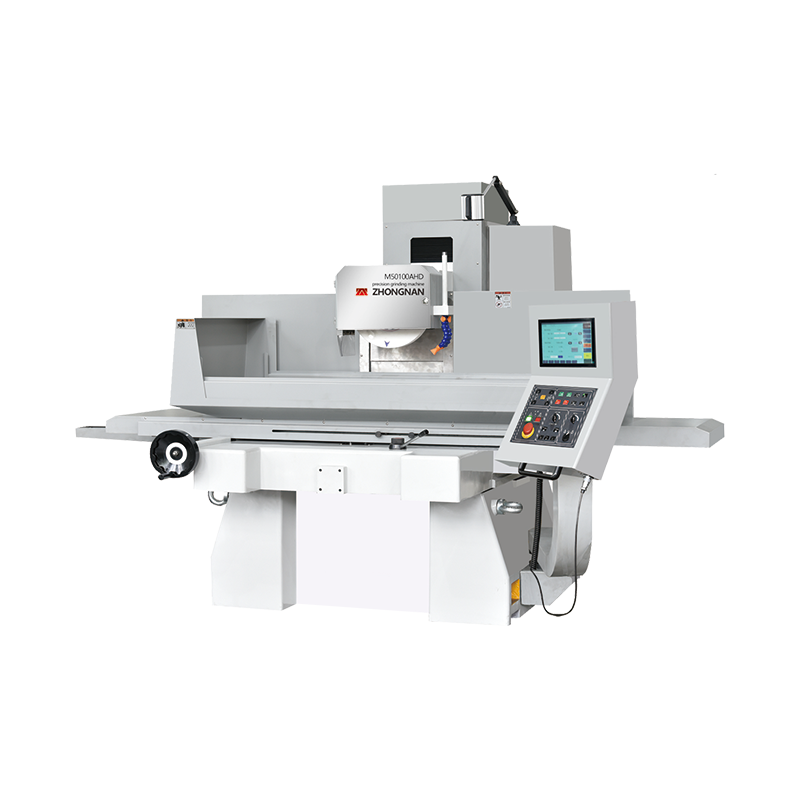
High precision/High speed/easy to operate CNC surface grinding machine X axis hydraulic /YZ axis servo/CNC system. Cross slide structure, double V rai...
See Details
All rights reserved Jiangsu Chuangjia Machinery Co., LTD.
