
 Search products
 en
en 简体中文
简体中文 русский
 Español
ZN-V1160 Vertical Machining Center
Cat:Vertical Machining Center
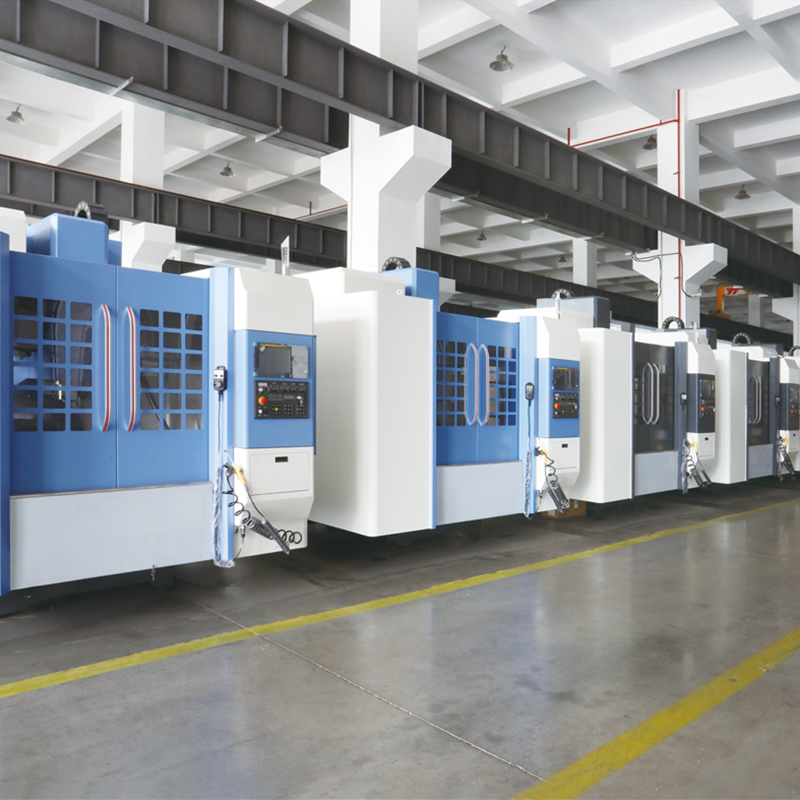
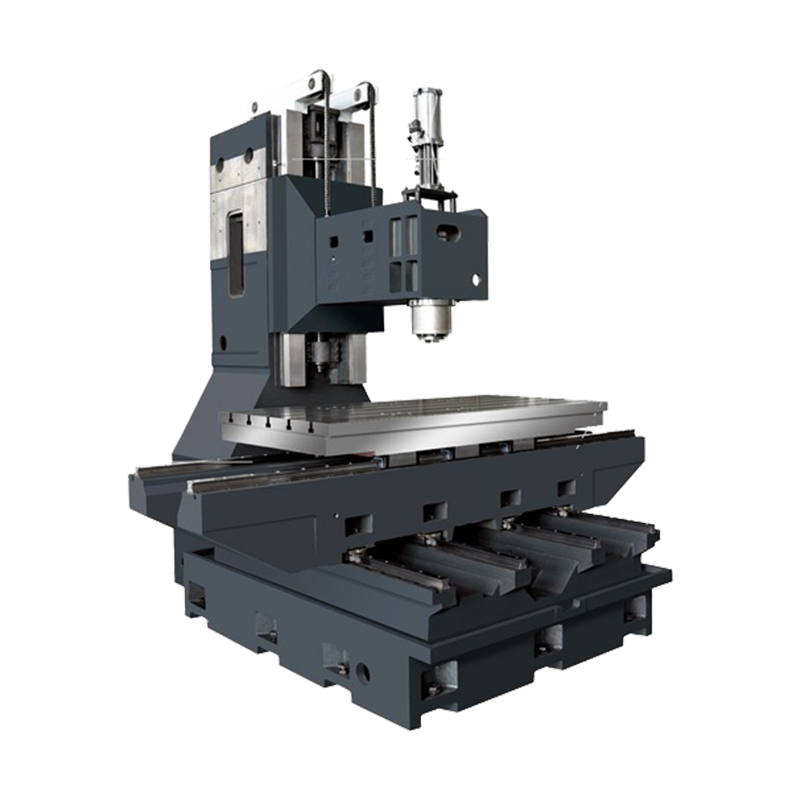
This series of machining center is fixed in A-shape single column, mobile structure of workbench, high rigidity of basic parts, lightweight of moving ...
See DetailsWhether a vertical machining center becomes a reliable profit centre or just an expensive spindle carrier depends on where it is put to work. The machine itself is neutral; the application gives it purpose. CNC vertical machining centers are now common in mold and die, automotive, aerospace, new energy, and precision engineering—but each of these fields pushes the spindle, the toolchanger, and the worktable in a different direction.
Many buyers compare travel, spindle speed, and price first, and decide the workload afterwards. For a vertical machining center, that order usually produces either an over-specified machine or one that never quite fits its main task. The better sequence is to define the part family, study the dominant cutting conditions, and from there choose the spindle range, damping requirements, table size, chip management, and magazine capacity.
The vertical spindle layout works well for medium-size prismatic parts with multiple features: milled faces, drilled patterns, tapped holes, and formed contours. Because gravity pulls the chip away from the tool, guarding and chip conveyance are simpler than on a horizontal spindle. The real question is whether the machine specification matches the production rhythm of the workshop. Batching patterns, tool variety per order, and the type of material all influence that decision more than a single performance number on a brochure.
After working with hundreds of machining shops, one distinction outweighs every brochure spec: buyers who start with a part drawing stay calm; buyers who start with a spindle curve end up rationalizing a compromise.
Mold and die work remains one of the strongest application fields for vertical machining centers. Injection molds, die-casting dies, stamping tools, and electrodes share geometry that favours a vertical spindle: deep ribs, sharp corners, and contoured surfaces that demand smooth interpolation and high repeatability. In this environment the machine rarely runs at maximum metal removal; the workload is about holding accuracy through long, semi-unattended cycles and repeated shallow passes.
Many mold shops work to finishing tolerances around ±0.005–0.01 mm and expect deviation to stay stable as the machine warms up. That is why casting rigidity, high-precision ball screws, and thermal behaviour are better predictors of performance than maximum spindle speed. When the machine lacks these characteristics, the symptoms appear as shadow lines, waviness, and inconsistent edge definition in hardened tool steel.
Typical mold applications on a VMC include:
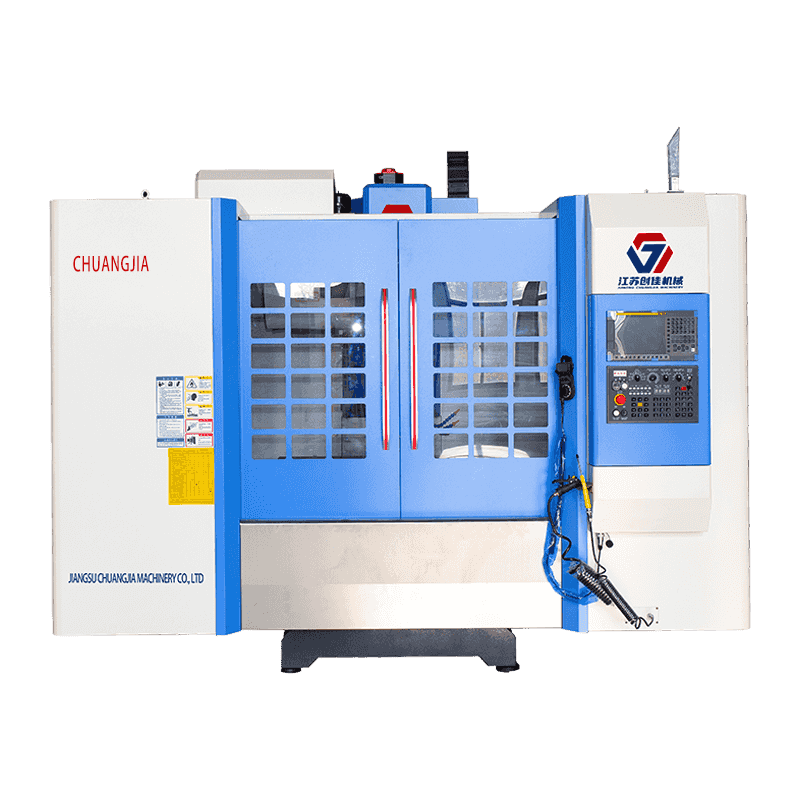
 ZN-L1165 Vertical Machining Center for Flexible Automotive MachiningThis vertical machining center suits prototypes and small-to-mid series parts like brake calipers and control arms. Its rigid structure and fast spindle support mixed cutting, drilling, and tapping common in automotive production.View Product →
| Application | Typical material | Key machine focus |
|---|---|---|
| Plastic mold cavity | P20, S136, NAK80 | Smooth contouring, thermal stability |
| Die-casting die | H13 types | Rigidity, vibration damping |
| Stamping tool | Hardened tool steel | Wear resistance, repeatable positioning |
| Electrode | Graphite, copper | Dust protection, clean spindle |
Automotive production is often associated with dedicated transfer lines; in practice, a large share of machining happens flexibly. A vertical machining center is a standard answer for prototypes, trial batches, and small-to-mid series parts that do not justify a dedicated line. Brake calipers, steering knuckles, control arms, valve bodies, transmission housings, and electric motor housings are typical workpieces.
The dominant cutting condition in the automotive field is mixed: intermittent cuts in cast iron or aluminium plus frequent drilling, tapping, and slotting. That combination puts pressure on spindle acceleration, rigid tapping accuracy, and chip flushing. Cycle time is the main economic driver, so acceleration and tool-change speed matter more than absolute spindle power.
On the electric vehicle side, the same vertical platform machines motor end caps, inverter housings, bus bars, and water-cooling plates. These parts change between short aluminium blocks and long, shallow plates in one setup, so a rigid worktable with flexible clamping becomes essential.
Aerospace is often linked with large five-axis gantry machines, but a large share of aircraft manufacturing involves detail parts: brackets, fittings, floor plates, spacer blocks, and structural elements that fit comfortably on a vertical machining center table. Batch sizes are moderate, material cost is high, and dimensional traceability is essential—so machining reliability tends to outweigh pure speed.
Thin-walled geometries are the most distinctive challenge. The workpiece deflects under cutting pressure, which creates thickness variation and chatter. A VMC helps when it can accept vacuum fixtures and auxiliary support from below, and when the spindle offers stable low-speed torque for finishing passes. Aluminium alloys also produce long, stringy chips that must be broken and evacuated, otherwise surface quality and tool life both drop.
The new energy sector has expanded the vertical machining center application map significantly. Battery trays, module end plates, bus bars, liquid-cooling plates, charging posts, and controller housings belong to a family of large, flat aluminium parts that a vertical platform can process efficiently.
Aluminium alloy and copper dominate this material flow. Both are softer than steel but sticky, so chip control and surface cleanliness become critical. In battery-related parts, metal debris is a serious quality risk. The machine needs strong coolant flow, well-designed chip screws, and easy access to the work zone for cleaning.
Worktable size and load capacity become decisive when parts are long and thin. A table in the 1,200–1,500 mm range allows two or three components to be clamped in a single setup, which shortens idle time and keeps quality consistent from one workpiece to the next.
 ZN-L1580 Vertical Machining Center for Brittle Material MachiningWith a longer worktable and rigid construction, this center is suitable for machining sapphire, ceramics, and composites. It maintains stability at lower speeds to control shallow cuts and avoid edge chipping.View Product →
Beyond the main fields, manufacturers increasingly use vertical machining centers for less obvious applications. Sapphire, ceramic, carbon-fibre composites, and other brittle materials are machined on a vertical platform with diamond-coated tooling and sealed spindles that protect the bearings from abrasive dust. The machine must stay rigid at lower rpm, because brittle materials need shallow depths of cut and controlled feeds to avoid edge chipping.
General precision engineering remains the broadest application field: pumps, valves, gearboxes, flanges, jigs, fixtures, and one-off replacement parts. For a job shop, one VMC can serve five different industries in a single week. That flexibility depends on three features: an automatic tool changer with enough capacity, a workholding system that can be reconfigured quickly, and a control that makes probing and tool-setting routines straightforward.
Once the application field is clear, the selection process becomes simpler. The table below summarises the typical machine priorities that different industries place on the same vertical platform.
| Application field | Spindle speed range | Key machine priority |
|---|---|---|
| Mold and die | 8,000–12,000 rpm | Contouring accuracy, rigidity, thermal stability |
| Automotive parts | 12,000–15,000 rpm | Fast ATC, quick acceleration, rigid tapping |
| Aerospace details | 10,000–15,000 rpm | Five-axis option, coolant management |
| New energy | 10,000–15,000 rpm | Chip evacuation, large table capacity |
| Job shops / general | 10,000–12,000 rpm | Flexibility, rapid setup, reliable ATC |
There is also a structural choice between vertical and horizontal machining. For prismatic parts that need work on several faces, a horizontal machine presents a fresh face with each index, which is why volume manufacturers often prefer it. For single-face work, deep pockets, and frequent changeovers, the accessibility and compact footprint of a vertical machine are usually the better trade-off. The horizontal vs. vertical machining center comparison explains the difference in daily operating terms.
The application fields of a CNC vertical machining center are not a marketing list; they are a checklist of expectations. The machine must absorb the cutting forces, hold the tolerance, evacuate the chips, and match the batch size your workshop actually faces. By starting with the application, you let the machine design work for you. When the VMC is chosen this way it becomes one of the most versatile, dependable pieces of equipment in the plant.
This series of machining center is fixed in A-shape single column, mobile structure of workbench, high rigidity of basic parts, lightweight of moving ...
See Details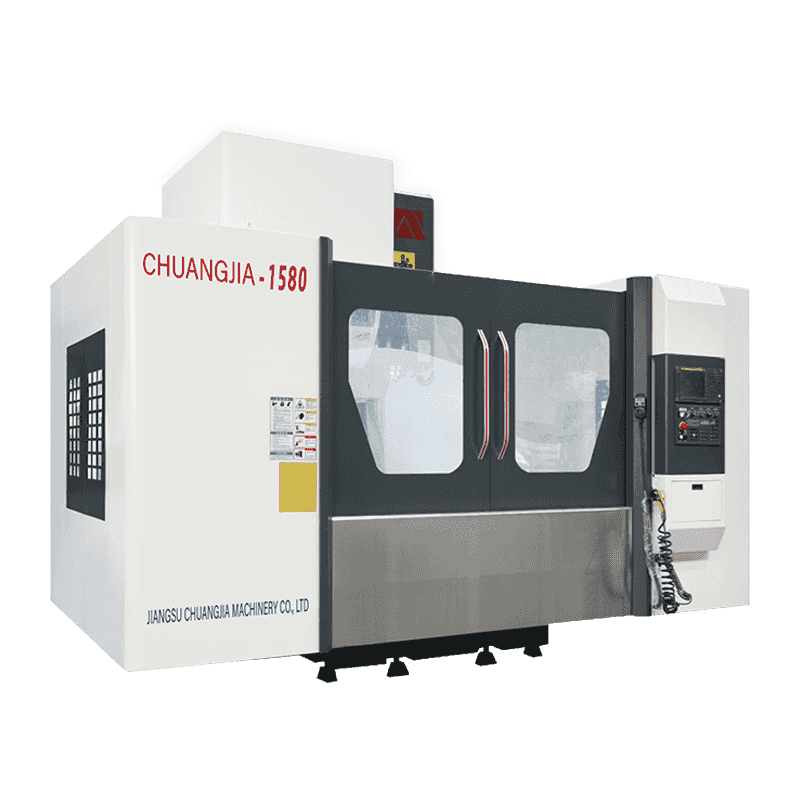
This series of machining center is fixed in A-shape single column, mobile structure of workbench, high rigidity of basic parts, lightweight of moving ...
See Details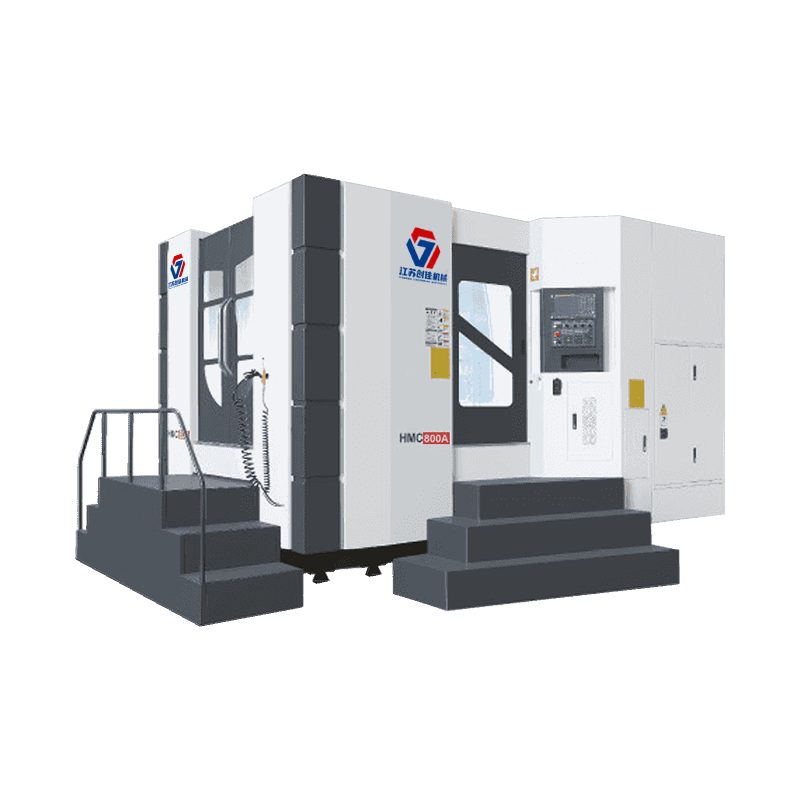
The bed adopts a positive T structure layout, the table moves back and forth (Z axis), the headstock moves up and down (Y axis) and the column moves l...
See Details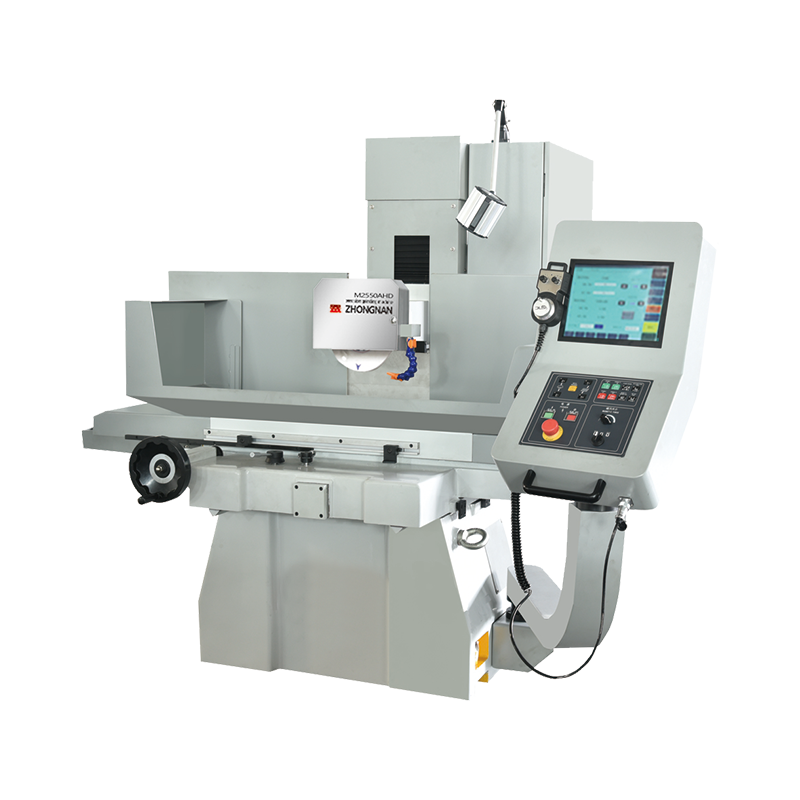
High precision/High speed/easy to operate CNC surface grinding machine X axis hydraulic /YZ axis servo/CNC system. Cross slide structure, double V rai...
See Details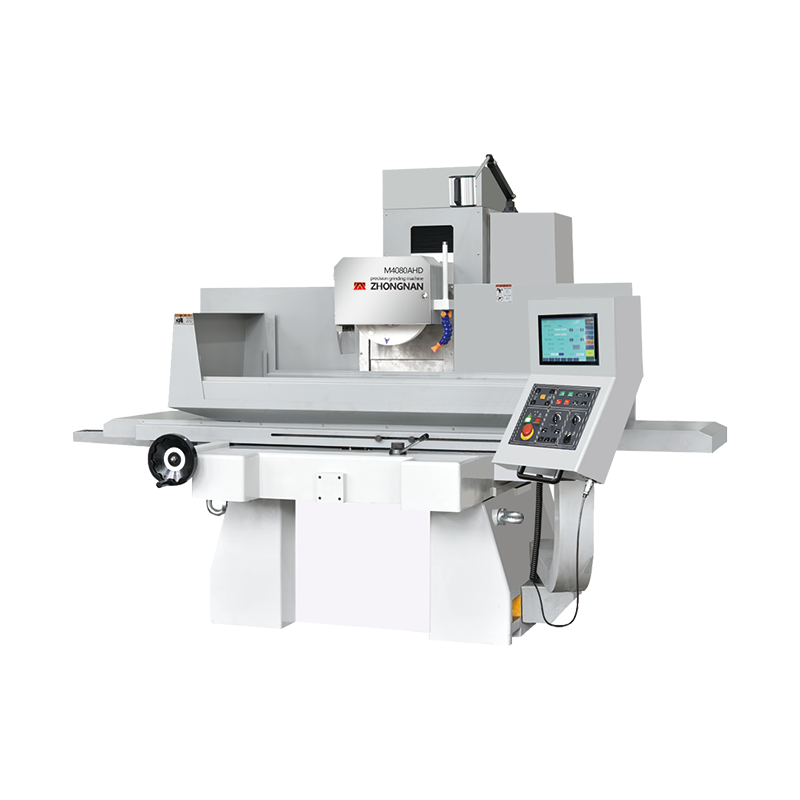
High precision/High speed/easy to operate CNC surface grinding machine X axis hydraulic /YZ axis servo/CNC system. Cross slide structure, double V rai...
See Details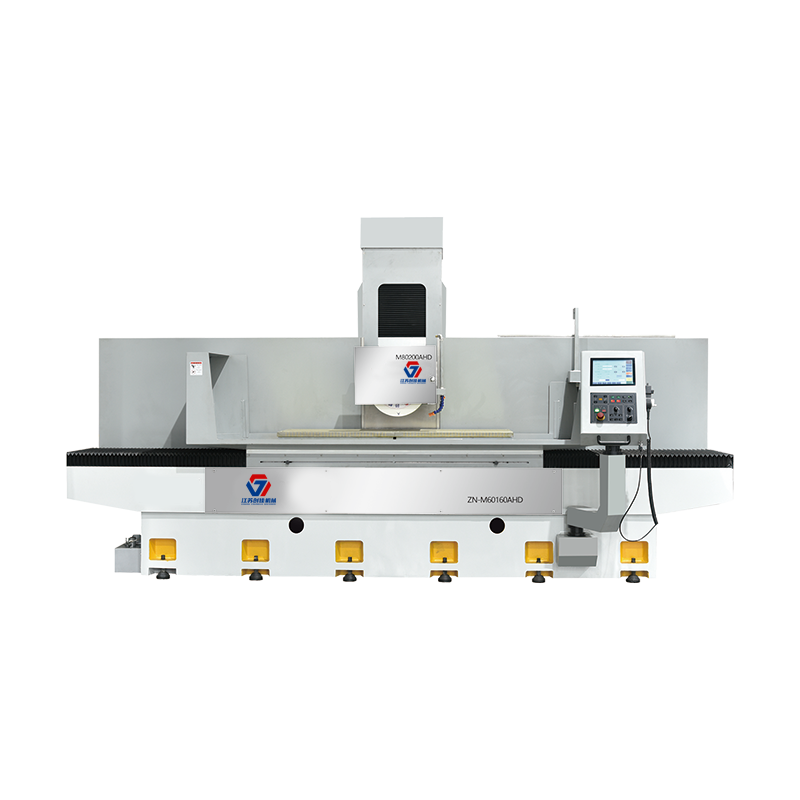
The machine tool is mainly suitable for the precision grinding of various metal materials, such as plane, step and specific shape, and is widely used ...
See Details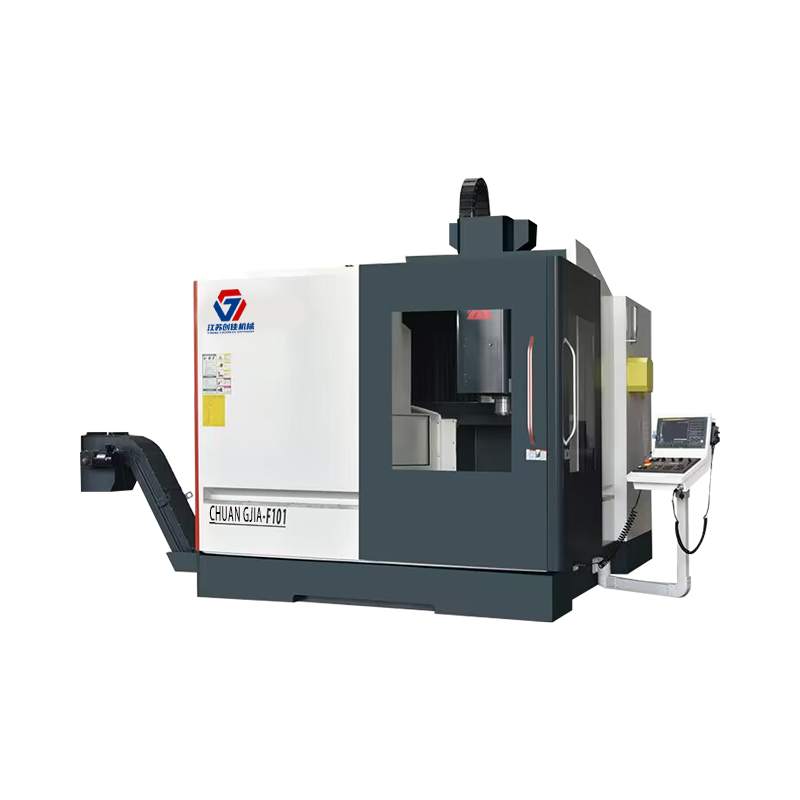
The three-axis support surface of this series of gantry machining center adopts heavy-duty roller linear guide, which is easy to maintain, low frictio...
See Details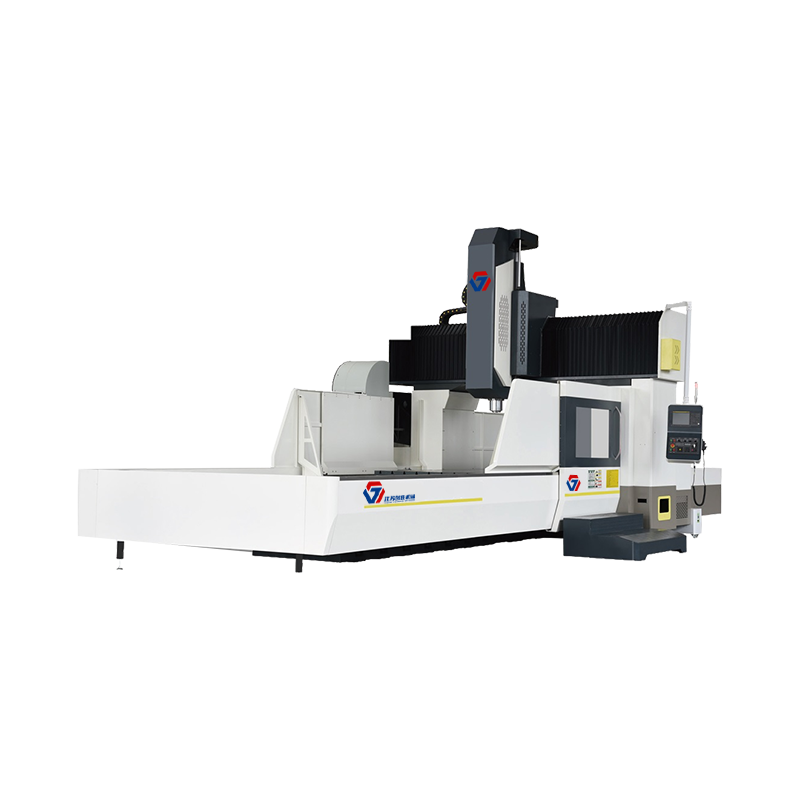
The machine adopts the structure form of fixed gantry frame and moving table on the bed. Beam column integrated design, has the characteristics of hig...
See Details
All rights reserved Jiangsu Chuangjia Machinery Co., LTD.
