
 Search products
 en
en 简体中文
简体中文 русский
 Español
ZN-V850 Vertical Machining Center
Cat:Vertical Machining Center
This series of machining center is fixed in A-shape single column, mobile structure of workbench, high rigidity of basic parts, lightweight of moving ...
See DetailsWhen a customer tightens the tolerance, specifies a harder material, or doubles the order quantity, the machine tool becomes the limiting factor. The VMC-850L CNC double column vertical machining center is built for that situation, combining the speed and simplicity of a vertical spindle with the rigidity of a twin-column frame.
This article looks at the practical applications where this machine class earns its value, the production capabilities that matter most, and the selection considerations that separate a good investment from an expensive mistake.
A conventional vertical machining center supports the spindle head on a single column behind the worktable. The layout is efficient on the floor, but the head is effectively a cantilever. When the cutter takes a heavy cut in steel, or the tool reaches deep into a cavity, the column flexes. That flex shows up as chatter, tapered walls, or shortened tool life.
The double-column VMC-850L removes that weak point. Two columns support a cross beam, and the spindle carriage rides along the beam. Cutting forces are absorbed by a closed, symmetrical frame instead of a single-sided column. The practical result is not a different kind of machining; it is the same machining done with greater stability. That stability shows in three measurable ways: better surface finish, longer tool life, and more consistent dimensions across long production runs.
Rigidity is not a number on a data sheet. It is the difference between a part that is within tolerance at the start of the shift and a part that is still within tolerance at the end of it.
For shops that eventually need to move beyond an 850-class work envelope, the same double-column architecture scales into gantry platforms with much longer travels. The programming principles and workholding habits carry over, which shortens the learning curve when the next machine arrives.
The applications below are the ones that most often expose the limits of a single-column VMC and make the double-column layout a worthwhile investment.
Mold cavities combine deep reach, hardened materials, and surface finish requirements that leave no room for vibration. A finishing pass on a cavity wall is only as good as the structural stability behind the spindle. During roughing, the double-column frame keeps the tool engaged without bouncing off the workpiece, so the finishing pass sees uniform stock and produces a consistent surface.
Mold work also benefits from an automatic tool changer. A typical job uses a roughing end mill, a finishing ball nose cutter, several drills, and possibly a thread mill in a single setup. A tool magazine with enough capacity lets the machine complete the whole sequence without an operator standing by.
Automotive machining is less about one dramatic operation and more about repeating the same cycle thousands of times. Engine blocks, transmission housings, steering knuckles, and electric vehicle battery trays share common features: large flat faces, multiple drilled and tapped holes, and close positional tolerances that must hold from the first part of the shift to the last.
The double-column VMC-850L handles those cycles with a stable table and a spindle that holds its position over extended runtime. The widened Y-axis travel, a natural consequence of the two-column layout, also makes it possible to position larger dies and housings in a single setup.
The new energy sector has created demand for parts that were rare a decade ago: motor housings, battery pack frames, solar tracker supports, and wind turbine components. These parts are often large, thin-walled, and cast or extruded in aluminum alloys. They demand high material removal rates while resisting deformation.
Because the double-column structure is stiff, the spindle can maintain high removal rates without generating the kind of local heat that distorts thin sections. That matters especially in light-alloy frames, where managing both the cut and the heat is the real production problem.
Outside the vertical markets, there is the everyday work of job shops and contract manufacturers: valve bodies, pump housings, hydraulic manifolds, gearboxes, and aerospace brackets. These parts arrive without a warning label. The material might be an unfamiliar stainless grade, the drawing might call for an interrupted cut, and the delivery date might be tomorrow.
For that mix, the double-column VMC acts as an insurance policy. The extra rigidity lets a shop accept work that a lighter machine would struggle with, without turning away customers or renegotiating tolerances.
When comparing machine options, it helps to connect each application demand to the machine characteristic that satisfies it. The table below summarizes the relationships that matter most.
| Application | Critical requirement | Double-column advantage |
|---|---|---|
| Mold and die | Vibration-free finishing in hardened steel | Closed frame suppresses chatter |
| Automotive | Repetitive accuracy at high utilization | Thermal stability over long cycles |
| New energy | Large travels and heavy table loads | Two-column support with wide Y-axis |
| Precision parts | Multi-process flexibility | ATC and rigid tapping as standard options |
None of these capabilities is exclusive to one machine size. The same architecture scales to larger gantry models, which means a shop that starts with an 850-class double-column VMC can move up without changing its fundamental approach to programming or workholding.
Before committing to any machining center, run your current and projected workpiece list against four checks.
For shops that want a proven 850-class vertical machining center with a high-speed spindle, the ZNV850 within the same product family is a natural reference point for comparison.
The purchase decision is only half of the project. A double-column machine also changes the physical requirements on the shop floor.
The VMC-850L CNC double column vertical machining center is not a niche machine. It serves the work that every contract manufacturer wants: mold components, automotive housings, new energy parts, and precision mechanical pieces. The double-column design delivers the rigidity to hold tolerances that a conventional VMC would lose, while the familiar vertical spindle keeps programming and operation straightforward.
The specification sheet tells you what the machine can do. The application, the material, and the tolerance tell you whether it will make money. The VMC-850L is best evaluated not in isolation, but against the parts on your floor today and the quotes you plan to submit next quarter.
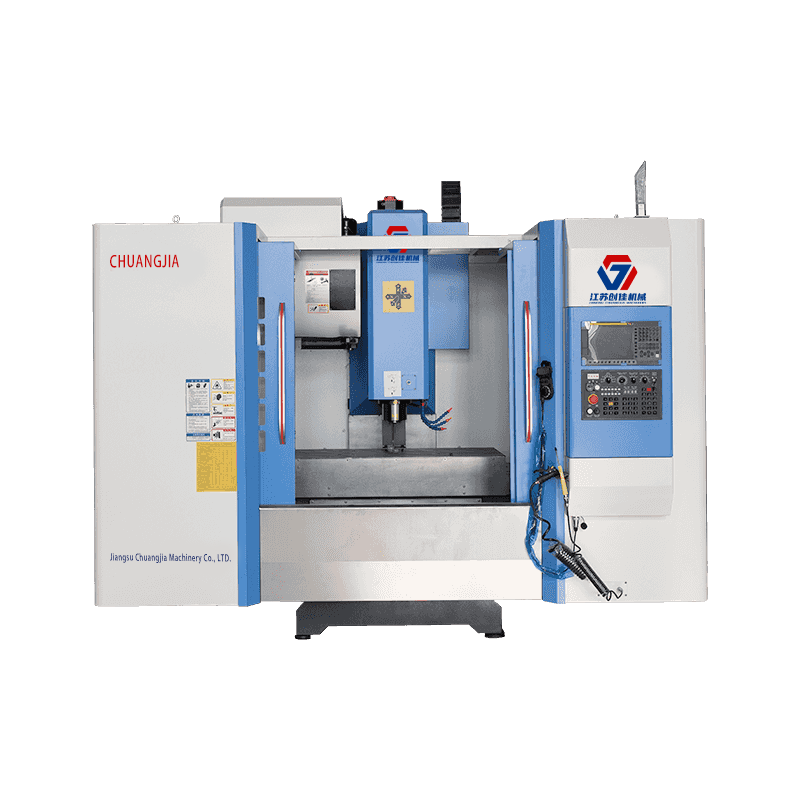
This series of machining center is fixed in A-shape single column, mobile structure of workbench, high rigidity of basic parts, lightweight of moving ...
See Details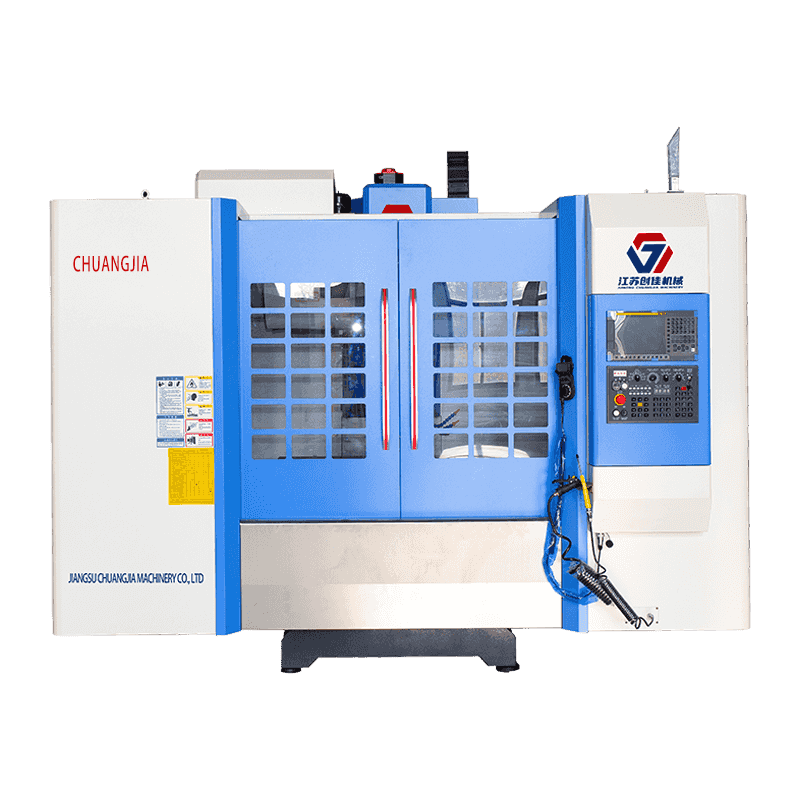
This series of machining center is fixed in A-shape single column, mobile structure of workbench, high rigidity of basic parts, lightweight of moving ...
See Details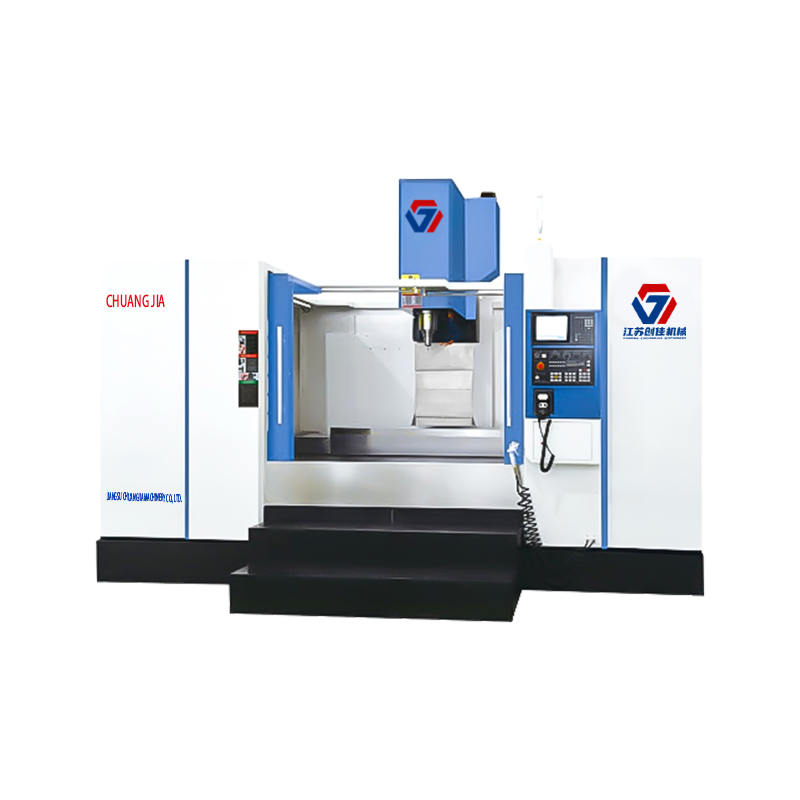
This series of machining center is fixed in A-shape single column, mobile structure of workbench, high rigidity of basic parts, lightweight of moving ...
See Details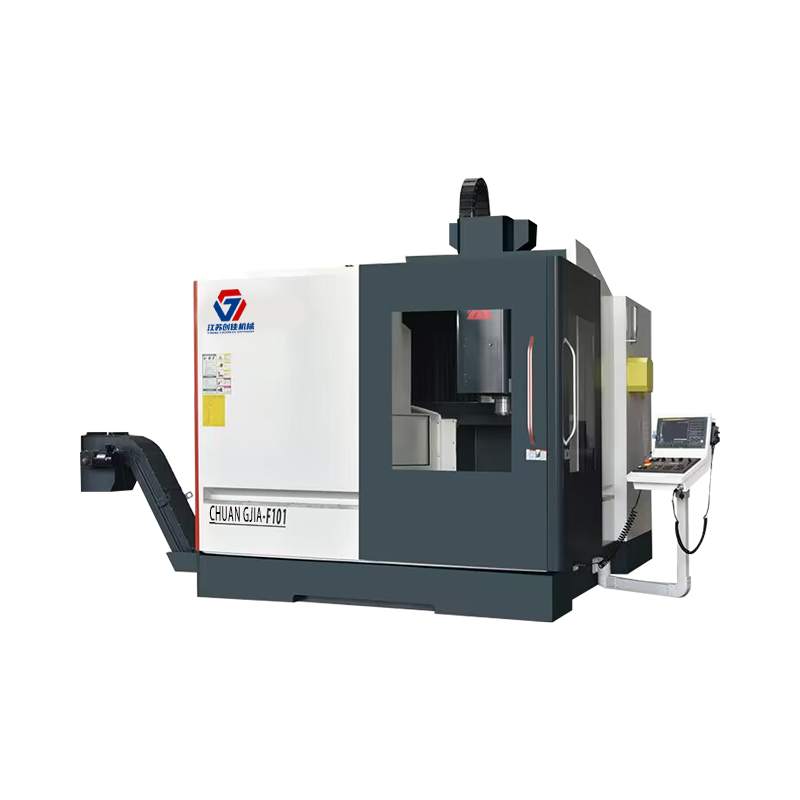
The three-axis support surface of this series of gantry machining center adopts heavy-duty roller linear guide, which is easy to maintain, low frictio...
See Details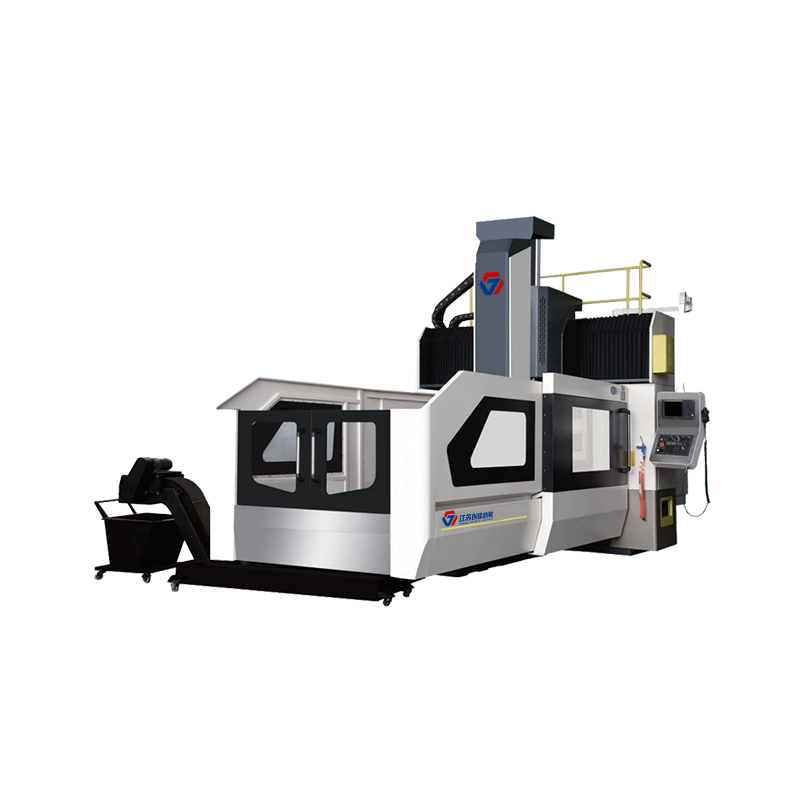
The three-axis support surface of this series of gantry machining center adopts heavy-duty roller linear guide, which is easy to maintain, low frictio...
See Details
The machine adopts the structure form of fixed gantry frame and moving table on the bed. Beam column integrated design, has the characteristics of hig...
See Details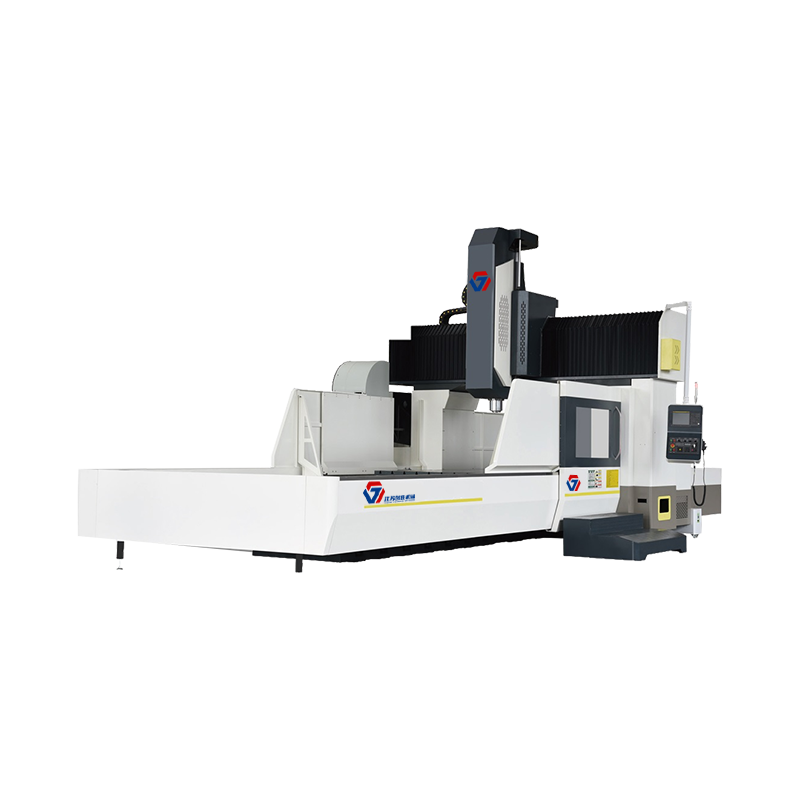
The machine adopts the structure form of fixed gantry frame and moving table on the bed. Beam column integrated design, has the characteristics of hig...
See Details
The machine adopts the structure form of fixed gantry frame and moving table on the bed. Beam column integrated design, has the characteristics of hig...
See Details
All rights reserved Jiangsu Chuangjia Machinery Co., LTD.
