
 Search products
 en
en 简体中文
简体中文 русский
 Español
ZN-V855 Vertical Machining Center
Cat:Vertical Machining Center
This series of machining center is fixed in A-shape single column, mobile structure of workbench, high rigidity of basic parts, lightweight of moving ...
See DetailsThe modern CNC Tapping Center can perform reverse tapping and thread milling, and on many advanced models, both operations can be executed within the same machining program without manual intervention. However, whether they occur truly "simultaneously" on the same hole at the same instant depends on the machine's spindle design, control architecture, and tooling setup. In practice, high-end CNC Tapping Centers switch between these operations in seconds using automatic tool changers (ATC), making the process functionally seamless for production environments.
This article breaks down how reverse tapping and thread milling work on a CNC Tapping Center, what hardware and software capabilities are required, and how to evaluate whether a specific machine meets your threading needs.
Reverse tapping — also called back tapping or rigid tapping with reversal — is a threading process where the spindle rotates in one direction to drive the tap into the workpiece, then reverses rotation to retract it cleanly. This is a standard feature on virtually all modern CNC Tapping Centers equipped with rigid tapping functionality.
In rigid tapping mode, the CNC controller synchronizes the spindle's rotational speed (RPM) with the Z-axis feed rate in precise ratio to the tap's thread pitch. For example, tapping an M8×1.25 thread at 1,000 RPM requires a Z-axis feed of exactly 1,250 mm/min. During retraction, the spindle reverses to the same synchronized speed, preventing thread damage and tap breakage.
Key G-codes used for this on common CNC Tapping Center control systems include:
Most CNC Tapping Centers from reputable builders achieve spindle reversal within 0.05 to 0.1 seconds, minimizing cycle time impact during high-volume tapping runs.
Thread milling uses a rotating multi-flute thread mill tool that moves in a helical interpolation path around the bore's inner circumference to cut the thread profile. Unlike tapping, the cutting force is distributed over multiple passes, making it ideal for:
Thread milling on a CNC Tapping Center requires simultaneous 3-axis interpolation (X, Y, and Z axes moving concurrently), which is supported by virtually all modern CNC controllers including Fanuc 0i-MF, Siemens 828D, and Mitsubishi M80. A typical thread milling cycle for an M16×2.0 thread in stainless steel might use a spindle speed of 3,500 RPM with a helical feed rate of 800 mm/min.
Absolutely. A CNC Tapping Center with an automatic tool changer (ATC) can execute reverse tapping on some holes and thread milling on others within a single CNC program. The machine selects the appropriate tool from the magazine and switches operations automatically. On a machine with a 24-tool ATC and a tool change time of under 1.5 seconds (chip-to-chip), this transition is nearly unnoticeable in overall cycle time.
The table below compares the two operations side by side to help clarify when each method is preferred:
| Parameter | Reverse Tapping | Thread Milling |
|---|---|---|
| Thread Size Range | M1 – M24 (typical) | M3 – M100+ |
| Material Hardness | Up to ~40 HRC | Up to 65 HRC |
| Cycle Time per Hole | Fast (2–5 seconds) | Moderate (8–20 seconds) |
| Risk of Tool Breakage | Higher in hard materials | Lower overall |
| Thread Quality | Good – Excellent | Excellent |
| Left-hand Thread Support | Requires dedicated left-hand tap | Same tool, reverse helical path |
| Axis Requirement | Z-axis + spindle sync | X, Y, Z simultaneous |
Not every CNC Tapping Center is equally capable. To reliably execute both reverse tapping and thread milling, the machine should meet the following specifications:
The spindle must support a wide RPM range. Reverse tapping for small taps (M2–M6) may require speeds of 3,000–8,000 RPM, while thread milling for larger threads in steel may only need 1,500–3,500 RPM with higher torque. A spindle with a power rating of at least 7.5 kW and 47 Nm torque covers most production scenarios.
The controller must support both canned tapping cycles (G84, G74) and helical interpolation for thread milling. Controllers such as Fanuc 0i-MF Plus, Siemens 840D sl, and Mitsubishi M80 all natively support these features. Confirm that your specific controller version includes helical interpolation as standard, not as a paid option.
Rigid tapping requires a solid, non-compensating toolholder for maximum synchronization accuracy. Thread milling benefits from high-precision collet chucks (ER series) or hydraulic chucks with runout below 0.003 mm, which directly affects thread quality and surface finish.
For thread milling in deep holes, through-spindle coolant at 40–70 bar is highly recommended to flush chips from the helical path. Inadequate chip evacuation is one of the most common causes of thread milling failure and surface defects.
Consider a hydraulic manifold block made from 316 stainless steel. The part requires:
A CNC Tapping Center with a 32-tool ATC handles all three operations in a single setup, with the controller automatically calling the correct tool and cycle for each feature. Total machining time for all threading operations: approximately 6.5 minutes, compared to over 20 minutes if processed on separate machines. This illustrates the core production advantage of combining both capabilities on a single CNC Tapping Center.
While the capability exists, users should be aware of the following practical constraints when configuring a CNC Tapping Center for both operations:
The well-specified CNC Tapping Center is fully capable of performing reverse tapping and thread milling — either in alternating sequence within the same program or as dedicated operations on different features of the same part. The key is ensuring the machine has rigid tapping synchronization, 3-axis helical interpolation support, a capable CNC controller, and an adequate tool magazine capacity. For manufacturers producing complex parts in hard materials, combining both threading strategies on a single CNC Tapping Center significantly reduces setup time, improves consistency, and lowers overall production costs.
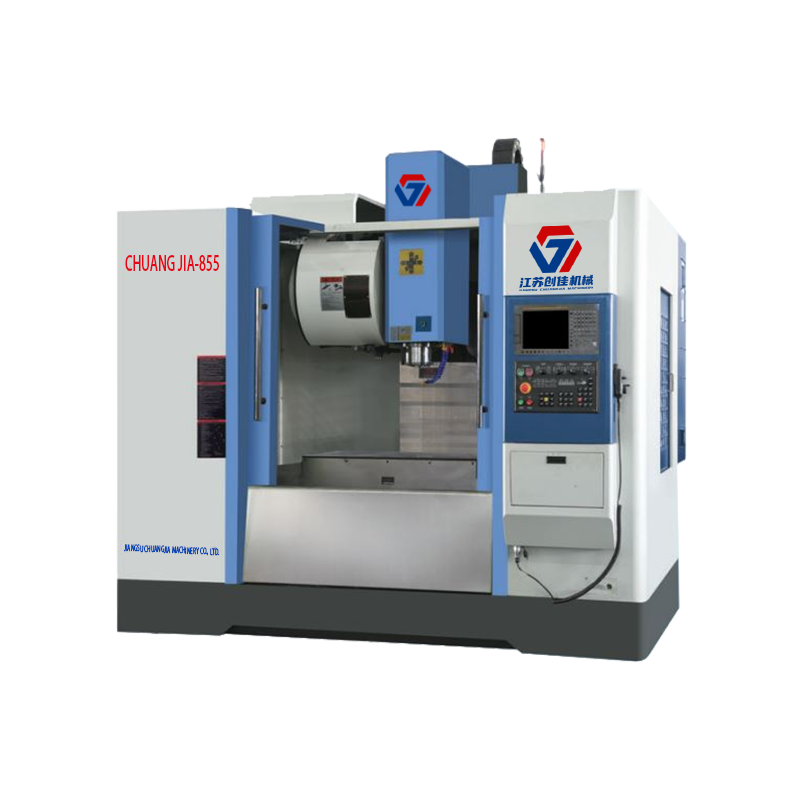
This series of machining center is fixed in A-shape single column, mobile structure of workbench, high rigidity of basic parts, lightweight of moving ...
See Details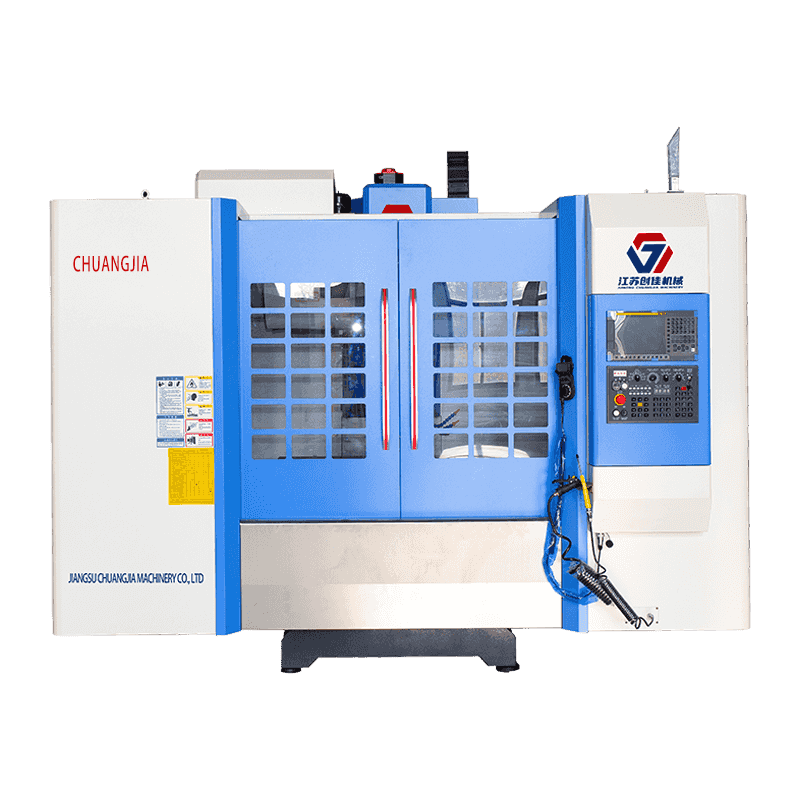
This series of machining center is fixed in A-shape single column, mobile structure of workbench, high rigidity of basic parts, lightweight of moving ...
See Details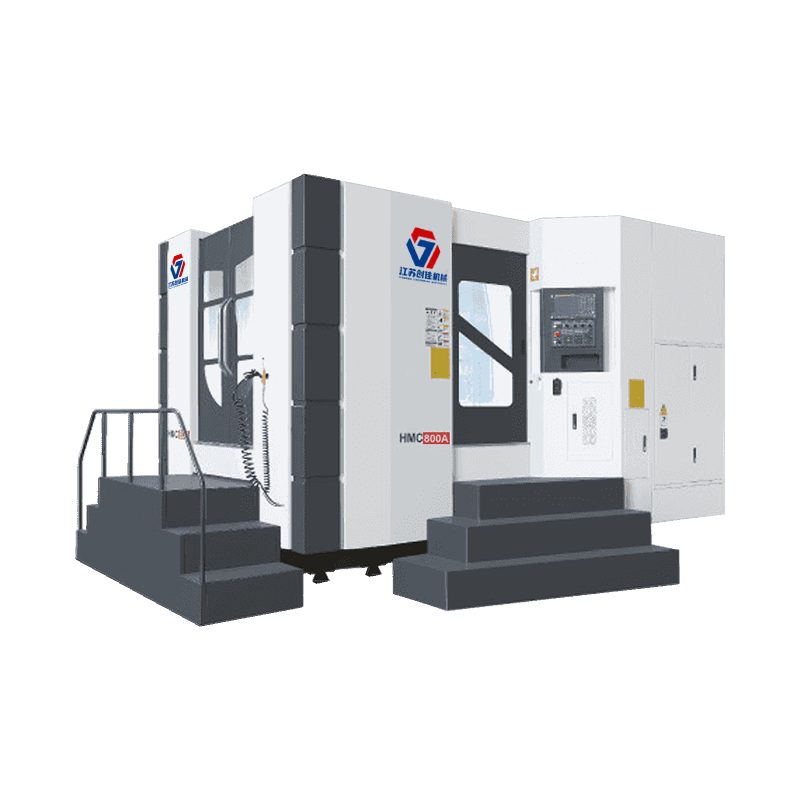
The bed adopts a positive T structure layout, the table moves back and forth (Z axis), the headstock moves up and down (Y axis) and the column moves l...
See Details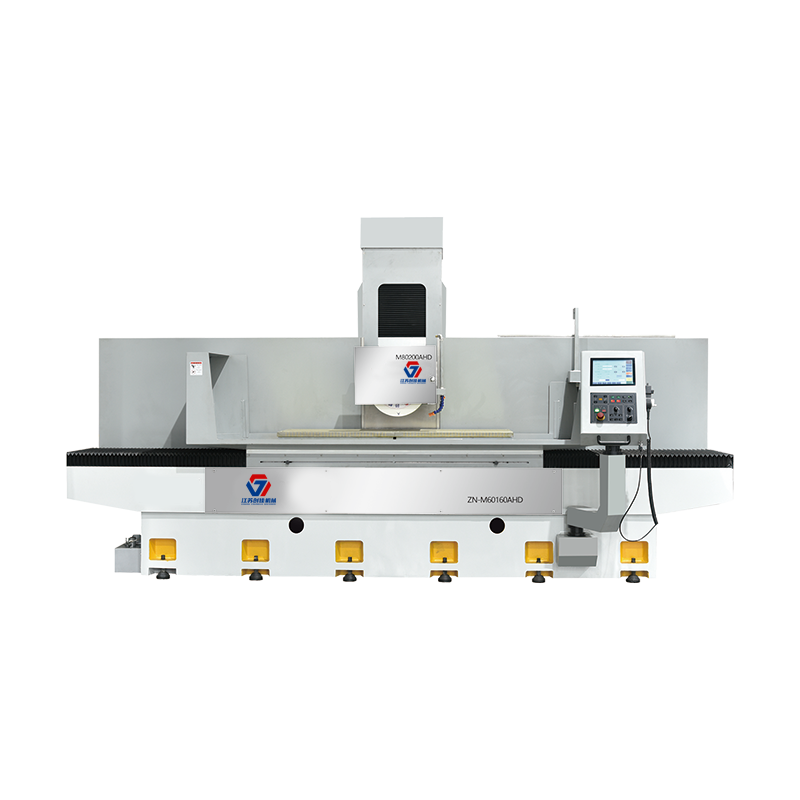
The machine tool is mainly suitable for the precision grinding of various metal materials, such as plane, step and specific shape, and is widely used ...
See Details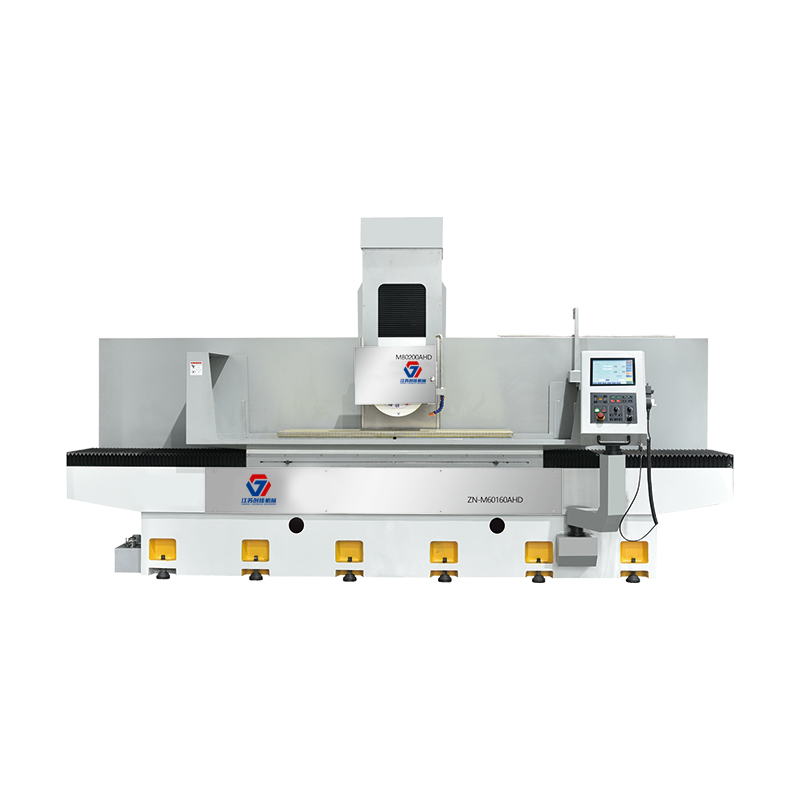
The machine tool is mainly suitable for the precision grinding of various metal materials, such as plane, step and specific shape, and is widely used ...
See Details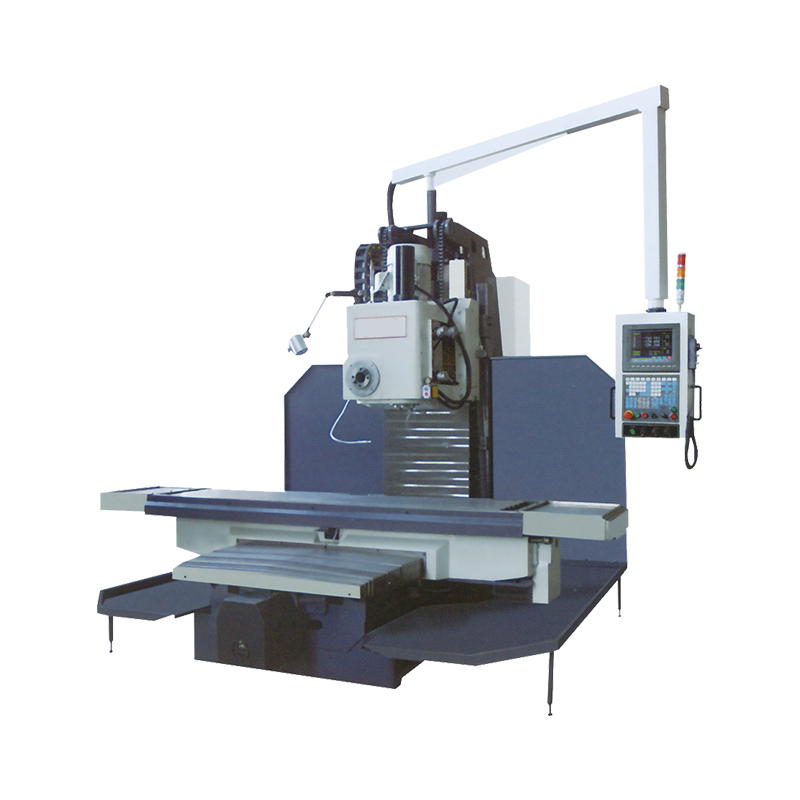
Equipped with one vertical and one horizontal gear headstock, the output torque is large, the cutting force is strong. Once clamping, the upper plane ...
See Details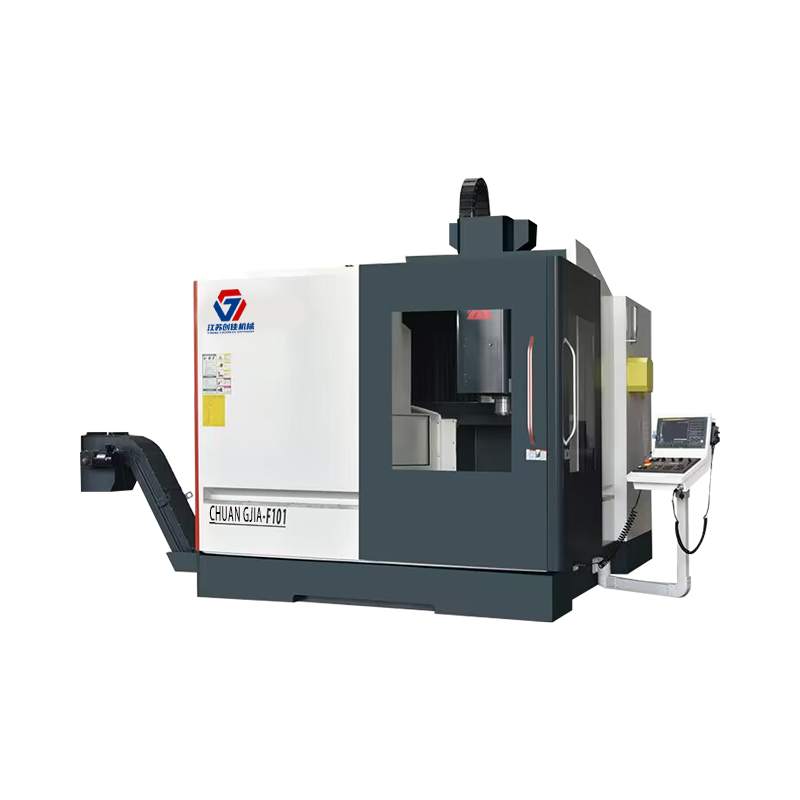
The three-axis support surface of this series of gantry machining center adopts heavy-duty roller linear guide, which is easy to maintain, low frictio...
See Details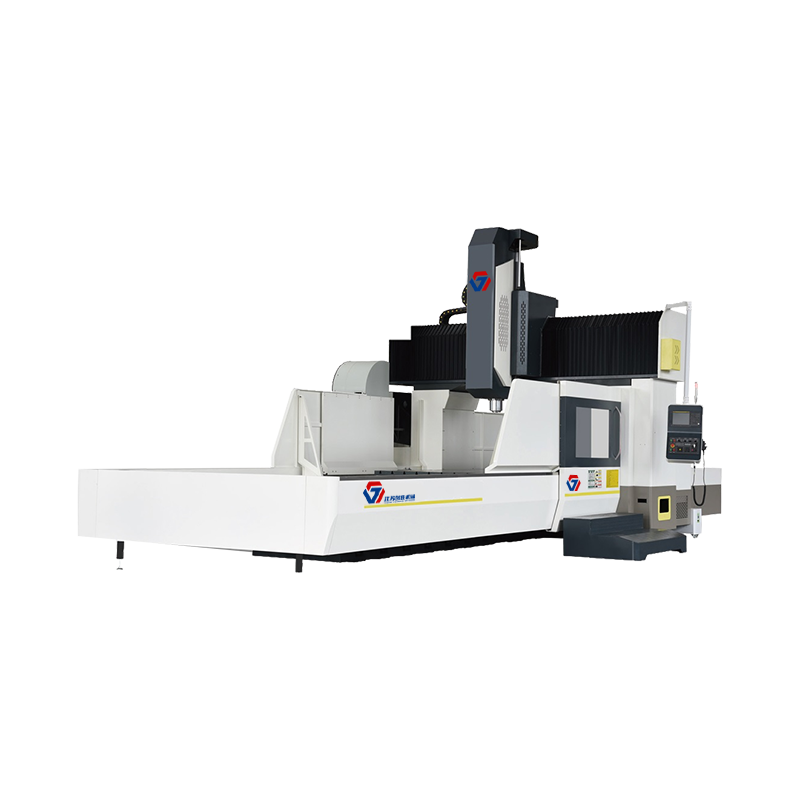
The machine adopts the structure form of fixed gantry frame and moving table on the bed. Beam column integrated design, has the characteristics of hig...
See Details
All rights reserved Jiangsu Chuangjia Machinery Co., LTD.
