
 Search products
 en
en 简体中文
简体中文 русский
 Español
ZN-V855 Vertical Machining Center
Cat:Vertical Machining Center
This series of machining center is fixed in A-shape single column, mobile structure of workbench, high rigidity of basic parts, lightweight of moving ...
See DetailsThe properly specified CNC Milling Machine is fully capable of executing complex 3D contouring and simultaneous multi-axis interpolation, provided it meets the right hardware and control system requirements. However, not every CNC Milling Machine on the market delivers this capability equally. The answer depends on the machine's axis configuration, control unit sophistication, spindle performance, and the CAM software driving it. This article breaks down exactly what you need to know before assuming your machine can handle advanced contouring work.
3D contouring refers to the ability of a CNC Milling Machine to move its cutting tool along a continuously curved path in three-dimensional space — not just in straight lines or simple arcs. This is essential for producing complex sculptured surfaces, mold cavities, turbine blades, aerospace structural components, and medical implants.
In practice, 3D contouring requires the CNC Milling Machine to coordinate movement across at least three axes simultaneously. The control system reads thousands of tiny linear or circular interpolation segments — often as small as 0.001 mm — and executes them in rapid succession to approximate smooth curves. The quality of the surface finish is directly tied to how precisely and quickly the machine can process and execute these micro-movements.
The term "multi-axis interpolation" describes the CNC Milling Machine's ability to move along multiple axes at the same time in a coordinated, mathematically controlled manner. Understanding the differences between axis configurations is critical when evaluating a machine for complex work.
| Axis Configuration | Simultaneous Axes | Typical Applications | Surface Quality |
|---|---|---|---|
| 3-Axis | X, Y, Z | Mold cores, flat-sided parts, general contouring | Good |
| 3+2 Axis (Positional) | X, Y, Z + fixed A/B/C | Multi-face machining, undercuts | Very Good |
| 5-Axis Simultaneous | X, Y, Z, A, B/C simultaneously | Turbine blades, impellers, medical devices | Excellent |
A standard 3-axis CNC Milling Machine can handle a wide range of 3D contouring tasks effectively. However, for parts with deep undercuts, compound-angled features, or extremely tight tolerances on curved surfaces, 5-axis simultaneous interpolation is the industry benchmark. Machines like the DMG Mori DMU 50 or Mazak VARIAXIS series demonstrate how full 5-axis CNC Milling Machines can machine complex aerospace components in a single setup.
The control system is the brain of the CNC Milling Machine, and it plays a decisive role in how well the machine handles complex interpolation tasks. Not all controllers are created equal. Key performance indicators include block processing speed, look-ahead capability, and interpolation algorithm precision.
When a CAM system outputs a 3D toolpath, it generates thousands to millions of small code blocks (G-code lines). The CNC Milling Machine's controller must read and execute each block in real time. Entry-level controllers may process 2,000–4,000 blocks per second, while high-end units such as the Fanuc 31i-B5 or Siemens SINUMERIK 840D SL can process up to 40,000 blocks per second. Slow block processing causes visible surface defects and tool marks.
Modern CNC Milling Machine controllers feature "look-ahead" functions that pre-read upcoming blocks and adjust feed rates smoothly to prevent jerking at direction changes. Fanuc's AI Contour Control (AICC), for example, can look ahead 1,000 blocks or more, while Heidenhain's TNC 640 uses its own Dynamic Precision function. These features are essential when machining sculptured surfaces where hundreds of direction changes occur per second.
Complex 3D contouring on a CNC Milling Machine often involves small-diameter ball-nose end mills working at high speeds to achieve smooth surface finishes. This places specific demands on the spindle and feed system.
Even a technically capable CNC Milling Machine cannot perform complex 3D contouring without a high-quality CAM software generating the toolpath. The CAM system translates 3D CAD geometry into the G-code instructions the machine executes. The sophistication of the toolpath strategy directly affects surface quality, machining time, and tool life.
Commonly used CAM platforms for complex CNC Milling Machine work include:
The post-processor linking the CAM output to your specific CNC Milling Machine control must be verified and correctly configured. An incorrect post-processor can cause axis over-travel errors, incorrect feed rates, or even machine crashes during complex multi-axis interpolation moves.
Understanding where this capability is actually applied helps clarify whether your use case truly requires it. The following industries rely daily on CNC Milling Machines with advanced 3D contouring and multi-axis interpolation:
Before purchasing or deploying a CNC Milling Machine for complex 3D contouring and multi-axis work, verify the following specifications directly with the manufacturer:
A CNC Milling Machine that checks all these boxes is not just capable of 3D contouring — it is optimized for it. Overlooking even one of these factors can result in poor surface quality, excessive cycle times, or costly rework on high-value workpieces.
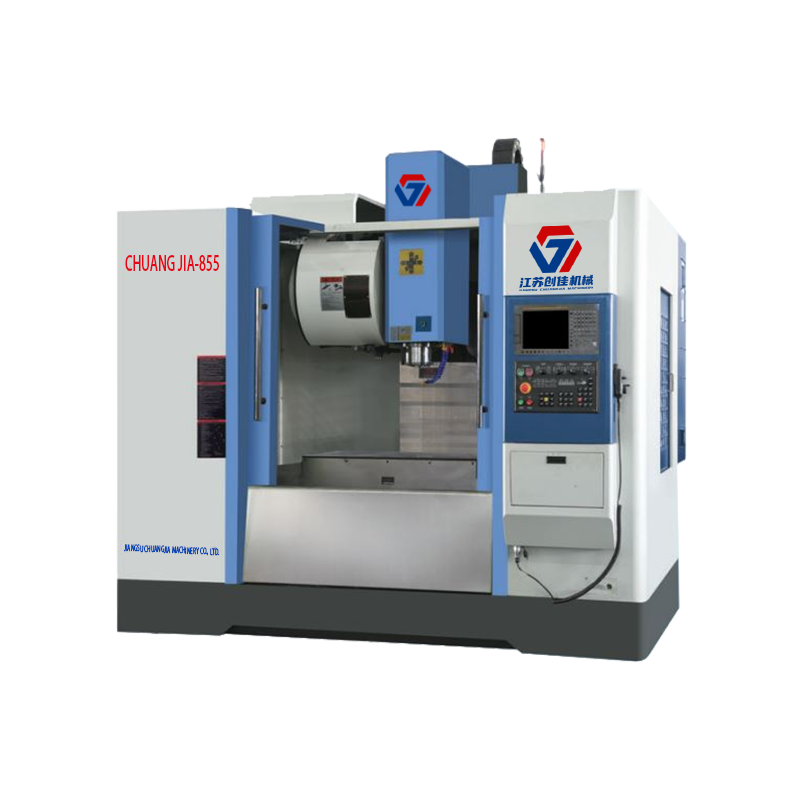
This series of machining center is fixed in A-shape single column, mobile structure of workbench, high rigidity of basic parts, lightweight of moving ...
See Details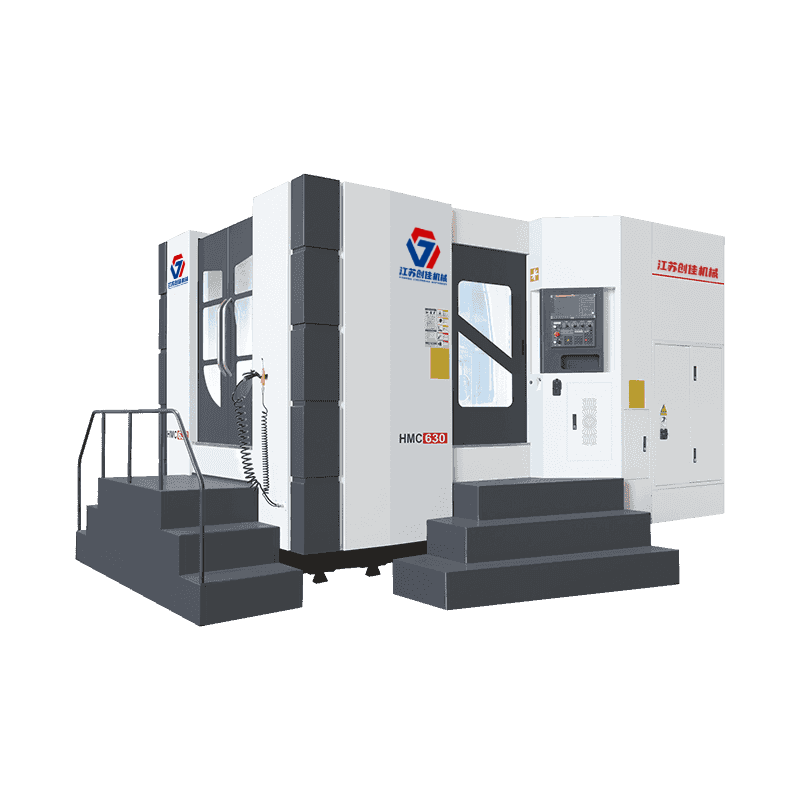
The bed adopts inverted T structure layout, the table moves around (X axis), the headstock moves up and down (Y axis) and the column moves back and fo...
See Details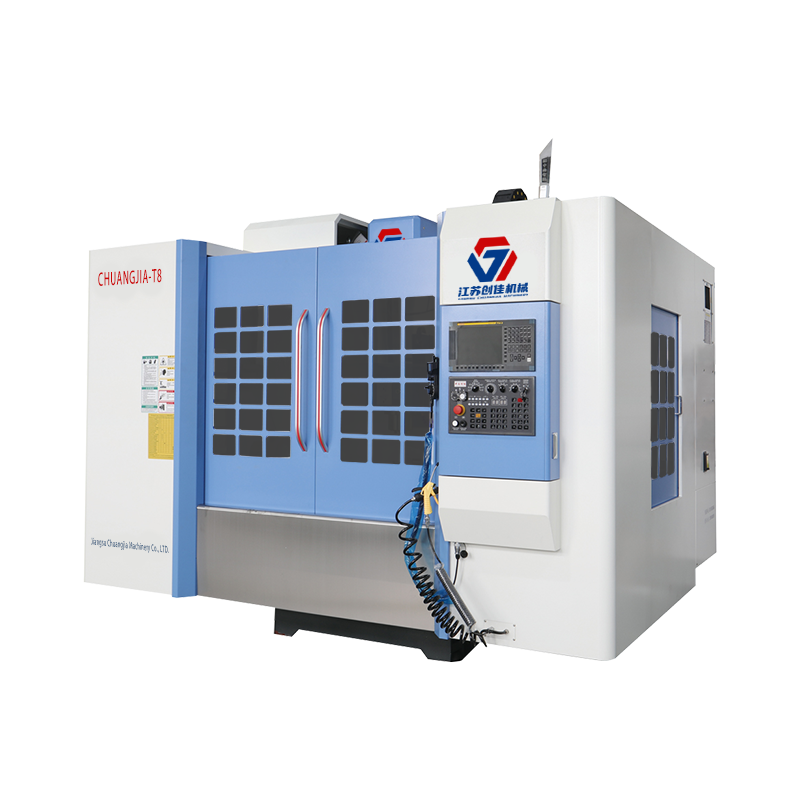
Drilling and tapping center ZN-T8 has easy operability, high reliability, ultra-high cost performance, mainly used in general industry, hardware, medi...
See Details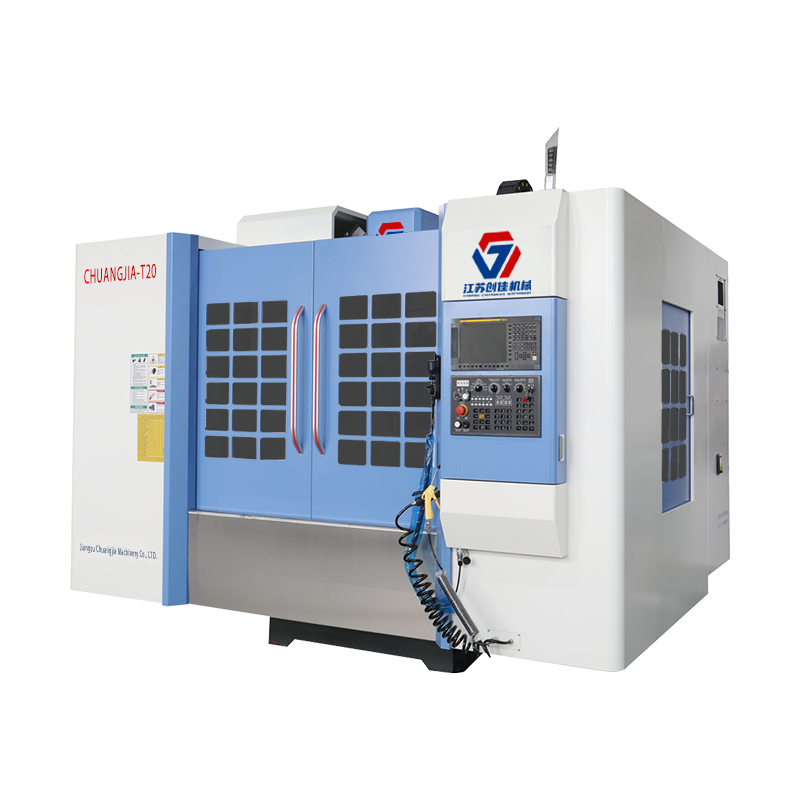
Drilling and tapping center ZN-T20 has easy operability, high reliability, ultra-high cost performance, mainly used in general industry, hardware, med...
See Details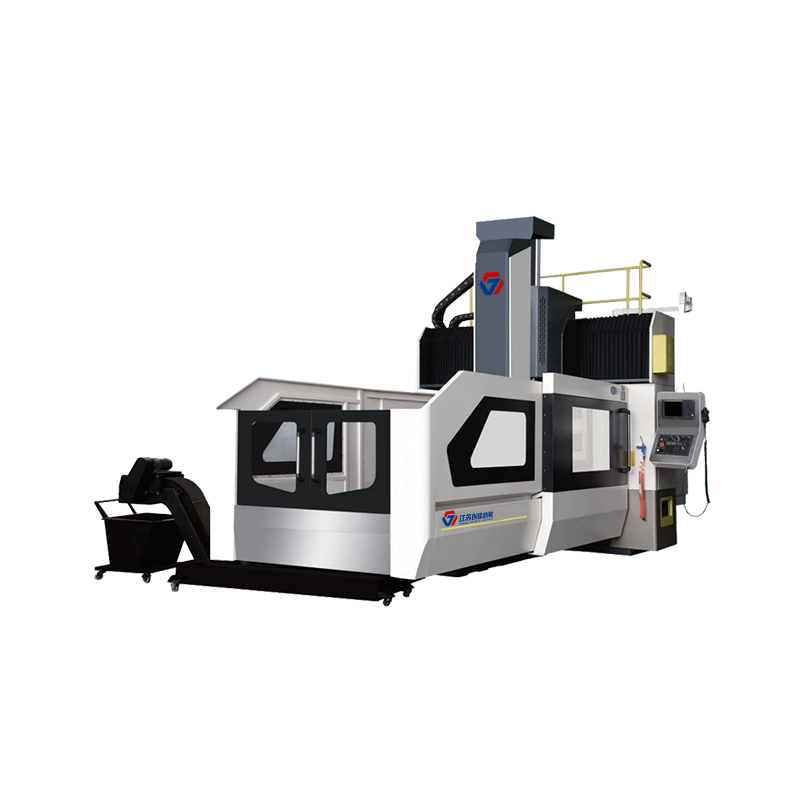
The machine adopts the structure form of fixed gantry frame and moving table on the bed. Beam column integrated design, has the characteristics of hig...
See Details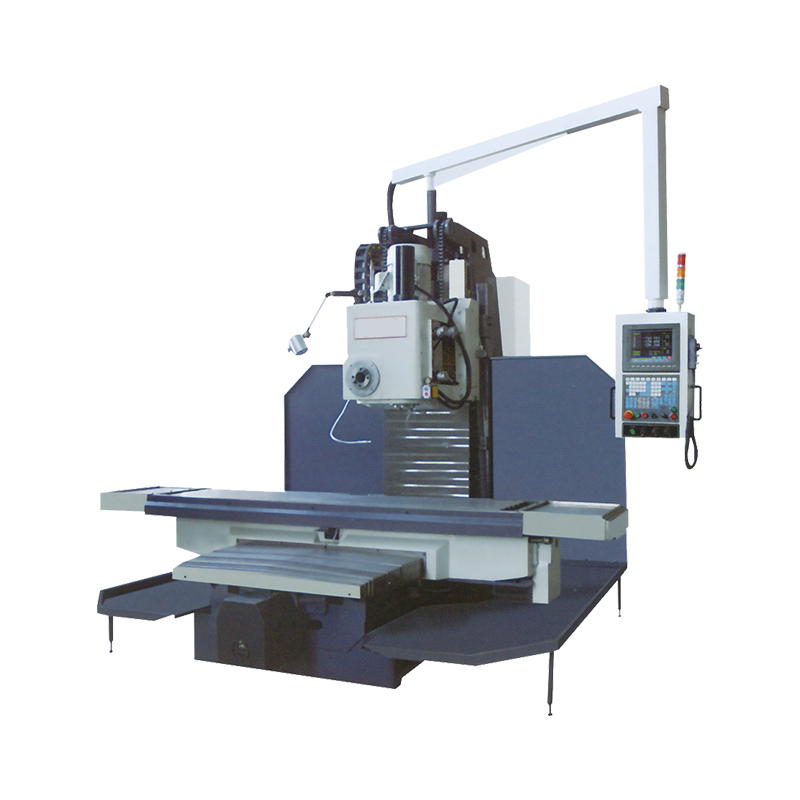
Equipped with one vertical and one horizontal gear headstock, the output torque is large, the cutting force is strong. Once clamping, the upper plane ...
See Details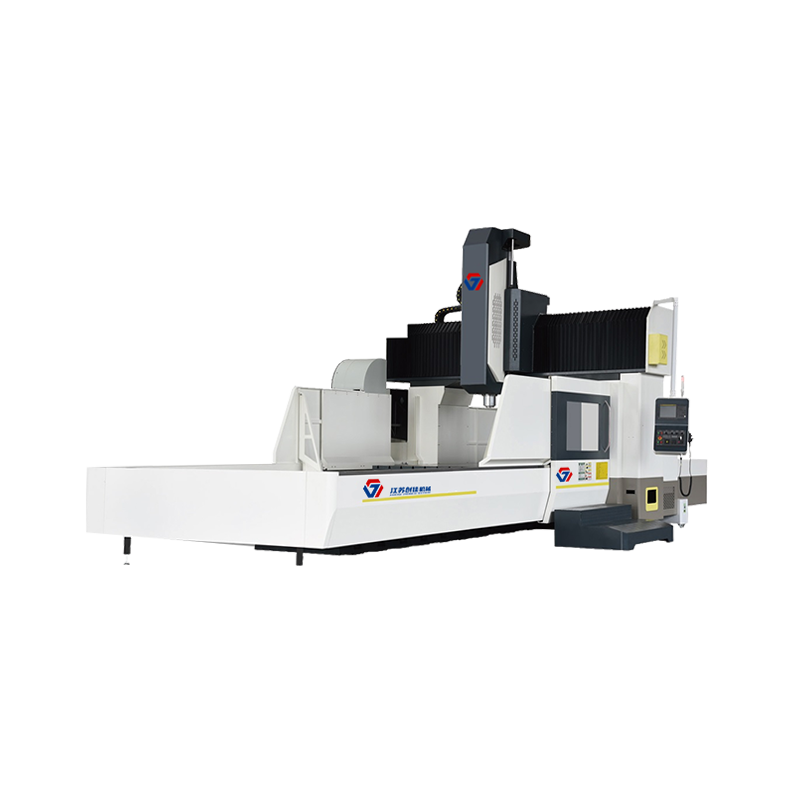
The machine adopts the structure form of fixed gantry frame and moving table on the bed. Beam column integrated design, has the characteristics of hig...
See Details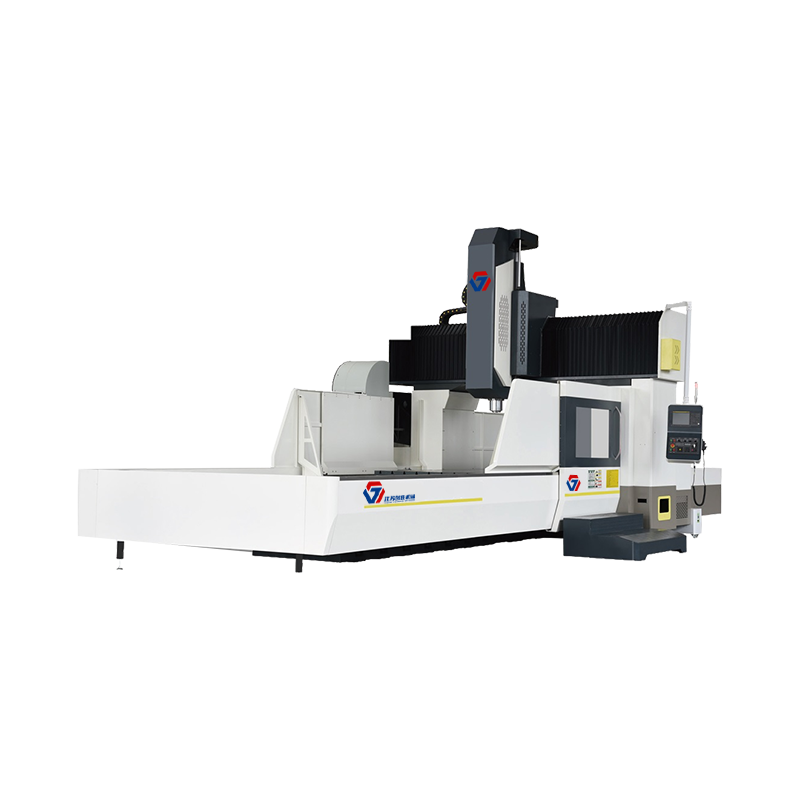
The machine adopts the structure form of fixed gantry frame and moving table on the bed. Beam column integrated design, has the characteristics of hig...
See Details
All rights reserved Jiangsu Chuangjia Machinery Co., LTD.
