
 Search products
 en
en 简体中文
简体中文 русский
 Español
ZN-L1270 Vertical Machining Center
Cat:Vertical Machining Center
This series of machining center is fixed in A-shape single column, mobile structure of workbench, high rigidity of basic parts, lightweight of moving ...
See DetailsWhen a workpiece no longer fits comfortably on a typical vertical machining center, machine shops usually begin comparing gantry equipment. Large mold bases, machine frames, and heavy structural parts require more than a bigger table: they need a machine frame that can handle the size, weight, and cutting forces without losing accuracy. A CNC gantry machining center solves this by supporting the spindle on an overhead bridge structure while the workpiece stays on a large table beneath it. As a result, the machine can mill, drill, tap, and bore large parts in a single setup, with the rigidity that the part size demands.
Before choosing one, it helps to understand what a gantry machining center actually is, how the structure works, and which configurations are best suited to which jobs.
A CNC gantry machining center is a computer-controlled machine tool built around a gantry frame: two vertical columns support a horizontal crossbeam that spans the worktable. The spindle head moves along the crossbeam for Y-axis travel and rises and lowers for Z-axis travel, while X-axis motion can come from either the table moving under the gantry or the gantry moving over a stationary table.
This arrangement is fundamentally different from a vertical machining center, where the spindle is carried by a moving column behind the table. In a gantry machine, cutting forces pass directly through the crossbeam and columns into the floor, which gives the structure high static and dynamic rigidity. That rigidity matters when machining large steel parts, deep cavities, or hard materials, because deflection is the enemy of accuracy and surface finish.
The term covers a broad family of machines. You may also see names such as gantry mills, bridge-type machining centers, or double-column machining centers. They all share the same basic principle: the spindle is supported from above, and the workpiece is positioned underneath.
In a fixed-table gantry machining center, the workpiece is clamped to the table and stays in place during machining. The crossbeam travels in X, the saddle moves across the crossbeam in Y, and the spindle head moves in Z. This design suits very heavy parts, because moving a multi-ton workpiece is neither fast nor accurate.
In a moving-table design, the gantry structure stays fixed and the table moves in X. That configuration is often used for shorter, lighter workpieces where table travel gives better accessibility and simpler chip removal. Moving-column designs go one step further: the entire column-and-crossbeam assembly travels along the machine bed, which is practical for extra-long parts such as rails, frames, and structural profiles.
Tool changes are handled by an automatic tool changer (ATC). The machine returns the current tool to the magazine, picks up the next tool, and resumes cutting without operator involvement, so a long program can machine a large part from start to finish. In five-axis configurations, the table can rotate and tilt, or the spindle head itself contains the rotary axes, allowing the tool to reach compound angles that are essential for deep molds and complex aerospace components.
Gantry machining centers are not a single configuration. Once you know what to look for, you can match the design to the actual workpiece and process.
Fixed-table machines keep the part still and move the gantry. This is preferred when the workpiece is very heavy or when its size makes table movement difficult. Moving-table machines move the part in X and are usually more compact, which reduces floor space and cost. Moving-column machines carry the whole gantry along the machine bed, which maximizes the work envelope for long components.
Double-column machines use two vertical columns connected by a rigid crossbeam. The wider the crossbeam span, the more important its design becomes, because a long beam can deflect under its own weight and under cutting loads. A well-ribbed casting with preloaded guideways keeps the Y-axis accurate across the full width. For wide plates and heavy frames, a ZNLM8030 double-column gantry machining center distributes the load symmetrically and provides the stability such parts require.
Basic models position the spindle in X, Y, and Z and machine flat or prismatic features. 3+2 machining adds an indexable rotary table or head so the part can be tilted to compound angles, which reduces setups and improves tool access. Full five-axis machines move the rotary axes simultaneously with the linear axes, which is required for sculptured surfaces.
Heavy-duty models use larger spindles, wider guideways, and reinforced castings to sustain deep cuts in steel and cast iron. High-speed versions trade some cutting torque for higher spindle speeds and rapid feed rates, which suits aluminum machining and finishing passes.
Gantry machining centers are not limited to a single operation. With the right tooling and control system, one machine can perform face milling, profile milling, drilling, tapping, boring, reaming, and, with five-axis interpolation, 3D contour machining. Typical workpieces include large mold bases, automotive body tooling, energy equipment components, machine tool structures, and aerospace structural parts.
In many cases, a gantry machine replaces several smaller machines, because it can handle the full part envelope without repositioning. This reduces handling time and avoids the setup errors that accumulate when a workpiece is transferred between operations.
When the part includes sculptured surfaces, a five-axis machine is the practical route. The ZNLM2214 5-axis gantry machining center pairs a 1.4-meter crossbeam with rotary axes, allowing the spindle to reach compound angles in one clamping. That approach shortens cycle time and improves consistency on complex parts.
To decide whether a gantry machine is worth the investment, compare it with the two other common machining center configurations.
| Feature | Gantry Machining Center | Vertical Machining Center | Horizontal Machining Center |
|---|---|---|---|
| Frame structure | Overhead gantry: two columns plus crossbeam | C-frame with single column | C-frame with horizontal spindle |
| Workpiece size | Medium to very large and heavy | Small to medium | Medium, box-like parts |
| Spindle orientation | Vertical on most models | Vertical | Horizontal |
| Rigidity under heavy cuts | High | Moderate | High |
| Best for | Mold bases, frames, long structural parts | General precision parts | Multi-face machining of box parts |
| Setup efficiency for large parts | Excellent | Limited by table size | Limited by pallet size |
Vertical machining centers remain the default for compact parts where a smaller footprint and lower capital cost matter. Horizontal machining centers excel at machining multiple faces of a cube-shaped part because the part can be indexed on a rotary table. Gantry machining centers take over where parts do not fit, or are too heavy to move safely, on other machines. If you are deciding between a vertical machine and a gantry machine, our earlier article on the difference between horizontal and vertical machining centers explains the axis and layout variations in more depth.
Selection starts with the workpiece, not the machine. Define the part envelope, weight, material, and required operations before comparing specifications.
For demanding workpieces with aggressive cutting conditions, a reinforced frame is non-negotiable. The ZNLM4025 heavy-duty gantry machining center uses a heavier crossbeam and column structure to sustain deep cuts in large components without losing geometric stability.
Also account for total cost of ownership. A gantry machine costs more than an equally specified vertical machining center, but it can eliminate multiple setups, reduce manual handling, and bring large-part work in-house, which changes the return on investment calculation.
The gantry structure is only as good as the casting and assembly behind it. A frame without proper internal ribbing flexes under heavy loads, and the accuracy of the whole system suffers. That is why serious gantry machining centers are built from well-aged cast iron or steel weldments, with heavy cross-sections and thermally stable guideway mounts.
When evaluating a supplier, ask how much of the manufacturing process is done in-house. A manufacturer that controls its own foundry, machining, and assembly can manage the quality of the bed, columns, and crossbeam from the start, and can respond more flexibly to custom requirements. In practice, those controls show up in the stability of the machine under load, the consistency of finished parts, and the reliability of delivery schedules.
A CNC gantry machining center is the right choice when workpieces are too large, too heavy, or too complex for a standard machining center. Its overhead frame provides the rigidity and stability needed for accurate machining of large parts, and five-axis options allow complex geometries to be machined in one setup.
Start the selection process with a clear definition of part envelope, weight, processes, and accuracy targets. Then choose between a compact moving-table machine, a heavy-duty fixed-table model, and a five-axis configuration based on those requirements. Finally, compare suppliers with attention to structure, guideway quality, and manufacturing capability, because those factors determine how well the machine holds its specifications over years of service.
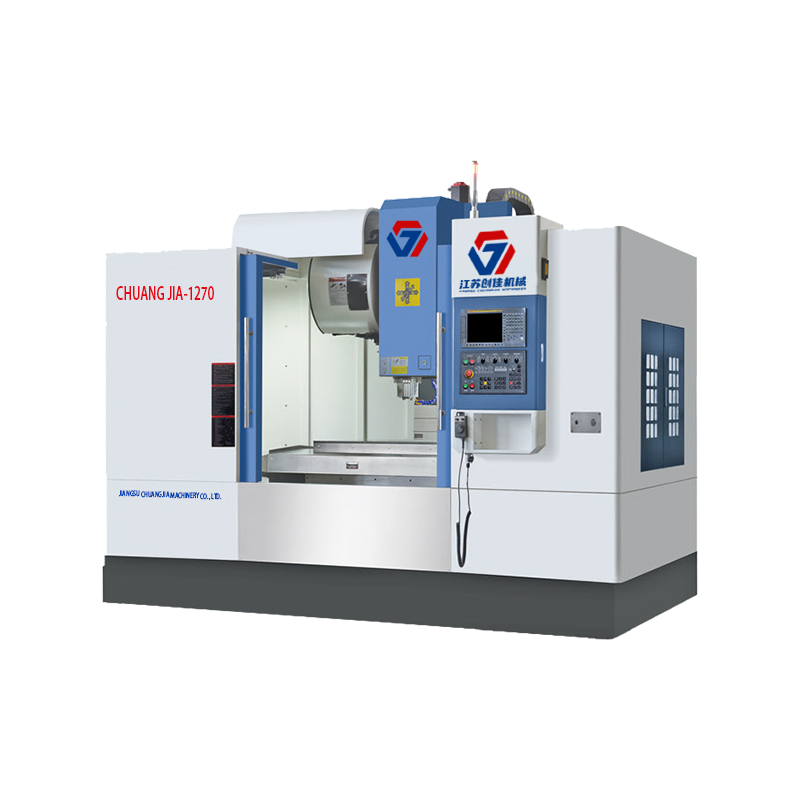
This series of machining center is fixed in A-shape single column, mobile structure of workbench, high rigidity of basic parts, lightweight of moving ...
See Details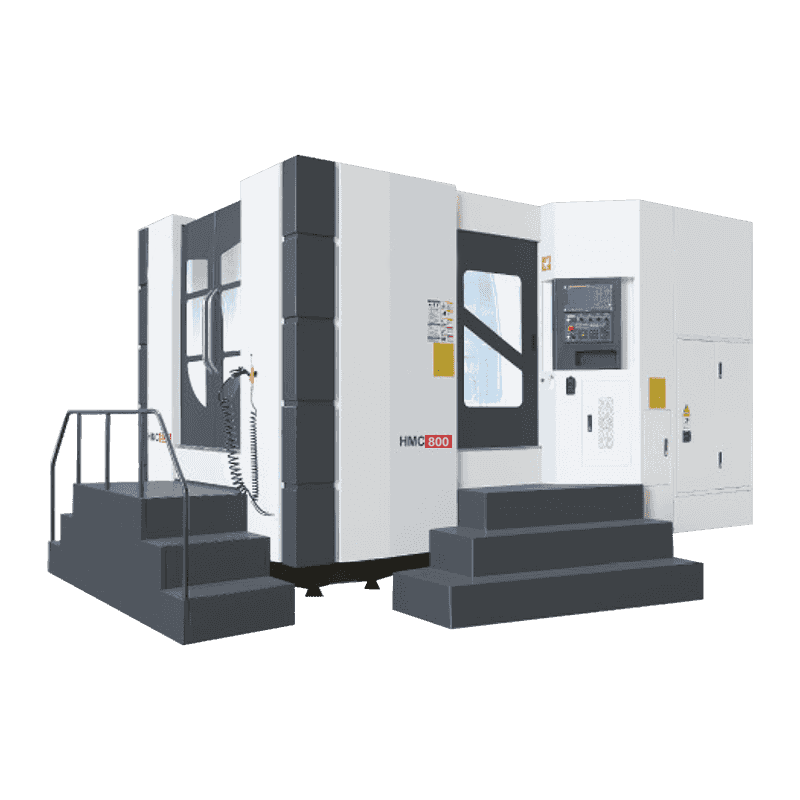
The bed adopts inverted T structure layout, the table moves around (X axis), the headstock moves up and down (Y axis) and the column moves back and fo...
See Details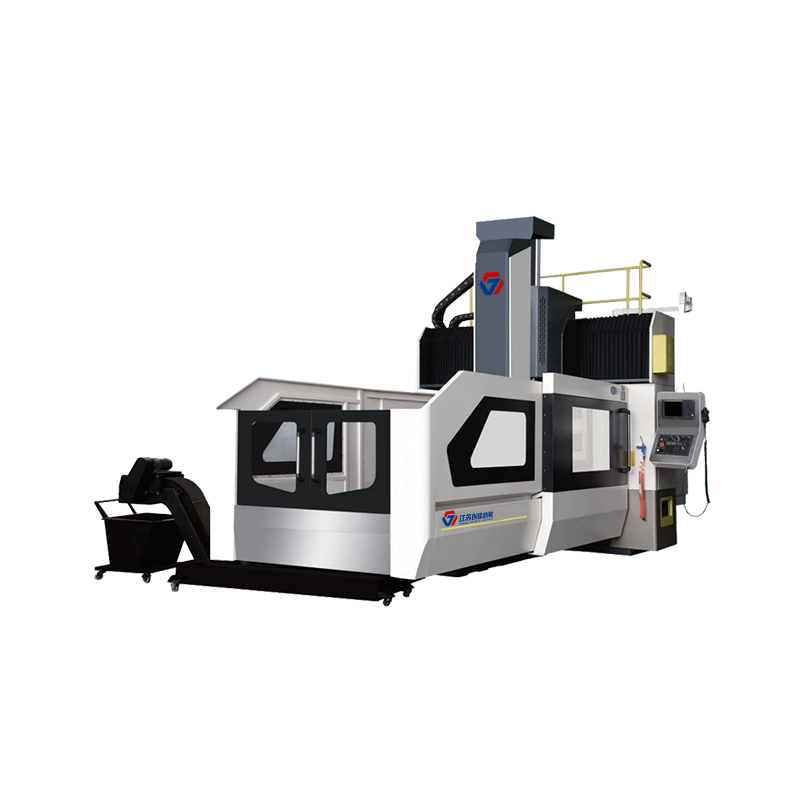
The machine adopts the structure form of fixed gantry frame and moving table on the bed. Beam column integrated design, has the characteristics of hig...
See Details
The machine adopts the structure form of fixed gantry frame and moving table on the bed. Beam column integrated design, has the characteristics of hig...
See Details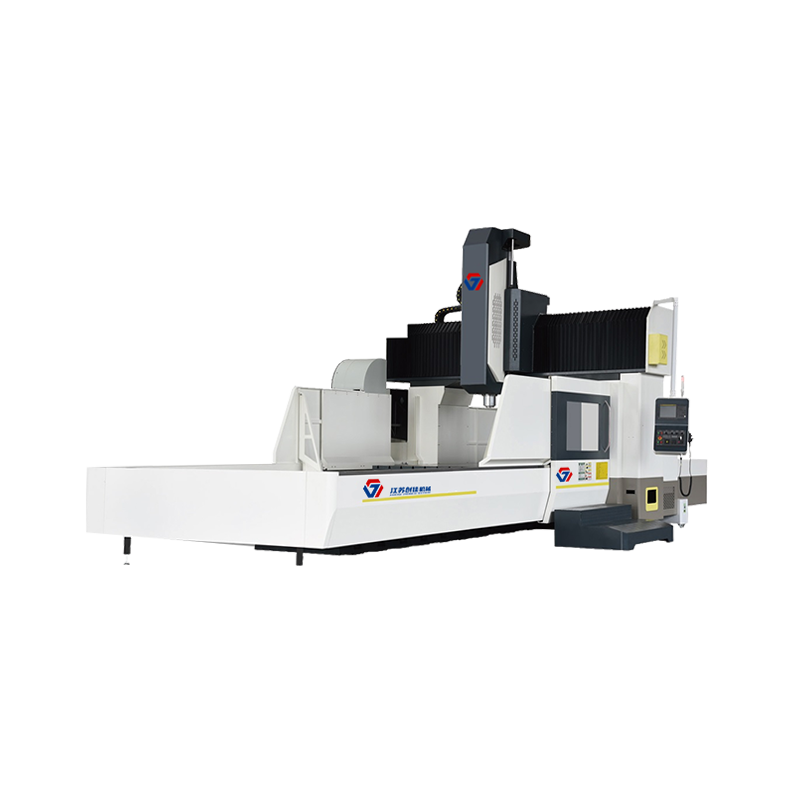
The machine adopts the structure form of fixed gantry frame and moving table on the bed. Beam column integrated design, has the characteristics of hig...
See Details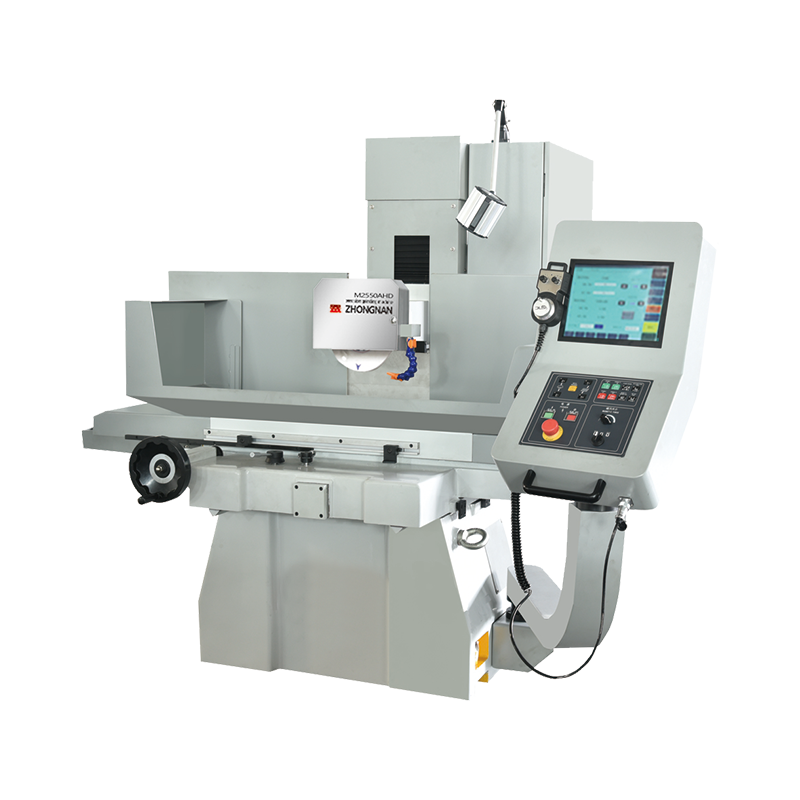
High precision/High speed/easy to operate CNC surface grinding machine X axis hydraulic /YZ axis servo/CNC system. Cross slide structure, double V rai...
See Details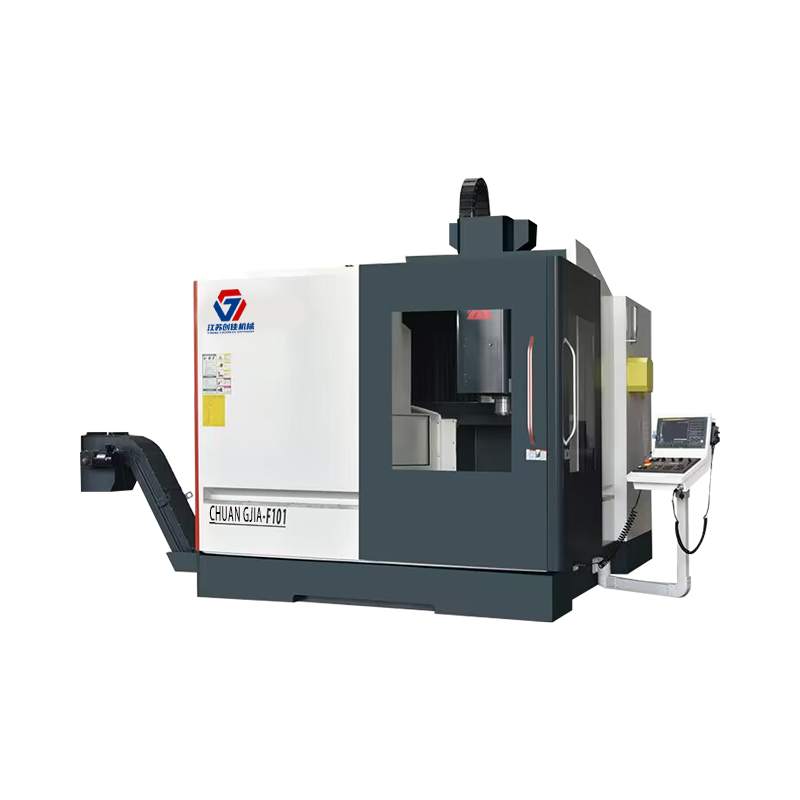
The three-axis support surface of this series of gantry machining center adopts heavy-duty roller linear guide, which is easy to maintain, low frictio...
See Details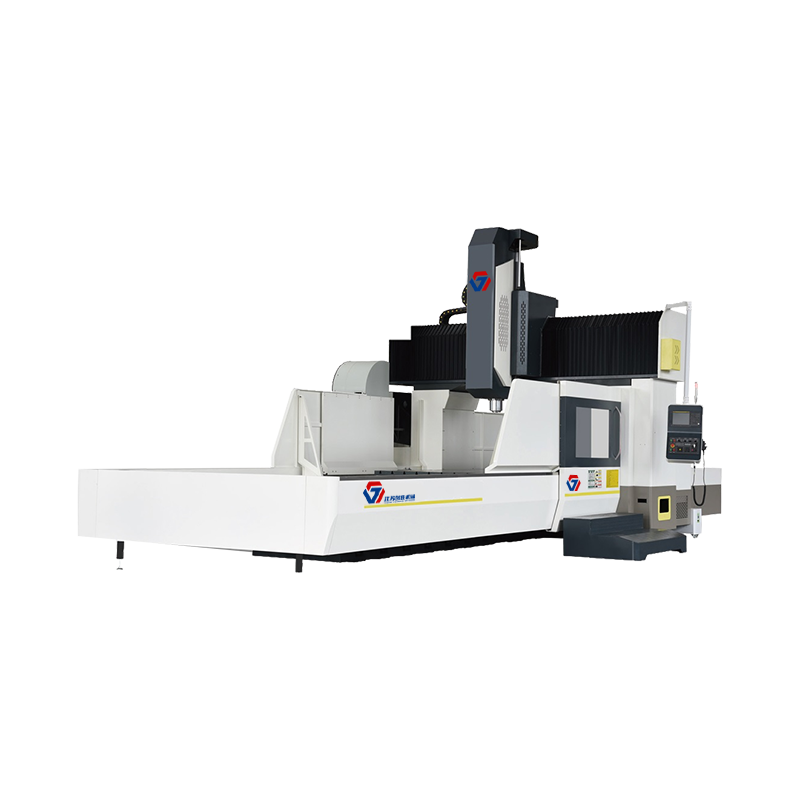
The machine adopts the structure form of fixed gantry frame and moving table on the bed. Beam column integrated design, has the characteristics of hig...
See Details
All rights reserved Jiangsu Chuangjia Machinery Co., LTD.
