
 Search products
 en
en 简体中文
简体中文 русский
 Español
LW860 Horizontal Machining Center
Cat:Horizontal Machining Center
The machine adopts a cross sliding saddle structure, the table moves around (X axis), the headstock moves up and down (Y axis) and the saddle moves ba...
See DetailsWhen it comes to high-volume prismatic part production, the Horizontal Machining Center (HMC) consistently outperforms the twin-pallet Vertical Machining Center (VMC) in overall throughput — often by a margin of 30% to 60% depending on part complexity, material, and setup strategy. This advantage stems from the HMC's inherent ability to machine four or more faces of a workpiece in a single setup, combined with superior chip evacuation, faster pallet exchange, and better compatibility with automated manufacturing cells. If your operation prioritizes cycle time reduction and lights-out production, the Horizontal Machining Center is the stronger platform. That said, the twin-pallet VMC remains a competitive and cost-effective option for simpler geometries and smaller shops. This article breaks down the key differences with real data.
The core throughput advantage of a Horizontal Machining Center over a twin-pallet VMC comes down to how each machine handles multi-face machining and non-cut time. On a VMC, even with a 4th-axis rotary table, a prismatic part typically requires multiple manual re-fixturings to access all necessary faces. Each re-fixturing introduces setup time, potential alignment error, and idle spindle time.
By contrast, a Horizontal Machining Center with a B-axis rotary pallet can index a workpiece in seconds — typically within 2 to 5 seconds per 90° rotation — allowing 4-face machining in a single clamping. For a prismatic aluminum housing that requires milling, drilling, and tapping on four faces, this alone can eliminate 20 to 40 minutes of re-setup time per batch.
In addition, most modern HMCs feature automatic pallet changers (APC) with exchange times of 10 to 20 seconds. While the spindle is cutting part A, an operator or robot is loading/unloading part B on the staging pallet — virtually eliminating loading idle time. A twin-pallet VMC offers a similar concept but is limited to two pallets, whereas HMC-based flexible manufacturing systems (FMS) can manage 10, 20, or more pallets in rotation.
To make this comparison concrete, consider a production scenario involving a cast iron gearbox housing — a classic prismatic part requiring 5-face access, 120 hole features, and tight positional tolerances of ±0.01 mm. This is a common workload in automotive and industrial equipment manufacturing where CNC machine tools are central to production efficiency.
| Metric | Horizontal Machining Center | Twin-Pallet VMC |
|---|---|---|
| Setups per part | 1 | 2–3 |
| Cycle time per part | ~48 min | ~74 min |
| Pallet exchange time | ~12 sec | ~18 sec |
| Parts per 8-hr shift | ~9 | ~6 |
| Spindle utilization | 75–85% | 50–65% |
| Lights-out capability | High (FMS-ready) | Limited (2-pallet only) |
These figures align with published benchmarks from major machine tool manufacturers. The Horizontal Machining Center's spindle utilization rate of 75–85% versus the VMC's 50–65% is perhaps the most telling metric — because idle spindle time is directly lost profit in high-volume environments.
One factor that rarely gets enough attention in throughput comparisons is chip management. On a Vertical Machining Center, chips fall back onto the workpiece and cutting zone. For high-volume operations cutting steel or cast iron, this causes chip re-cutting, accelerated tool wear, and periodic machine stops for manual chip clearing — all of which reduce effective throughput.
The Horizontal Machining Center benefits from gravity-assisted chip evacuation: chips fall directly into the chip conveyor below the work zone and away from the cutting area. In high-volume cast iron or steel production, this difference can extend tool life by 15–25% and eliminate unplanned interruptions caused by chip buildup. For a facility running three shifts, that adds up to significant savings annually.
Thermal stability is another area where the HMC has a structural edge. The horizontal spindle orientation and symmetric column design distribute heat more evenly, leading to more consistent dimensional accuracy over long production runs. This is particularly relevant when machining aluminum alloys at high spindle speeds — a common scenario when using a CNC milling machine in aerospace or EV battery enclosure production.
Despite the HMC's advantages, the twin-pallet VMC should not be dismissed. There are specific production contexts where it remains the more practical choice:
In these cases, a well-programmed CNC milling machine in VMC configuration with optimized toolpaths can hold its own against an HMC in per-part cost, even if raw throughput is lower.
The choice between HMC and twin-pallet VMC also depends heavily on the material being cut. Here is how each platform performs across common prismatic part materials:
Aluminum generates large chip volumes at high cutting speeds. The HMC's gravity chip evacuation is a significant advantage. Spindle speeds of 12,000–20,000 RPM are common on HMCs designed for aluminum, and multi-face tombstone setups can run 4–8 parts simultaneously. Throughput gains of 40–60% over a twin-pallet VMC are realistic in this material category.
For ferrous materials, the HMC's chip management and thermal stability advantages are most pronounced. Re-cutting of cast iron chips on a VMC accelerates tool wear dramatically. The Horizontal Machining Center's ability to flush chips away continuously keeps cutting conditions consistent across long runs, making it the preferred platform for automotive powertrain components and hydraulic valve bodies.
In tough materials where spindle torque and rigidity matter more than speed, the gap between HMC and VMC narrows. Both machine types rely on rigid fixturing and high-pressure through-spindle coolant. In this category, the HMC still holds an edge through setup reduction, but the per-part throughput difference may shrink to 15–25%.
One of the most powerful throughput tools available on a Horizontal Machining Center is the tombstone fixture — a vertical column mounted on the pallet that allows multiple parts to be fixtured on all four vertical faces simultaneously. A single HMC pallet with a tombstone can hold 8, 16, or even 32 small prismatic parts depending on their size.
Consider a scenario where 16 aluminum pump bodies are fixtured on a tombstone. The HMC machines all 16 parts — across all required faces — in a single pallet cycle. The pallet is exchanged in 12 seconds, and the next 16 parts begin immediately. A twin-pallet VMC cannot replicate this multiplier effect. Even with two pallets, it can only present one setup face at a time, requiring more cycles and more operator intervention to achieve the same output volume.
As a category of CNC machine tools, the Horizontal Machining Center's pallet-and-tombstone ecosystem is one of the most mature and scalable solutions in high-volume discrete part manufacturing.
Use the following criteria to guide your decision between a Horizontal Machining Center and a twin-pallet VMC for high-volume prismatic part production:
The Horizontal Machining Center is the superior platform for high-volume prismatic part production in most industrial contexts. Its structural design, pallet flexibility, and integration potential make it the benchmark machine in automotive, aerospace, and general engineering manufacturing. The twin-pallet VMC is not obsolete — but for true high-volume throughput, it operates in a different league.
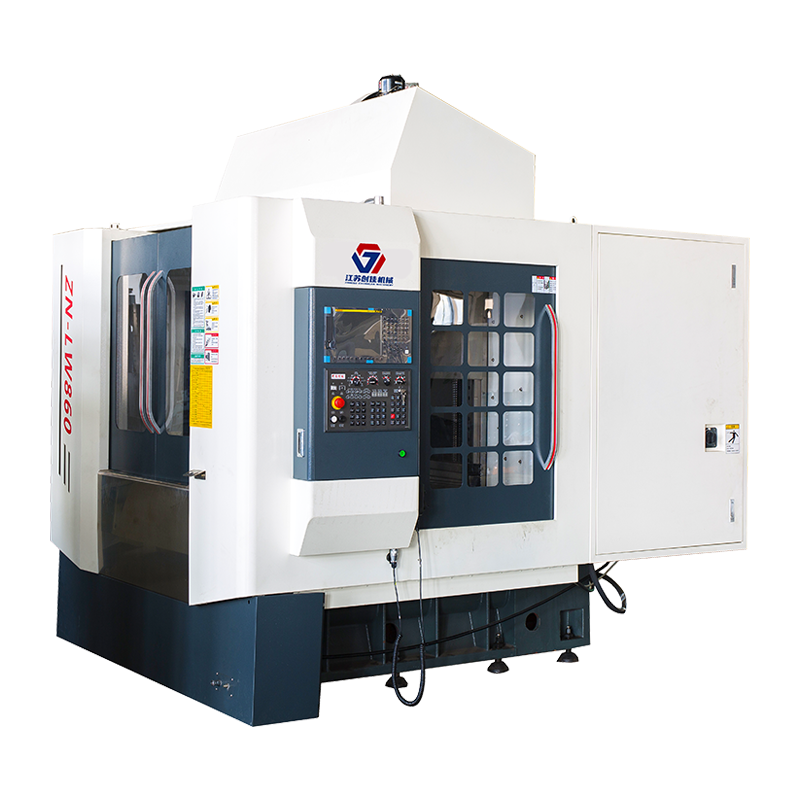
The machine adopts a cross sliding saddle structure, the table moves around (X axis), the headstock moves up and down (Y axis) and the saddle moves ba...
See Details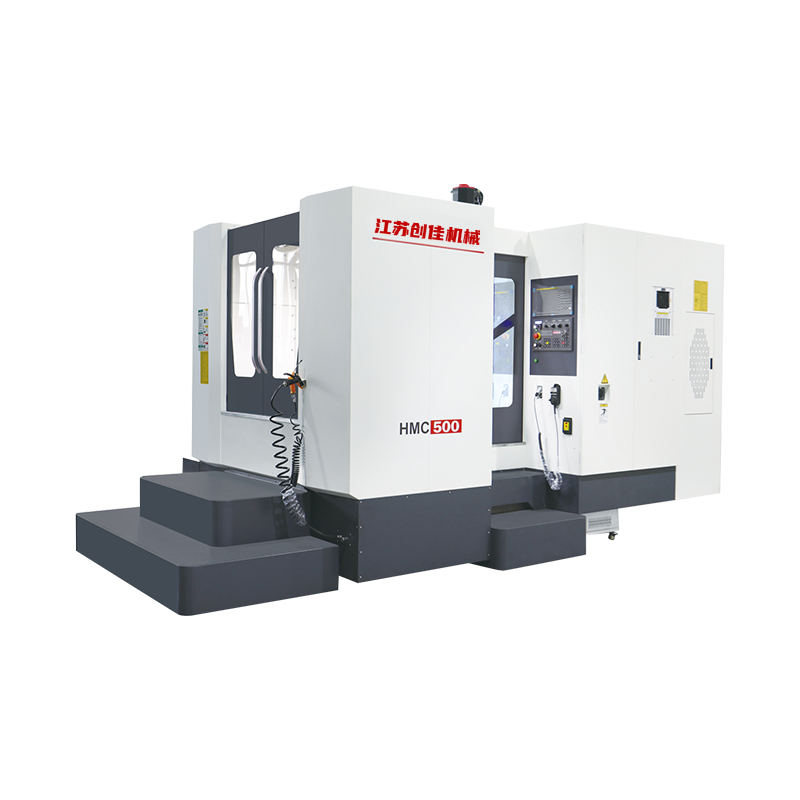
The bed adopts inverted T structure layout, the table moves around (X axis), the headstock moves up and down (Y axis) and the column moves back and fo...
See Details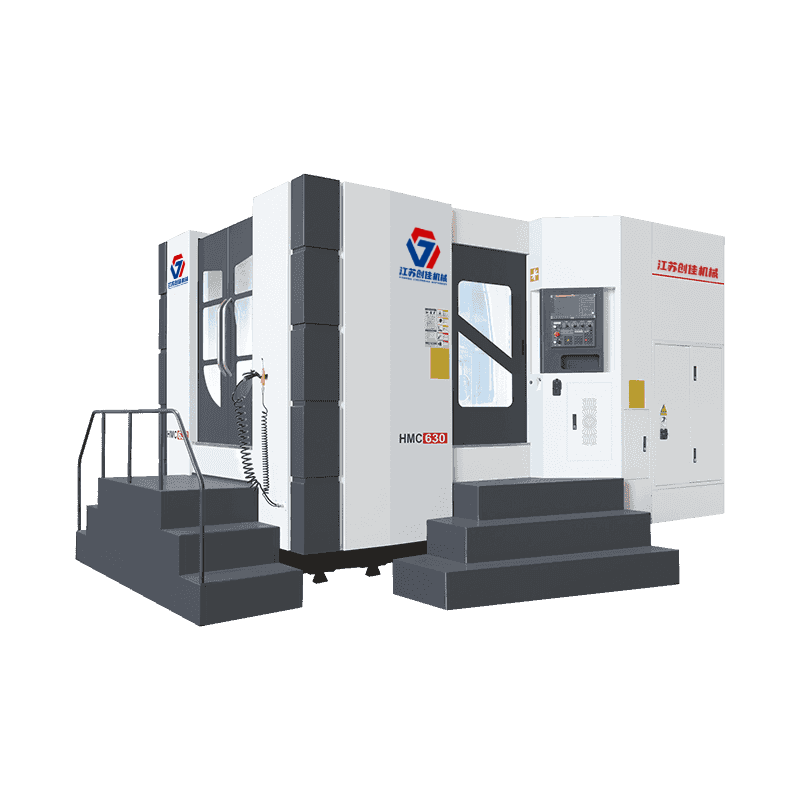
The bed adopts inverted T structure layout, the table moves around (X axis), the headstock moves up and down (Y axis) and the column moves back and fo...
See Details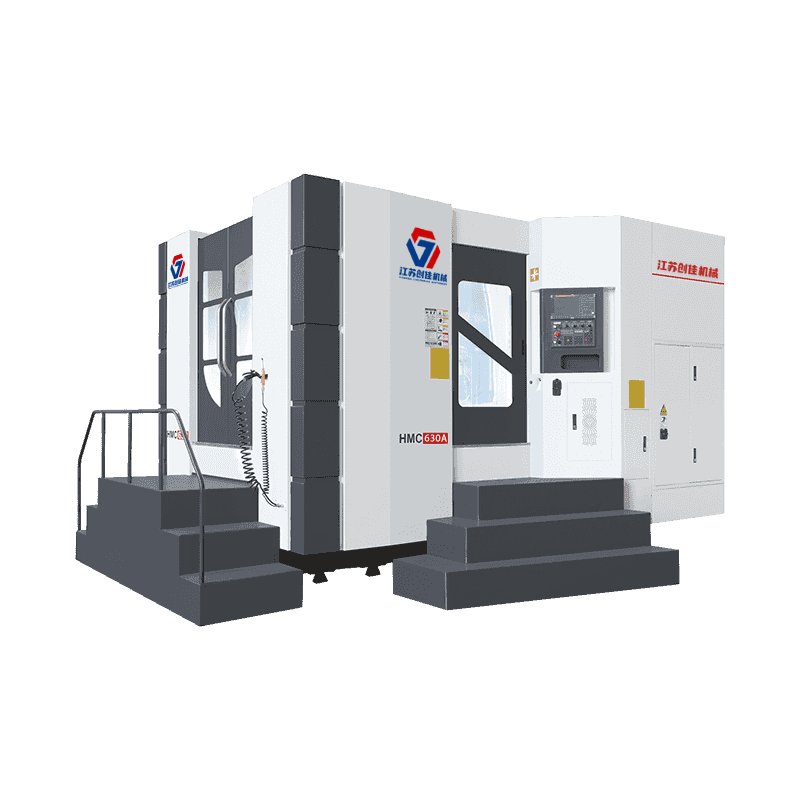
The bed adopts a positive T structure layout, the table moves back and forth (Z axis), the headstock moves up and down (Y axis) and the column moves l...
See Details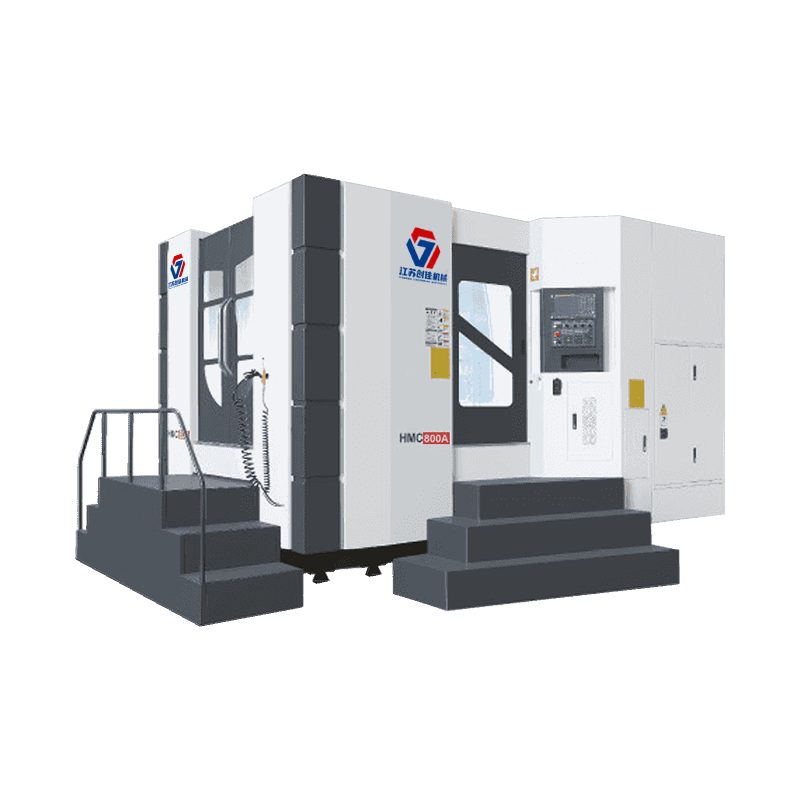
The bed adopts a positive T structure layout, the table moves back and forth (Z axis), the headstock moves up and down (Y axis) and the column moves l...
See Details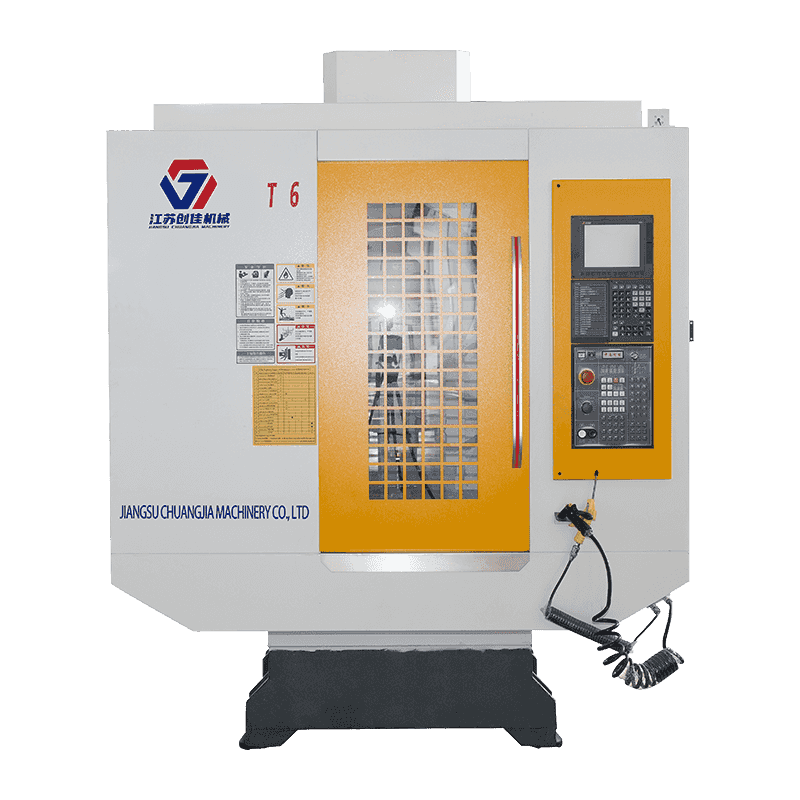
Drilling and tapping center ZN-T6 has easy operability, high reliability, ultra-high cost performance, mainly used in general industry, hardware, medi...
See Details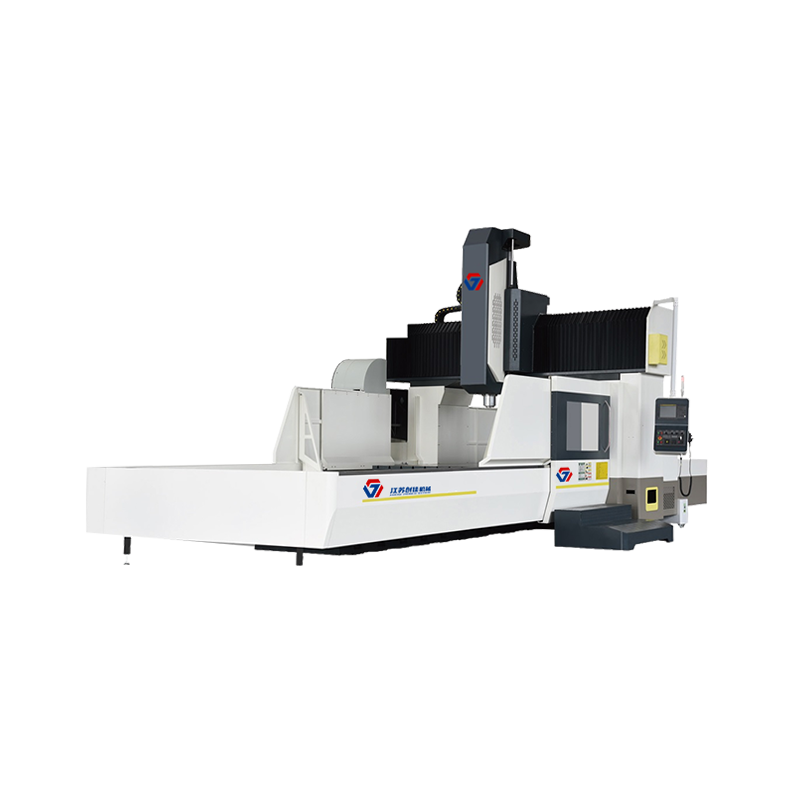
The machine adopts the structure form of fixed gantry frame and moving table on the bed. Beam column integrated design, has the characteristics of hig...
See Details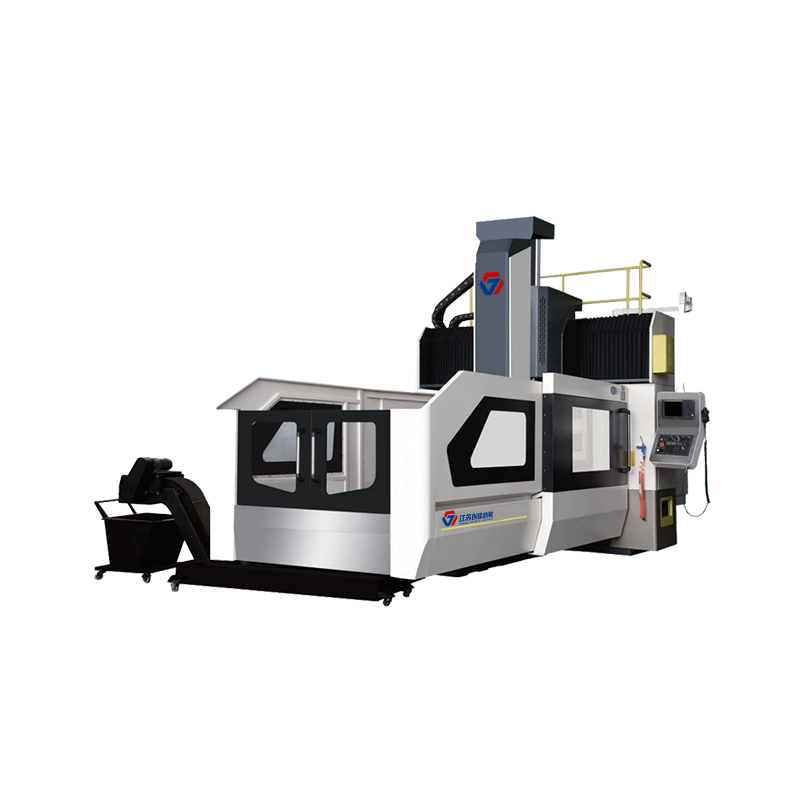
The machine adopts the structure form of fixed gantry frame and moving table on the bed. Beam column integrated design, has the characteristics of hig...
See Details
All rights reserved Jiangsu Chuangjia Machinery Co., LTD.
