
 Search products
 en
en 简体中文
简体中文 русский
 Español
ZN-L1270 Vertical Machining Center
Cat:Vertical Machining Center
This series of machining center is fixed in A-shape single column, mobile structure of workbench, high rigidity of basic parts, lightweight of moving ...
See DetailsVertical Machining Centers (VMCs) and Horizontal Machining Centers (HMCs) of equivalent size typically offer similar rapid traverse speeds on paper — commonly ranging from 30 to 60 m/min on modern machines — but real-world performance differs significantly due to structural design, axis orientation, and workpiece setup. For most standard 3-axis VMCs in the 500–800mm travel range, rapid traverse speeds of 36–48 m/min are typical, while comparable HMCs often achieve 40–60 m/min, with some high-end models exceeding that. The difference matters most in high-volume production environments where non-cutting time accumulates across thousands of cycles.
Rapid traverse speed refers to the maximum speed at which the machine's axes move when not cutting — during tool changes, repositioning, or moving to a new feature. It is measured in meters per minute (m/min) or inches per minute (ipm) and directly impacts overall cycle time, especially in parts with many features or frequent tool changes.
However, rapid traverse speed alone does not determine productivity. Acceleration and deceleration rates (jerk control), axis drive systems (ball screw vs. linear motor), and machine rigidity all influence how effectively a machine reaches and sustains its rated rapid speed. A Vertical Machining Center rated at 48 m/min with poor acceleration may deliver less effective throughput than one rated at 40 m/min with superior motion control.
The table below compares rapid traverse speeds across common machine categories and sizes from leading manufacturers:
| Machine Type | Travel Range (X) | Rapid Traverse (m/min) | Typical Example |
|---|---|---|---|
| Standard VMC | 500–800 mm | 36–48 | Haas VF-2, Mazak VCN-530C |
| High-Speed VMC | 500–800 mm | 48–60+ | DMG Mori CMX 600V, Makino V56i |
| Standard HMC | 500–800 mm | 40–60 | Mazak HCN-5000, Okuma MA-600HII |
| High-Speed HMC | 500–800 mm | 60–80 | Makino a61nx, DMG Mori NH 5000 |
As shown, high-end HMCs consistently outperform equivalent VMCs in rated rapid traverse speed by 10–30% within the same travel class. This gap widens further when pallet-changer systems are factored in, since HMCs can load the next workpiece during machining — effectively eliminating setup time from the cycle altogether.
The column-and-spindle-head configuration of a Vertical Machining Center places the spindle above the workpiece, with Z-axis movement typically handled by the spindle head or the table. This vertical orientation introduces specific mechanical constraints:
By contrast, a Horizontal Machining Center uses a horizontal spindle with the B-axis rotary table managing workpiece orientation. This layout distributes mass more symmetrically, allowing more aggressive axis motion and, in many cases, higher sustained rapid traverse rates.
Despite generally lower rapid traverse ratings, the Vertical Machining Center holds clear advantages in specific production contexts:
For flat plates, brackets, and parts requiring machining on only one face, a VMC's lower rapid speed is irrelevant — repositioning distances are short and tool changes are infrequent. The VMC's lower cost and simpler fixturing make it the more efficient choice.
In job shop environments running batches of 10–100 parts, the productivity gap between a VMC and an HMC is rarely large enough to justify the HMC's higher capital cost — typically 2 to 4 times more expensive for equivalent travel size. A modern Vertical Machining Center at $80,000–$150,000 USD competes cost-effectively against an HMC at $300,000–$600,000 USD for most job shop workflows.
VMCs offer superior clearance for tall workpieces because the spindle approaches from above. A horizontal machining center's horizontal spindle limits the effective height of parts it can accommodate without special fixturing.
The rapid traverse speed gap between a Vertical Machining Center and a Horizontal Machining Center becomes a genuine bottleneck under the following conditions:
When comparing a Vertical Machining Center to a Horizontal Machining Center on rapid traverse performance, do not rely solely on the rated m/min figure. Evaluate these additional parameters:
The rapid traverse speed of a Vertical Machining Center is generally 10–30% lower than a comparable Horizontal Machining Center in the same size class, but this difference only translates into meaningful productivity loss in high-volume, multi-face, or complex-part production scenarios. For the majority of job shops, contract manufacturers, and prototype facilities, the Vertical Machining Center's lower cost, easier setup, and sufficient rapid speed make it the more practical and economical choice. Invest in an HMC's higher rapid traverse capability only when your production volume and part complexity can fully justify the significantly higher capital expenditure.
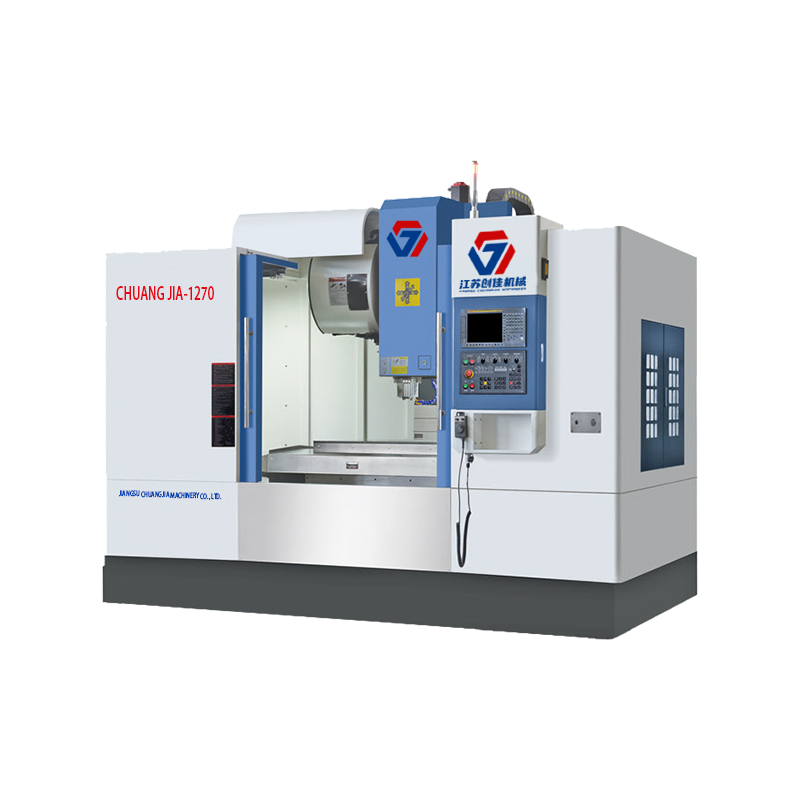
This series of machining center is fixed in A-shape single column, mobile structure of workbench, high rigidity of basic parts, lightweight of moving ...
See Details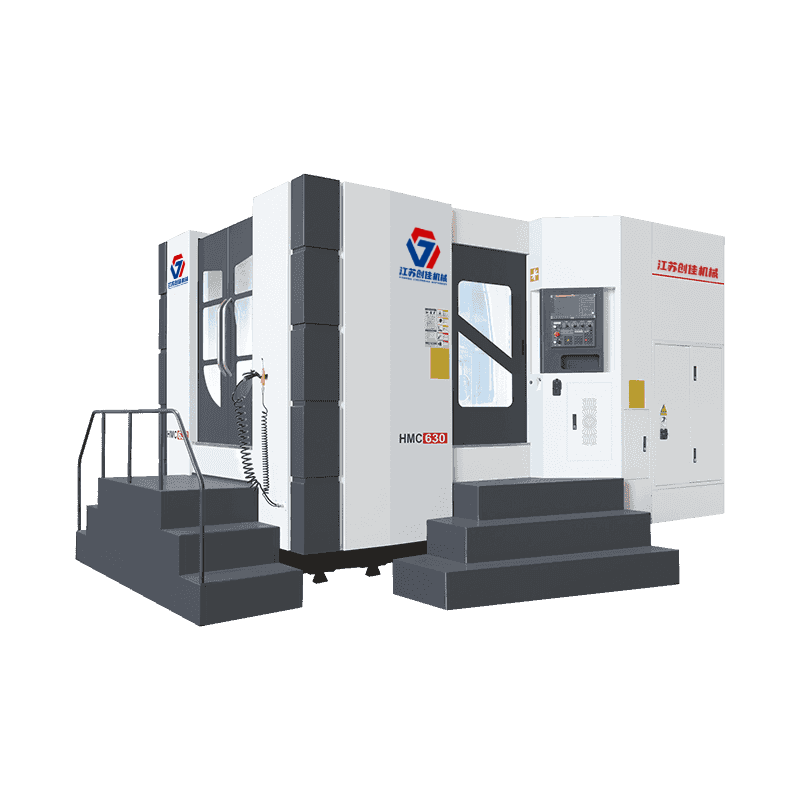
The bed adopts inverted T structure layout, the table moves around (X axis), the headstock moves up and down (Y axis) and the column moves back and fo...
See Details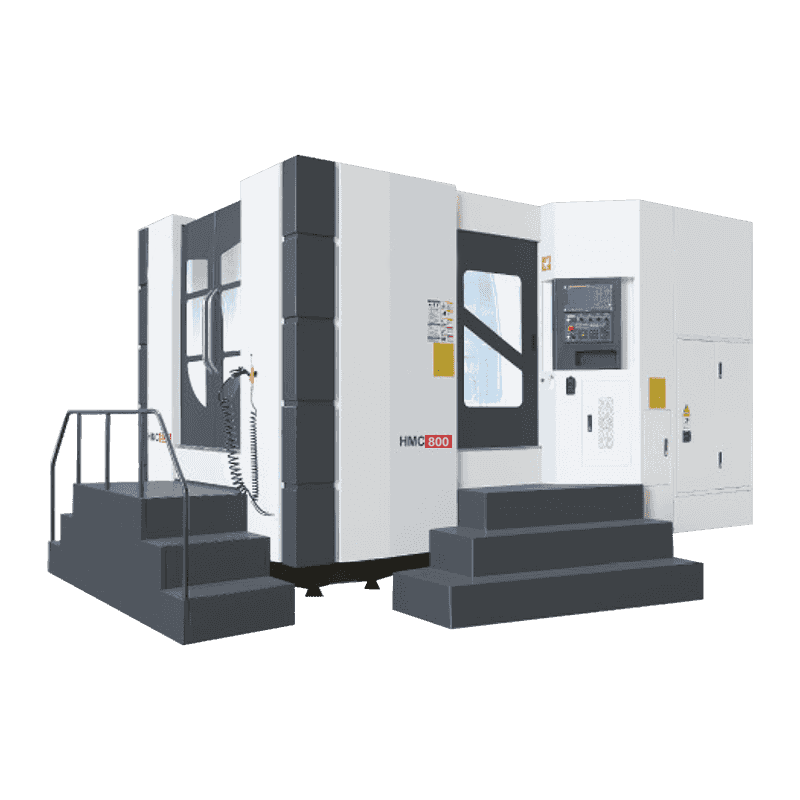
The bed adopts inverted T structure layout, the table moves around (X axis), the headstock moves up and down (Y axis) and the column moves back and fo...
See Details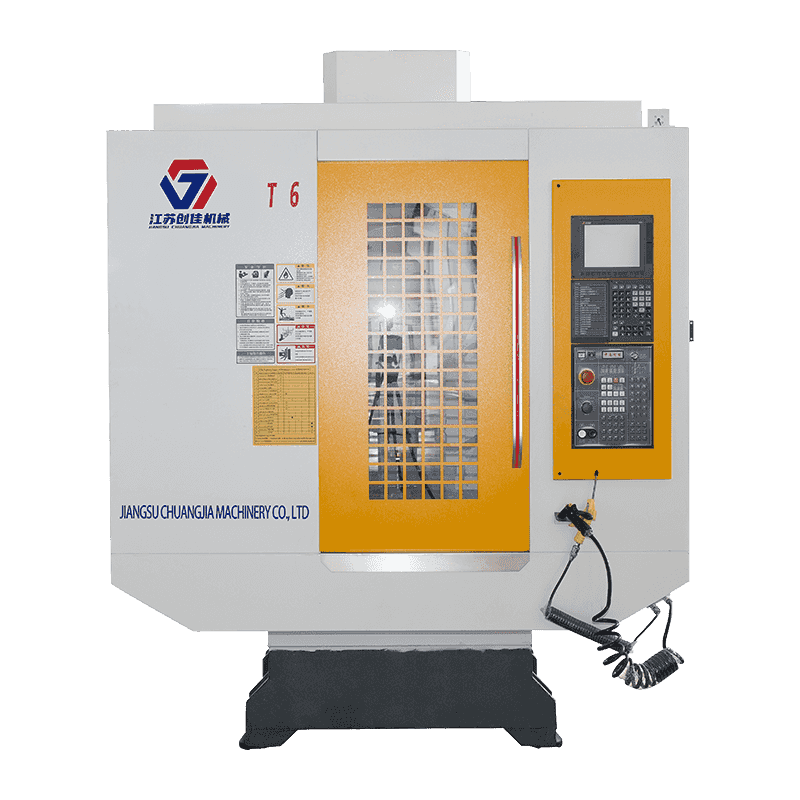
Drilling and tapping center ZN-T6 has easy operability, high reliability, ultra-high cost performance, mainly used in general industry, hardware, medi...
See Details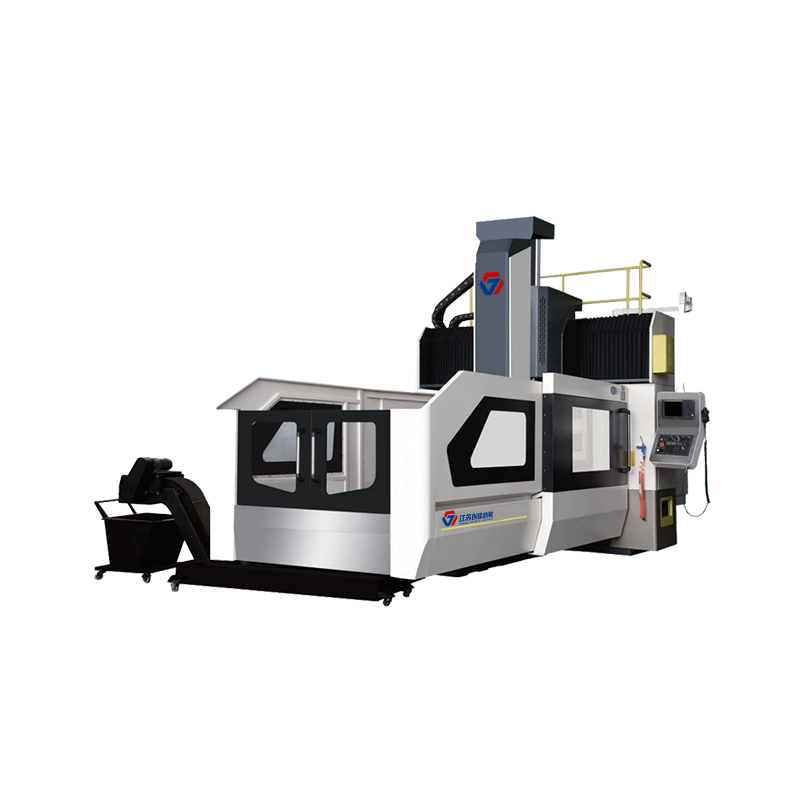
The machine adopts the structure form of fixed gantry frame and moving table on the bed. Beam column integrated design, has the characteristics of hig...
See Details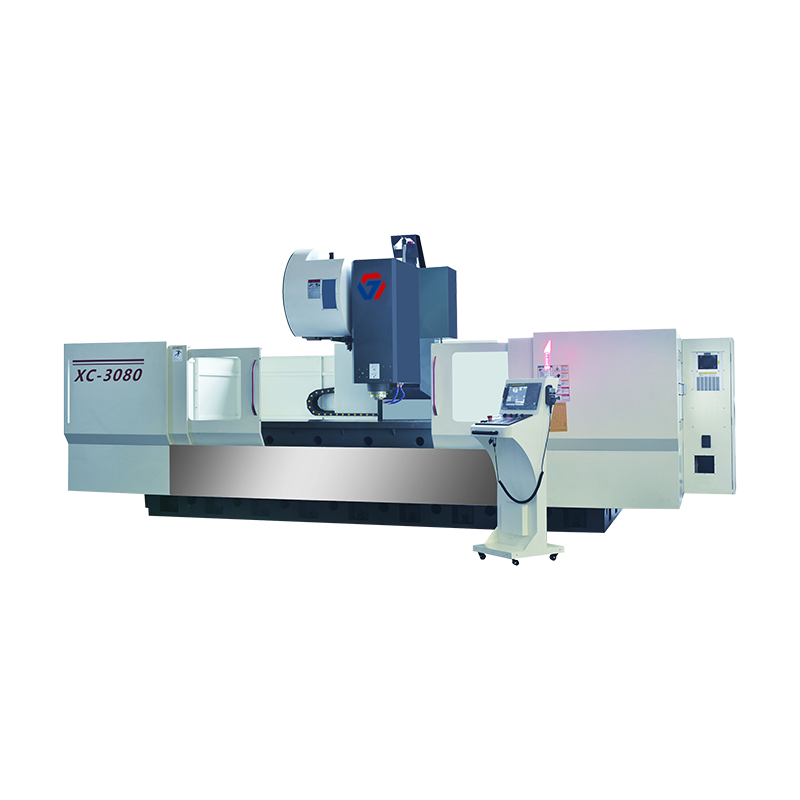
Mainly process the internal profiles of rail transit locomotives; Narrow and long parts of automobiles; TV frames, refrigerator frames, communication ...
See Details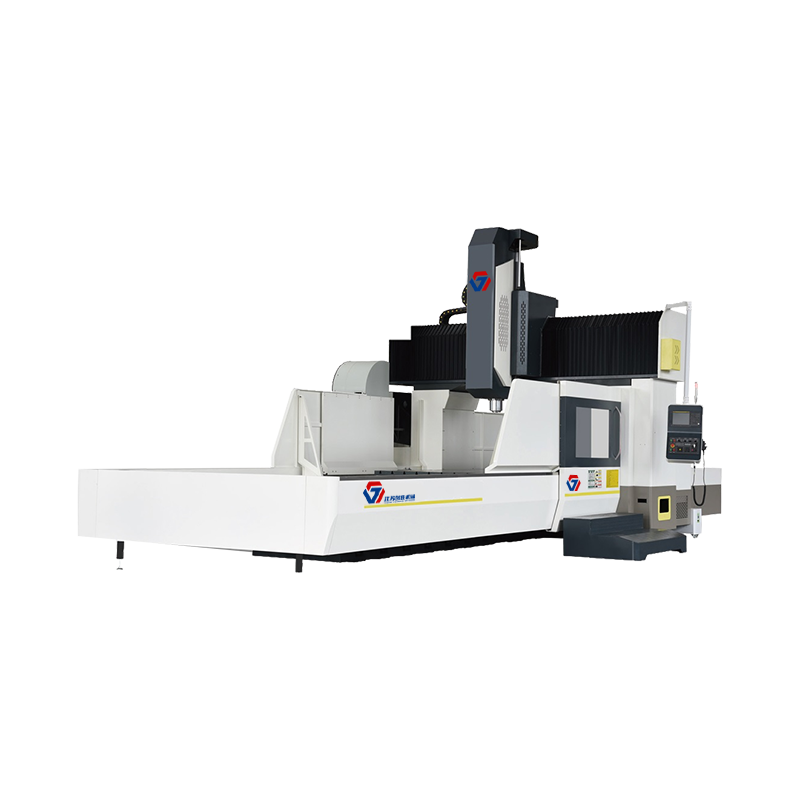
The machine adopts the structure form of fixed gantry frame and moving table on the bed. Beam column integrated design, has the characteristics of hig...
See Details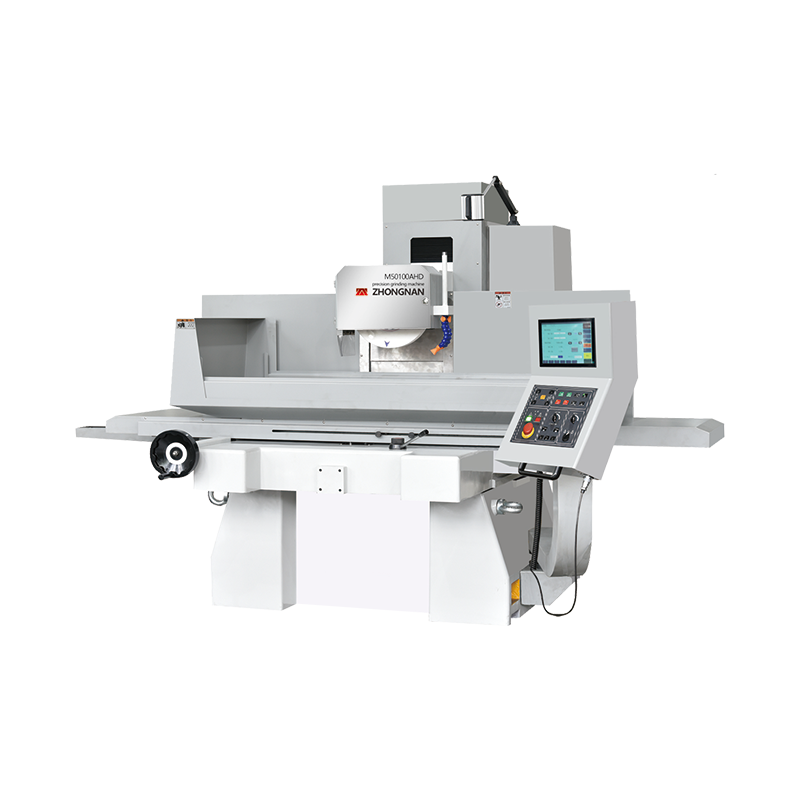
High precision/High speed/easy to operate CNC surface grinding machine X axis hydraulic /YZ axis servo/CNC system. Cross slide structure, double V rai...
See Details
All rights reserved Jiangsu Chuangjia Machinery Co., LTD.
