
 Search products
 en
en 简体中文
简体中文 русский
 Español
HMC-630(Inverted T) Horizontal Machining Center
Cat:Horizontal Machining Center
The bed adopts inverted T structure layout, the table moves around (X axis), the headstock moves up and down (Y axis) and the column moves back and fo...
See DetailsThe CNC Gantry Machining Center typically integrates multiple cooling systems rather than relying on a single method — and yes, when properly configured, these systems are effective for both dry cutting of composites and wet cutting of steel. The key is selecting and combining the right cooling strategy for each material, as no single system is universally optimal across all workpiece types. Most industrial-grade gantry machines offer at least flood coolant, minimum quantity lubrication (MQL), and compressed air blast as standard or optional configurations.
Depending on the machine builder and configuration, a CNC Gantry Machining Center may be equipped with one or more of the following cooling and lubrication systems:
When a CNC Gantry Machining Center is used to machine carbon fiber reinforced polymers (CFRP), glass fiber composites, or aramid-based materials, liquid coolant is deliberately excluded. The reasons are both technical and practical:
On a properly equipped CNC Gantry Machining Center, dry composite cutting is managed effectively through:
Leading aerospace manufacturers operating CNC Gantry Machining Centers on CFRP fuselage panels — some exceeding 10 meters in length — rely exclusively on dry cutting with vacuum extraction, achieving surface quality of Ra 1.6 µm or better and zero delamination at the cut edge.
Steel machining on a CNC Gantry Machining Center is an entirely different thermal environment. When rough-milling structural steel (S355) or hard milling tool steel (H13, HRC 52), cutting zone temperatures can exceed 600–900°C at the tool tip. Effective liquid cooling is not optional — it is essential for tool life, dimensional accuracy, and part quality.
The flood coolant system on a CNC Gantry Machining Center delivers a continuous stream of water-soluble cutting fluid — typically at a 5–10% emulsion concentration — to the cutting zone. This achieves three simultaneous functions: heat removal, lubrication at the tool-chip interface, and chip flushing from the machining area. Flow rates of 80–120 L/min are common on large gantry machines processing heavy steel billets.
For deep-pocket milling, drilling, or high-feed machining of steel on a CNC Gantry Machining Center, through-spindle coolant is significantly more effective than external flood nozzles. TSC at 70–100 bar delivers coolant directly to the cutting edge, reducing tool tip temperature by up to 30–40% compared to external flood alone. This translates directly into tool life improvements — users report carbide insert life extending from 45 minutes to over 90 minutes per edge when switching from external flood to TSC on P20 mold steel roughing operations.
The table below outlines the recommended cooling approach for each material type when using a CNC Gantry Machining Center:
| Workpiece Material | Recommended Cooling Method | Key Reason | Typical Effectiveness |
|---|---|---|---|
| CFRP / Composites | Dry + Air Blast + Vacuum | Moisture damages fiber structure | High |
| Structural Steel (S355) | Flood Coolant (80–120 L/min) | High heat generation, chip flushing | High |
| Hardened Mold Steel (H13) | TSC at 70–100 bar | Direct tool tip cooling at depth | Very High |
| Aluminum Alloy (7075) | MQL or Light Flood | Prevents built-up edge, low heat | High |
| Titanium (Ti-6Al-4V) | TSC + Cryogenic (optional) | Extremely low thermal conductivity | High with TSC |
| Inconel 718 | High-pressure TSC or Cryogenic | Work hardening, extreme heat | Moderate–High |
| Graphite Electrodes | Dry + Enclosed Vacuum Extraction | Dust hazard, liquid causes paste | High |
Beyond the cutting zone, a CNC Gantry Machining Center must also manage heat generated within the spindle itself. At high speeds — particularly above 12,000 RPM — spindle bearing friction generates enough heat to cause measurable thermal elongation of the spindle shaft. Even a 5°C rise in spindle temperature can cause 10–15 µm of axial growth, directly affecting Z-axis depth accuracy.
High-quality gantry machining centers address this with a dedicated spindle oil-air cooling unit or water-jacket cooling system that circulates temperature-controlled fluid around the spindle housing. The best systems maintain spindle housing temperature within ±0.5°C of ambient even during continuous 8-hour production runs, whether the machine is running dry on composites or wet on steel.
If your facility requires a single CNC Gantry Machining Center to handle both composite dry cutting and steel wet cutting, the machine must be specified with several key features:
Specifying a CNC Gantry Machining Center with all of the above features adds approximately 8–15% to the base machine cost, but eliminates the need for separate dedicated machines for composite and metal workpieces — a strong return on investment for mixed-material production environments.
When evaluating a CNC Gantry Machining Center for cooling system capability, always request the following documentation and testing from the machine builder:
A well-configured CNC Gantry Machining Center with a comprehensive, switchable cooling architecture is fully capable of excelling at both dry composite and wet steel machining — but only if the machine is correctly specified from the outset.
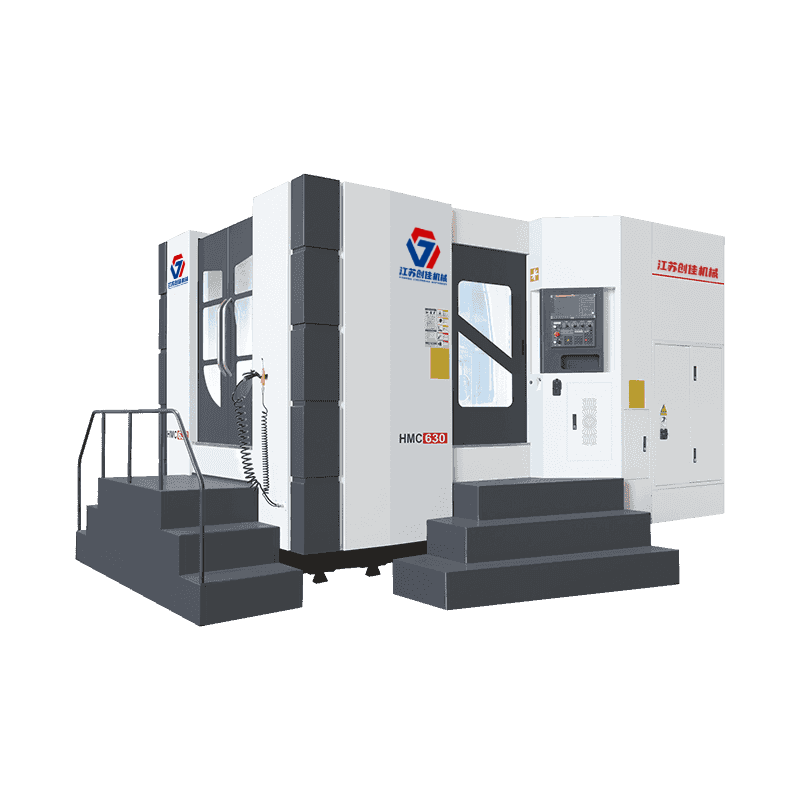
The bed adopts inverted T structure layout, the table moves around (X axis), the headstock moves up and down (Y axis) and the column moves back and fo...
See Details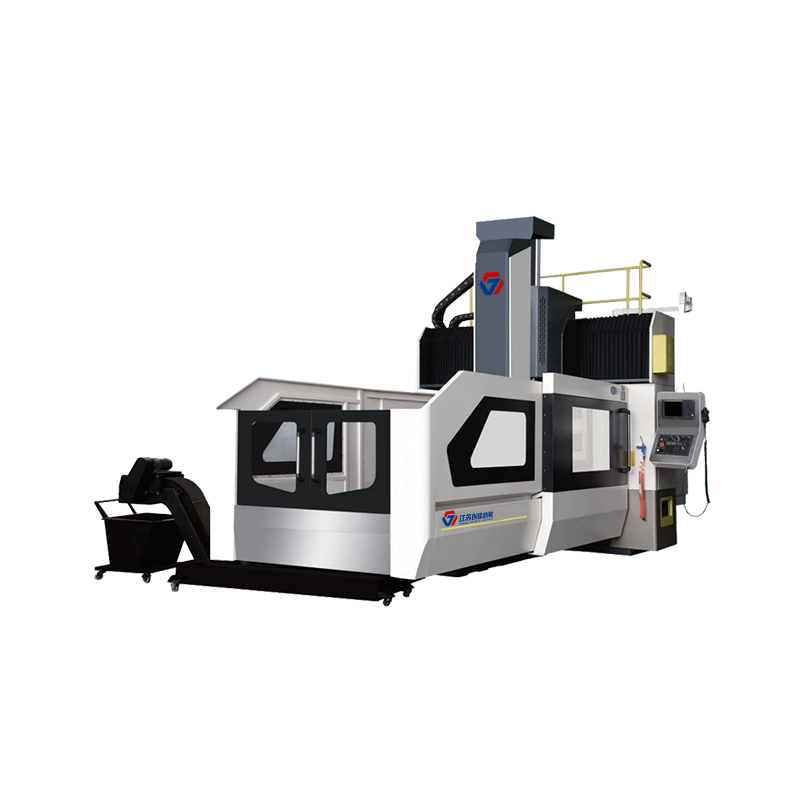
The machine adopts the structure form of fixed gantry frame and moving table on the bed. Beam column integrated design, has the characteristics of hig...
See Details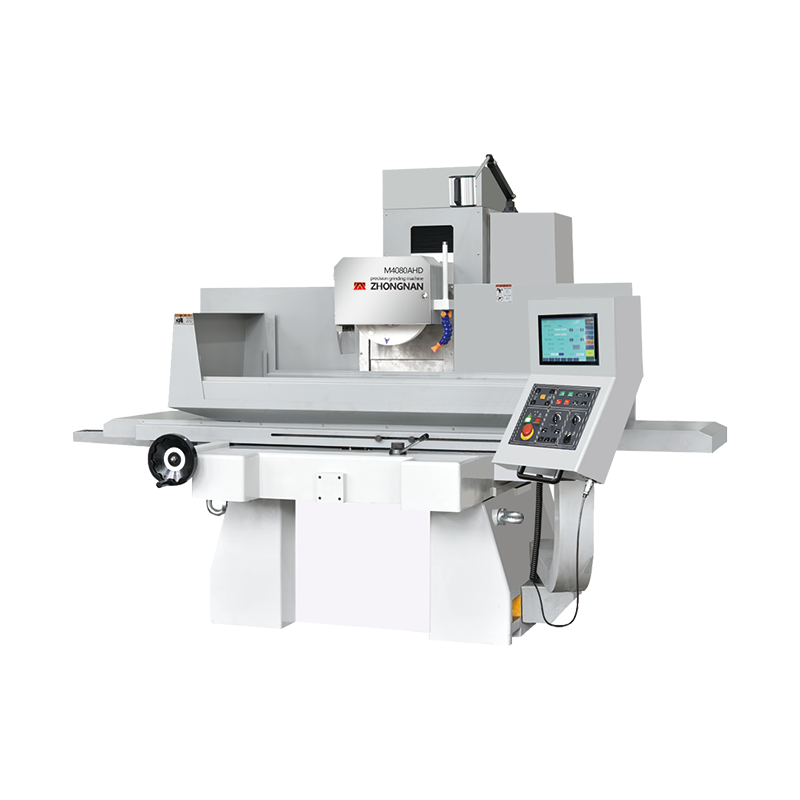
High precision/High speed/easy to operate CNC surface grinding machine X axis hydraulic /YZ axis servo/CNC system. Cross slide structure, double V rai...
See Details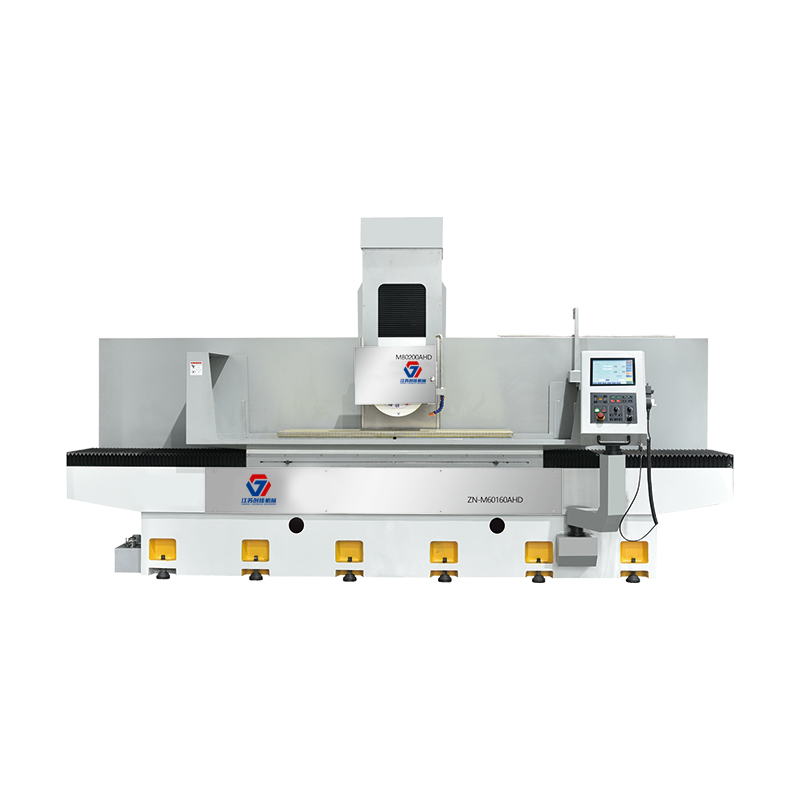
The machine tool is mainly suitable for the precision grinding of various metal materials, such as plane, step and specific shape, and is widely used ...
See Details
The three-axis support surface of this series of gantry machining center adopts heavy-duty roller linear guide, which is easy to maintain, low frictio...
See Details
The machine adopts the structure form of fixed gantry frame and moving table on the bed. Beam column integrated design, has the characteristics of hig...
See Details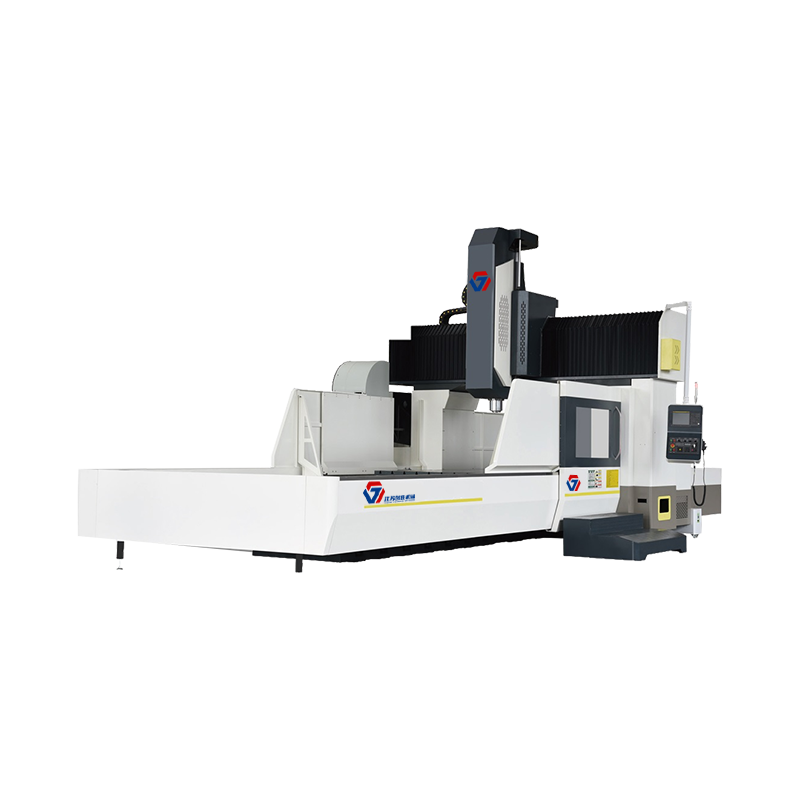
The machine adopts the structure form of fixed gantry frame and moving table on the bed. Beam column integrated design, has the characteristics of hig...
See Details
The machine adopts the structure form of fixed gantry frame and moving table on the bed. Beam column integrated design, has the characteristics of hig...
See Details
All rights reserved Jiangsu Chuangjia Machinery Co., LTD.
