
 Search products
 en
en 简体中文
简体中文 русский
 Español
ZN-L1890 Vertical Machining Center
Cat:Vertical Machining Center
This series of machining center is fixed in A-shape single column, mobile structure of workbench, high rigidity of basic parts, lightweight of moving ...
See DetailsVibration Damping: Vibration damping in a CNC Surface Grinding Machine is a critical design and operational characteristic that determines the machine’s ability to maintain consistent contact between the grinding wheel and the workpiece during high-speed or high-precision grinding operations. Vibrations can originate from multiple sources, including the spindle assembly, uneven wear of the grinding wheel, motor torque fluctuations, or even environmental vibrations transmitted through the shop floor. Without proper damping, these oscillations can produce irregularities such as chatter marks, ridges, or micro-waviness on the workpiece surface, directly reducing the surface finish quality. Modern CNC Surface Grinding Machines incorporate advanced solutions such as heavy-duty cast iron or polymer concrete beds, vibration-isolating mounts, dynamically balanced spindles, and active damping control systems. These technologies minimize mechanical resonance, stabilize the wheel-workpiece interface, and allow the machine to maintain precise material removal, ensuring uniform flatness and mirror-like finishes, even on complex geometries or hard materials that are highly sensitive to vibration-induced defects.
Thermal Stability: Thermal stability refers to the CNC Surface Grinding Machine’s ability to maintain its dimensional accuracy and positional integrity in the presence of heat generated during operation, ambient temperature fluctuations, or extended continuous grinding cycles. Heat can arise from the friction between the grinding wheel and workpiece, spindle rotation, high-speed movement of axes, and even prolonged idle times where the machine remains powered. Thermal expansion of machine components, even by a few microns, can alter the relative positions of the table, spindle, and grinding wheel, causing deviations in flatness, parallelism, and surface finish consistency. Machines with high thermal stability use materials with low coefficients of thermal expansion, precision-engineered linear guides, thermally compensated spindle systems, and integrated cooling circuits to manage heat buildup. Maintaining thermal equilibrium throughout a grinding cycle allows the machine to consistently achieve target tolerances, prevent cumulative errors, and produce smooth, uniform surfaces, particularly during the production of high-precision components in aerospace, mold making, and automotive applications.
Impact on Surface Finish Quality: The combined effects of vibration damping and thermal stability directly determine the achievable surface finish quality on a CNC Surface Grinding Machine. Proper vibration control prevents surface defects such as chatter marks, micro-grooves, and uneven textures, while thermal stability ensures dimensional and geometric consistency. When both factors are optimized, the grinding process produces surfaces with uniform roughness, precise flatness, and accurate dimensional tolerances. This level of performance is essential for components requiring extremely tight surface finish specifications, such as precision dies, bearing seats, and hardened steel parts. Conversely, machines with poor vibration control or insufficient thermal stability will produce inconsistent finishes, necessitating additional rework or compromising functional performance. Therefore, these design features are not just about machine longevity but also about ensuring reproducibility, enhancing productivity, and maintaining strict adherence to quality standards across production runs.
Operational Advantages: CNC Surface Grinding Machines with superior vibration damping and thermal stability offer significant operational advantages beyond improved surface finish. By minimizing vibration-induced errors and thermally induced positional drift, these machines reduce the need for frequent recalibration, inspection, and rework, thereby lowering overall production costs. They enable operators to perform high-precision grinding on a wide range of materials, including hardened steels, carbide, and exotic alloys, without compromising accuracy or surface integrity. Advanced damping and thermal control also allow for longer continuous operation without degradation of precision, increasing throughput and repeatability in mass production settings. Industries such as aerospace, automotive, tool and die manufacturing, and medical device production particularly benefit from these features, as they require extremely tight tolerances and high-quality surface finishes for functional and safety-critical components. Overall, these characteristics enhance machine reliability, operator confidence, and manufacturing efficiency, making them a critical factor in evaluating the total cost of ownership and performance of a CNC Surface Grinding Machine.
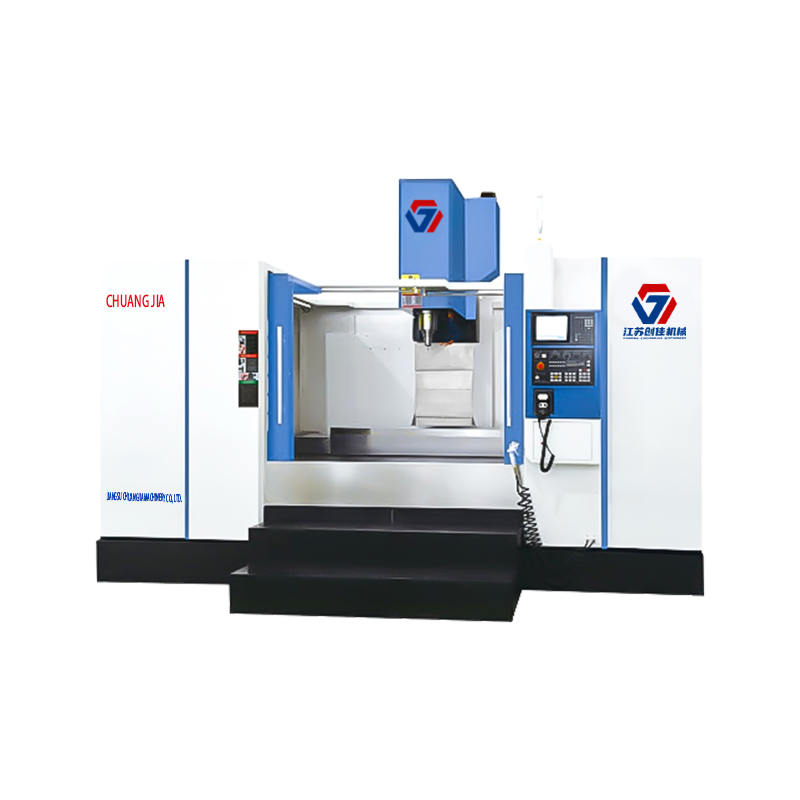
This series of machining center is fixed in A-shape single column, mobile structure of workbench, high rigidity of basic parts, lightweight of moving ...
See Details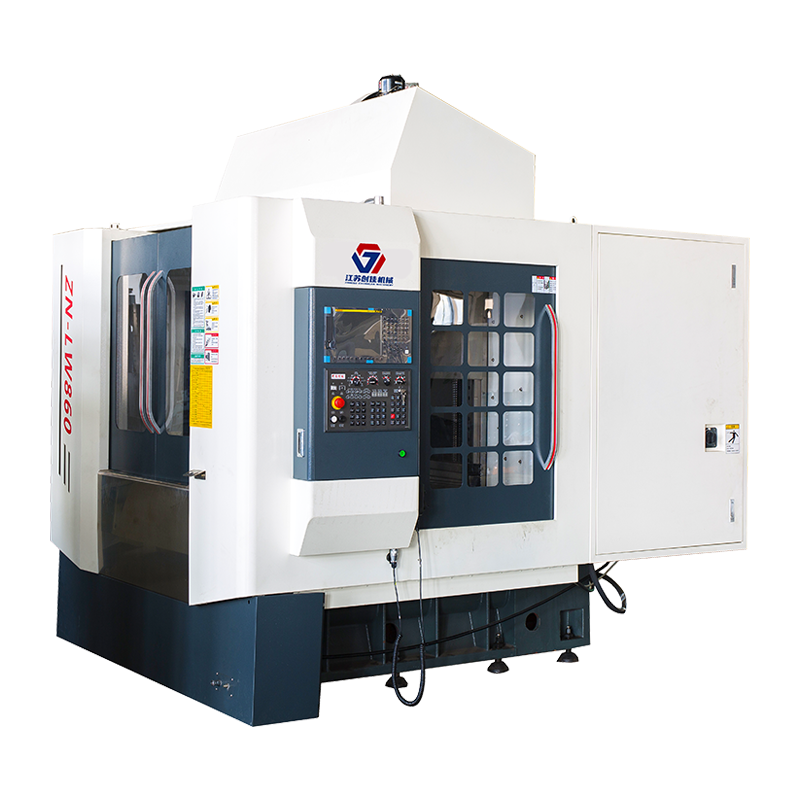
The machine adopts a cross sliding saddle structure, the table moves around (X axis), the headstock moves up and down (Y axis) and the saddle moves ba...
See Details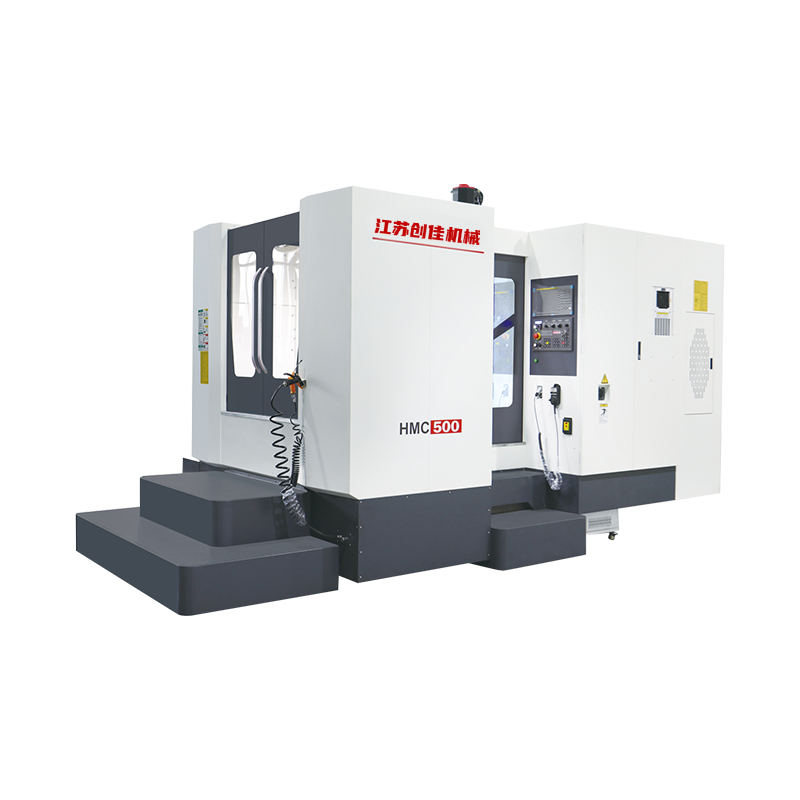
The bed adopts inverted T structure layout, the table moves around (X axis), the headstock moves up and down (Y axis) and the column moves back and fo...
See Details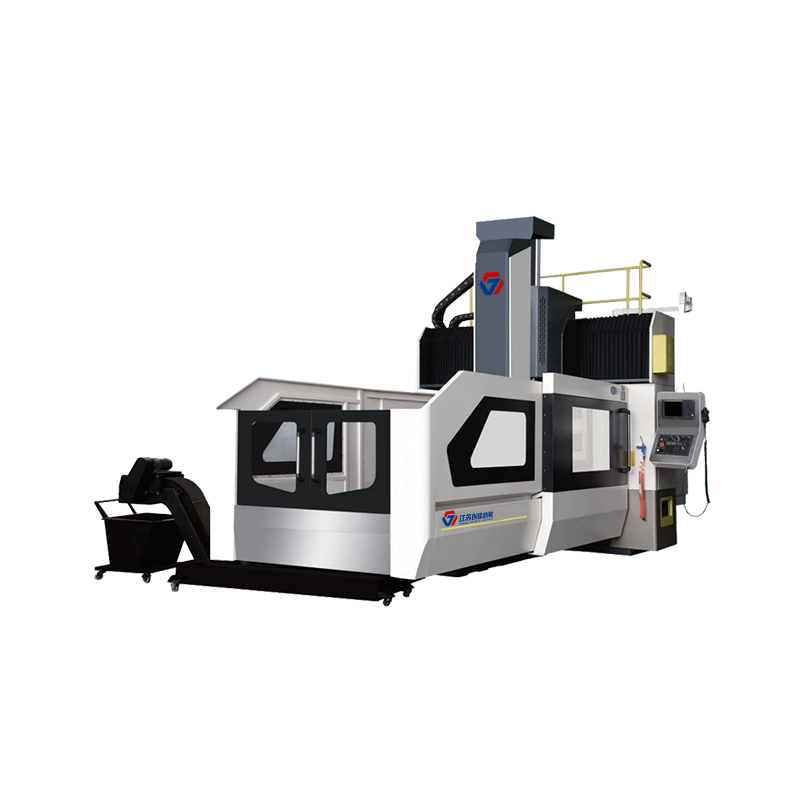
The machine adopts the structure form of fixed gantry frame and moving table on the bed. Beam column integrated design, has the characteristics of hig...
See Details
The machine adopts the structure form of fixed gantry frame and moving table on the bed. Beam column integrated design, has the characteristics of hig...
See Details
The three-axis support surface of this series of gantry machining center adopts heavy-duty roller linear guide, which is easy to maintain, low frictio...
See Details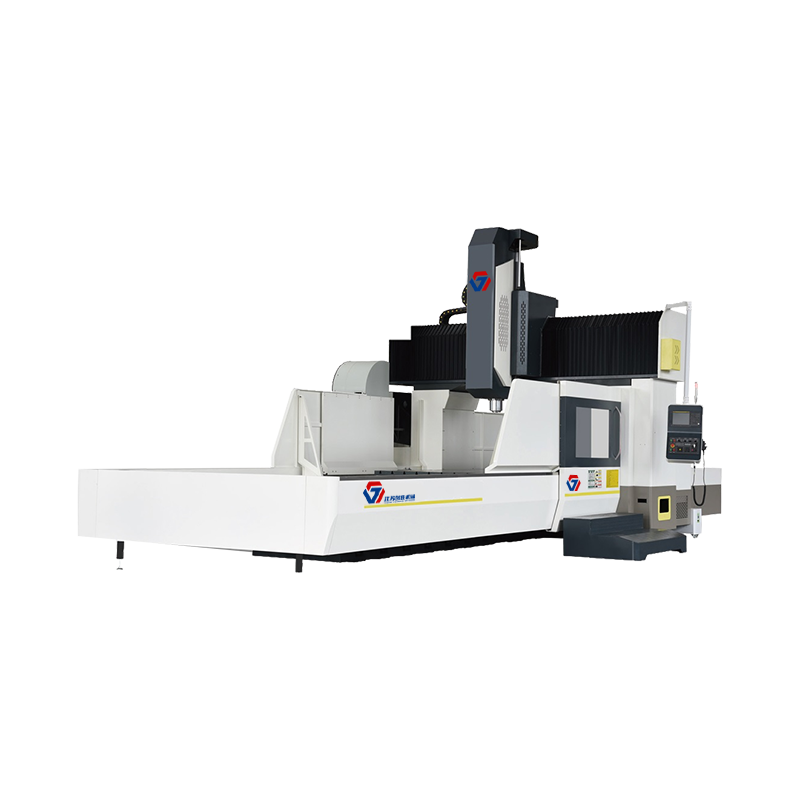
The machine adopts the structure form of fixed gantry frame and moving table on the bed. Beam column integrated design, has the characteristics of hig...
See Details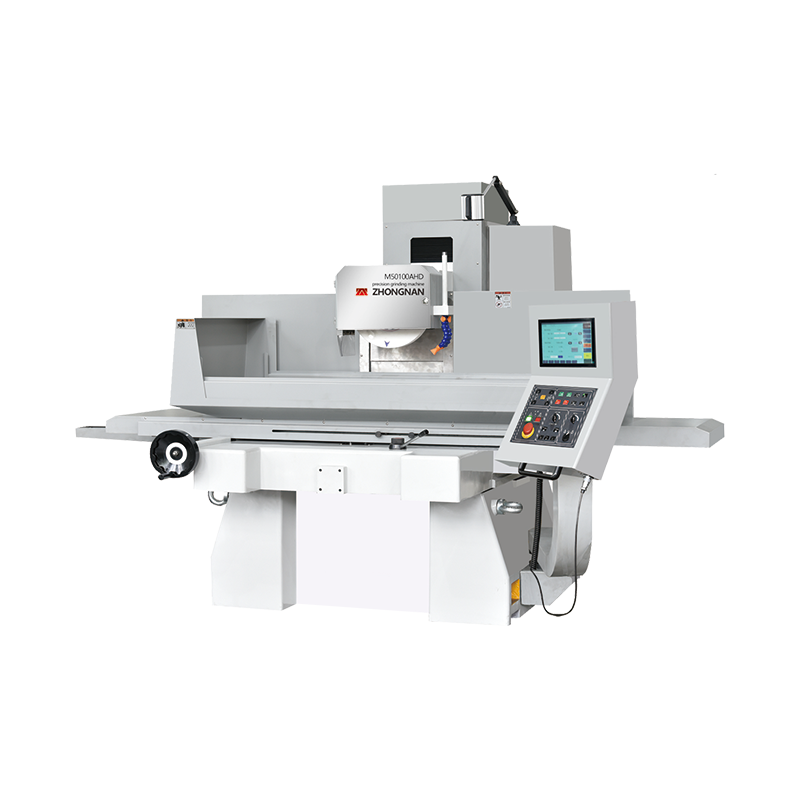
High precision/High speed/easy to operate CNC surface grinding machine X axis hydraulic /YZ axis servo/CNC system. Cross slide structure, double V rai...
See Details
All rights reserved Jiangsu Chuangjia Machinery Co., LTD.
