
 Search products
 en
en 简体中文
简体中文 русский
 Español
ZN-L1580 Vertical Machining Center
Cat:Vertical Machining Center
This series of machining center is fixed in A-shape single column, mobile structure of workbench, high rigidity of basic parts, lightweight of moving ...
See DetailsAn Industrial CNC Milling Machine offers exceptional precision due to its computer-controlled operations. The use of sophisticated software and precise motors ensures that each cutting operation is performed with extreme accuracy. CNC machines are capable of producing parts with tight tolerances, often in the range of ±0.001 mm or even tighter, depending on the specific machine and the materials being processed. The ability to program and automate movements allows for complex and intricate geometries to be milled with a high degree of consistency and repeatability, making CNC milling the preferred choice for industries that demand tight tolerances and high-quality finishes. CNC machines can perform multi-axis movements, which further increases their precision in producing complex shapes that manual machines cannot achieve with the same level of consistency. The precision of a CNC machine is largely unaffected by operator error, as the machine follows the exact programmed instructions, ensuring uniform results.
In contrast, a traditional manual milling machine relies entirely on the operator’s skill and judgment, which introduces variability into the process. Manual mills are inherently less precise because the operator is responsible for adjusting feed rates, cutting depths, and tool positioning during each operation. While an experienced operator may achieve relatively precise results, manual milling is still prone to human error, especially over long production runs or when handling complex parts. The tolerance of a manual machine typically ranges from ±0.05 mm to ±0.1 mm, and achieving extremely tight tolerances consistently is much more difficult without additional steps or adjustments. Consequently, while manual mills are suitable for simpler tasks, they fall short in applications that require consistent precision.
Speed is one of the most significant differences between Industrial CNC Milling Machines and traditional manual milling machines. CNC machines are designed for high-efficiency production and can operate continuously with minimal operator intervention. The computer control system optimizes the tool paths, spindle speeds, and feed rates, which reduces setup times and improves machining efficiency. CNC machines can process large quantities of parts in a fraction of the time it would take a manual machine to perform the same tasks. This is especially true for jobs that require repeating the same operation multiple times, such as mass production of identical components. Advanced features like automatic tool changers (ATCs) further streamline the process by reducing manual tool change time during long runs, enabling the machine to maintain high production rates without frequent stops. As a result, CNC milling machines are ideal for industries that require fast, large-scale manufacturing, such as aerospace, automotive, and electronics.
On the other hand, traditional manual milling machines are much slower because the process requires constant operator involvement. The operator must manually adjust settings like the feed rate, cutting depth, and tool path at every step of the machining process, which consumes time and limits the machine’s throughput. Manual machines are especially inefficient for tasks that involve repetitive operations or mass production, as the operator must be present to make adjustments and monitor the work. While manual milling can still be used effectively for small batch jobs or one-off parts, the process is much slower, and production runs are limited in comparison to CNC systems.
One of the most notable advantages of an Industrial CNC Milling Machine is its level of automation. CNC milling machines operate with minimal human intervention once the program is loaded, which increases productivity, reduces human error, and ensures repeatability in production. The machine can operate autonomously for extended periods, even overnight, as it performs tasks such as tool changes, material handling, and part production. Automated toolpath generation, material handling, and real-time adjustments to machining parameters are all controlled by the machine's CNC system, which is typically linked to advanced CAD/CAM (Computer-Aided Design/Computer-Aided Manufacturing) software. This automation not only saves time but also significantly reduces the need for human labor, making CNC machines ideal for environments where high volume, consistent quality, and minimal downtime are critical. In industries such as aerospace and automotive, automation enables the production of thousands of parts with identical specifications, reducing waste and optimizing the manufacturing process.
By contrast, manual milling machines are entirely dependent on human operators for every aspect of the operation. There is no built-in automation to adjust feed rates, tool paths, or other machining variables. Operators must monitor the machine continuously, making adjustments as necessary, which introduces variability and inefficiencies. The operator's skill level directly impacts the machine's ability to perform effectively, and manual intervention is required at every stage of the process, from setup to execution. This lack of automation can lead to increased errors, slower production times, and greater labor costs, especially in situations where parts need to be machined with consistent precision over extended periods.
An Industrial CNC Milling Machine excels in handling complex parts with multiple geometries, deep cavities, or multi-axis contours. CNC machines can perform intricate operations, including 3D machining, which is far beyond the capability of a traditional manual mill. The multi-axis capabilities of CNC machines (often 4, 5, or even more axes) allow for simultaneous movement in multiple directions, enabling the production of parts with complex, curved surfaces, precise angles, and detailed features. This is essential for industries that require highly detailed and intricate designs, such as medical device manufacturing, high-performance automotive components, and aerospace parts. The machine can perform various operations like drilling, boring, milling, and turning within a single setup, reducing the need for manual repositioning of the workpiece and improving overall accuracy.
Manual milling machines, however, are limited to simpler tasks that do not require multi-axis movements. Complex parts with intricate features typically need to be machined in multiple stages, with the workpiece being repositioned manually between each stage. This not only increases the likelihood of inaccuracies but also lengthens the setup and machining time. While manual mills are versatile and can handle a range of operations, they are best suited for simpler, less complex components. For tasks requiring complex shapes, tight tolerances, or multiple features, a CNC mill is almost always the better option.
The setup time for an Industrial CNC Milling Machine is significantly lower than for traditional manual milling machines. Once the design is input into the machine's CNC system, the machine automatically adjusts its settings and tool paths based on the parameters specified in the program. Modern CNC machines may also feature automatic tool changers (ATCs), which allow the machine to switch tools without human intervention, further reducing downtime. This level of automation and optimization streamlines the process, making CNC machines ideal for high-volume production where efficiency is paramount. The setup process for CNC machines is typically limited to loading the raw material and setting up the program, which can be completed quickly, especially when compared to manual machines.
In contrast, manual milling machines require more extensive setup time. The operator must manually adjust settings such as feed rates, cutting depths, and tool positions for each part. If the workpiece changes, the operator must go through the entire setup process again. Additionally, manual mills require the operator to physically change tools and adjust machine settings as machining progresses, which leads to longer setup times for each new job. This can be particularly time-consuming for jobs that require frequent tool changes or intricate setups.
Industrial CNC Milling Machines are known for their ability to produce consistent results over long production runs. Once the program is set up and the machine is operational, it can produce identical parts with the same specifications repeatedly, with little to no variation in quality. This consistency is one of the key advantages of CNC milling, as it eliminates the potential for human error and ensures that parts are produced to the exact tolerances specified in the design. CNC machines are also equipped with feedback systems that continuously monitor the machining process, making real-time adjustments if necessary, further ensuring consistent outcomes.
In contrast, manual milling machines are prone to inconsistencies due to operator variability. Even the most skilled operators can introduce slight errors, such as variations in feed rates, tool paths, or cutting depths, which can result in inconsistencies between parts. This can lead to quality issues, especially when producing large quantities of parts where uniformity is essential. While manual milling is effective for small runs or custom pieces, it cannot match the repeatability and consistency of a CNC milling machine, especially for large-scale manufacturing where identical results are required across many parts.
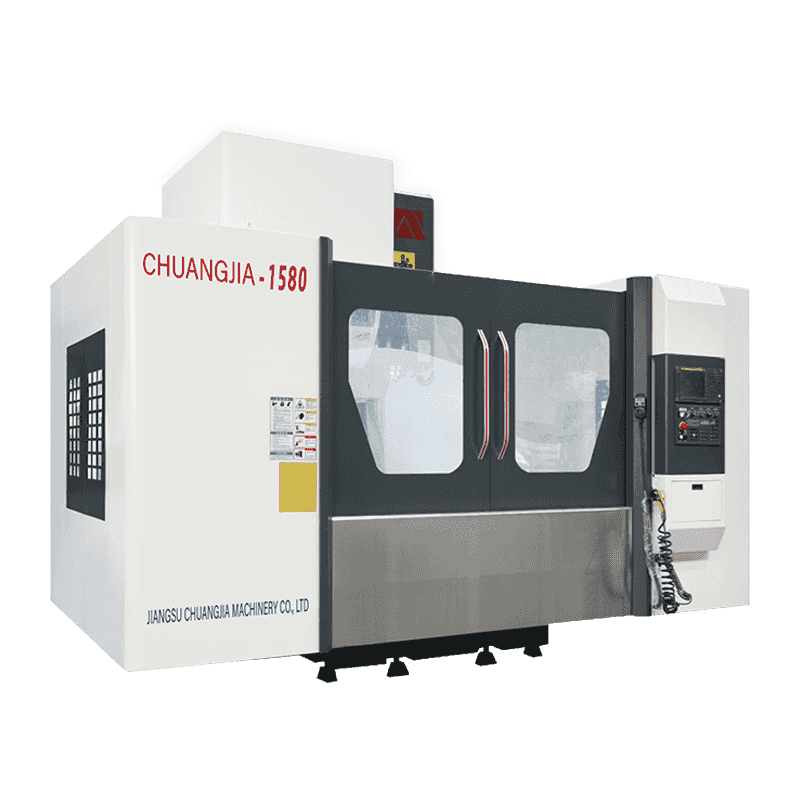
This series of machining center is fixed in A-shape single column, mobile structure of workbench, high rigidity of basic parts, lightweight of moving ...
See Details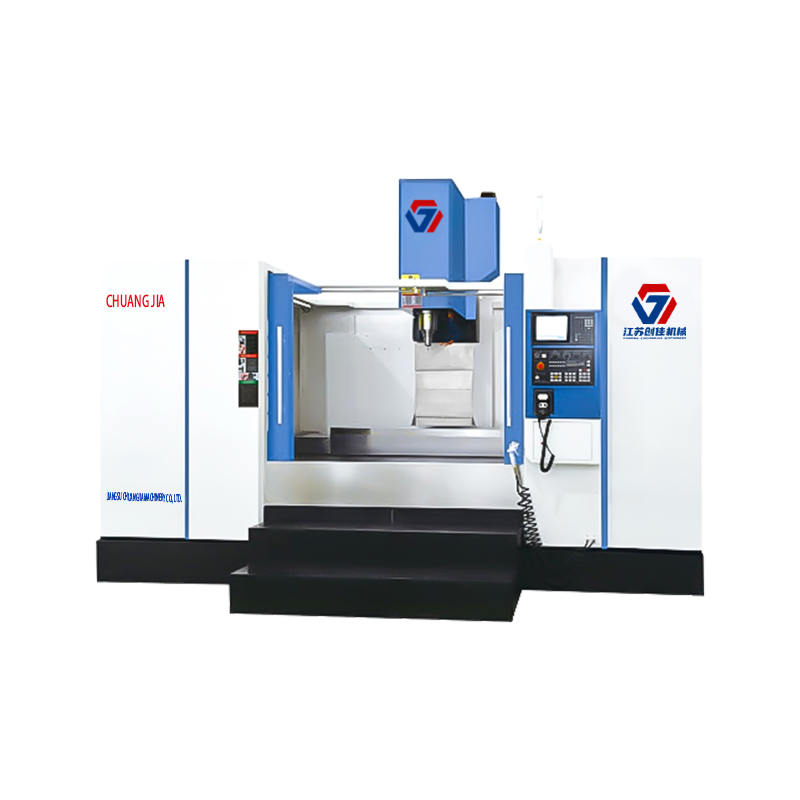
This series of machining center is fixed in A-shape single column, mobile structure of workbench, high rigidity of basic parts, lightweight of moving ...
See Details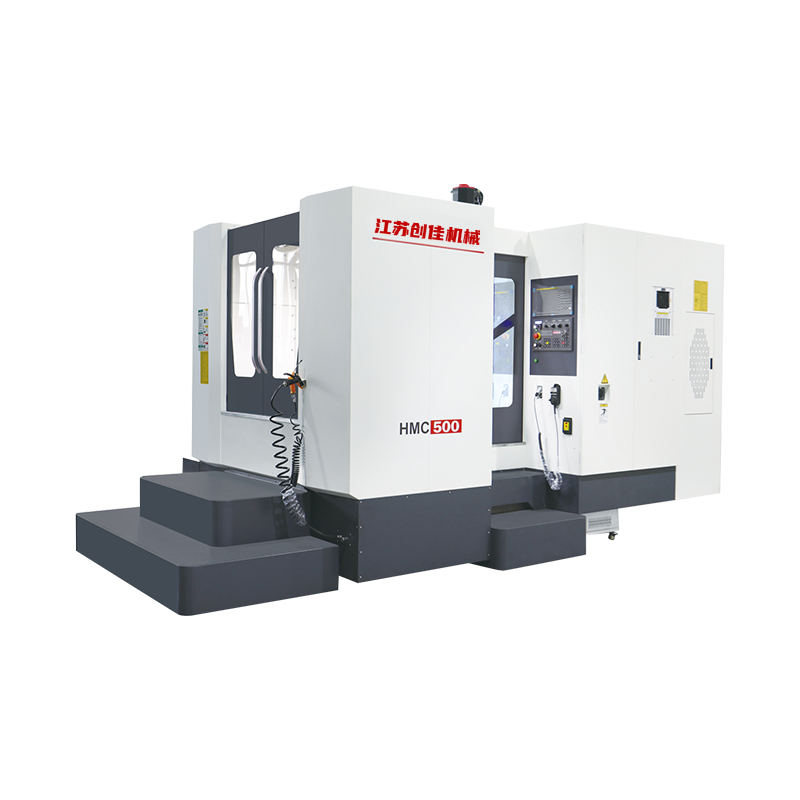
The bed adopts inverted T structure layout, the table moves around (X axis), the headstock moves up and down (Y axis) and the column moves back and fo...
See Details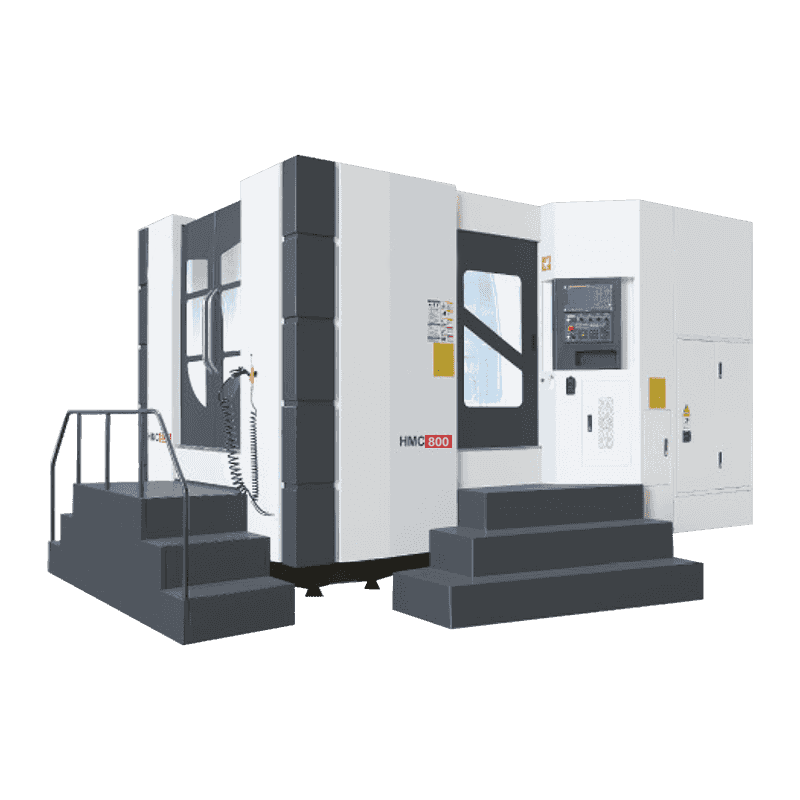
The bed adopts inverted T structure layout, the table moves around (X axis), the headstock moves up and down (Y axis) and the column moves back and fo...
See Details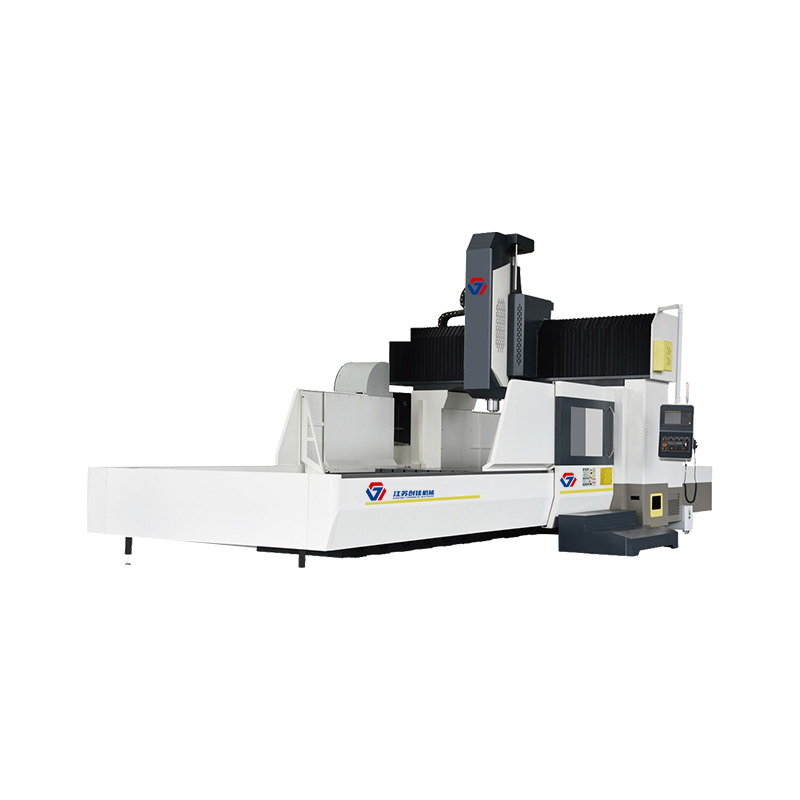
The machine adopts the structure form of fixed gantry frame and moving table on the bed. Beam column integrated design, has the characteristics of hig...
See Details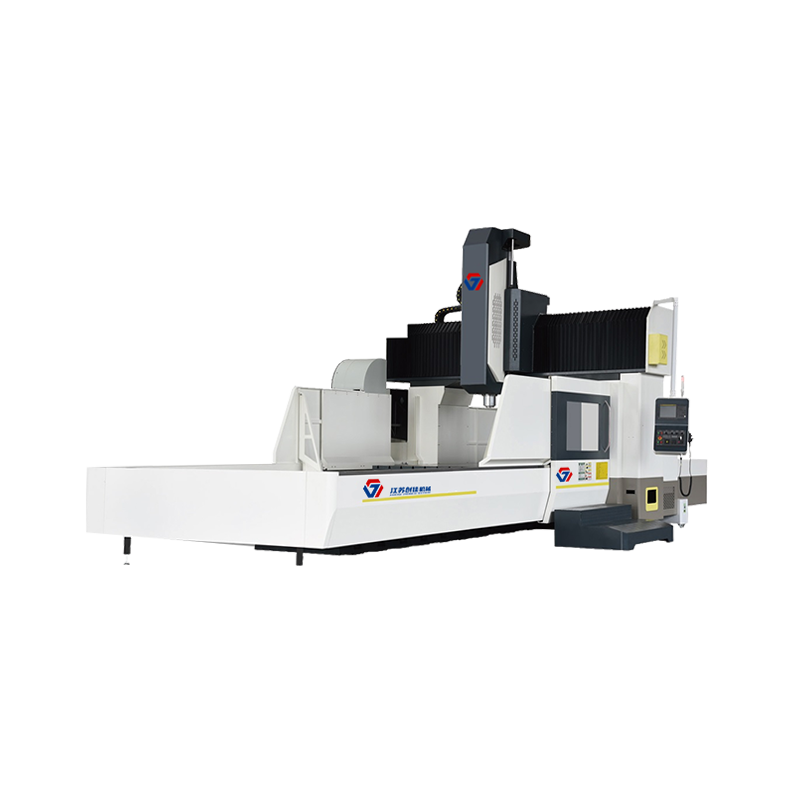
The machine adopts the structure form of fixed gantry frame and moving table on the bed. Beam column integrated design, has the characteristics of hig...
See Details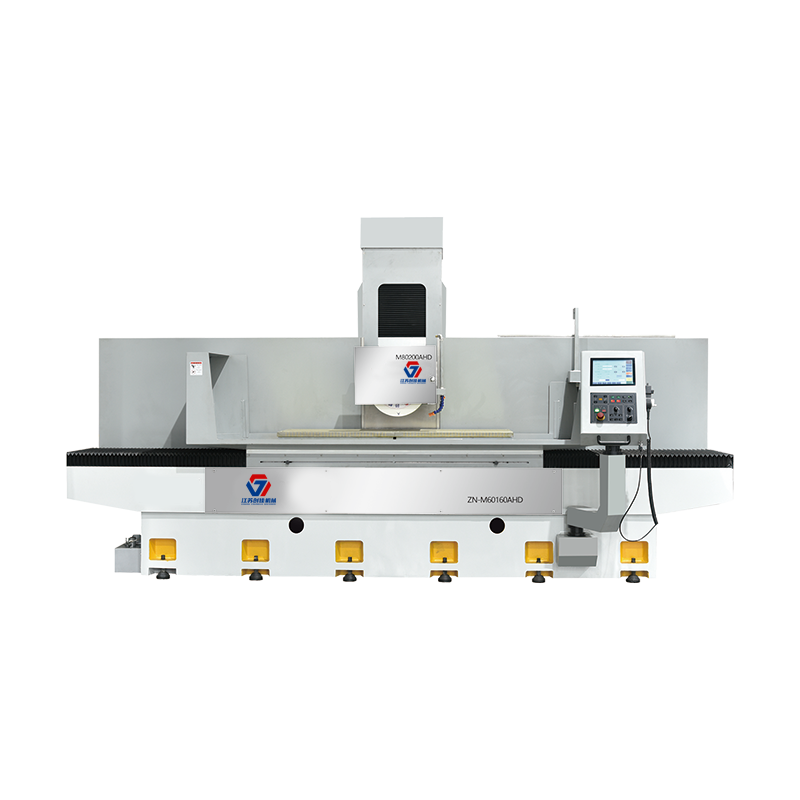
The machine tool is mainly suitable for the precision grinding of various metal materials, such as plane, step and specific shape, and is widely used ...
See Details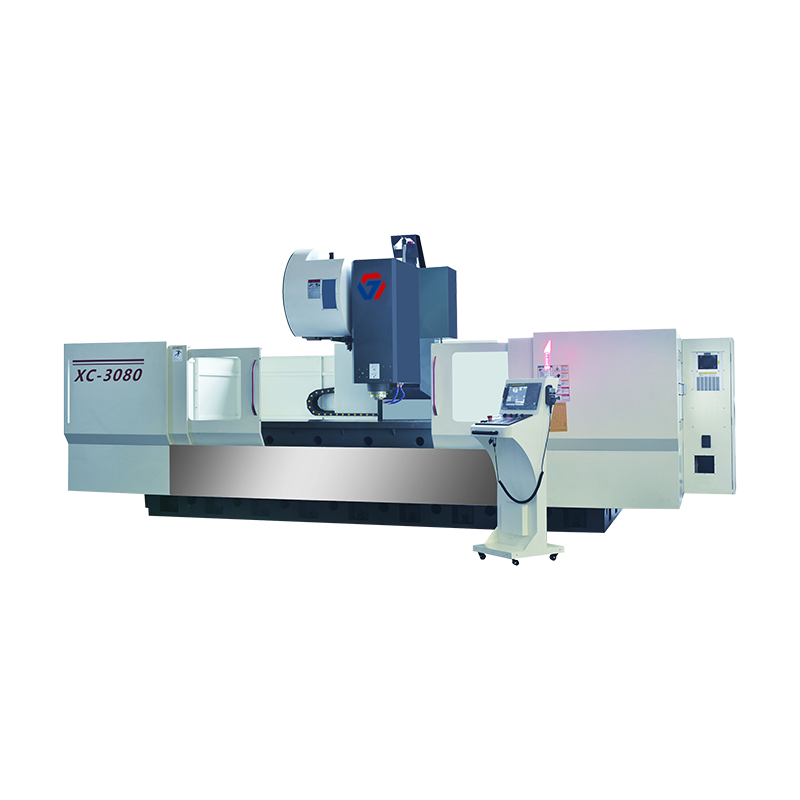
Mainly process the internal profiles of rail transit locomotives; Narrow and long parts of automobiles; TV frames, refrigerator frames, communication ...
See Details
All rights reserved Jiangsu Chuangjia Machinery Co., LTD.
