
 Search products
 en
en 简体中文
简体中文 русский
 Español
ZN-L1270 Vertical Machining Center
Cat:Vertical Machining Center
This series of machining center is fixed in A-shape single column, mobile structure of workbench, high rigidity of basic parts, lightweight of moving ...
See DetailsThe rigid gantry structure is a fundamental feature of the CNC Gantry Machining Center that ensures the accuracy of large-part machining. Unlike traditional vertical or horizontal machines, where the spindle moves relative to a fixed bed or table, the gantry configuration involves a fixed table with the machine's axes mounted on a gantry frame that moves across it. This configuration minimizes the flexing and vibration typically seen in other designs, ensuring that even the heaviest workpieces can be machined with minimal deflection. This rigidity is crucial when machining high-tolerance parts, as it eliminates the potential for inaccuracies caused by movement or flexing of the machine components during operation.
To achieve micron-level accuracy, the CNC Gantry Machining Center utilizes high-precision linear guides and ball screws on its moving axes. The linear guides provide smooth and consistent movement along the X, Y, and Z axes, with minimal friction, which translates into precise positioning and smooth transitions throughout the machining process. The ball screws contribute to this precision by translating rotational motion into linear motion with negligible backlash, offering precise control over the position of the tool. This combination of components ensures that even the most intricate parts are machined with exceptional accuracy, even under heavy loads or extended production cycles.
Many CNC Gantry Machining Centers are designed with multi-axis capabilities, such as 5-axis or 6-axis machining, allowing them to handle highly complex geometries and multi-faceted designs. This multi-axis movement enables the machine to access virtually all areas of a workpiece in a single setup, eliminating the need for multiple repositioning steps. This reduction in handling not only increases the speed of production but also ensures greater consistency in accuracy, as the workpiece remains in a fixed position throughout the machining process. With simultaneous motion on multiple axes, the CNC Gantry Machining Center can efficiently produce parts with complex contours, holes, and features, minimizing errors due to re-alignments or shifts in the part during machining.
The CNC control system is central to ensuring the high precision of the machining process. Modern CNC Gantry Machining Centers are equipped with highly advanced control software that offers real-time adjustments to machining parameters. This can include automatic compensation for thermal expansion, tool wear, or other environmental factors that may impact the machine's precision. The software also allows operators to input highly detailed instructions for complex tool paths, ensuring that each operation is carried out with the utmost accuracy. Additionally, many systems offer simulation capabilities, enabling users to visualize the entire machining process and identify potential issues before they occur, ensuring error-free execution in the physical machine.
Temperature fluctuations can significantly impact machining accuracy, particularly for large parts, where even small changes in temperature can cause thermal expansion of machine components. To combat this, CNC Gantry Machining Centers incorporate thermal compensation systems designed to maintain the machine’s internal temperature within a controlled range. These systems typically involve active cooling mechanisms or temperature regulation in both the spindle and machine frame, which help prevent any potential distortion from heat buildup during long or continuous machining operations. By managing thermal drift effectively, these systems ensure that the machine maintains its geometric integrity and delivers accurate results, even over extended periods of use.
The spindle in a CNC Gantry Machining Center plays a crucial role in achieving high precision. High-speed, high-precision spindles are commonly used to ensure that cutting speeds are consistent and stable, even when handling large or difficult-to-machine materials. These spindles are typically equipped with servo-driven motors that provide precise control over the cutting tool’s movement and cutting force, ensuring the part is machined within the required tolerances. The ability of these spindles to maintain stability under high torque is essential for minimizing vibrations and achieving a smooth, clean surface finish, especially when working with large or heavy components that generate substantial forces during machining.
In modern CNC Gantry Machining Centers, automatic tool changers are used to streamline operations and minimize downtime between tool changes. This automated system allows the machine to switch between tools quickly and accurately, reducing human error and ensuring the correct tool is used for each step of the machining process. Additionally, tool presetters are often incorporated into the system to measure the exact dimensions of each tool before it is loaded into the machine. This ensures that tools are within their specified tolerances, which is essential for achieving high precision and maintaining consistent quality across multiple parts and production runs.
To further enhance accuracy, some CNC Gantry Machining Centers include integrated measurement systems, such as in-process probes. These systems automatically measure the part during the machining process to verify its dimensions against the programmed specifications. If discrepancies are detected, the system can automatically adjust the machine’s movements or cutting parameters in real-time, ensuring that the part remains within the required tolerances. This capability significantly reduces the risk of producing out-of-spec components and helps maintain high-quality standards throughout the manufacturing process.
Large parts often generate vibrations during machining, which can lead to machining errors, surface defects, or reduced tool life. To mitigate this issue, CNC Gantry Machining Centers are designed with vibration damping systems integrated into their structure. These systems often involve damping materials and massive frames that absorb or dissipate vibrations, ensuring that the machine maintains its stability and accuracy during the cutting process. Additionally, advanced dynamic balancing techniques are used to minimize vibrations caused by rotating components, further enhancing the machining process's precision.
Efficient and precise tool path programming is key to ensuring the CNC Gantry Machining Center operates at its full potential. Advanced tool path algorithms optimize the movement of the cutting tool to reduce excess travel and cutting time. These optimized tool paths not only improve machining speed but also ensure that the cutting tool engages the workpiece in the most efficient way possible, minimizing errors and maximizing the quality of the final part. The ability to program these complex paths with high accuracy allows for the machining of complex features and geometries that might otherwise require multiple setups or manual adjustments.
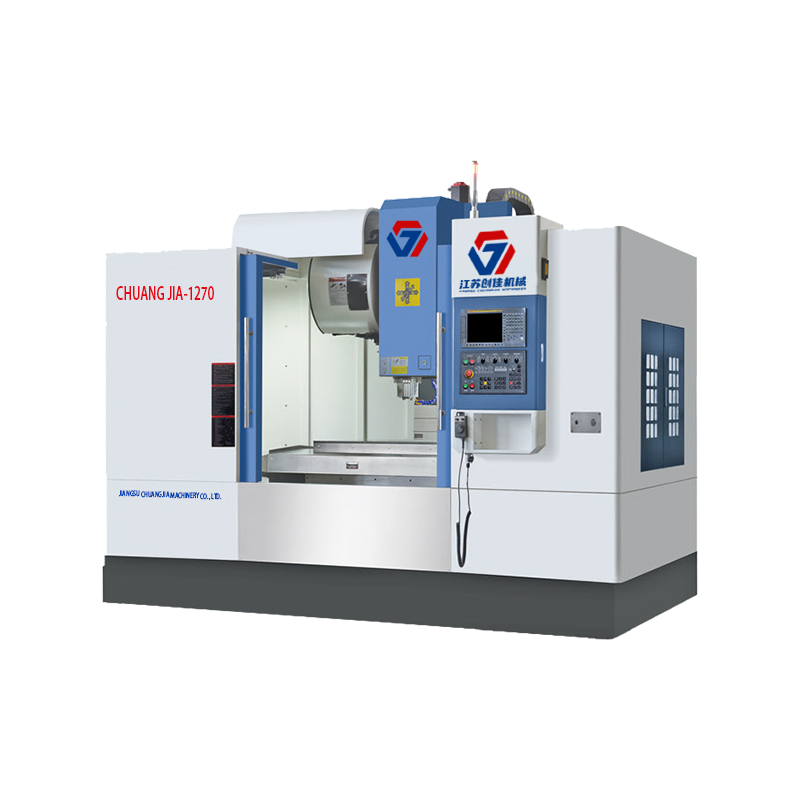
This series of machining center is fixed in A-shape single column, mobile structure of workbench, high rigidity of basic parts, lightweight of moving ...
See Details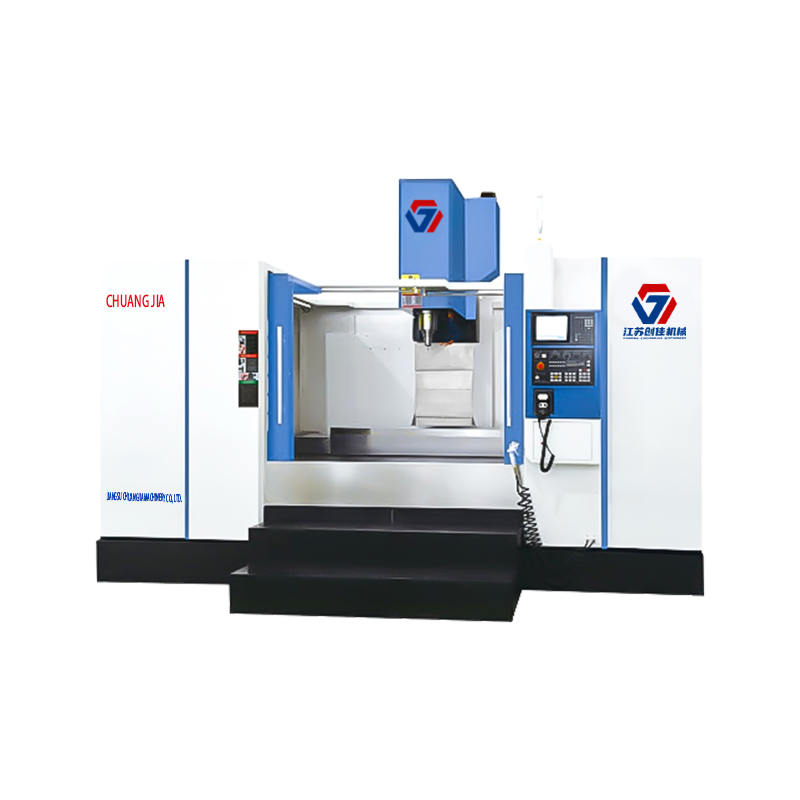
This series of machining center is fixed in A-shape single column, mobile structure of workbench, high rigidity of basic parts, lightweight of moving ...
See Details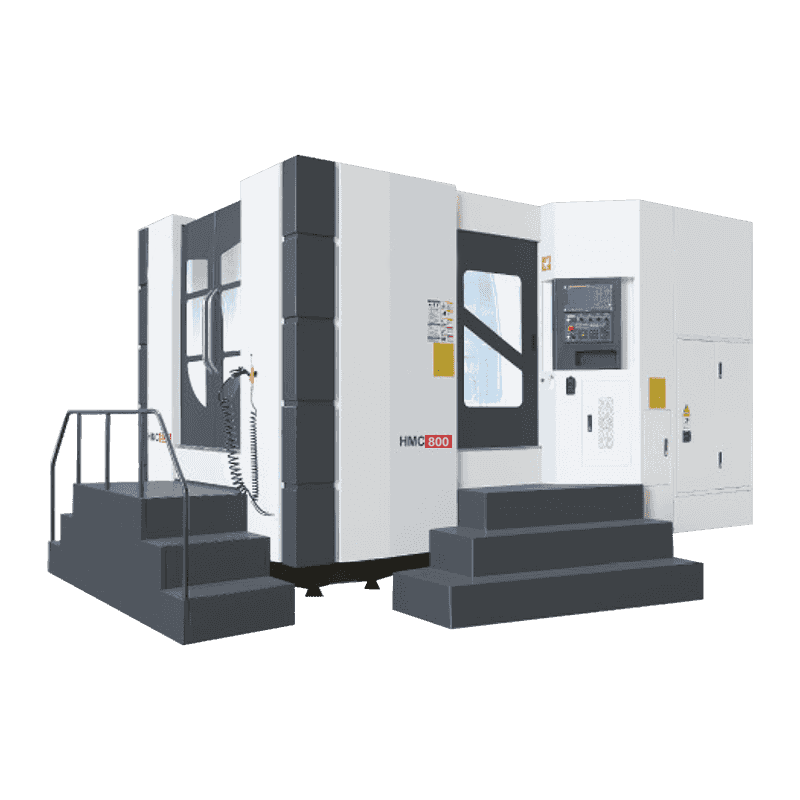
The bed adopts inverted T structure layout, the table moves around (X axis), the headstock moves up and down (Y axis) and the column moves back and fo...
See Details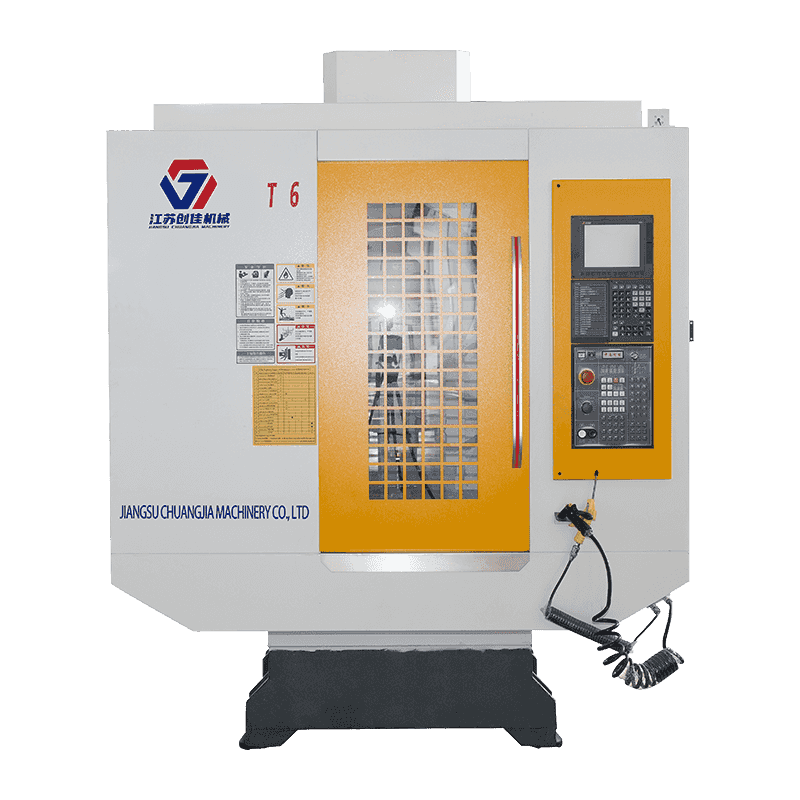
Drilling and tapping center ZN-T6 has easy operability, high reliability, ultra-high cost performance, mainly used in general industry, hardware, medi...
See Details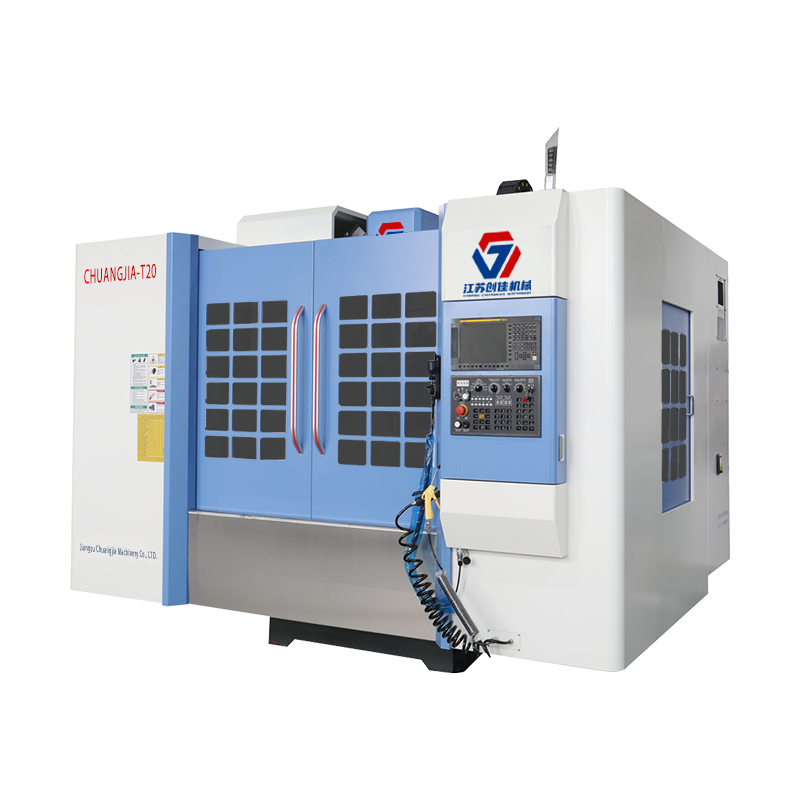
Drilling and tapping center ZN-T20 has easy operability, high reliability, ultra-high cost performance, mainly used in general industry, hardware, med...
See Details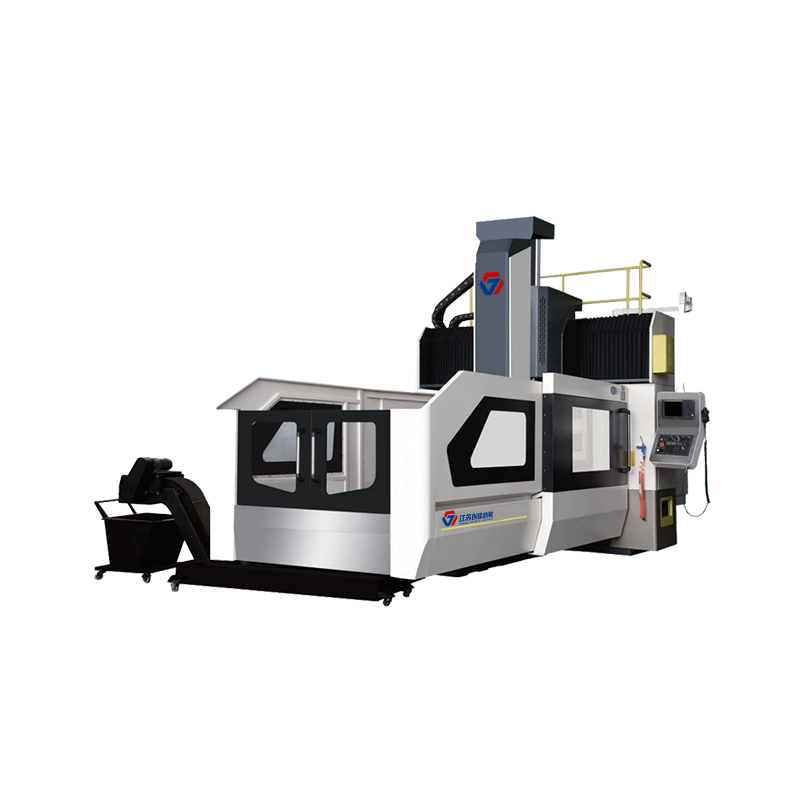
The machine adopts the structure form of fixed gantry frame and moving table on the bed. Beam column integrated design, has the characteristics of hig...
See Details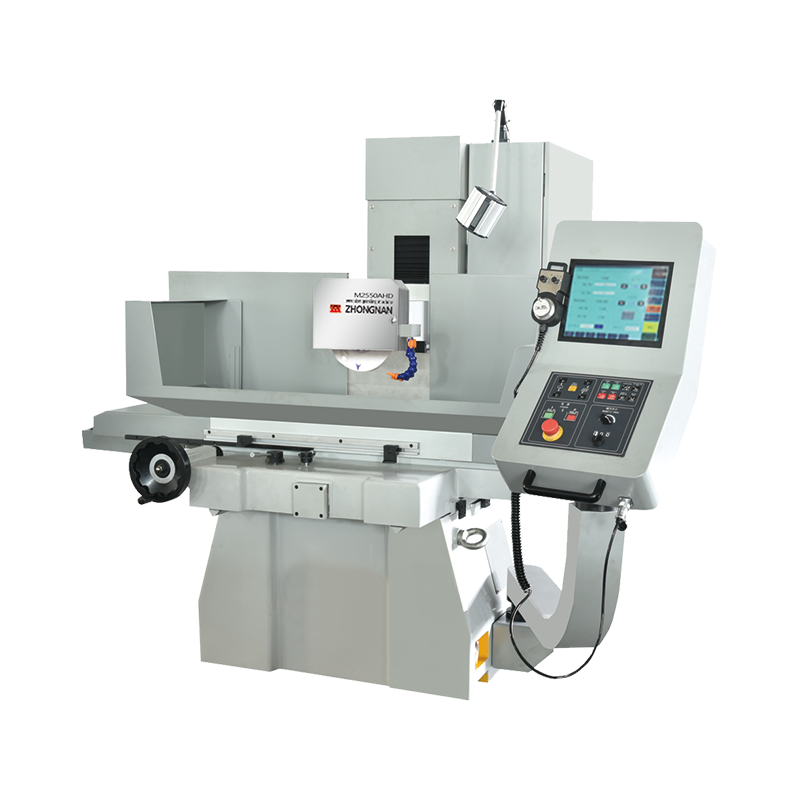
High precision/High speed/easy to operate CNC surface grinding machine X axis hydraulic /YZ axis servo/CNC system. Cross slide structure, double V rai...
See Details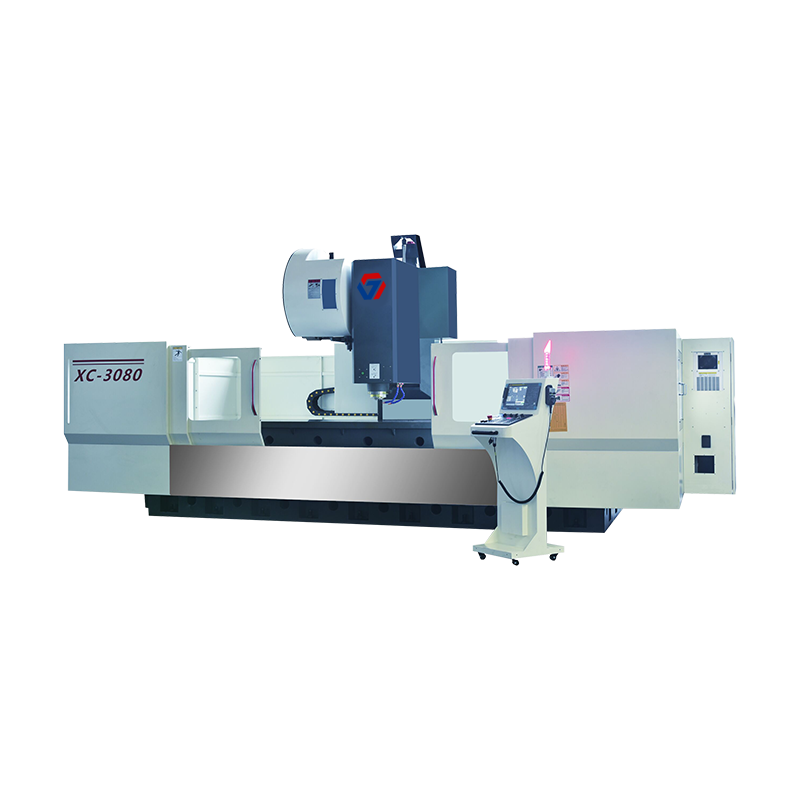
Mainly process the internal profiles of rail transit locomotives; Narrow and long parts of automobiles; TV frames, refrigerator frames, communication ...
See Details
All rights reserved Jiangsu Chuangjia Machinery Co., LTD.
