
 Search products
 en
en 简体中文
简体中文 русский
 Español
ZN-V1160 Vertical Machining Center
Cat:Vertical Machining Center
This series of machining center is fixed in A-shape single column, mobile structure of workbench, high rigidity of basic parts, lightweight of moving ...
See DetailsEnhanced Precision and Accuracy
CNC power milling machines provide unparalleled precision and dimensional accuracy, far exceeding what is achievable with manual milling machines. The computer numerical control system allows the cutting tool to move along multiple axes with extreme exactness, often within tolerances of just a few microns. This precise control ensures that every cut, slot, or contour is executed consistently according to the programmed design, eliminating errors caused by human judgment or fatigue. Complex components with tight tolerances, such as aerospace or automotive parts, can be manufactured repeatedly without the variability inherent in manual operations. The precise positioning and automated adjustments also improve surface finish quality, reducing the need for secondary finishing processes and enhancing overall product quality.
Higher Productivity and Efficiency
CNC power milling machines dramatically improve operational productivity compared to manual milling. Once a milling program is set, the machine can execute the required operations automatically without constant operator intervention, allowing multiple parts to be produced simultaneously or in succession. This continuous operation reduces cycle times, minimizes downtime, and enables high-volume production that would be infeasible with manual milling. Furthermore, CNC machines can perform multiple processes—such as drilling, contouring, and slotting—within a single setup, eliminating repeated repositioning of the workpiece. This streamlining of operations not only increases output but also reduces the likelihood of alignment errors, making CNC milling highly efficient for both small batches and large-scale manufacturing.
Consistency and Repeatability
One of the most significant advantages of CNC power milling machines is their ability to consistently reproduce identical parts over multiple production runs. Once a program has been optimized and tested, it can be reused indefinitely to manufacture components with precise dimensions and tolerances, ensuring uniformity across batches. In contrast, manual milling depends heavily on operator skill, and even experienced machinists may produce slight variations from part to part. The repeatability of CNC milling is critical in industries such as medical devices, aerospace, and precision engineering, where even minor deviations can compromise safety or functionality. This consistency also reduces scrap rates and rework, contributing to higher overall efficiency and cost-effectiveness.
Complex Geometries and Multi-Axis Machining
CNC power milling machines excel at producing complex geometries that are difficult or impossible to achieve with manual milling. Multi-axis machines can move cutting tools along several planes simultaneously, enabling the creation of intricate contours, angled surfaces, and three-dimensional features with precision. This capability reduces the need for multiple setups or custom jigs, saving time and improving alignment accuracy. Additionally, the ability to perform multi-axis machining allows designers to implement more sophisticated component designs, which can enhance functionality and aesthetic appeal. Industries requiring advanced part geometries, such as automotive, aerospace, and mold manufacturing, benefit greatly from this capability, as it expands design possibilities while maintaining high precision.
Reduced Operator Skill Dependence
CNC power milling machines significantly reduce the reliance on highly skilled operators for precision machining. While manual milling requires extensive experience and constant attention to achieve accurate results, CNC systems automate most critical operations, including tool movement, feed rates, and cutting paths. This automation allows operators with moderate training to produce high-quality parts, provided they can manage programming, setup, and monitoring. By reducing dependency on operator skill, manufacturers can maintain consistent production quality, scale operations more efficiently, and simplify workforce training. It also minimizes the risk of human error, which is a major factor in defects and material waste in manual milling operations.
Integration with Digital Design and Automation
CNC power milling machines integrate seamlessly with modern CAD/CAM software, enabling a direct workflow from digital design to physical production. Designers can create 3D models and generate toolpaths that the CNC machine can execute automatically, allowing for rapid prototyping, iterative design changes, and optimization of cutting strategies. This level of integration improves overall accuracy, reduces lead times, and ensures that design specifications are faithfully translated into finished parts. Manual milling requires physical translation of drawings into machine setups, which is time-consuming and prone to errors. The digital workflow in CNC milling also facilitates automated quality control, real-time monitoring, and production analytics, enhancing efficiency and traceability in industrial operations.
Safety and Ergonomics
CNC power milling machines enhance operator safety compared to manual milling by reducing direct contact with cutting tools and workpieces during operation. Automated operations mean that operators can focus on setup, programming, and monitoring from a safe distance, minimizing the risk of injury from sharp edges, high-speed spindles, or flying debris. Many CNC machines also feature enclosed machining areas, interlocks, and emergency stops to provide additional protection. Beyond safety, CNC milling reduces physical strain on operators, as manual labor-intensive tasks such as holding, guiding, or repositioning the workpiece are eliminated. This ergonomic advantage contributes to a safer and more sustainable working environment.
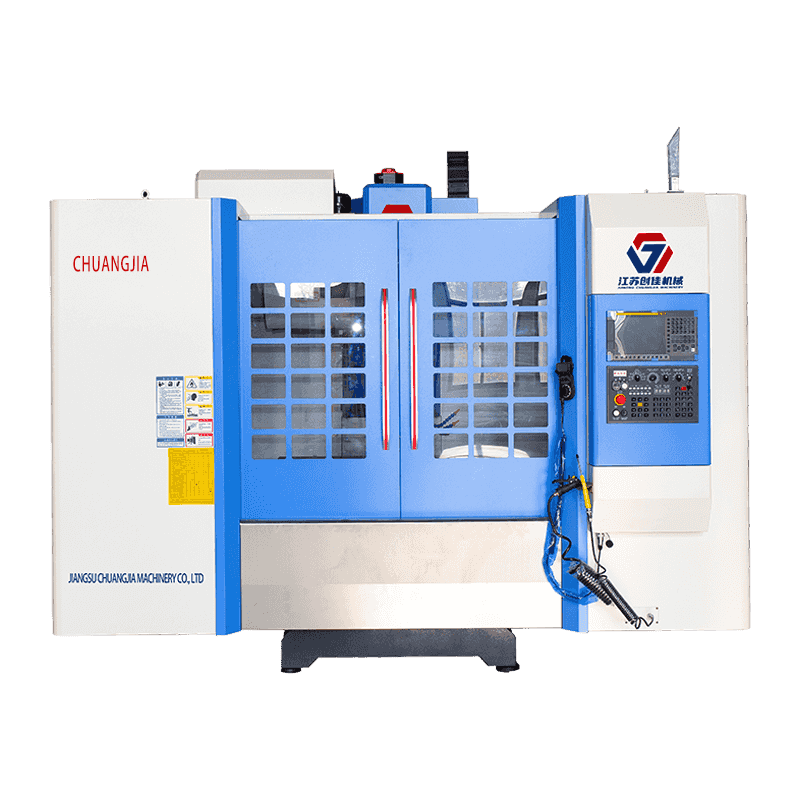
This series of machining center is fixed in A-shape single column, mobile structure of workbench, high rigidity of basic parts, lightweight of moving ...
See Details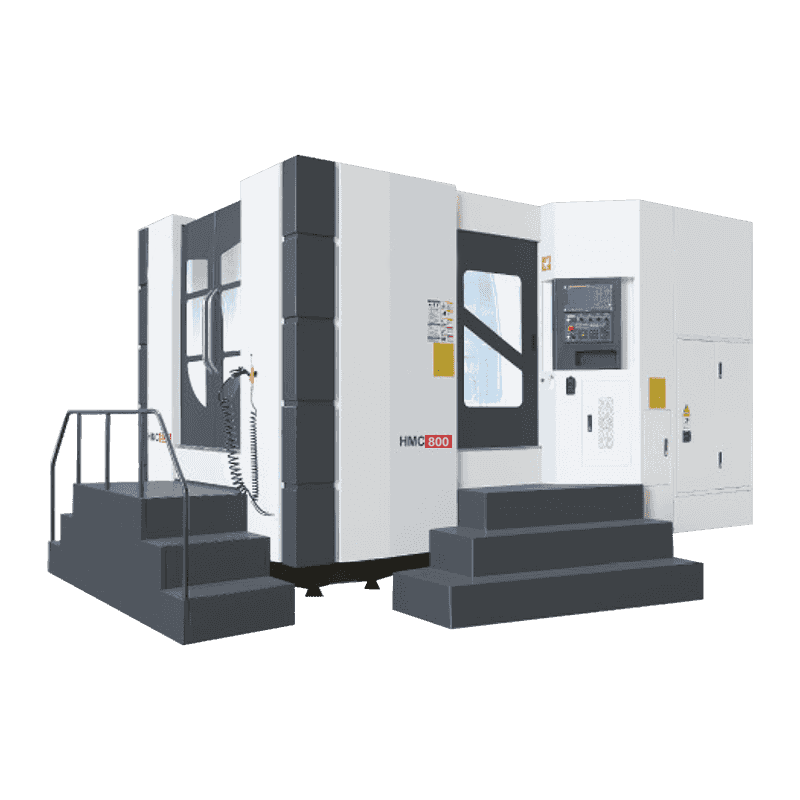
The bed adopts inverted T structure layout, the table moves around (X axis), the headstock moves up and down (Y axis) and the column moves back and fo...
See Details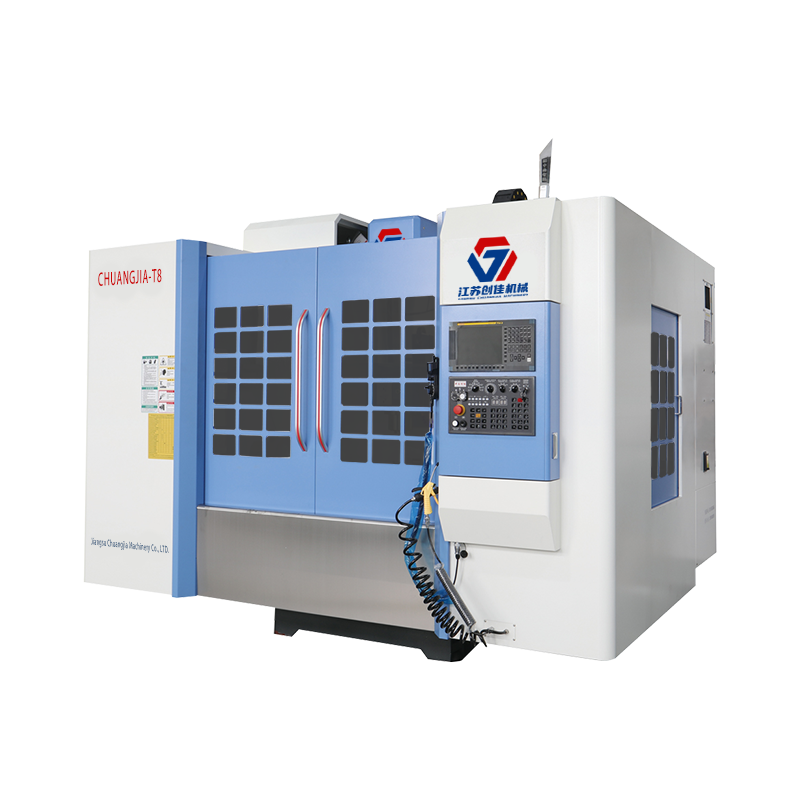
Drilling and tapping center ZN-T8 has easy operability, high reliability, ultra-high cost performance, mainly used in general industry, hardware, medi...
See Details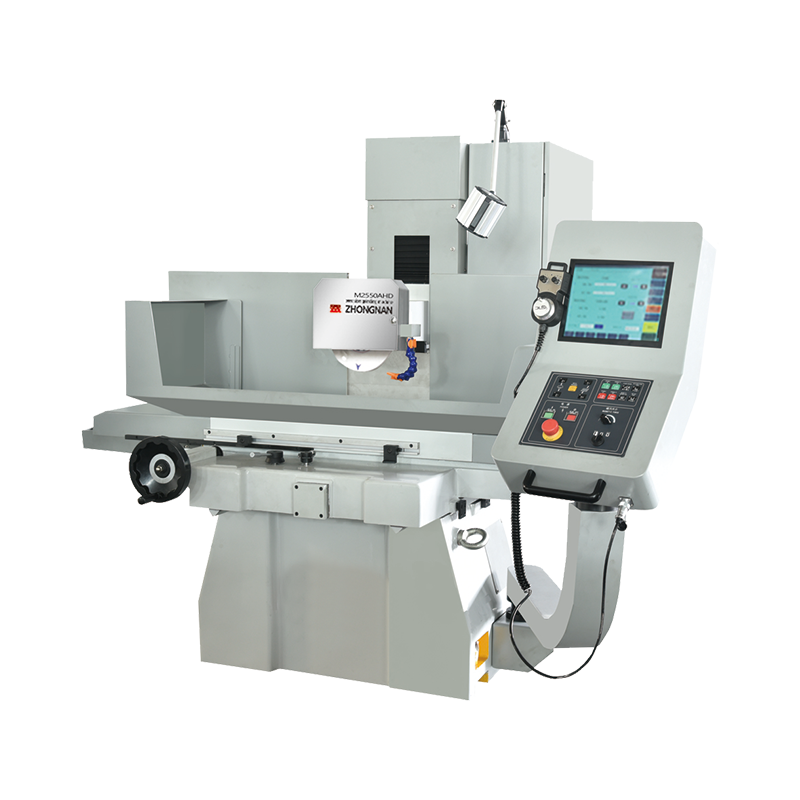
High precision/High speed/easy to operate CNC surface grinding machine X axis hydraulic /YZ axis servo/CNC system. Cross slide structure, double V rai...
See Details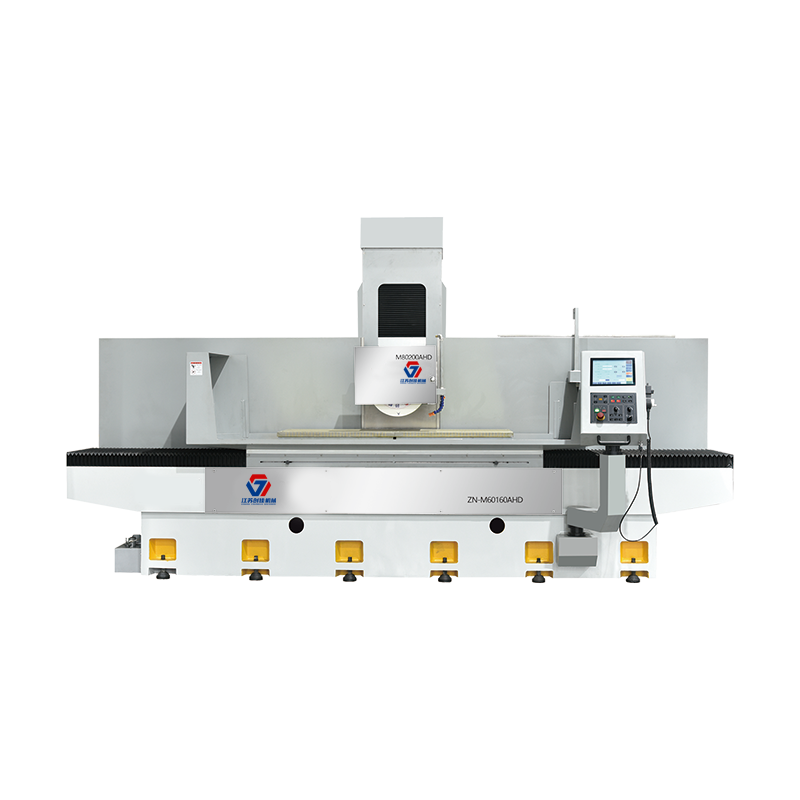
The machine tool is mainly suitable for the precision grinding of various metal materials, such as plane, step and specific shape, and is widely used ...
See Details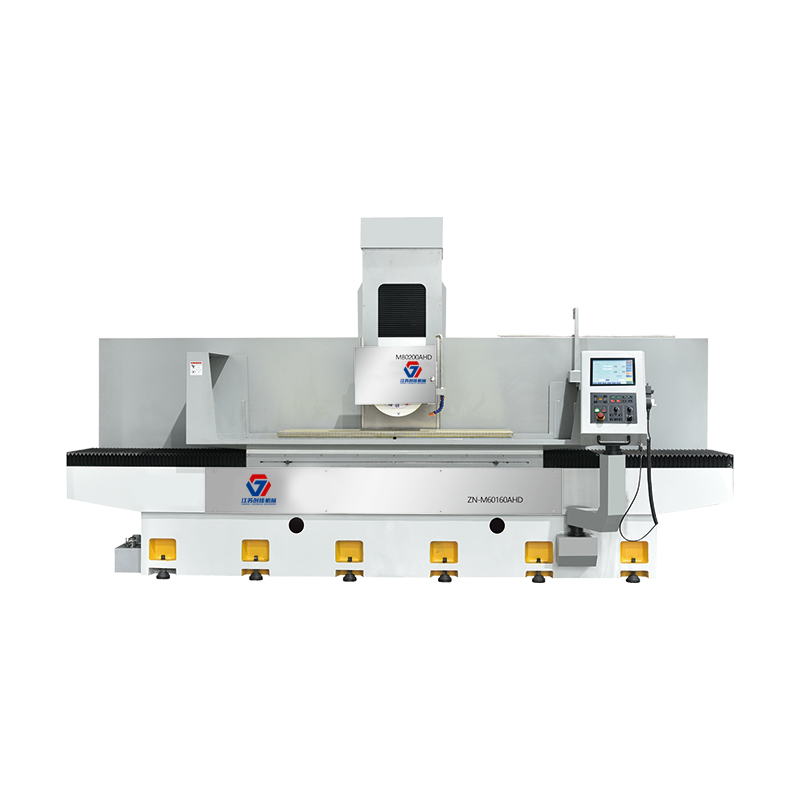
The machine tool is mainly suitable for the precision grinding of various metal materials, such as plane, step and specific shape, and is widely used ...
See Details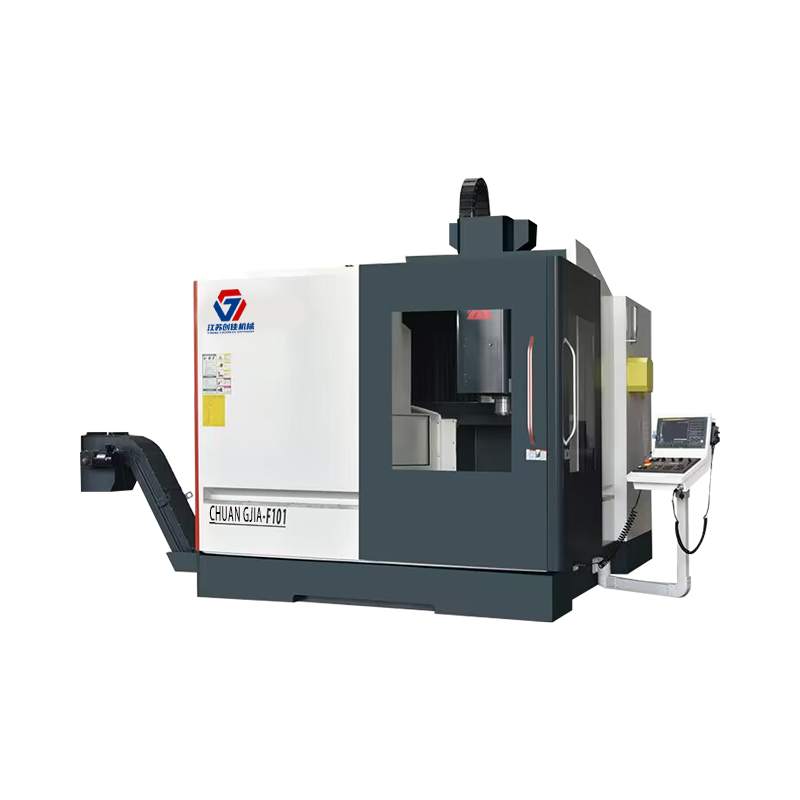
The three-axis support surface of this series of gantry machining center adopts heavy-duty roller linear guide, which is easy to maintain, low frictio...
See Details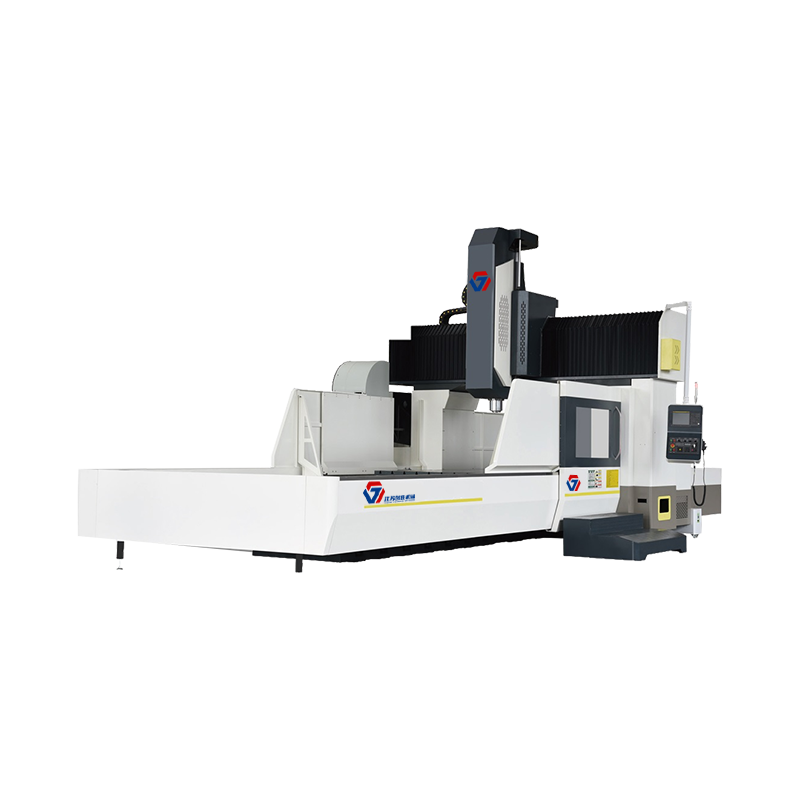
The machine adopts the structure form of fixed gantry frame and moving table on the bed. Beam column integrated design, has the characteristics of hig...
See Details
All rights reserved Jiangsu Chuangjia Machinery Co., LTD.
