
 Search products
 en
en 简体中文
简体中文 русский
 Español
ZN-V1160 Vertical Machining Center
Cat:Vertical Machining Center
This series of machining center is fixed in A-shape single column, mobile structure of workbench, high rigidity of basic parts, lightweight of moving ...
See DetailsThe ability of Vertical Horizontal CNC Milling Machine to perform simultaneous multi-axis operations begins with high-performance CNC control systems. These systems utilize real-time interpolation and motion algorithms to precisely coordinate multiple axes, whether it is a 3-axis, 4-axis, or 5-axis configuration. Each axis—X, Y, Z, along with rotary A or B axes when applicable—is continuously monitored and adjusted to maintain the exact programmed trajectory. During complex operations such as contouring, helical milling, or machining curved surfaces, the controller synchronizes spindle rotation, tool tilting, and table movement. This allows the machine to maintain continuous cutting motion without stopping or repositioning the workpiece, reducing setup times and minimizing errors caused by manual adjustments. The advanced control system also dynamically compensates for tool deflection, backlash, and thermal expansion, which is critical when producing intricate geometries that require high precision.
Precision in multi-axis operations relies heavily on the structural rigidity of the machine. High-quality Vertical Horizontal CNC Milling Machines are constructed with heavy-duty castings, reinforced columns, and cross-braced frames to resist deformation under heavy cutting loads. Vibration damping systems, such as polymer-filled damping supports or vibration-absorbing baseplates, ensure that cutting forces do not translate into tool chatter or surface finish defects. This rigidity allows the machine to move multiple axes simultaneously while maintaining positional accuracy and surface quality, even during heavy material removal or high-speed operations. Structural stability also prevents long-term wear on linear guides and ball screws, which are essential for maintaining repeatable precision in multi-axis machining.
Simultaneous multi-axis machining requires spindles capable of maintaining torque and rotational stability across various tool orientations. The Vertical Horizontal CNC Milling Machine is equipped with high-speed, high-torque spindles, often with dynamic balancing and precision bearings to reduce runout. These spindles can accommodate angled or rotary tooling attachments, allowing the tool to maintain consistent contact with the workpiece as multiple axes move in coordination. Advanced tooling, including tilting heads, live tooling, and rotary fixtures, ensures that complex features like angled pockets, slots, or curved contours are cut cleanly. Consistent spindle performance across multiple axes prevents variation in material removal rates, which could otherwise lead to dimensional inaccuracies or poor surface finish.
The machine relies on real-time interpolation and trajectory planning algorithms to execute coordinated axis movements. Linear and circular interpolation, combined with helical, compound, and spline motion algorithms, enables the machine to follow complex 3D toolpaths precisely. The control system calculates velocity, acceleration, and jerk for each axis to ensure smooth, continuous motion, avoiding overshoot or lag in any individual axis. This precision is essential when machining intricate geometries, such as curved surfaces, cavities, or contoured profiles, where even minor deviations can compromise part functionality. The algorithms also optimize the motion to reduce unnecessary tool movement, which improves cycle times, efficiency, and tool life.
Safety and accuracy are ensured through collision detection and path optimization systems integrated into the CNC controller. These systems continuously monitor the position of the tool, spindle, and workpiece relative to fixtures, clamps, and other machine components. When multiple axes move simultaneously, the potential for interference increases, but the machine automatically adjusts motion paths or slows down feed rates to avoid collisions. Optimized toolpaths also minimize rapid direction changes, reduce stress on axes, and ensure uniform material removal. This combination of predictive path planning and real-time collision avoidance is critical for machining complex geometries efficiently and safely, especially in high-speed production environments.
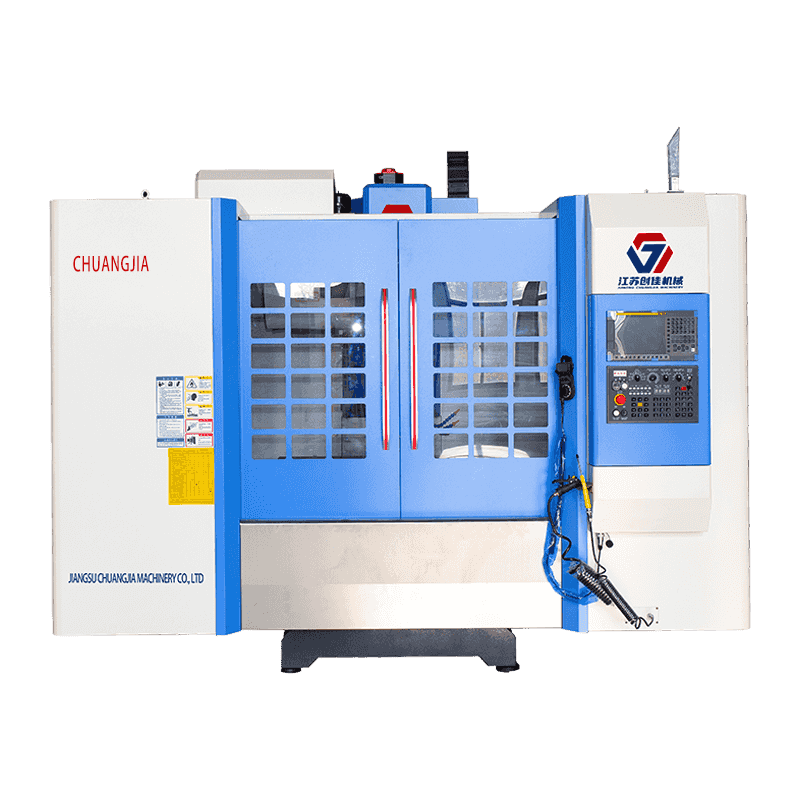
This series of machining center is fixed in A-shape single column, mobile structure of workbench, high rigidity of basic parts, lightweight of moving ...
See Details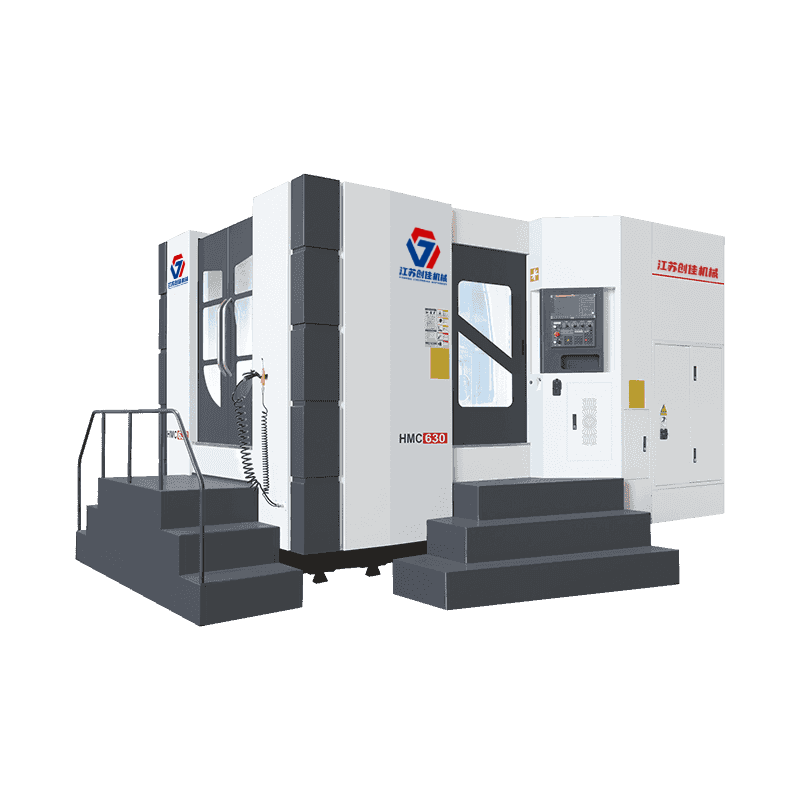
The bed adopts inverted T structure layout, the table moves around (X axis), the headstock moves up and down (Y axis) and the column moves back and fo...
See Details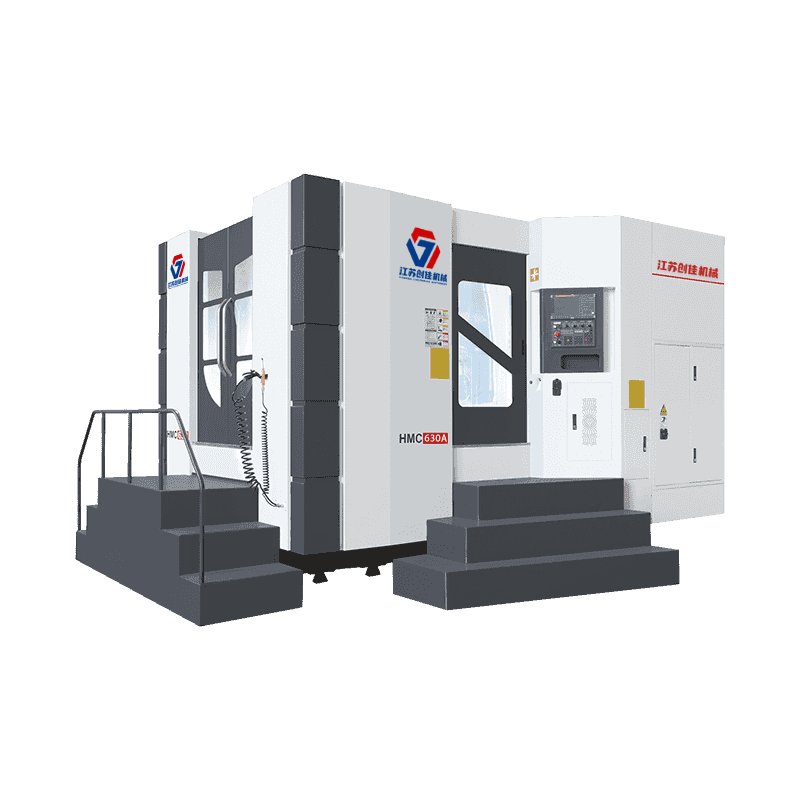
The bed adopts a positive T structure layout, the table moves back and forth (Z axis), the headstock moves up and down (Y axis) and the column moves l...
See Details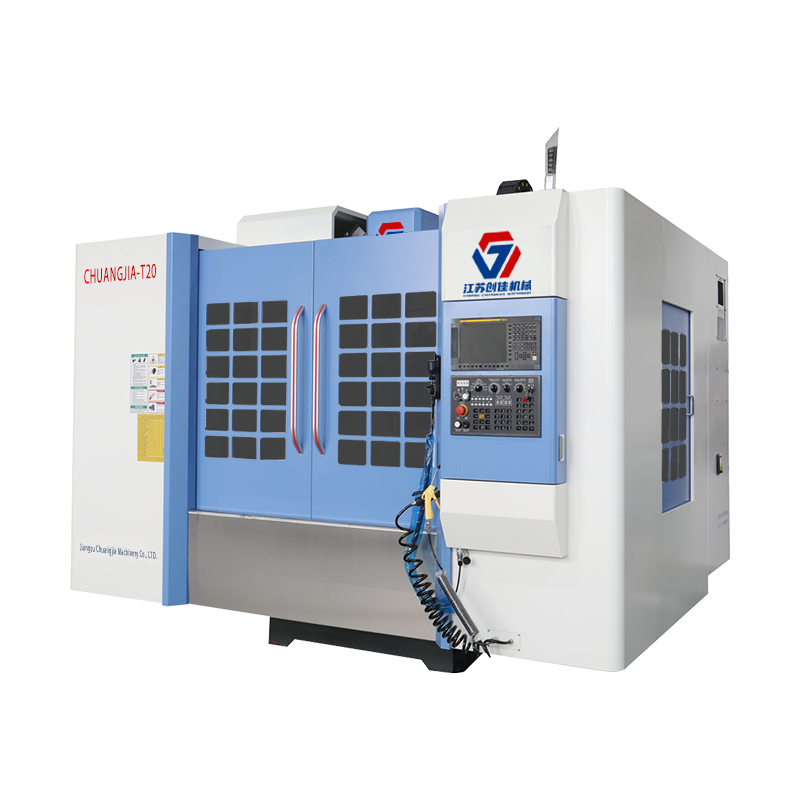
Drilling and tapping center ZN-T20 has easy operability, high reliability, ultra-high cost performance, mainly used in general industry, hardware, med...
See Details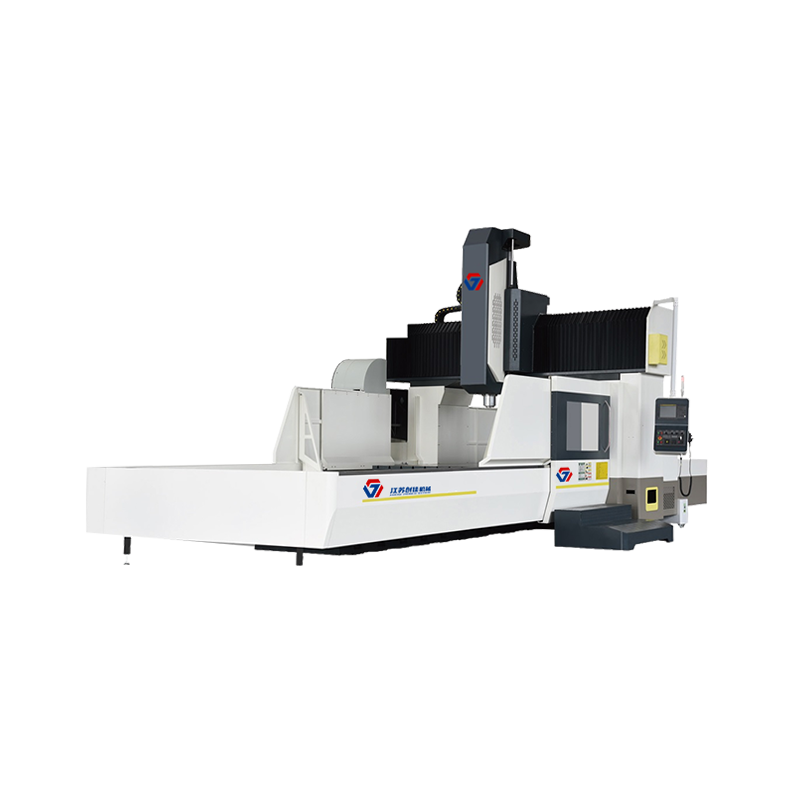
The machine adopts the structure form of fixed gantry frame and moving table on the bed. Beam column integrated design, has the characteristics of hig...
See Details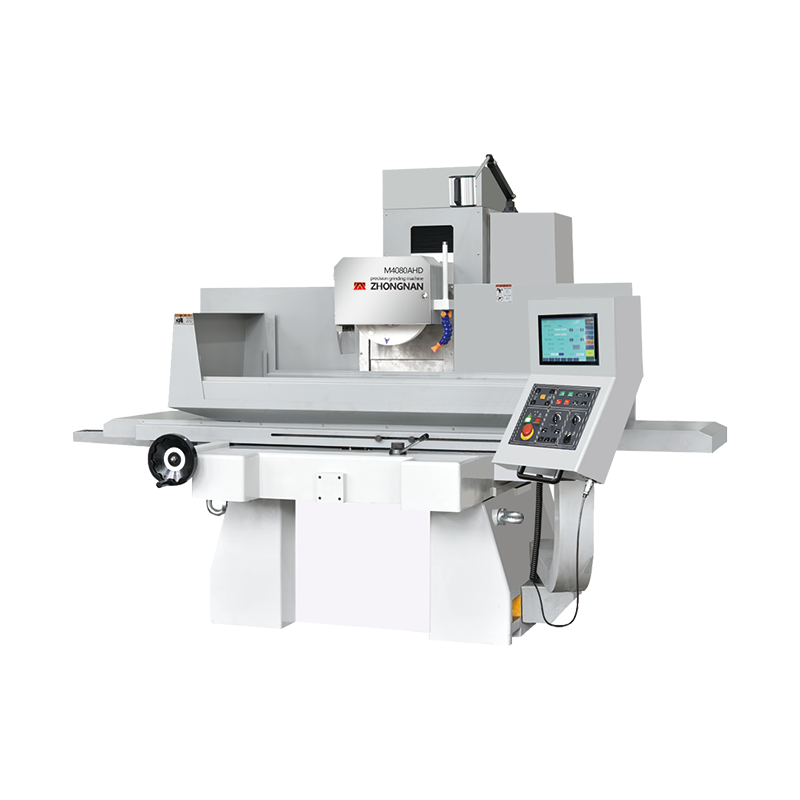
High precision/High speed/easy to operate CNC surface grinding machine X axis hydraulic /YZ axis servo/CNC system. Cross slide structure, double V rai...
See Details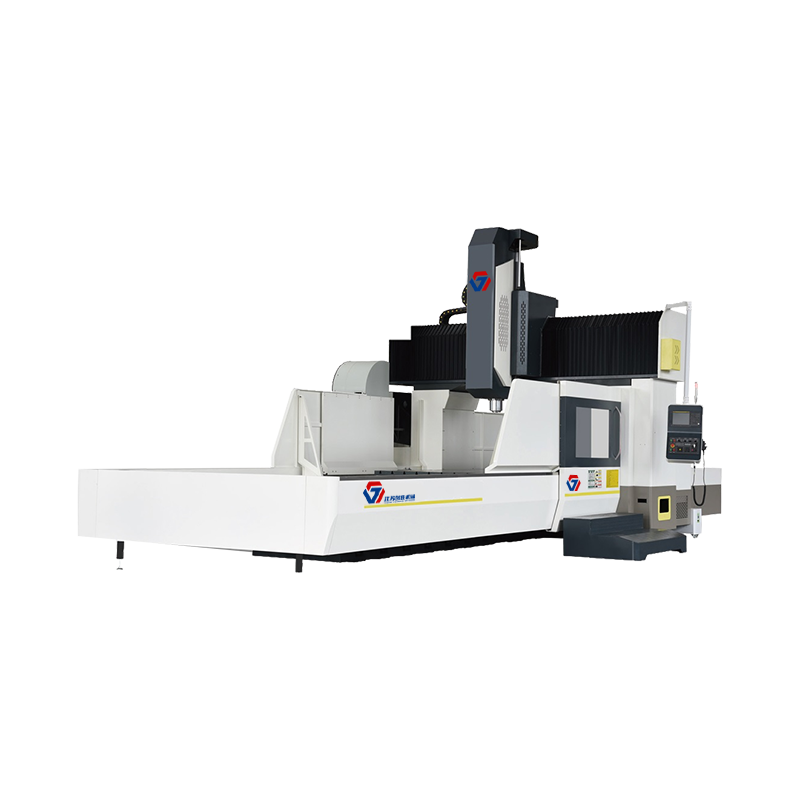
The machine adopts the structure form of fixed gantry frame and moving table on the bed. Beam column integrated design, has the characteristics of hig...
See Details
The machine adopts the structure form of fixed gantry frame and moving table on the bed. Beam column integrated design, has the characteristics of hig...
See Details
All rights reserved Jiangsu Chuangjia Machinery Co., LTD.
