
 Search products
 en
en 简体中文
简体中文 русский
 Español
ZN-L1580 Vertical Machining Center
Cat:Vertical Machining Center
This series of machining center is fixed in A-shape single column, mobile structure of workbench, high rigidity of basic parts, lightweight of moving ...
See DetailsHigh-Precision Servo Synchronization
The CNC Tapping Center relies on high-resolution servo motors that precisely control the movement of the machine’s axes, particularly the Z-axis, in perfect coordination with the spindle rotation. This synchronization is critical for producing threads with accurate pitch because any mismatch between spindle rotation and linear feed would cause undercutting, pitch errors, or thread deformation. The digital servo system allows for micron-level positional accuracy, ensuring that every tap advance corresponds exactly to the intended thread pitch. Over long production runs, this servo control prevents cumulative error, meaning that the first part and the thousandth part are virtually identical in thread geometry. The system also allows for variable spindle speeds and feed rates depending on material hardness, tapping diameter, or thread type, ensuring the process is both precise and adaptable. These servo-driven movements are repeatable, which is vital for consistent high-volume production, reducing scrap rates and maintaining quality standards without requiring constant manual intervention.
Rigid Tapping Technology
Rigid tapping is a defining feature of CNC Tapping Centers, allowing the spindle to directly control the tap’s rotation in perfect synchronization with the axial movement. Unlike traditional floating tap holders, which rely on spring mechanisms to absorb misalignment, rigid tapping ensures the tap enters and exits the workpiece with exact precision. This eliminates common threading issues such as over-travel, under-travel, or thread distortion, which can occur when machine movement and spindle rotation are not perfectly aligned. For large production batches, rigid tapping guarantees that each threaded hole maintains the same depth and pitch, even if small variations in workpiece hardness or fixture alignment exist. It also significantly reduces the risk of tap breakage and increases tool life by keeping cutting forces stable and predictable. By consistently controlling both spindle speed and feed, rigid tapping enables high-speed threading operations without sacrificing accuracy or thread quality, making it ideal for industrial-scale production where repeatability is essential.
Advanced CNC Control and Real-Time Monitoring
The CNC control system in a tapping center continuously monitors multiple parameters, including spindle rotation, axis position, feed rate, and load, providing real-time feedback to maintain machining precision. If the system detects deviations from programmed specifications, the software can automatically adjust spindle speed or feed rate to correct potential errors before they affect the thread quality. This closed-loop monitoring ensures that variations in material hardness, temperature, or cutting conditions do not lead to inconsistencies in thread depth or pitch. In addition, modern CNC Tapping Centers allow operators to program safety thresholds, such as maximum torque or spindle load, to automatically pause or adjust operations in the event of an anomaly. This proactive monitoring not only maintains precision but also prevents tool damage and minimizes production downtime. By integrating advanced diagnostics and predictive control, the CNC system guarantees that even long production runs of thousands of parts are uniform, supporting high-quality, repeatable manufacturing outcomes.
High-Accuracy Spindle Design
The spindle of a CNC Tapping Center is engineered for extremely low runout, high rigidity, and rotational stability, which directly influences thread accuracy and consistency. Minimal runout ensures that the tap remains precisely aligned with the centerline of the hole, preventing eccentric cuts that would alter pitch or thread depth. High spindle rigidity also reduces deflection under cutting loads, ensuring the tap maintains consistent contact with the material throughout its full depth. Over large production batches, this design prevents dimensional drift and helps produce threads that meet strict tolerances consistently. Precision bearings and balanced spindle assemblies reduce vibration and heat generation, further stabilizing cutting conditions. The high-quality spindle allows operators to tap difficult materials and fine threads without sacrificing consistency, making the machine suitable for precision industries such as aerospace, automotive, and medical device manufacturing, where thread accuracy is critical.
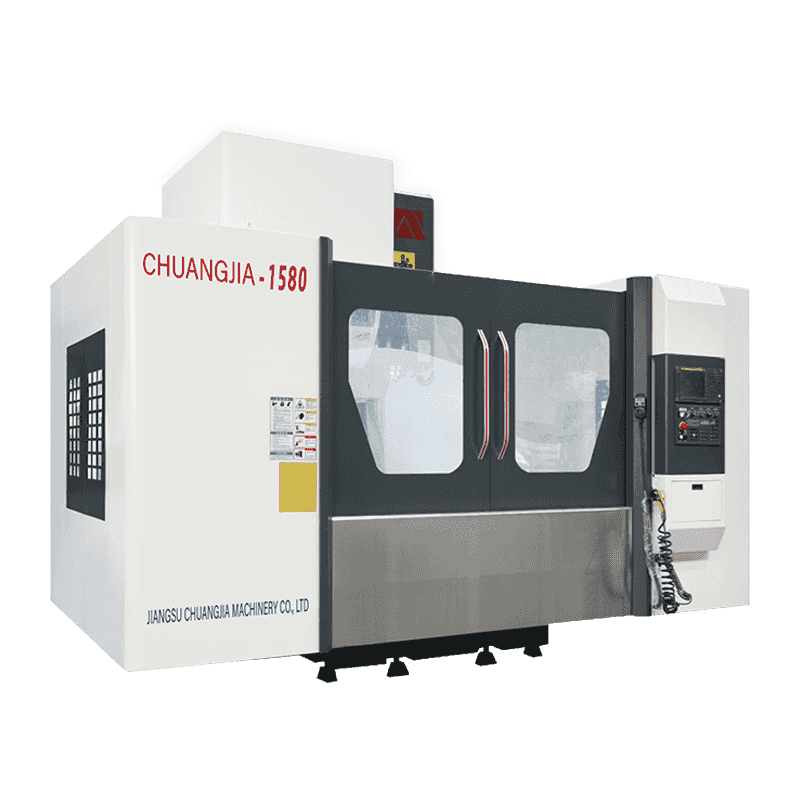
This series of machining center is fixed in A-shape single column, mobile structure of workbench, high rigidity of basic parts, lightweight of moving ...
See Details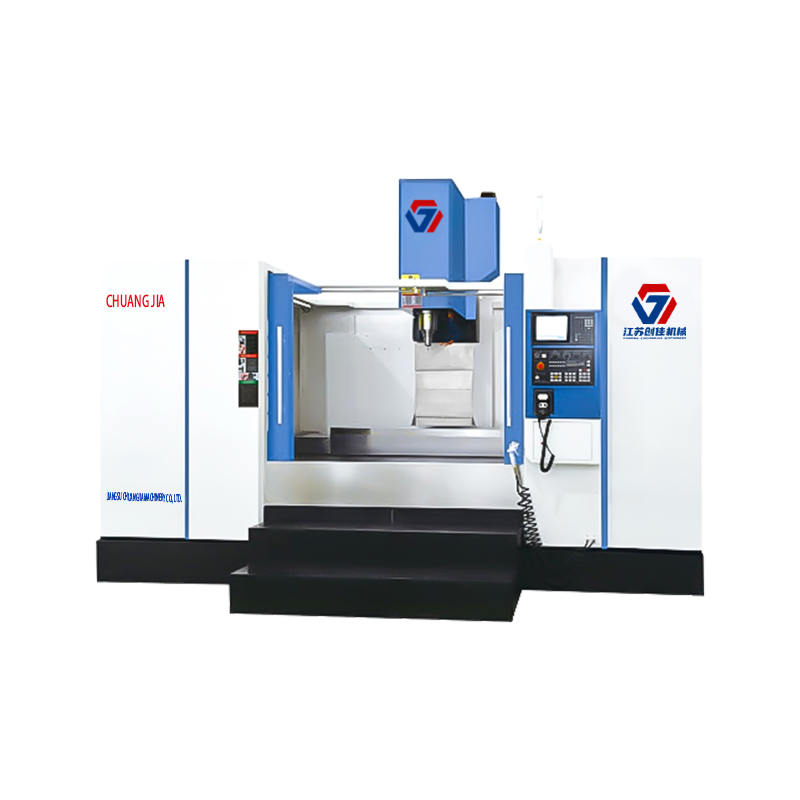
This series of machining center is fixed in A-shape single column, mobile structure of workbench, high rigidity of basic parts, lightweight of moving ...
See Details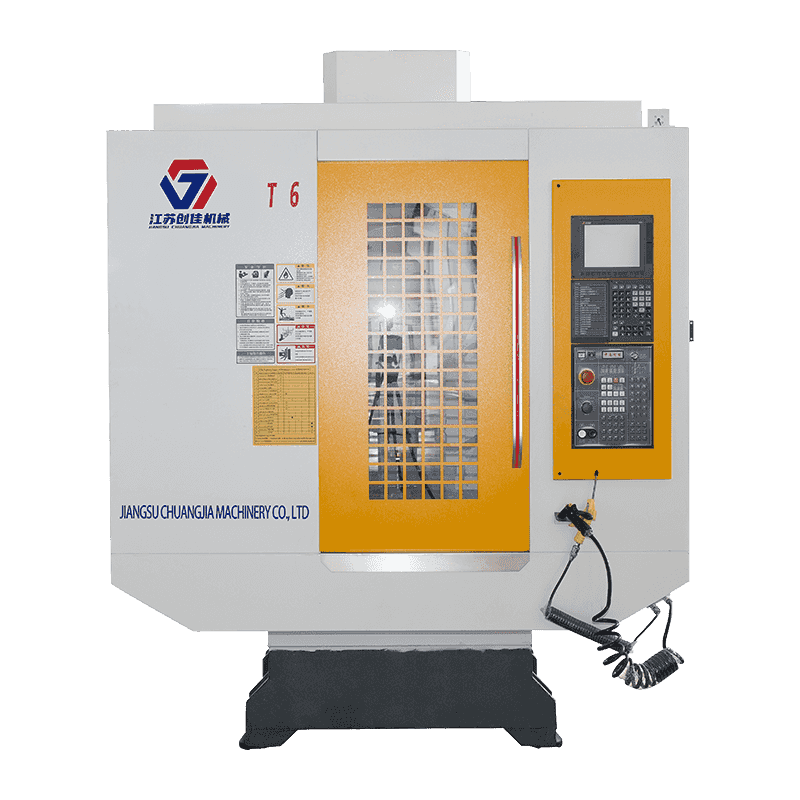
Drilling and tapping center ZN-T6 has easy operability, high reliability, ultra-high cost performance, mainly used in general industry, hardware, medi...
See Details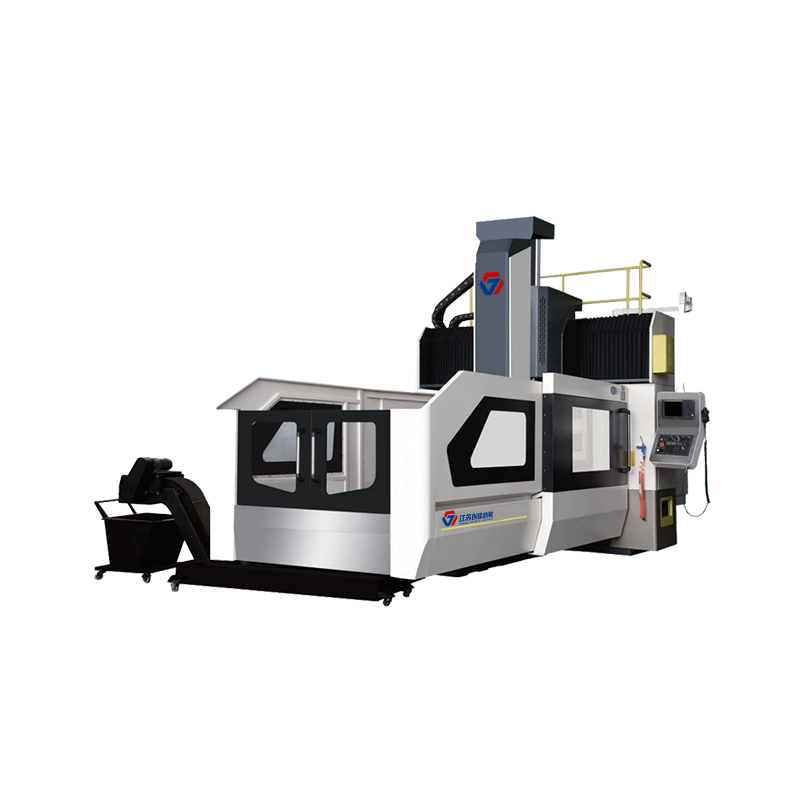
The machine adopts the structure form of fixed gantry frame and moving table on the bed. Beam column integrated design, has the characteristics of hig...
See Details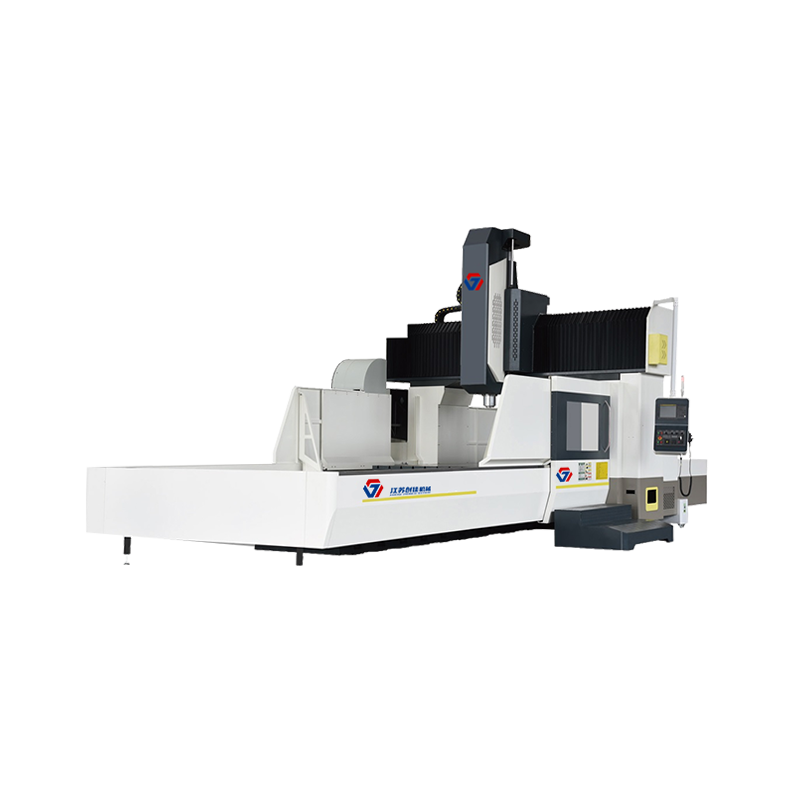
The machine adopts the structure form of fixed gantry frame and moving table on the bed. Beam column integrated design, has the characteristics of hig...
See Details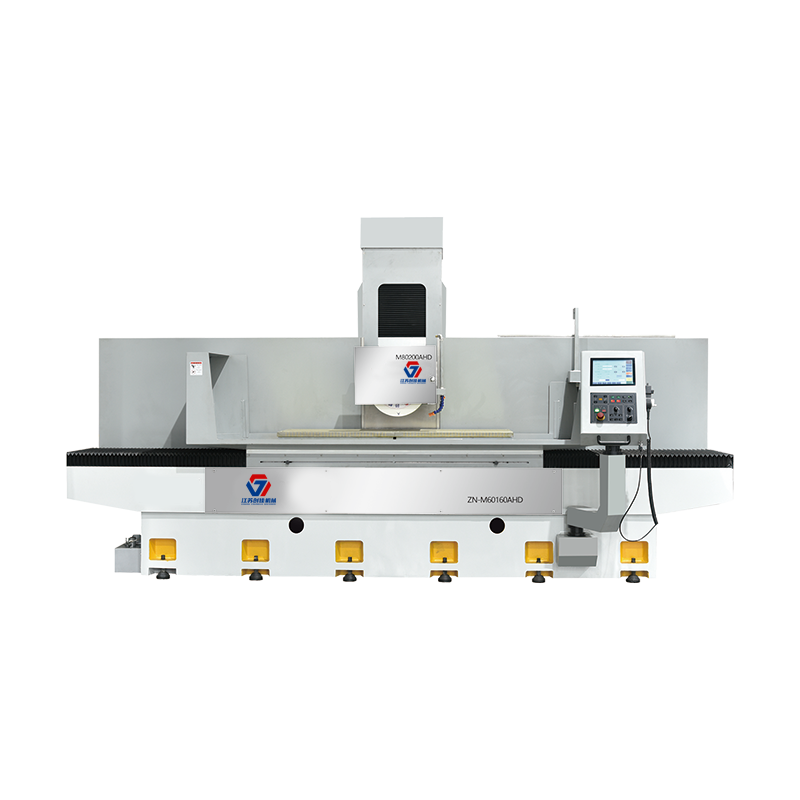
The machine tool is mainly suitable for the precision grinding of various metal materials, such as plane, step and specific shape, and is widely used ...
See Details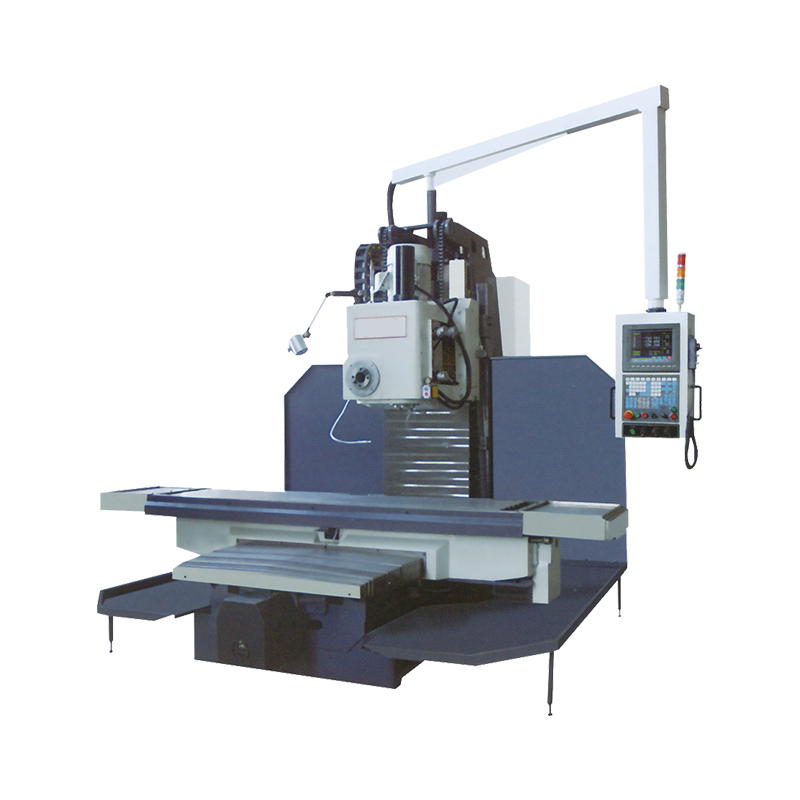
Equipped with one vertical and one horizontal gear headstock, the output torque is large, the cutting force is strong. Once clamping, the upper plane ...
See Details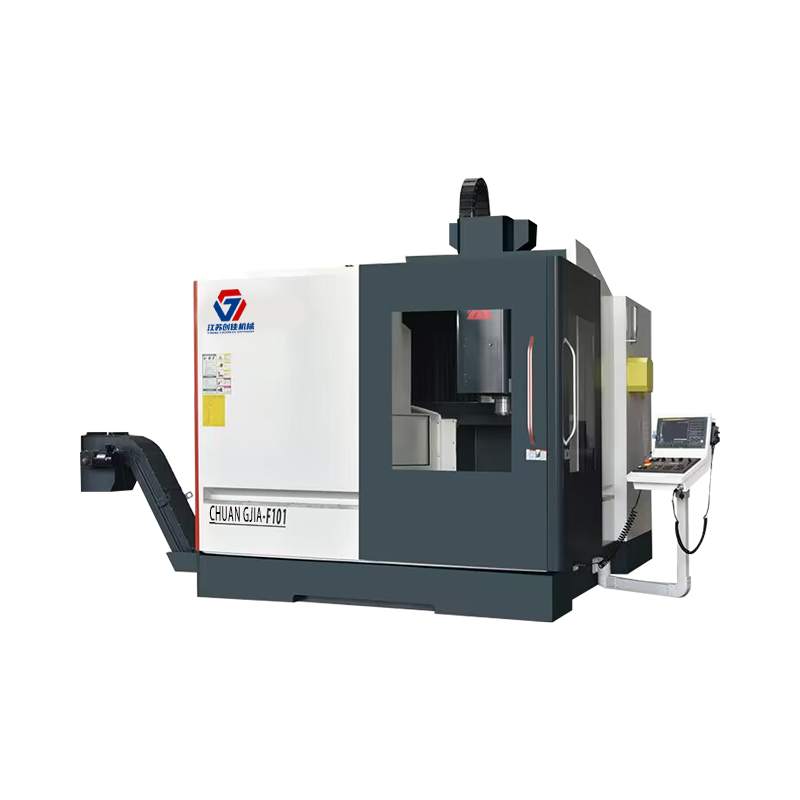
The three-axis support surface of this series of gantry machining center adopts heavy-duty roller linear guide, which is easy to maintain, low frictio...
See Details
All rights reserved Jiangsu Chuangjia Machinery Co., LTD.
