
 Search products
 en
en 简体中文
简体中文 русский
 Español
ZN-V1160 Vertical Machining Center
Cat:Vertical Machining Center
This series of machining center is fixed in A-shape single column, mobile structure of workbench, high rigidity of basic parts, lightweight of moving ...
See DetailsPallet Systems for Multi-Part Machining
The CNC Horizontal Machining Center typically incorporates palletized workholding systems, which are a cornerstone for maximizing production throughput in high-volume manufacturing. These pallet systems allow multiple workpieces to be loaded and staged offline while machining occurs on a different pallet. This design minimizes downtime associated with manual loading and unloading, as operators can prepare subsequent workpieces or inspect parts while the machine continues operation. Quick-change pallets, often equipped with precision alignment pins or automated indexing systems, ensure repeatable positioning of the workpiece with minimal variance, maintaining dimensional accuracy and consistent quality across all parts. The use of pallets is particularly beneficial in production environments with high-mix, high-volume requirements, as it enables continuous machining cycles, reduces idle spindle time, and facilitates rapid transitions between different part programs. Additionally, the system supports integration with automated storage or retrieval units, further enhancing operational efficiency and scalability in modern manufacturing workflows.
Support for Multi-Part Fixtures
CNC Horizontal Machining Centers are designed to accommodate multi-part fixturing, allowing several components to be machined simultaneously on a single pallet or table. This capability leverages modular fixture systems, clamps, or customized jigs to secure multiple workpieces in precise alignment. By machining several identical or similar components in a single cycle, the HMC optimizes spindle utilization and reduces non-productive time associated with tool changes or single-part setups. Multi-part fixtures also allow operators to batch process parts with varying geometries, provided the toolpath is carefully programmed to avoid collisions and maintain cutting efficiency. The combination of multi-part fixturing with high-rigidity machine structures ensures that cutting forces are evenly distributed, minimizing vibration and maintaining tolerances across all parts. This approach significantly increases throughput while maintaining consistent surface finishes and dimensional precision, which is essential for industries such as aerospace, automotive, or medical device manufacturing.
Automation Integration
Modern CNC Horizontal Machining Centers are increasingly designed for full or partial automation, enabling seamless integration with robotic loaders, automated tool changers, and pallet shuttle systems. Robots can remove finished parts from a pallet, place them on a conveyor or storage area, and load new workpieces onto the machine, all without operator intervention. This level of automation creates near-continuous production cycles, reducing labor dependency and enabling round-the-clock operation. Automated pallet handling systems allow multiple pallets to circulate within a machining cell, supporting high-volume production and multi-shift operations. Some HMCs also integrate with gantry systems, automated guided vehicles (AGVs), or conveyors to transport pallets between different machining centers or workstations, enabling fully automated production lines. These systems can be configured for simultaneous machining, inspection, or assembly processes, dramatically increasing throughput while reducing lead time and operational bottlenecks.
Software and Control for Production Optimization
The control system of a CNC Horizontal Machining Center plays a crucial role in supporting multi-part setups, pallet management, and automation integration. Advanced CNC controllers provide the ability to program sequential operations across multiple pallets, define work offsets for each fixture, and manage complex tool paths for multi-part configurations. Operators can schedule machining sequences, coordinate automatic tool changes, and monitor spindle utilization and cycle time in real time. Many modern HMCs include predictive maintenance algorithms, IoT connectivity, and data logging, which allow manufacturers to analyze production efficiency, detect potential bottlenecks, and optimize throughput across the entire machining cell. This software-driven approach ensures that machine time is maximized, part quality is consistently maintained, and downtime due to tool changes, setup, or maintenance is minimized.
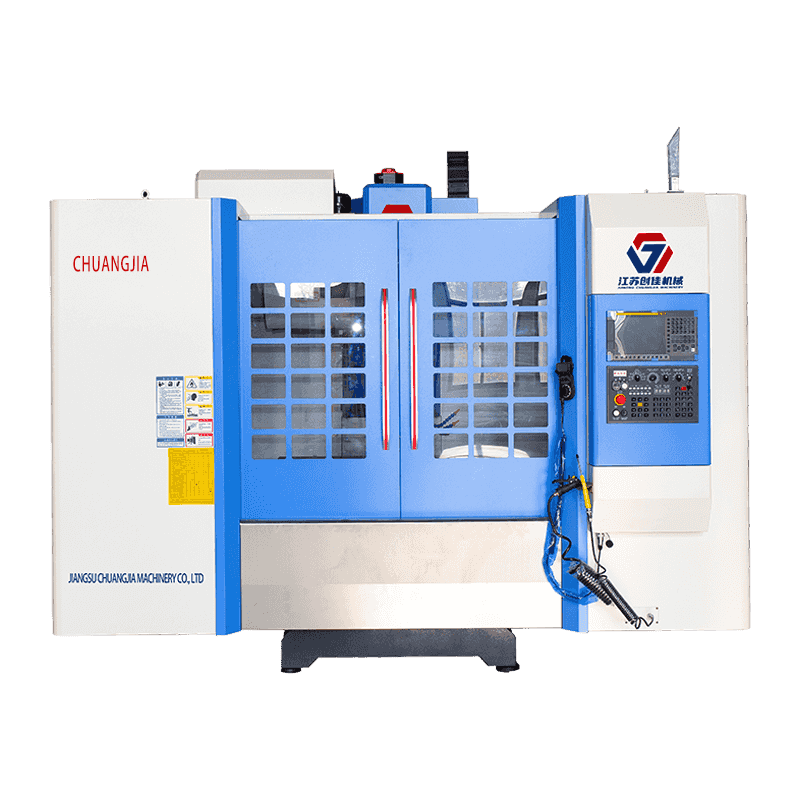
This series of machining center is fixed in A-shape single column, mobile structure of workbench, high rigidity of basic parts, lightweight of moving ...
See Details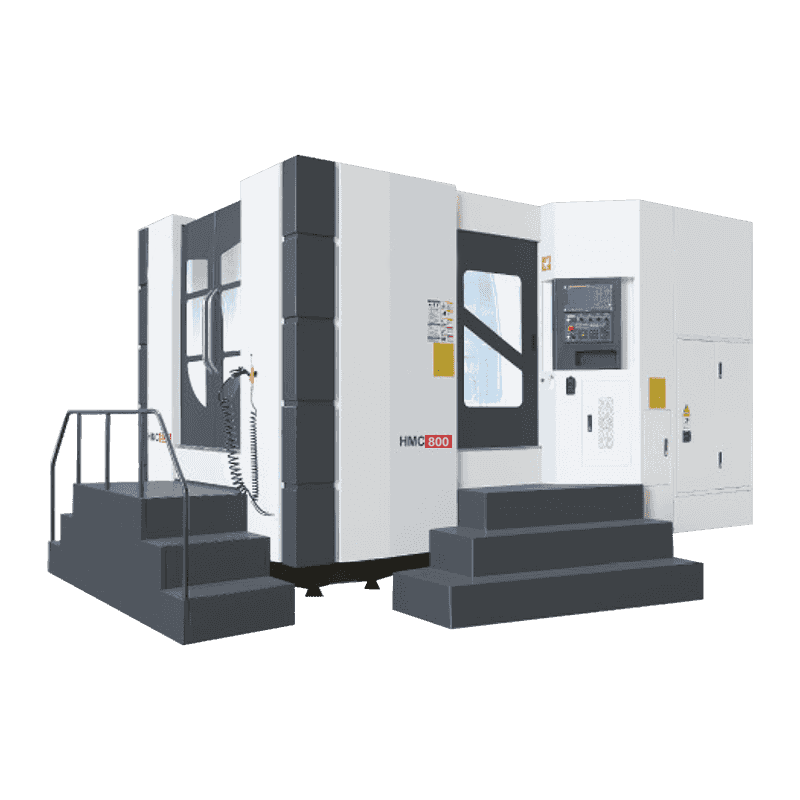
The bed adopts inverted T structure layout, the table moves around (X axis), the headstock moves up and down (Y axis) and the column moves back and fo...
See Details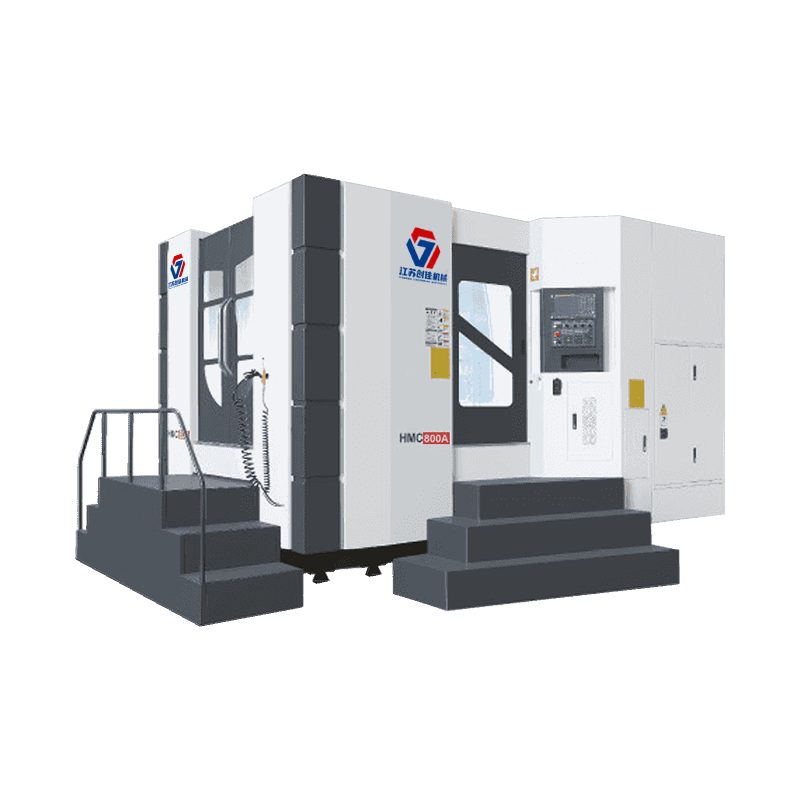
The bed adopts a positive T structure layout, the table moves back and forth (Z axis), the headstock moves up and down (Y axis) and the column moves l...
See Details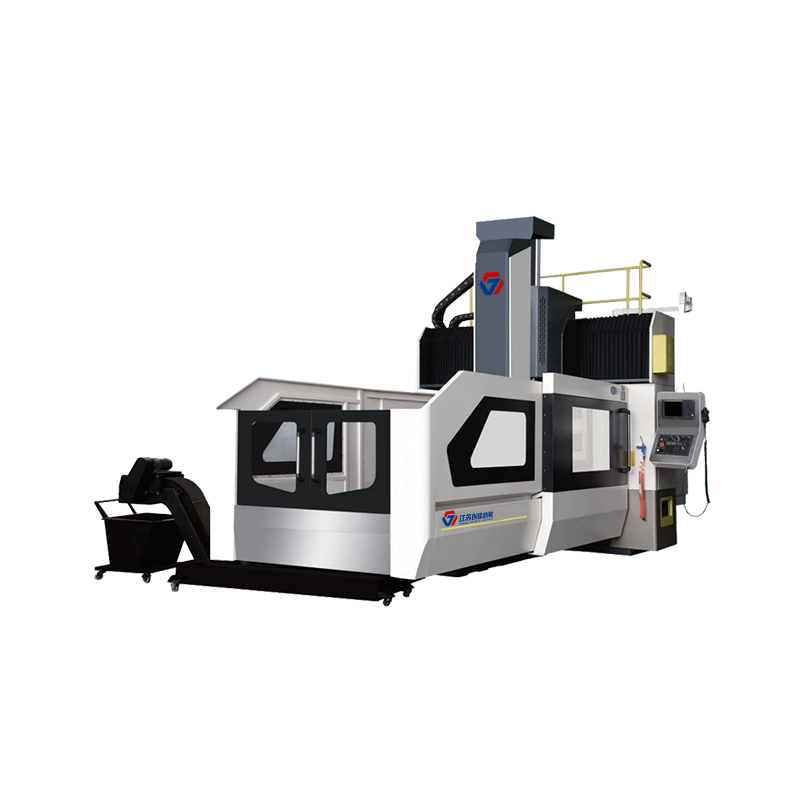
The machine adopts the structure form of fixed gantry frame and moving table on the bed. Beam column integrated design, has the characteristics of hig...
See Details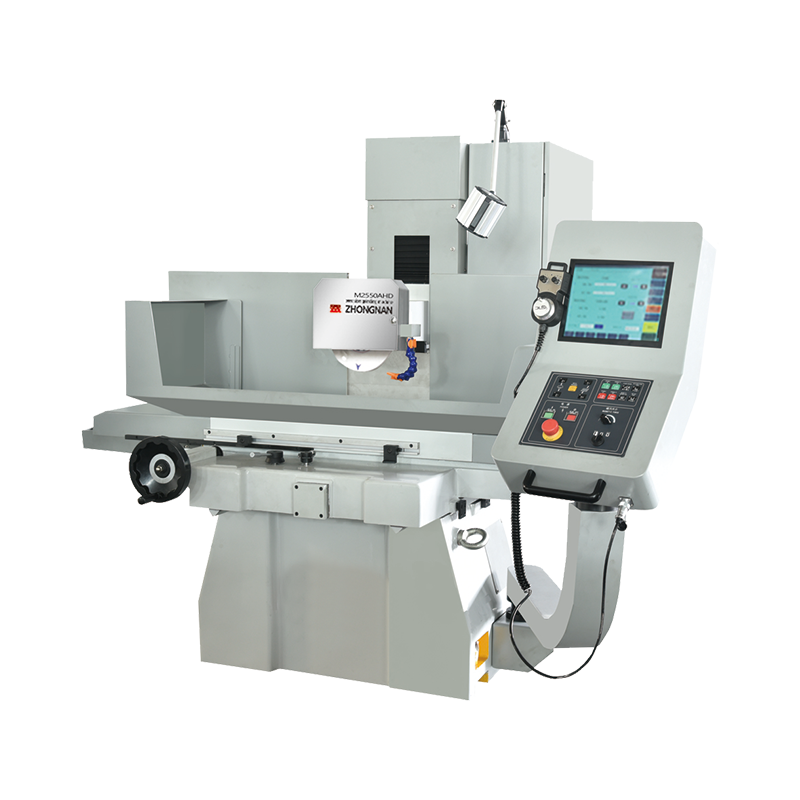
High precision/High speed/easy to operate CNC surface grinding machine X axis hydraulic /YZ axis servo/CNC system. Cross slide structure, double V rai...
See Details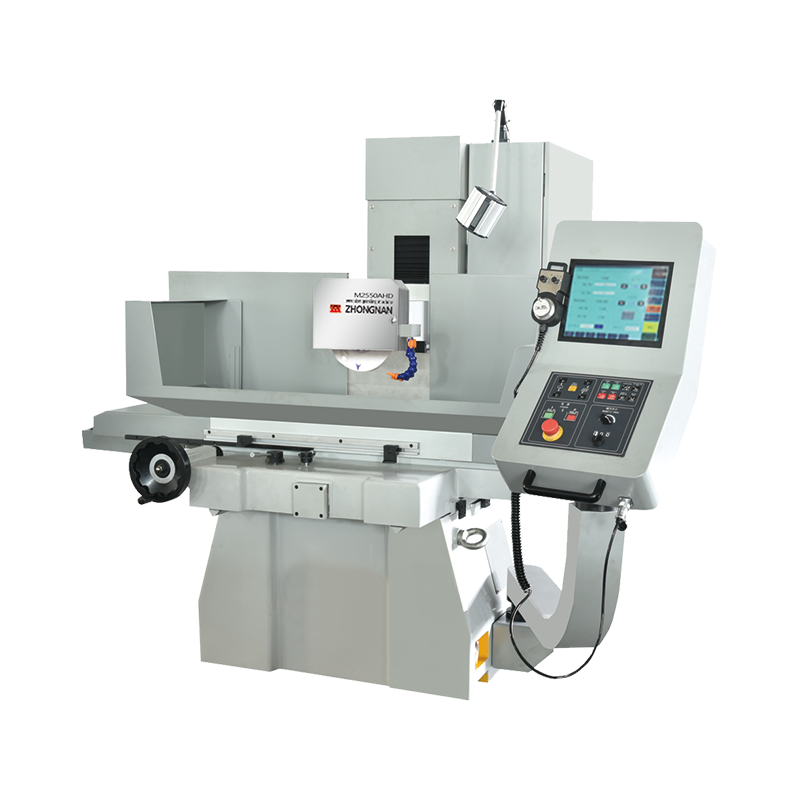
High precision/High speed/easy to operate CNC surface grinding machine X axis hydraulic /YZ axis servo/CNC system. Cross slide structure, double V rai...
See Details
The machine adopts the structure form of fixed gantry frame and moving table on the bed. Beam column integrated design, has the characteristics of hig...
See Details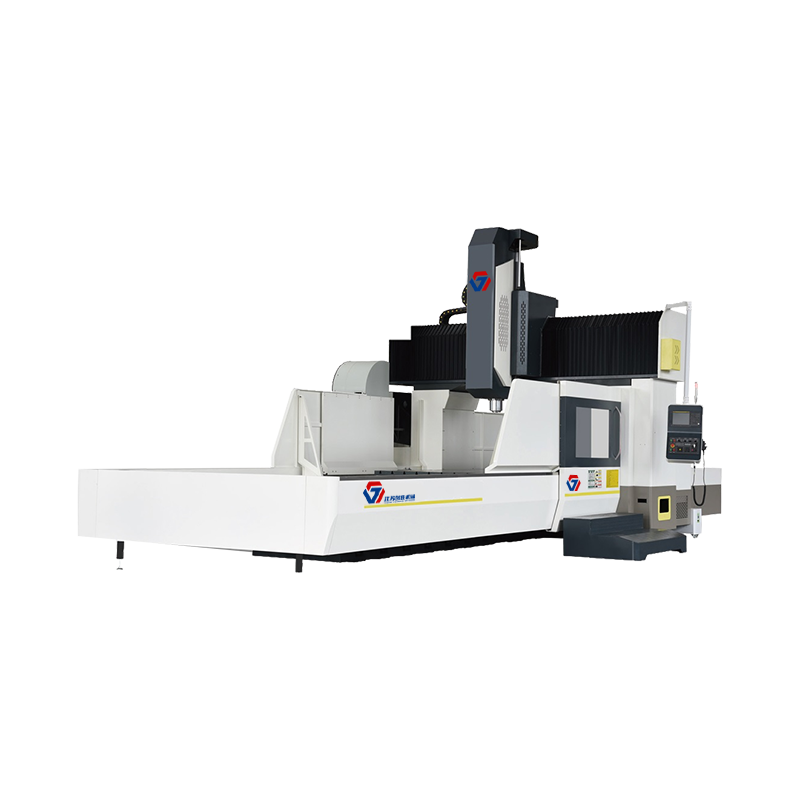
The machine adopts the structure form of fixed gantry frame and moving table on the bed. Beam column integrated design, has the characteristics of hig...
See Details
All rights reserved Jiangsu Chuangjia Machinery Co., LTD.
