
 Search products
 en
en 简体中文
简体中文 русский
 Español
ZN-L1270 Vertical Machining Center
Cat:Vertical Machining Center
This series of machining center is fixed in A-shape single column, mobile structure of workbench, high rigidity of basic parts, lightweight of moving ...
See DetailsEffective chip removal is a critical factor in the performance, precision, and longevity of Drilling and Tapping Center. During continuous drilling and tapping, metal chips, swarf, and debris are generated at high volumes, especially when machining large components or using high-speed operations. If chips are not efficiently evacuated, they can accumulate around the cutting tool, workpiece, and spindle, creating multiple problems.
Excessive chip buildup can lead to tool breakage due to sudden jamming, impact stress, or heat accumulation. Chips caught in the thread can compromise the dimensional accuracy and surface finish of threaded holes, resulting in defective parts and reduced quality control. Accumulated chips can block coolant flow, leading to overheating, accelerated wear of cutting edges, and increased friction. Continuous chip management is therefore essential not only for operational efficiency but also for maintaining the precision, consistency, and safety of drilling and tapping operations in industrial environments.
A primary method for chip management in Drilling and Tapping Centers is the use of sophisticated coolant and lubrication systems. High-pressure, directed coolant jets are strategically aimed at the cutting interface to flush chips away as they are generated. This dual-purpose system serves both to remove debris and to reduce heat, which minimizes thermal expansion of both the tool and the workpiece, preserving dimensional accuracy.
The choice of coolant is critical and varies depending on the workpiece material. Water-soluble or synthetic coolants are typically used for metals like aluminum or mild steel, while oil-based lubricants are preferred for tougher alloys to reduce friction and improve chip evacuation. Many centers offer programmable coolant flow rates, spray angles, and timing to optimize chip removal while minimizing coolant waste. Properly designed coolant delivery ensures that chips are continuously cleared from the cutting zone, which significantly improves thread quality, reduces tool wear, and enhances overall production efficiency.
In addition to coolant, Drilling and Tapping Centers often include mechanical systems to remove chips from the cutting zone. Chip augers, conveyors, and vacuum extraction units are integrated to continuously transport swarf away from the spindle and workpiece area. These systems prevent chips from wrapping around the tool, clogging the work area, or scratching the workpiece surface.
Chip augers are particularly effective for long, continuous chips, such as those produced during deep-hole tapping, while vacuum systems excel at removing fine, granular chips generated at high spindle speeds. Conveyor belts can transport chips to collection bins, ensuring uninterrupted operation. Some centers also utilize chip breakers on the cutting tools to fragment continuous chips into smaller, manageable segments, making mechanical evacuation more efficient. Combining coolant and mechanical chip removal ensures consistent cleanliness, reduces the risk of tool damage, and maintains the quality of threaded and drilled components.
Chip management is not only mechanical; it is also achieved through optimized CNC programming. Advanced Drilling and Tapping Centers use toolpath strategies and pecking cycles to control chip formation and evacuation. For deep-hole drilling, pecking cycles retract the tool periodically to remove chips before they accumulate, preventing jamming or binding. Similarly, threading operations can include partial retraction or reverse rotation cycles to break continuous chips and reduce contamination of the thread profile.
Modern CNC control systems may dynamically adjust feed rates, spindle speeds, and retraction intervals based on real-time sensor data, ensuring that chip evacuation is efficient under varying load conditions. These toolpath optimizations not only protect the cutting tools from excessive wear but also prevent defects in threaded holes, improving productivity and reducing scrap rates. The combination of mechanical and programming strategies ensures consistent and reliable chip removal even during complex or high-volume operations.
Different materials produce varying chip types, which require customized management strategies. Metals like aluminum create short, brittle chips, while mild steel often produces long spiral chips, and stainless steel generates sticky, continuous swarf. The Drilling and Tapping Center allows operators to adjust coolant pressure, spindle speed, feed rate, and tapping cycles to suit the specific material and chip type.
Some machines provide adjustable chip shields or deflectors to prevent displaced chips from recontacting the spindle or workpiece. Tools can also be selected with chip-breaking geometries to reduce long chip formation. Material-specific optimization prevents tool wear, protects surface finish, maintains thread accuracy, and ensures consistent performance across diverse production materials. This adaptability makes the Drilling and Tapping Center suitable for a wide range of industrial applications, from lightweight aluminum parts to high-strength alloys.
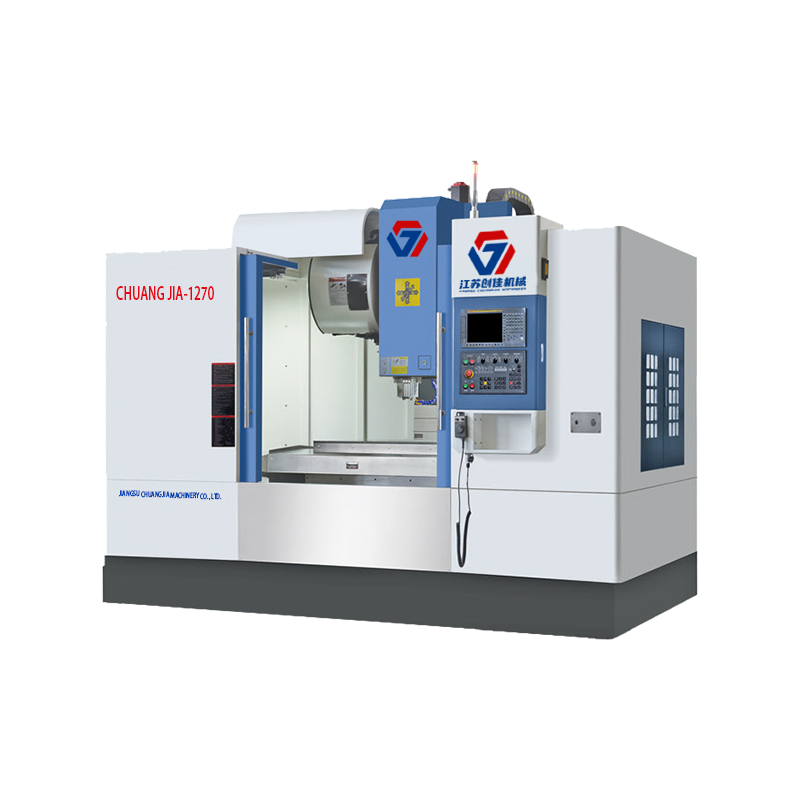
This series of machining center is fixed in A-shape single column, mobile structure of workbench, high rigidity of basic parts, lightweight of moving ...
See Details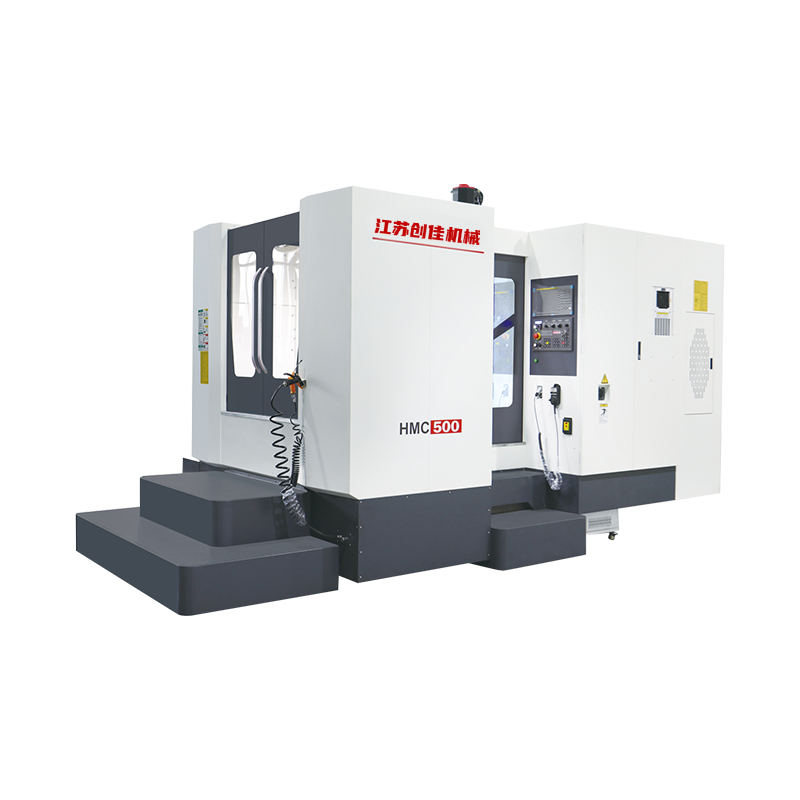
The bed adopts inverted T structure layout, the table moves around (X axis), the headstock moves up and down (Y axis) and the column moves back and fo...
See Details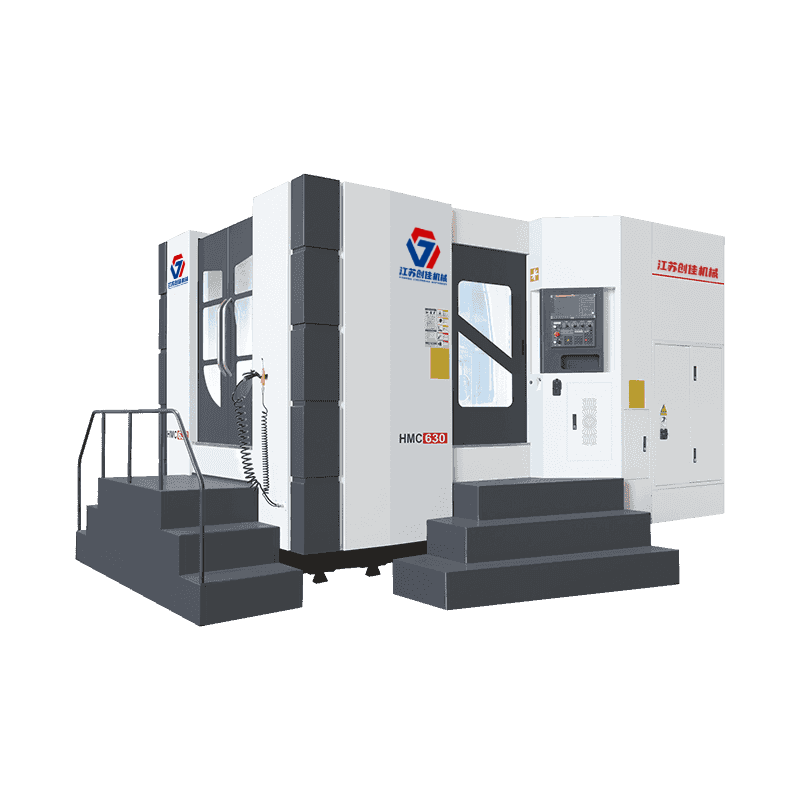
The bed adopts inverted T structure layout, the table moves around (X axis), the headstock moves up and down (Y axis) and the column moves back and fo...
See Details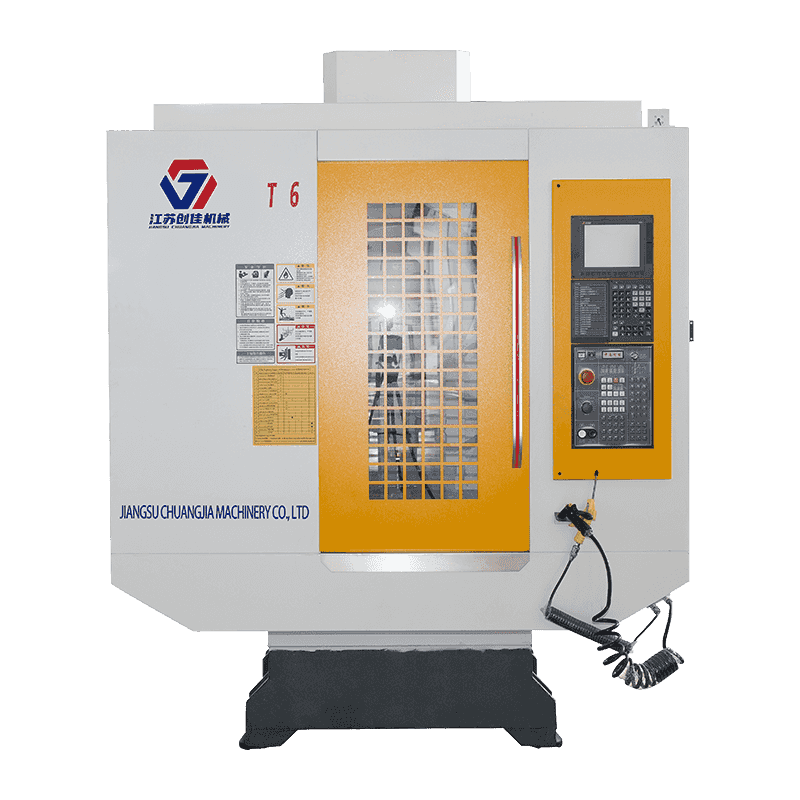
Drilling and tapping center ZN-T6 has easy operability, high reliability, ultra-high cost performance, mainly used in general industry, hardware, medi...
See Details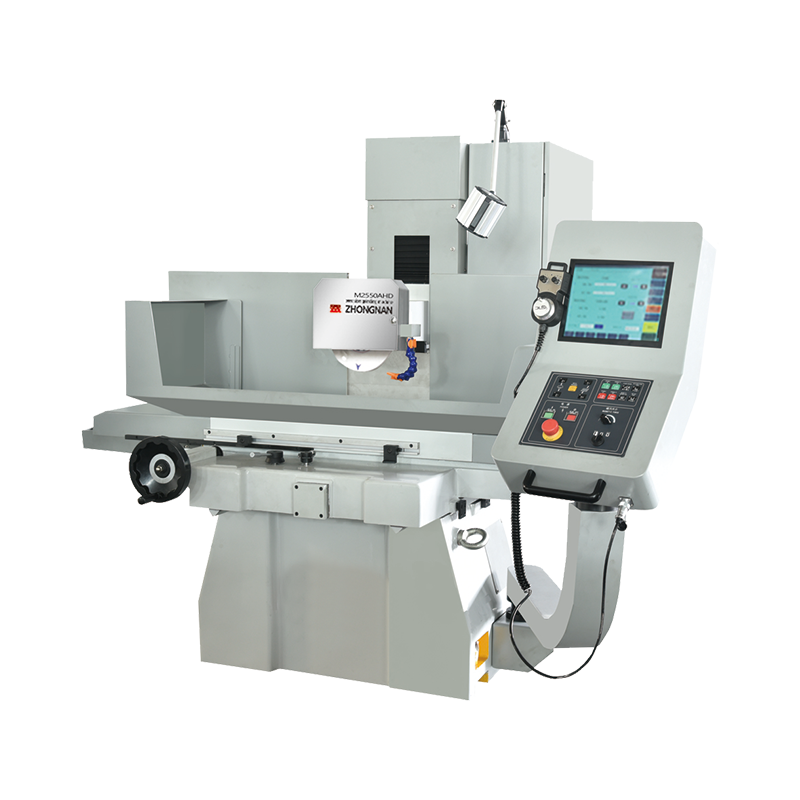
High precision/High speed/easy to operate CNC surface grinding machine X axis hydraulic /YZ axis servo/CNC system. Cross slide structure, double V rai...
See Details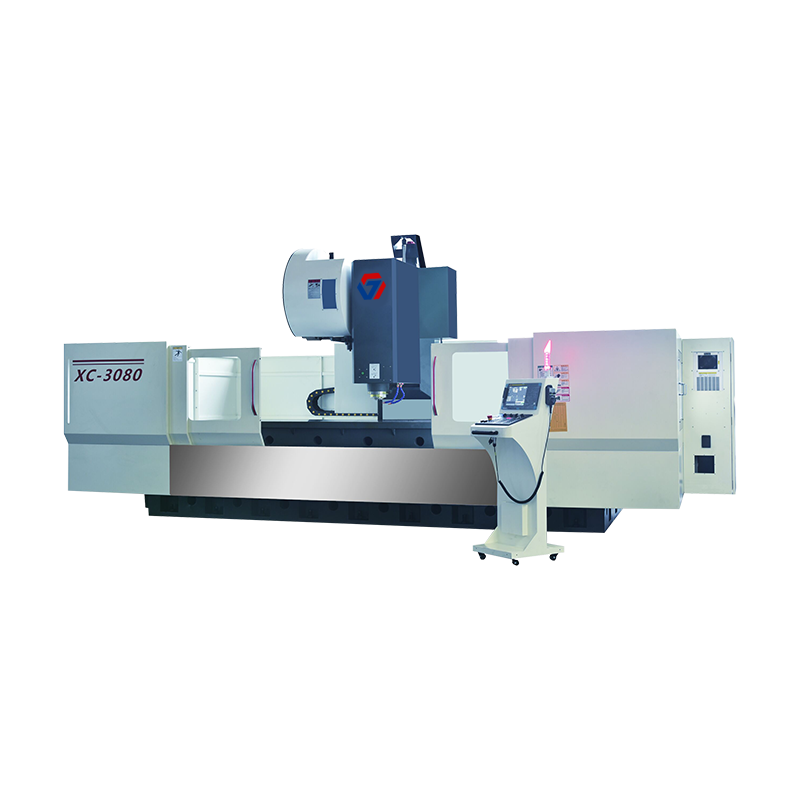
Mainly process the internal profiles of rail transit locomotives; Narrow and long parts of automobiles; TV frames, refrigerator frames, communication ...
See Details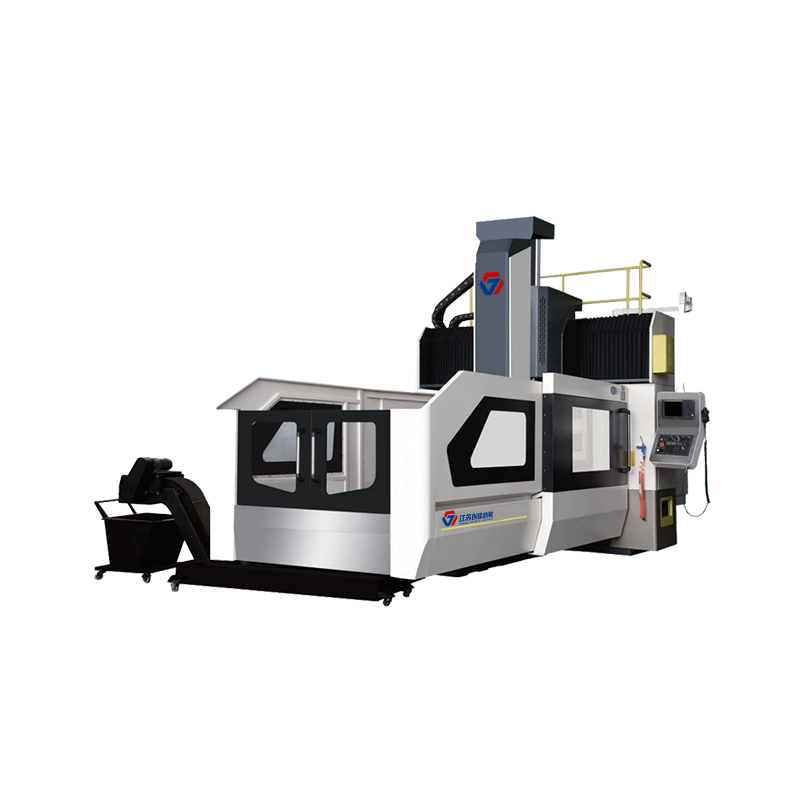
The machine adopts the structure form of fixed gantry frame and moving table on the bed. Beam column integrated design, has the characteristics of hig...
See Details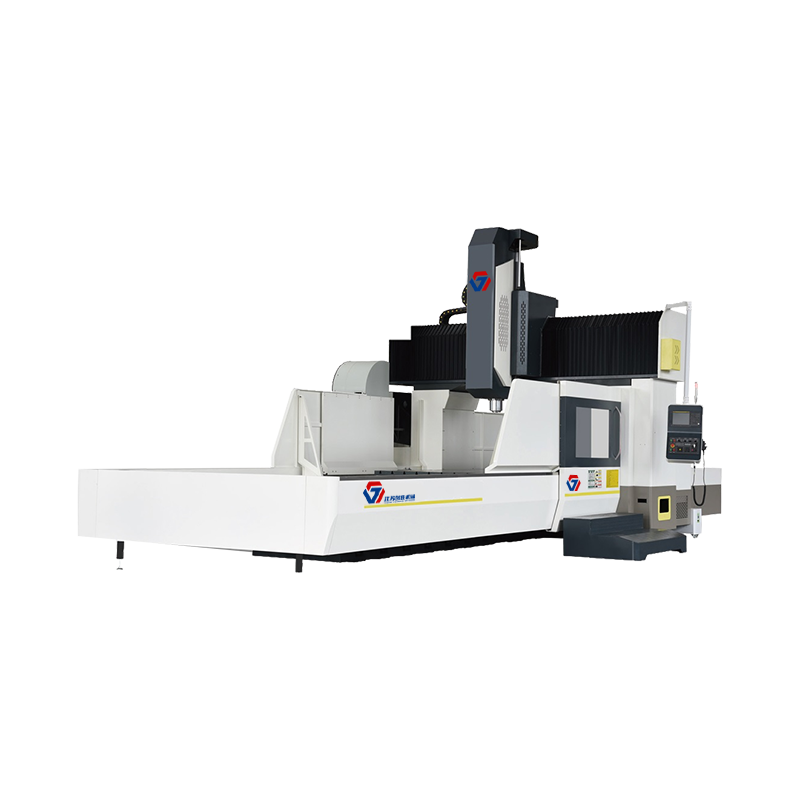
The machine adopts the structure form of fixed gantry frame and moving table on the bed. Beam column integrated design, has the characteristics of hig...
See Details
All rights reserved Jiangsu Chuangjia Machinery Co., LTD.
