
 Search products
 en
en 简体中文
简体中文 русский
 Español
ZN-V855 Vertical Machining Center
Cat:Vertical Machining Center
This series of machining center is fixed in A-shape single column, mobile structure of workbench, high rigidity of basic parts, lightweight of moving ...
See DetailsThe CNC Vertical Machining Center achieves high repeatability in high-volume production primarily through a combination of precise mechanical design, advanced control systems, and consistent tooling management. Features such as rigid machine frames, high-precision linear guides, backlash-free ball screws, and thermal compensation ensure that each part is produced with minimal deviation, often within ±0.005 mm tolerance in mass production runs.
The structural rigidity of a CNC Vertical Machining Center plays a critical role in maintaining repeatability. A cast iron frame with optimized ribbing minimizes vibration and deformation during heavy cuts. This allows operators to maintain consistent positioning even during extended cycles of high-volume production. Machines with reinforced columns and spindle supports can reduce deflection by up to 40% compared to standard frames.
High-precision linear guides and preloaded ball screws are essential for consistent movement along the X, Y, and Z axes. Preloading reduces backlash, ensuring that repeated motions return to the exact same position. For example, machines equipped with recirculating ball screws with <0.002 mm backlash have shown significantly improved part-to-part consistency in automated production.
Modern CNC controls enhance repeatability by managing acceleration, deceleration, and path correction. Features like linear interpolation, real-time compensation, and adaptive feed rate control allow operators to maintain consistent dimensional accuracy. Some high-end CNC Vertical Machining Centers include thermal drift compensation to automatically adjust tool paths based on temperature changes, which can cause deviations in long production runs.
Tool wear can significantly impact repeatability. CNC Vertical Machining Centers equipped with automatic tool changers (ATC) and tool length measurement systems maintain consistent cutting conditions. By ensuring each tool is precisely positioned and monitored, repeatability is preserved even during extended production. Typical ATCs can store 20–60 tools, supporting complex multi-step operations without manual intervention.
Thermal expansion can affect repeatability, especially in high-speed, long-duration machining. CNC Vertical Machining Centers often include temperature sensors and software-based thermal compensation that adjust the machine's axes to offset changes in spindle and frame temperature. Studies show that thermal compensation can reduce dimensional errors by up to 60% in environments where spindle temperatures rise above 50°C.
A reliable CNC Vertical Machining Center depends not only on its internal components but also on stable workholding. Precision vises, modular fixtures, and vacuum tables help maintain consistent part positioning. Using standardized fixturing reduces variation between parts and ensures repeatable setup times, which is critical for high-volume production environments.
Efficient CAM programming directly impacts repeatability. CNC Vertical Machining Centers equipped with optimized tool paths, collision avoidance, and simulation features reduce the risk of operator error and material inconsistencies. Programs can be tested virtually to ensure that each cycle produces identical parts, reducing scrap rates in large production batches.
Real-time monitoring systems track vibration, spindle load, and axis deviation to ensure repeatable performance. Some CNC Vertical Machining Centers feature closed-loop feedback on all axes, allowing the control system to automatically correct micro-deviations. This ensures that every part conforms to specifications, even under varying load conditions or tool wear.
In conclusion, repeatability in a CNC Vertical Machining Center is achieved through a combination of mechanical precision, advanced control technology, effective tool and fixture management, and environmental compensation. The table below summarizes key features and their impact on high-volume production:
| Feature | Impact on Repeatability |
|---|---|
| Rigid Cast Iron Frame | Reduces vibration and deflection, improves positioning stability |
| Preloaded Ball Screws & Linear Guides | Minimizes backlash, ensures precise axis movements |
| Thermal Compensation | Maintains dimensional accuracy under temperature changes |
| Advanced CNC Controls | Ensures consistent tool path execution and adaptive corrections |
| Automatic Tool Changers & Tool Monitoring | Maintains consistent cutting conditions, reduces operator error |
| Precision Workholding | Ensures stable part positioning across repeated cycles |
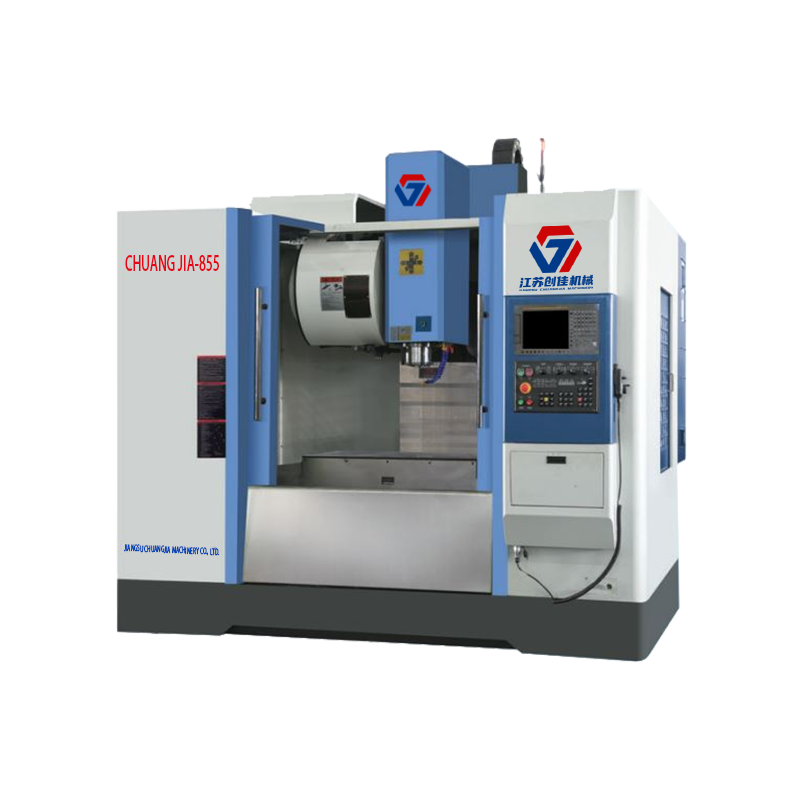
This series of machining center is fixed in A-shape single column, mobile structure of workbench, high rigidity of basic parts, lightweight of moving ...
See Details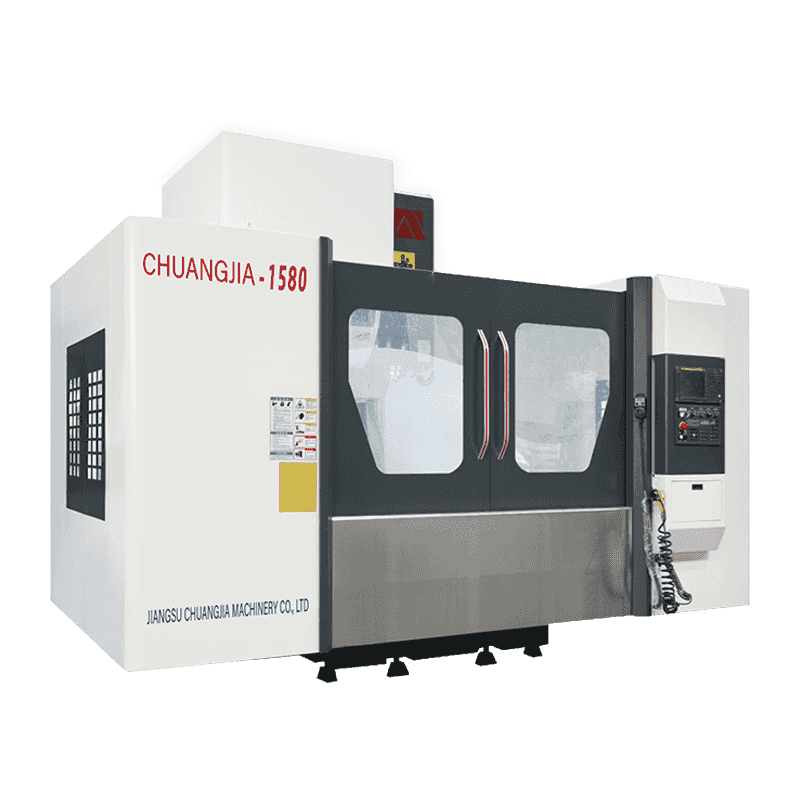
This series of machining center is fixed in A-shape single column, mobile structure of workbench, high rigidity of basic parts, lightweight of moving ...
See Details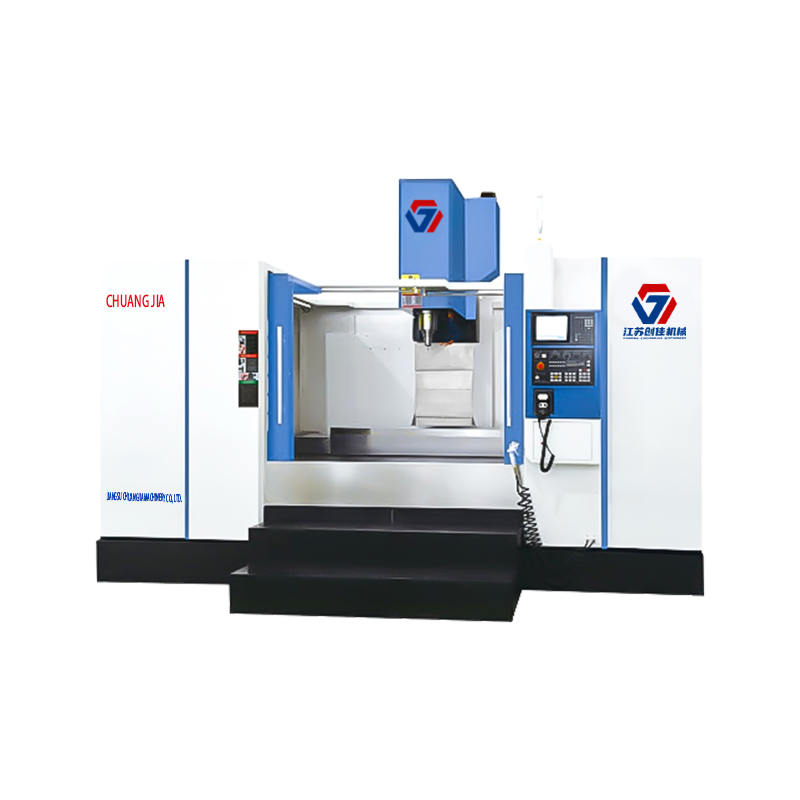
This series of machining center is fixed in A-shape single column, mobile structure of workbench, high rigidity of basic parts, lightweight of moving ...
See Details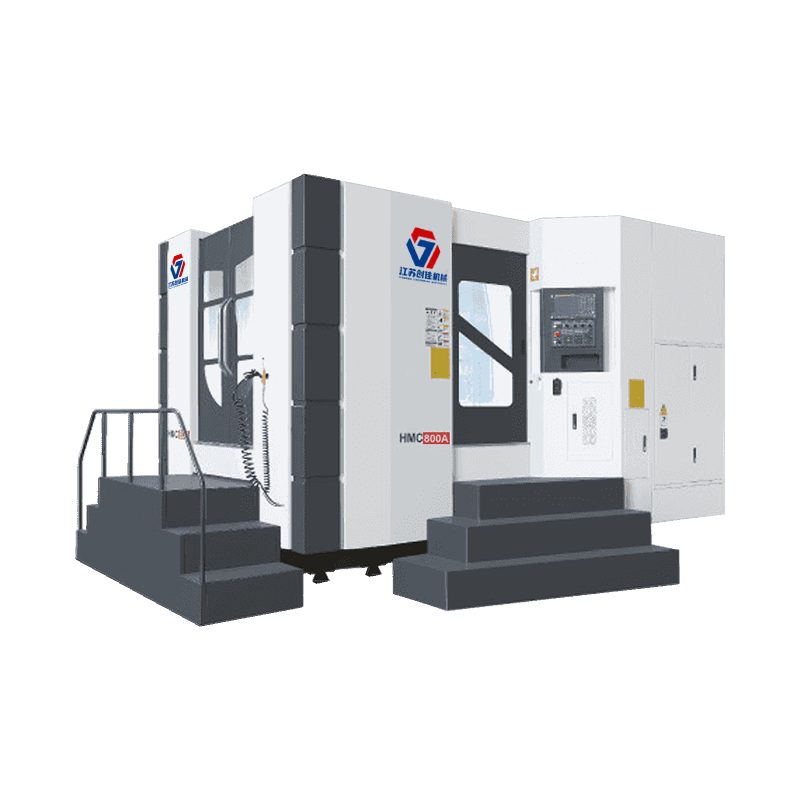
The bed adopts a positive T structure layout, the table moves back and forth (Z axis), the headstock moves up and down (Y axis) and the column moves l...
See Details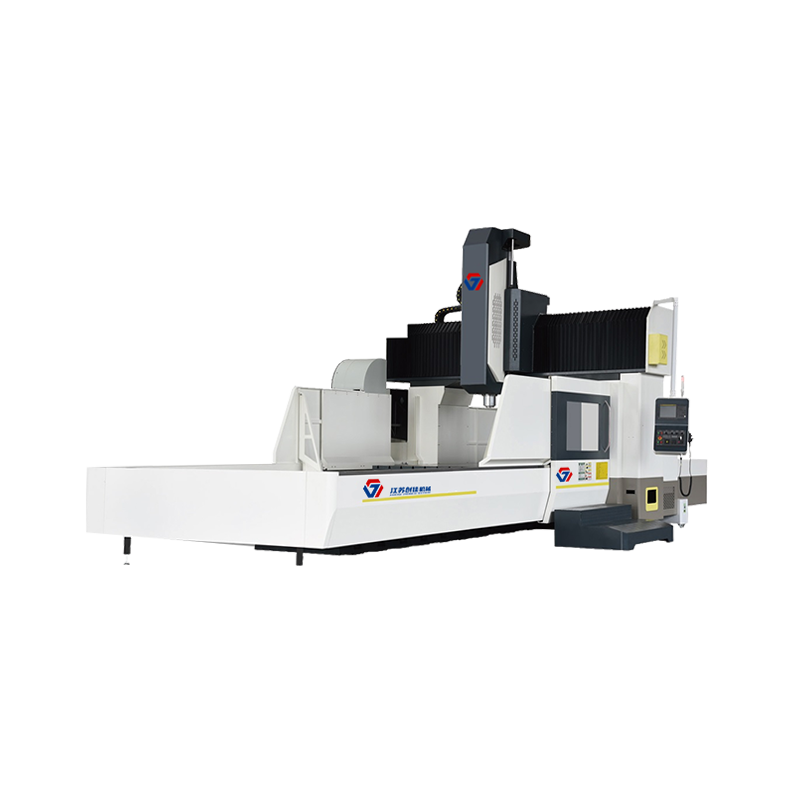
The machine adopts the structure form of fixed gantry frame and moving table on the bed. Beam column integrated design, has the characteristics of hig...
See Details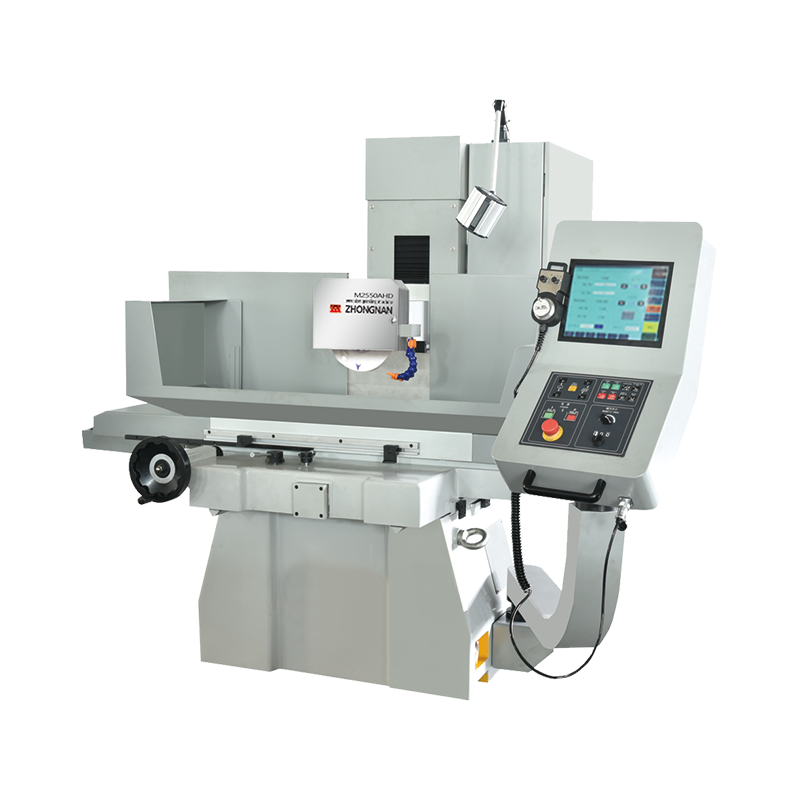
High precision/High speed/easy to operate CNC surface grinding machine X axis hydraulic /YZ axis servo/CNC system. Cross slide structure, double V rai...
See Details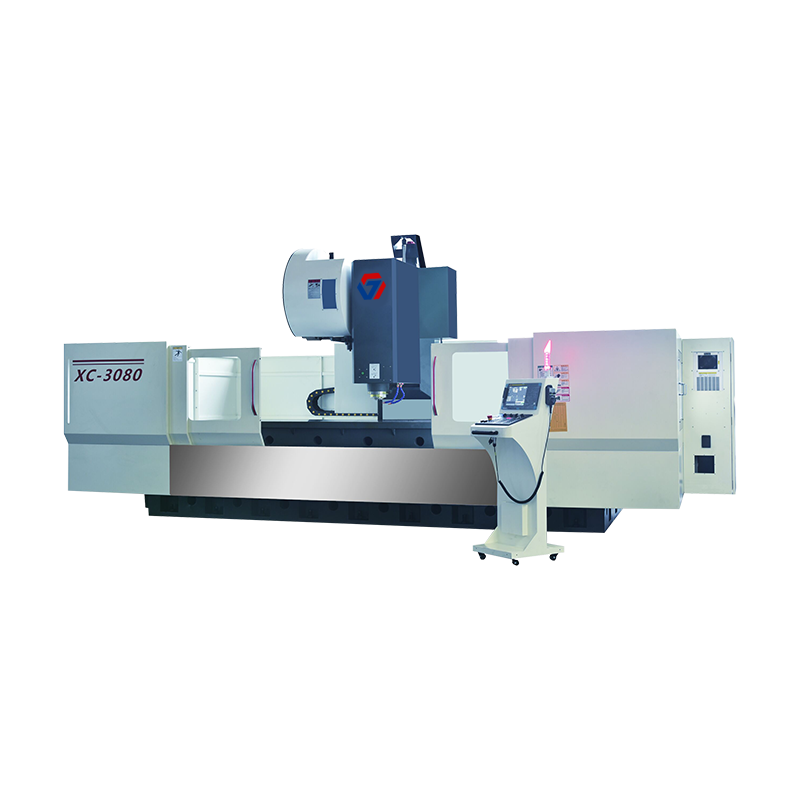
Mainly process the internal profiles of rail transit locomotives; Narrow and long parts of automobiles; TV frames, refrigerator frames, communication ...
See Details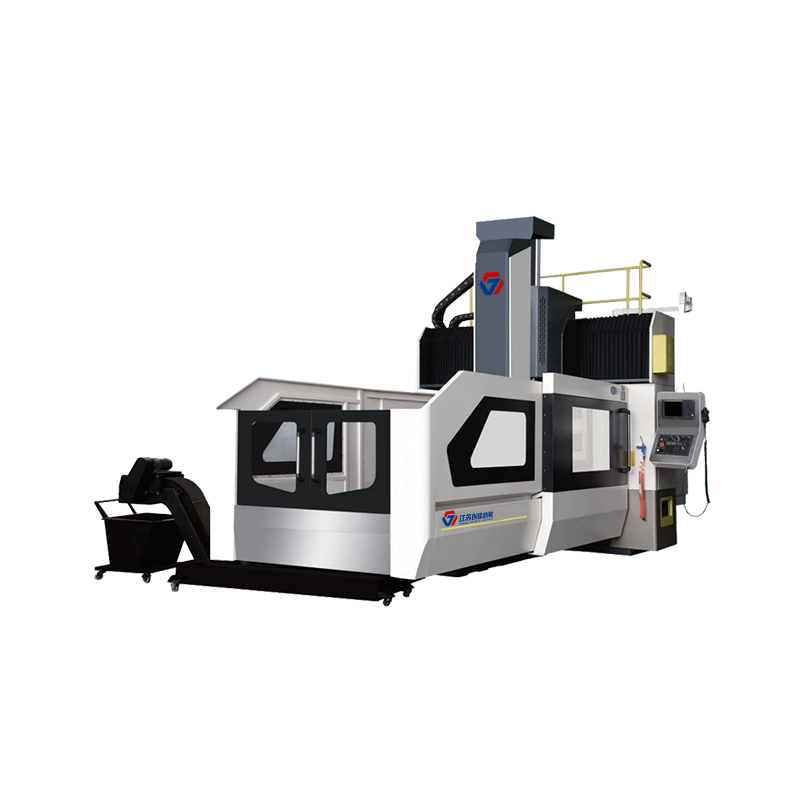
The machine adopts the structure form of fixed gantry frame and moving table on the bed. Beam column integrated design, has the characteristics of hig...
See Details
All rights reserved Jiangsu Chuangjia Machinery Co., LTD.
