
 Search products
 en
en 简体中文
简体中文 русский
 Español
LW860 Horizontal Machining Center
Cat:Horizontal Machining Center
The machine adopts a cross sliding saddle structure, the table moves around (X axis), the headstock moves up and down (Y axis) and the saddle moves ba...
See DetailsThe primary benefit of vibration damping in a CNC Horizontal Machining Center is the significant improvement in machining precision. By reducing chatter and unwanted oscillations, damping systems ensure that the cutting tool follows the programmed path accurately, resulting in tighter tolerances and superior surface finish. In practice, high-performance damping mechanisms can reduce dimensional deviations by up to 30–50% for critical components.
Without effective vibration control, even minor oscillations can cause surface irregularities, tool wear, and potential rejection of parts in high-precision industries such as aerospace and automotive manufacturing.
CNC Horizontal Machining Centers integrate multiple damping strategies to minimize vibration. Common mechanisms include:
These combined approaches allow modern CNC Horizontal Machining Centers to maintain precision even under high-speed cutting conditions.
By dampening vibrations, CNC Horizontal Machining Centers produce smoother surface finishes. In metal cutting, uncontrolled chatter can generate micro-grooves and roughness above Ra 1.6 µm. With proper damping, surface roughness can drop to Ra 0.4–0.8 µm, depending on material and cutting parameters.
Additionally, damping extends tool life. Vibration reduces contact stability between the tool and workpiece, accelerating wear and causing premature breakage. Data from industrial trials show that incorporating damping features can increase tool life by 25–40% in aluminum and steel machining operations.
Vibration damping is critical when performing high-speed milling or machining dense materials. For example, cutting hardened steel at spindle speeds above 5000 RPM without damping can induce severe chatter, causing dimensional errors over 0.05 mm per axis. Implementing damping mechanisms stabilizes the system and allows for aggressive cutting without sacrificing accuracy.
Similarly, in heavy workpieces exceeding 500 kg, damping systems reduce the oscillations that would normally propagate through the table and workholding fixtures.
| Damping Technique | Effectiveness | Typical Use Case |
|---|---|---|
| Structural Damping | Moderate | General milling operations |
| Hydraulic Damping | High | Heavy material machining |
| Active Damping | Very High | Precision aerospace components |
To maximize the benefits of vibration damping in CNC Horizontal Machining Centers, users should:
Vibration damping features in a CNC Horizontal Machining Center directly enhance machining precision, surface finish, and tool longevity. By integrating structural, hydraulic, and active damping mechanisms, users can achieve tighter tolerances, reduce scrap rates, and maintain consistent production quality. Proper understanding and maintenance of these systems ensure maximum return on investment and reliable performance in high-precision manufacturing environments.
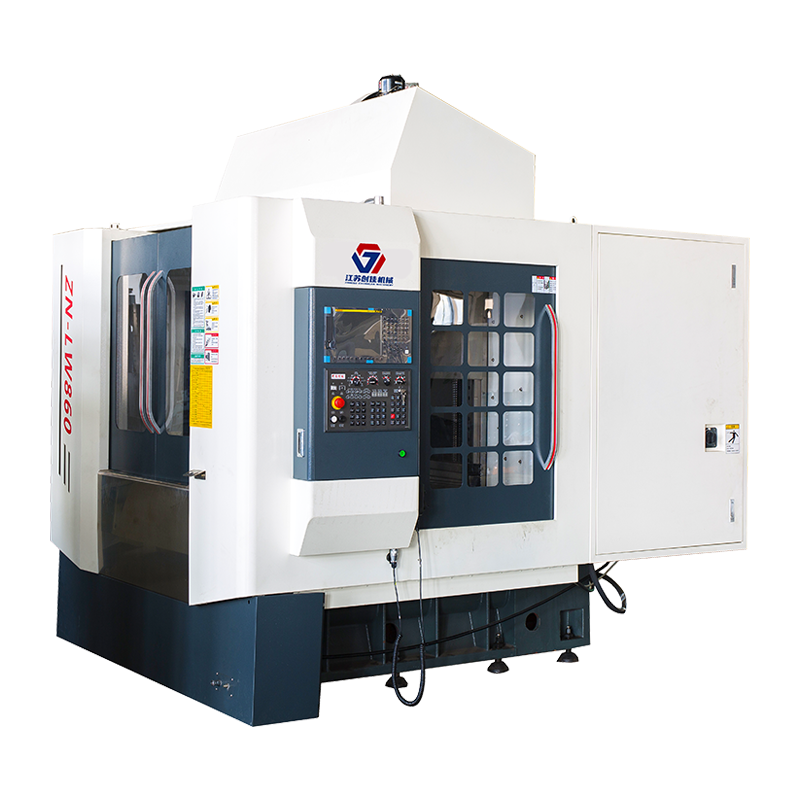
The machine adopts a cross sliding saddle structure, the table moves around (X axis), the headstock moves up and down (Y axis) and the saddle moves ba...
See Details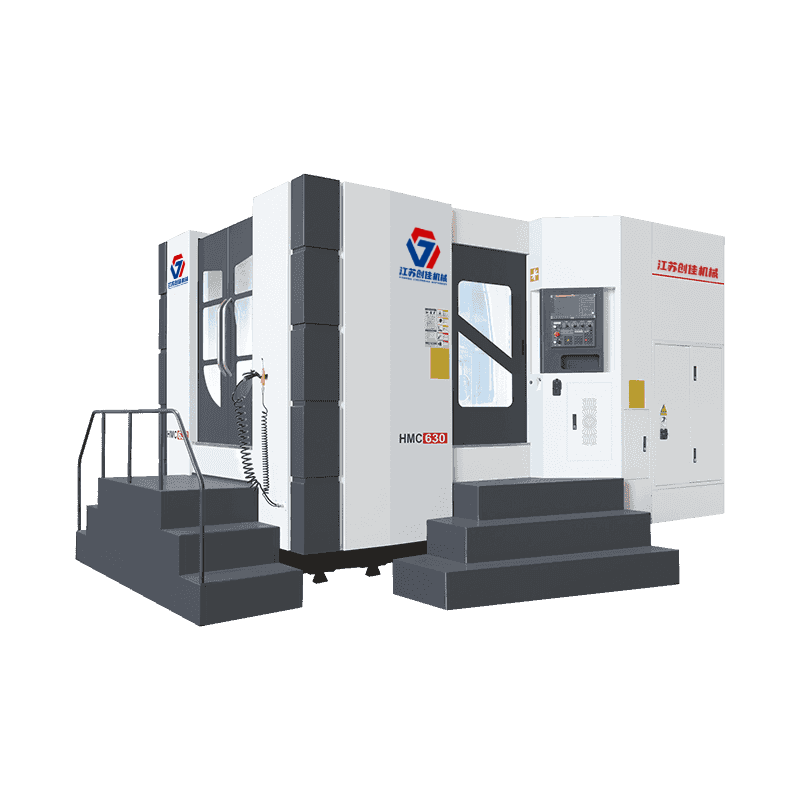
The bed adopts inverted T structure layout, the table moves around (X axis), the headstock moves up and down (Y axis) and the column moves back and fo...
See Details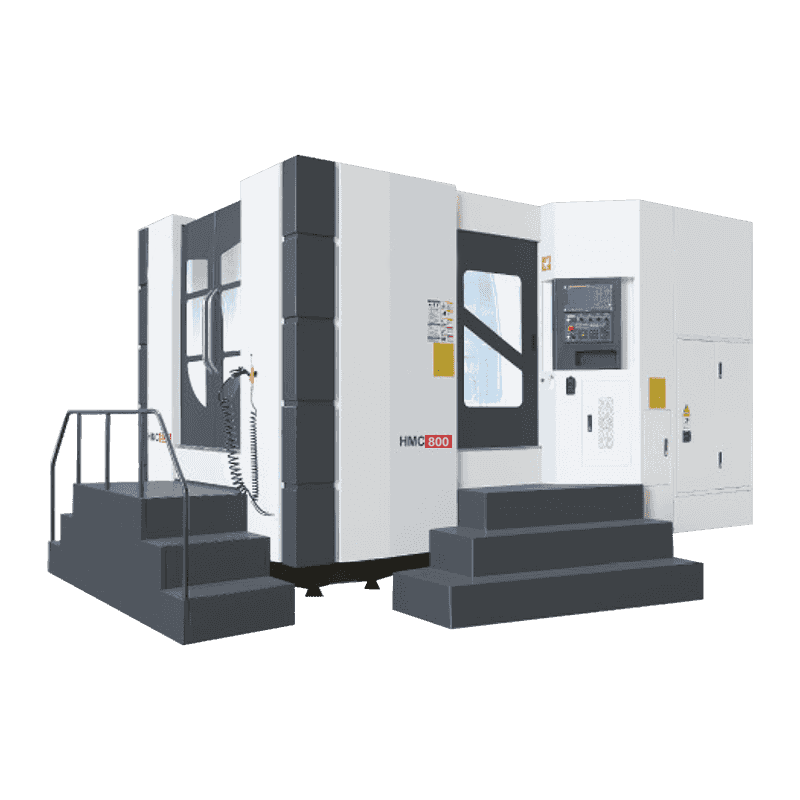
The bed adopts inverted T structure layout, the table moves around (X axis), the headstock moves up and down (Y axis) and the column moves back and fo...
See Details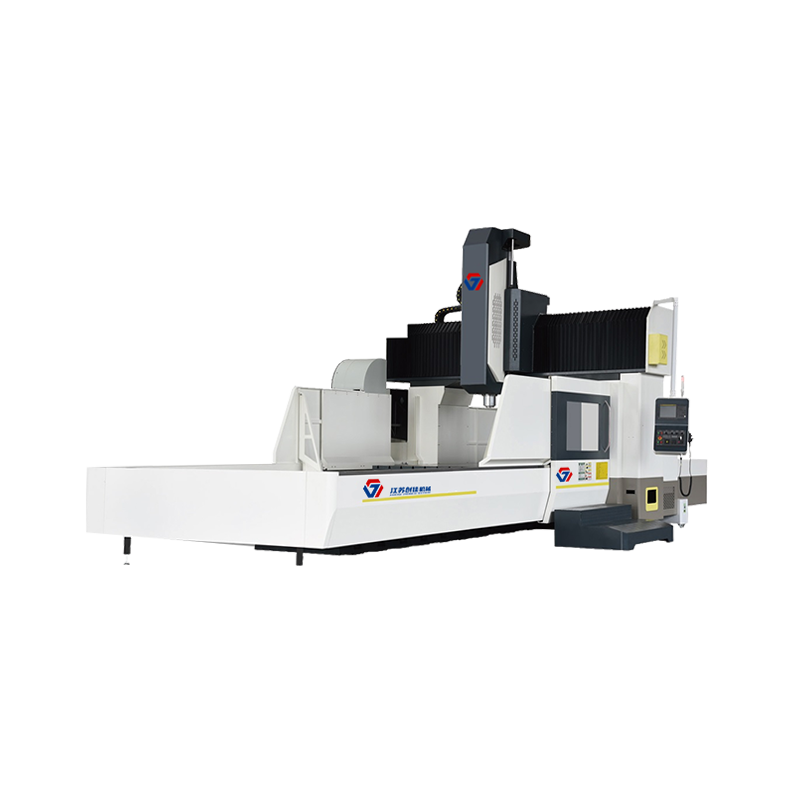
The machine adopts the structure form of fixed gantry frame and moving table on the bed. Beam column integrated design, has the characteristics of hig...
See Details
The machine adopts the structure form of fixed gantry frame and moving table on the bed. Beam column integrated design, has the characteristics of hig...
See Details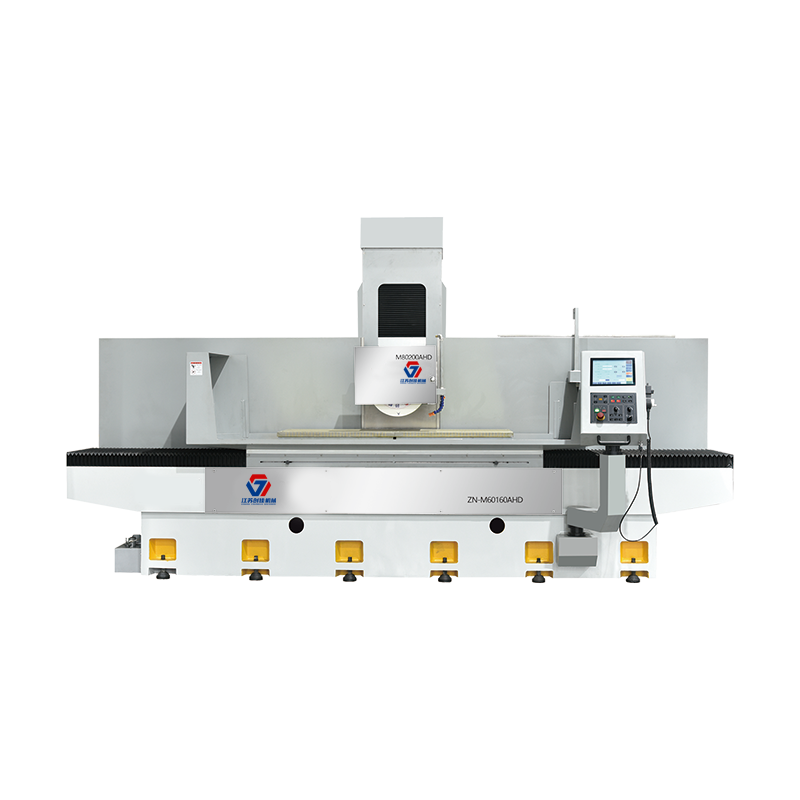
The machine tool is mainly suitable for the precision grinding of various metal materials, such as plane, step and specific shape, and is widely used ...
See Details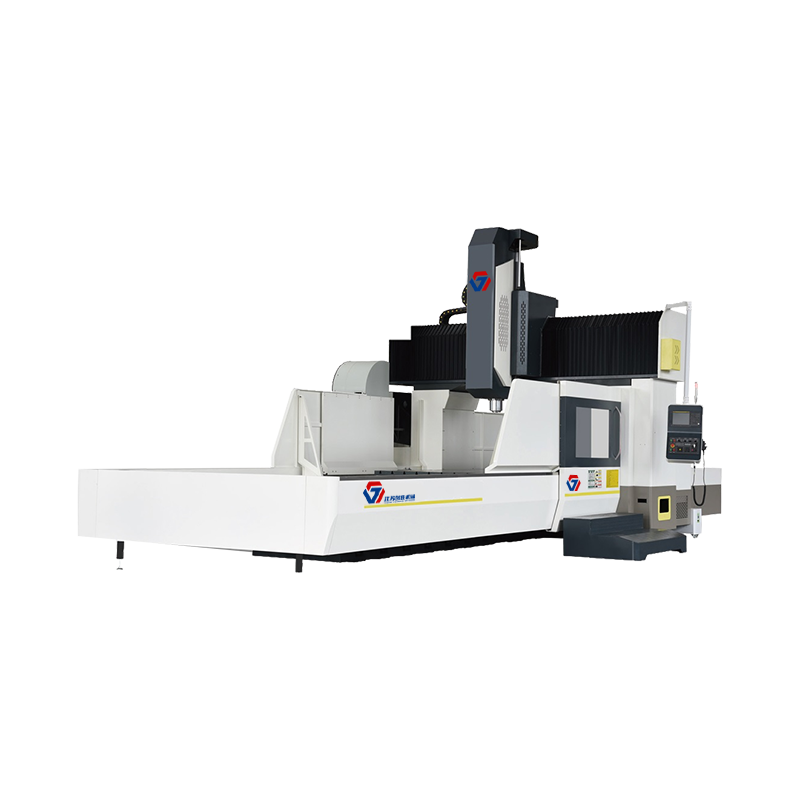
The machine adopts the structure form of fixed gantry frame and moving table on the bed. Beam column integrated design, has the characteristics of hig...
See Details
The machine adopts the structure form of fixed gantry frame and moving table on the bed. Beam column integrated design, has the characteristics of hig...
See Details
All rights reserved Jiangsu Chuangjia Machinery Co., LTD.
