
 Search products
 en
en 简体中文
简体中文 русский
 Español
ZN-V850 Vertical Machining Center
Cat:Vertical Machining Center
This series of machining center is fixed in A-shape single column, mobile structure of workbench, high rigidity of basic parts, lightweight of moving ...
See DetailsCoolant delivery systems and thermal regulation mechanisms: A CNC Milling Machine primarily manages heat generation through integrated coolant delivery systems that regulate temperature at the cutting interface between the tool and the workpiece. During prolonged machining, friction and plastic deformation generate significant thermal energy, which can negatively affect tool life, dimensional accuracy, and surface quality if not controlled. Modern machines employ flood cooling, mist cooling, or high-pressure coolant systems that continuously deliver cooling fluids such as water-soluble oils or synthetic coolants directly to the cutting zone. These fluids absorb and dissipate heat, reduce friction, and flush away hot chips that would otherwise retain and transfer heat back to the cutting area. Advanced coolant systems may include temperature monitoring, filtration, and recirculation features to maintain optimal cooling performance over extended operating periods. Proper coolant application not only stabilizes thermal conditions but also minimizes thermal expansion of both the cutting tool and workpiece, ensuring consistent machining accuracy and prolonging equipment lifespan.
Tool material selection and heat-resistant cutting technologies: The ability of a CNC Milling Machine to manage heat during extended operation is closely related to the properties of the cutting tools used. High-performance cutting tools made from carbide, ceramic, cubic boron nitride, or coated tool materials are designed to withstand elevated temperatures without losing hardness or structural integrity. Specialized coatings such as titanium nitride (TiN), titanium aluminum nitride (TiAlN), or diamond-like coatings provide thermal barriers that reduce heat transfer into the tool body and improve wear resistance. These materials enable efficient cutting at higher speeds while maintaining thermal stability, thereby reducing heat buildup and preventing premature tool failure. Optimized tool geometries, such as sharp cutting edges and efficient chip evacuation channels, reduce friction and heat generation at the cutting interface. By combining heat-resistant tooling with appropriate machining parameters, the system effectively controls thermal stress during continuous production cycles.
Optimized cutting parameters and process control: A CNC Milling Machine manages heat generation by carefully controlling machining parameters such as cutting speed, feed rate, depth of cut, and tool engagement. Excessive cutting speeds or aggressive material removal rates can significantly increase frictional heat, leading to thermal deformation and reduced machining accuracy. Through precise programming and adaptive control systems, operators can optimize these parameters to balance productivity with thermal stability. Some advanced machines feature real-time monitoring systems that automatically adjust cutting conditions based on temperature feedback, spindle load, or vibration signals. This adaptive process control ensures that heat generation remains within acceptable limits, preventing overheating while maintaining efficient material removal. Proper parameter optimization also reduces tool wear, improves surface finish, and enhances the overall energy efficiency of the machining process.
Chip removal and heat dissipation strategies: Efficient chip management plays a crucial role in controlling heat during prolonged machining. When metal is removed from a workpiece, a significant portion of the generated heat is carried away by the chips. A CNC Milling Machine incorporates chip evacuation systems such as chip conveyors, air blasts, or coolant-assisted flushing mechanisms to remove chips quickly from the cutting zone. If chips accumulate near the tool or workpiece, they can retain heat and cause localized temperature increases, leading to surface damage or tool degradation. Rapid chip removal improves heat dissipation and maintains a stable thermal environment around the machining area. Proper chip control prevents recutting of hot chips, which can increase friction and heat generation while negatively affecting machining quality.
Machine structure design and thermal stability control: The structural design of a CNC Milling Machine contributes significantly to its ability to manage heat. High-quality machines are constructed with rigid frames made from materials such as cast iron or polymer concrete, which have excellent thermal damping and stability characteristics. These materials absorb and distribute heat evenly, minimizing localized thermal distortion. Many machines also incorporate thermal compensation systems that monitor temperature variations within critical components such as the spindle, guideways, and machine bed. Based on temperature data, the control system automatically adjusts positioning to compensate for thermal expansion, maintaining dimensional accuracy even during prolonged operation. This structural and computational approach ensures that heat does not compromise machining precision over extended production cycles.
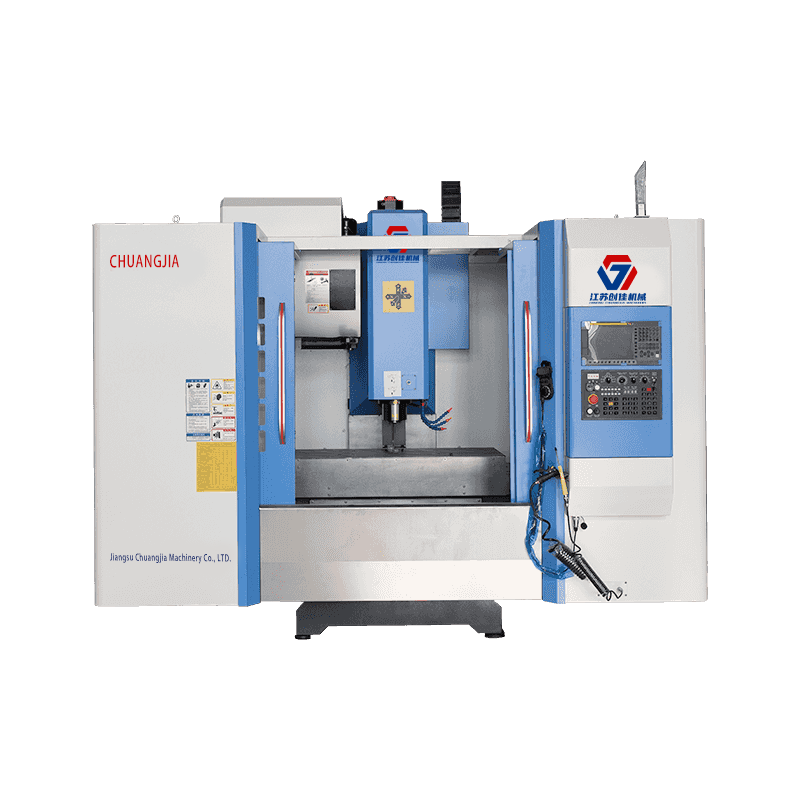
This series of machining center is fixed in A-shape single column, mobile structure of workbench, high rigidity of basic parts, lightweight of moving ...
See Details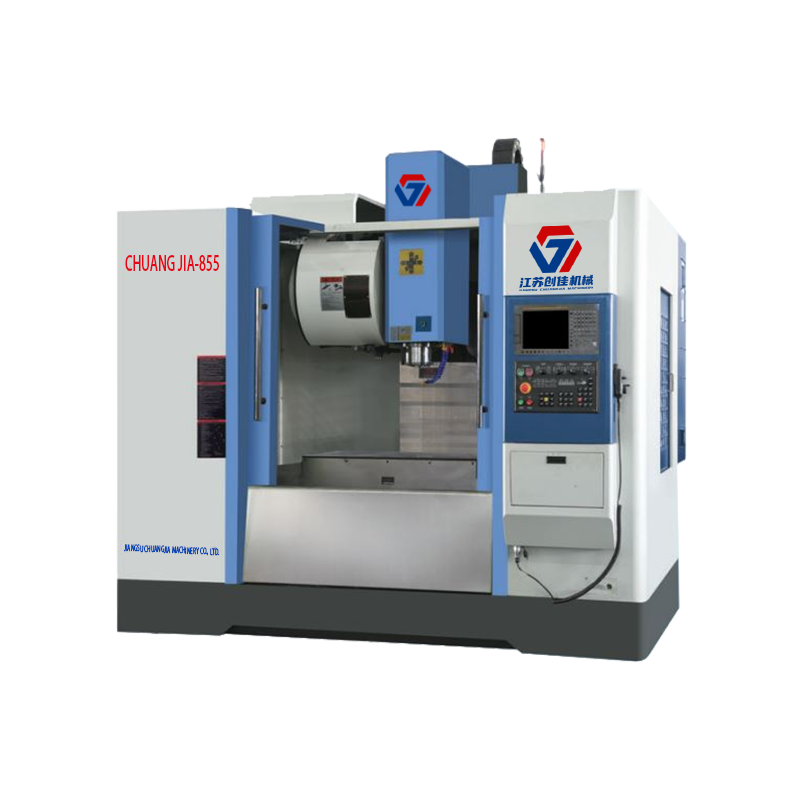
This series of machining center is fixed in A-shape single column, mobile structure of workbench, high rigidity of basic parts, lightweight of moving ...
See Details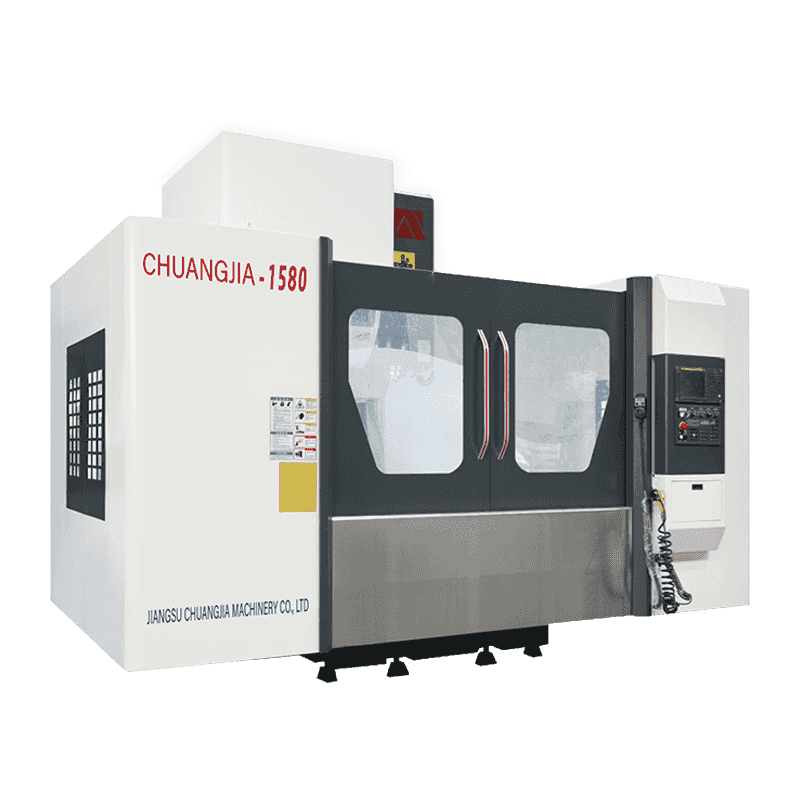
This series of machining center is fixed in A-shape single column, mobile structure of workbench, high rigidity of basic parts, lightweight of moving ...
See Details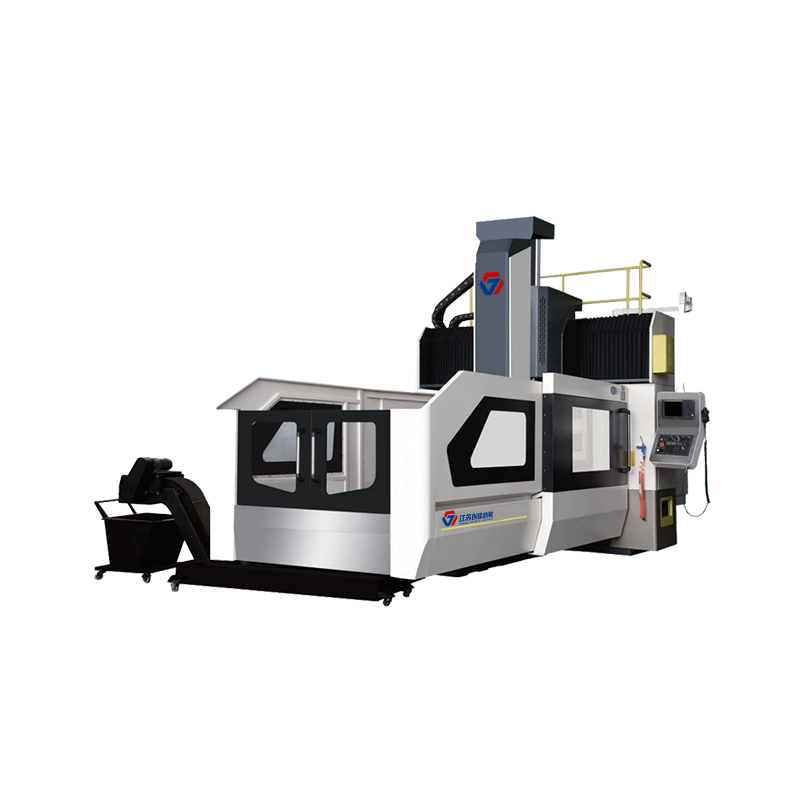
The machine adopts the structure form of fixed gantry frame and moving table on the bed. Beam column integrated design, has the characteristics of hig...
See Details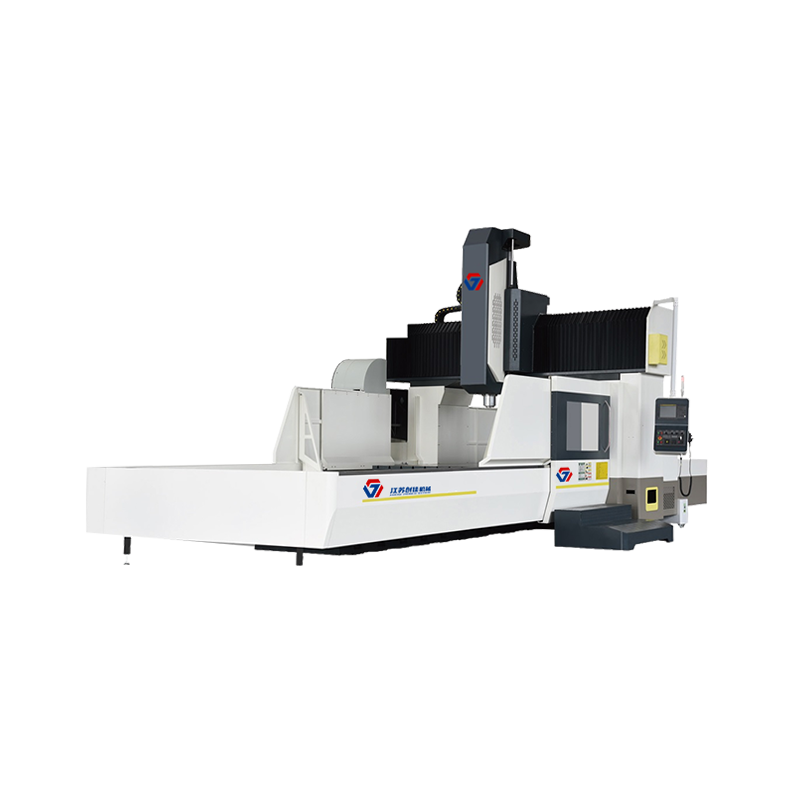
The machine adopts the structure form of fixed gantry frame and moving table on the bed. Beam column integrated design, has the characteristics of hig...
See Details
The three-axis support surface of this series of gantry machining center adopts heavy-duty roller linear guide, which is easy to maintain, low frictio...
See Details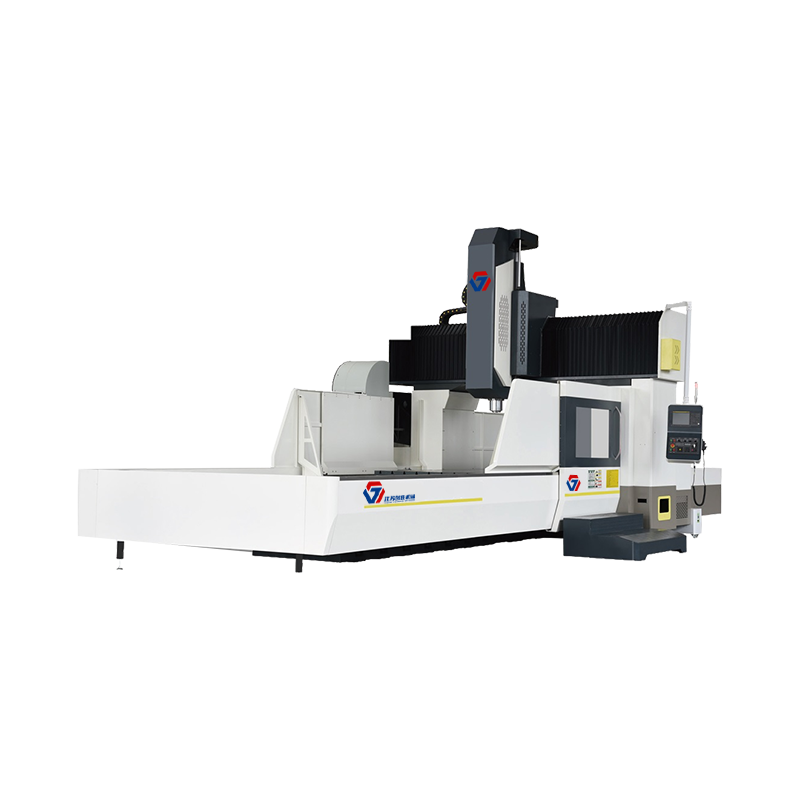
The machine adopts the structure form of fixed gantry frame and moving table on the bed. Beam column integrated design, has the characteristics of hig...
See Details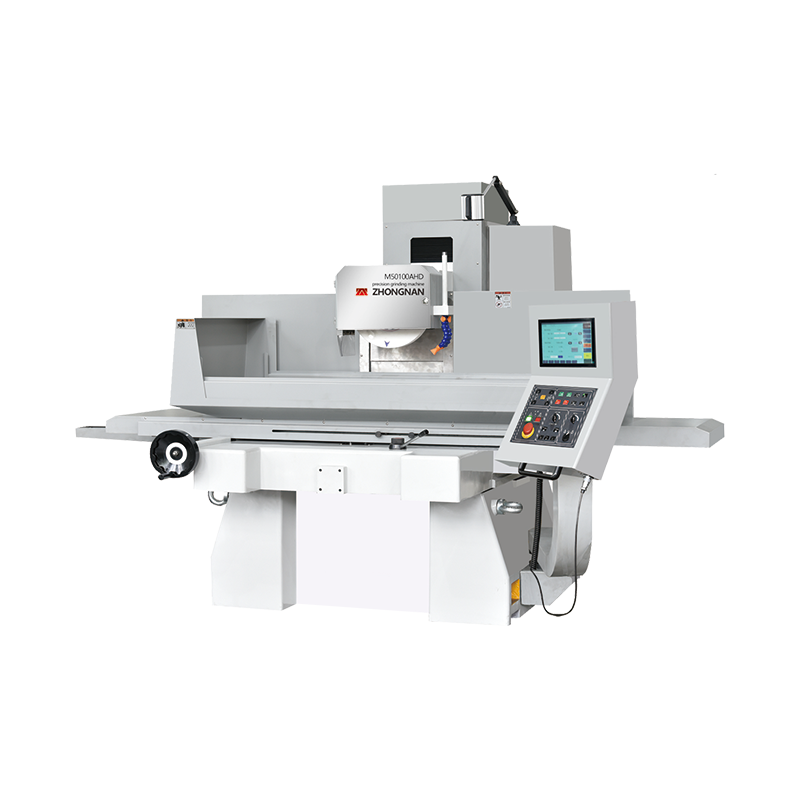
High precision/High speed/easy to operate CNC surface grinding machine X axis hydraulic /YZ axis servo/CNC system. Cross slide structure, double V rai...
See Details
All rights reserved Jiangsu Chuangjia Machinery Co., LTD.
