
 Search products
 en
en 简体中文
简体中文 русский
 Español
ZN-V1160 Vertical Machining Center
Cat:Vertical Machining Center
This series of machining center is fixed in A-shape single column, mobile structure of workbench, high rigidity of basic parts, lightweight of moving ...
See DetailsComputerized Control and Automation: A CNC Surface Grinding Machine incorporates an advanced computer numerical control (CNC) system that governs all critical machine movements, including the longitudinal, transverse, and vertical axes, as well as spindle rotation. This allows operators to program complex machining paths for intricate geometries, multi-pass grinding, and repetitive tasks with unmatched precision. Unlike conventional surface grinders, which rely on manual adjustments through handwheels and operator skill, CNC machines execute the programmed operations consistently and accurately without human intervention. The automation provided by CNC systems reduces the likelihood of human error, improves repeatability across multiple workpieces, and allows for rapid setup by storing and recalling specific grinding programs. This capability is especially valuable in high-volume production environments or when producing precision components that require tight tolerances.
High Precision and Accuracy: CNC Surface Grinding Machines achieve extremely high levels of precision and accuracy due to their servo-controlled axes, linear encoders, and feedback systems. Tolerances within a few microns are routinely achievable, ensuring uniform material removal and superior surface finish quality. In contrast, conventional surface grinders rely heavily on operator skill and mechanical adjustments, which introduces variability and limits achievable precision, particularly for complex or repetitive components. The CNC machine’s ability to maintain consistent positioning, regulate feed rates, and compensate for mechanical backlash ensures that each workpiece meets strict dimensional and geometric specifications. This high accuracy makes CNC surface grinders ideal for applications in aerospace, medical device manufacturing, mold making, and automotive industries, where even minor deviations can compromise part functionality.
Programmable Multi-Axis Control: Many CNC Surface Grinding Machines support multiple axes of motion, including X, Y, Z, and sometimes rotary or angular axes, allowing operators to grind complex geometries such as angled surfaces, steps, and curved profiles without repositioning the workpiece manually. Conventional surface grinders operate in only two axes, limiting their ability to handle complex shapes efficiently. CNC machines provide simultaneous multi-axis control, enabling precise synchronization of movements for intricate workpieces and reducing setup times. This flexibility allows manufacturers to perform more advanced operations on a single machine, improving productivity while minimizing potential errors from manual repositioning or multiple setups. The ability to program multi-axis operations also supports high repeatability and ensures consistent surface quality across large production batches.
Enhanced Surface Finish and Consistency: CNC Surface Grinding Machines deliver superior surface finish quality due to precise regulation of wheel speed, feed rates, depth of cut, and dwell times, all controlled digitally through the CNC system. Advanced machines can compensate for wheel wear in real time, maintaining consistent contact between the grinding wheel and the workpiece throughout long production runs. This ensures uniform surface roughness, flatness, and dimensional accuracy, which are difficult to achieve with conventional manual grinders that depend on operator skill. The precise control over cutting parameters also allows the grinding of hard, brittle, or difficult-to-machine materials without introducing defects such as chatter, burn marks, or uneven textures. CNC control ensures repeatable and predictable results, making it the preferred choice for high-precision manufacturing environments.
Automation and Productivity Features: CNC Surface Grinding Machines integrate advanced automation features, including programmable table indexing, automated wheel dressing, coolant control, and multiple-pass grinding sequences. These features reduce manual intervention, minimize downtime, and increase production efficiency. In conventional grinders, tasks such as wheel dressing, table movement, and coolant management are performed manually, which is time-consuming and prone to inconsistency. The automation provided by CNC systems allows operators to focus on process monitoring and optimization rather than repetitive manual tasks, reducing fatigue and improving overall workflow efficiency. The ability to program multiple operations into a single cycle enables high-volume production without sacrificing precision, which significantly enhances throughput and cost-effectiveness.
Data Logging and Monitoring: Modern CNC Surface Grinding Machines are equipped with digital monitoring systems that log operational parameters, cycle times, and machine diagnostics in real time. This capability enables predictive maintenance, process optimization, and quality control by providing actionable insights into machine performance and production trends. Conventional surface grinders lack this level of data integration, making it difficult to track errors, detect wear patterns, or implement continuous improvement initiatives. With CNC monitoring, operators and engineers can identify potential issues before they affect product quality, ensure consistent adherence to specifications, and maintain optimal machine performance over time. Data logging also supports traceability for quality assurance audits and documentation, which is increasingly required in high-precision manufacturing sectors.
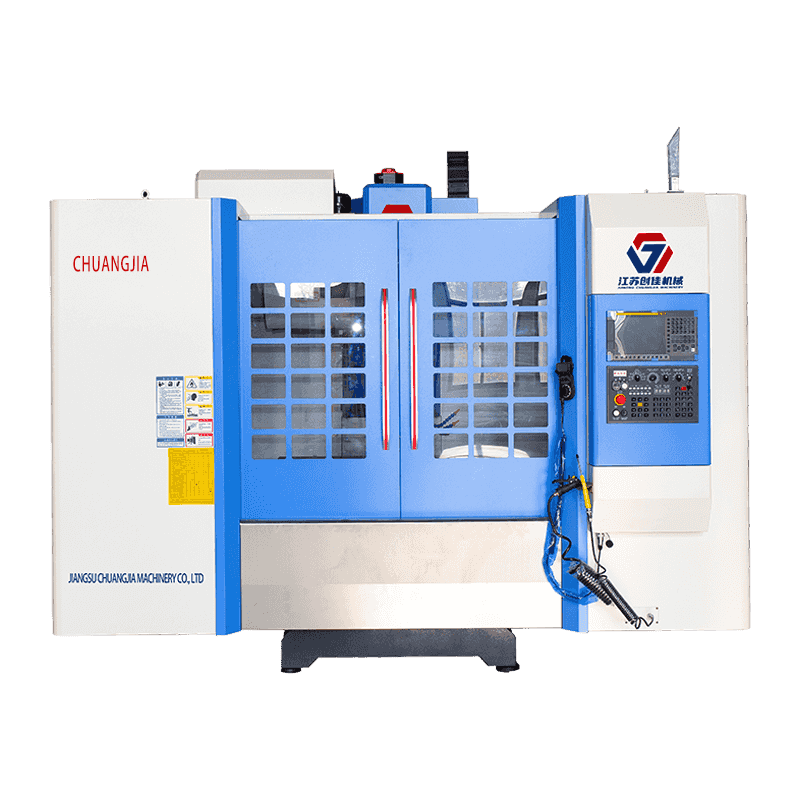
This series of machining center is fixed in A-shape single column, mobile structure of workbench, high rigidity of basic parts, lightweight of moving ...
See Details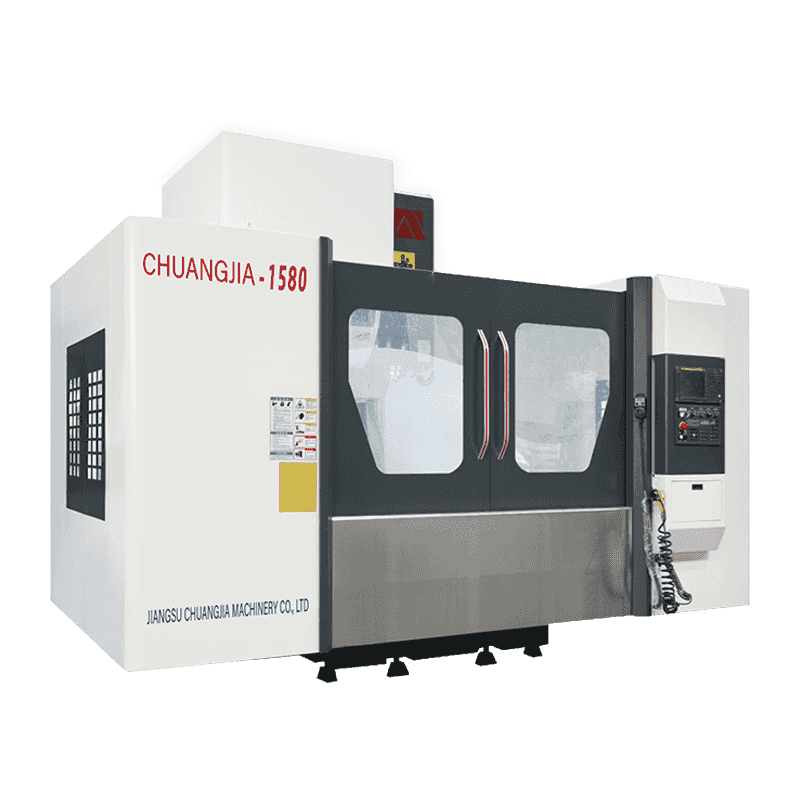
This series of machining center is fixed in A-shape single column, mobile structure of workbench, high rigidity of basic parts, lightweight of moving ...
See Details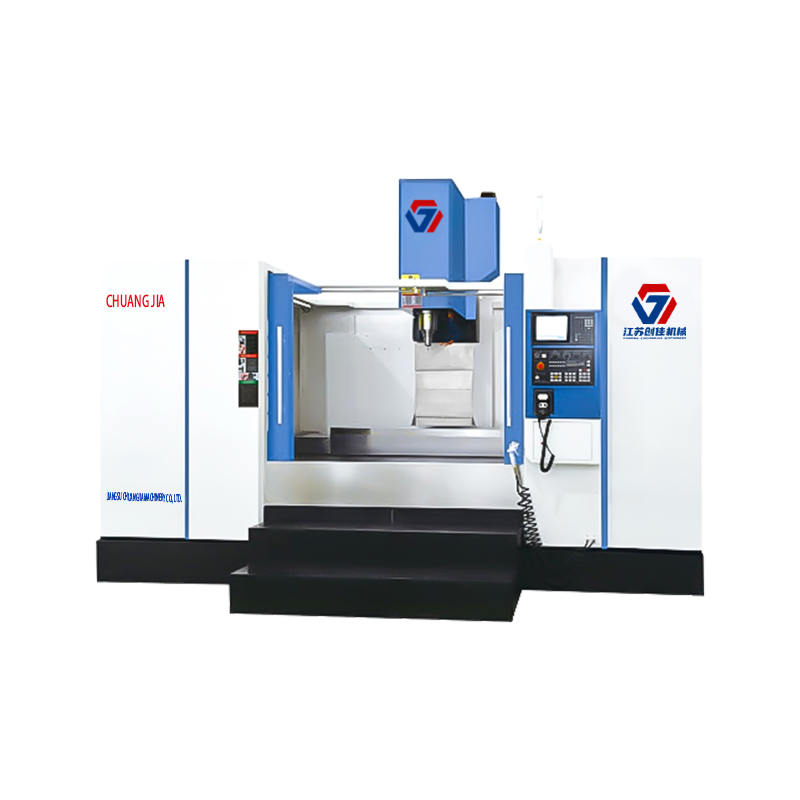
This series of machining center is fixed in A-shape single column, mobile structure of workbench, high rigidity of basic parts, lightweight of moving ...
See Details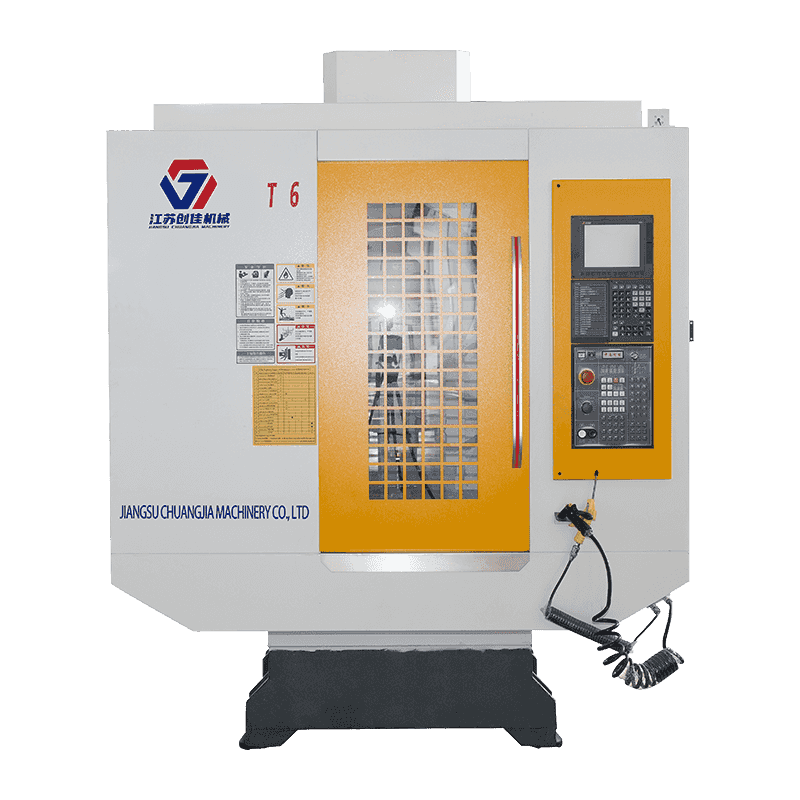
Drilling and tapping center ZN-T6 has easy operability, high reliability, ultra-high cost performance, mainly used in general industry, hardware, medi...
See Details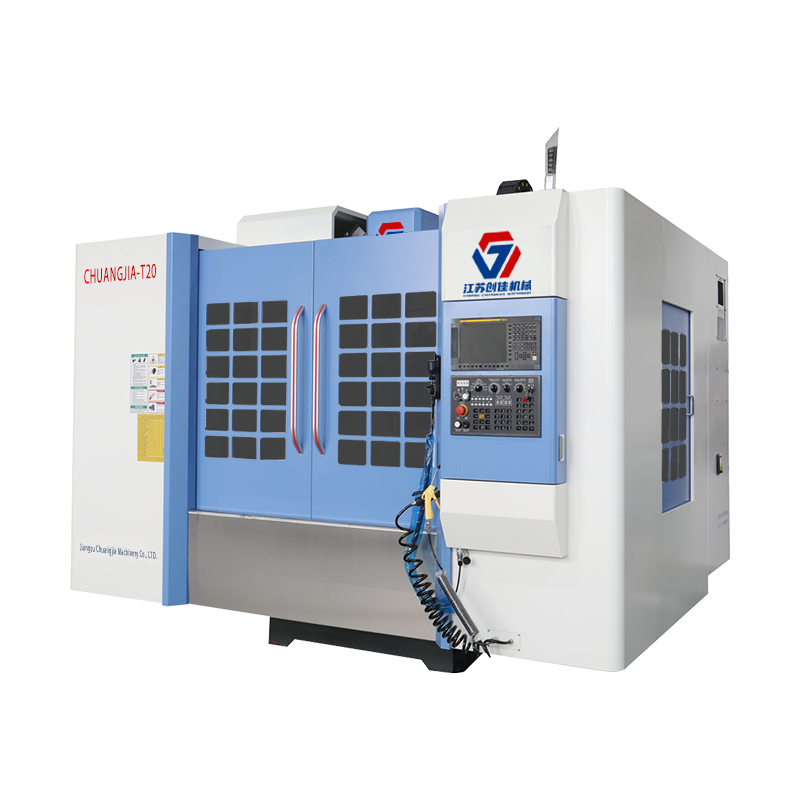
Drilling and tapping center ZN-T20 has easy operability, high reliability, ultra-high cost performance, mainly used in general industry, hardware, med...
See Details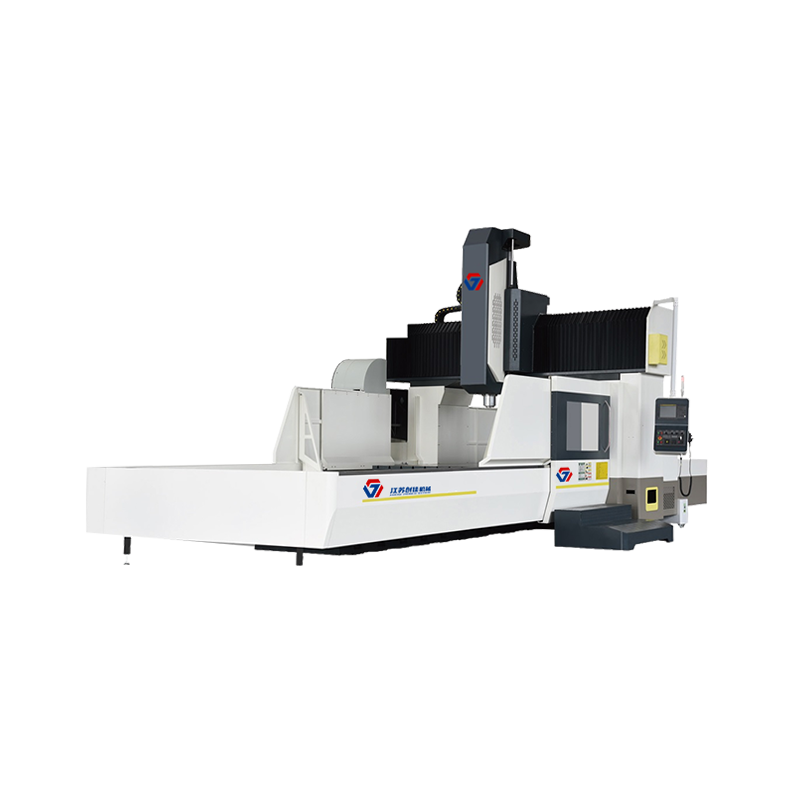
The machine adopts the structure form of fixed gantry frame and moving table on the bed. Beam column integrated design, has the characteristics of hig...
See Details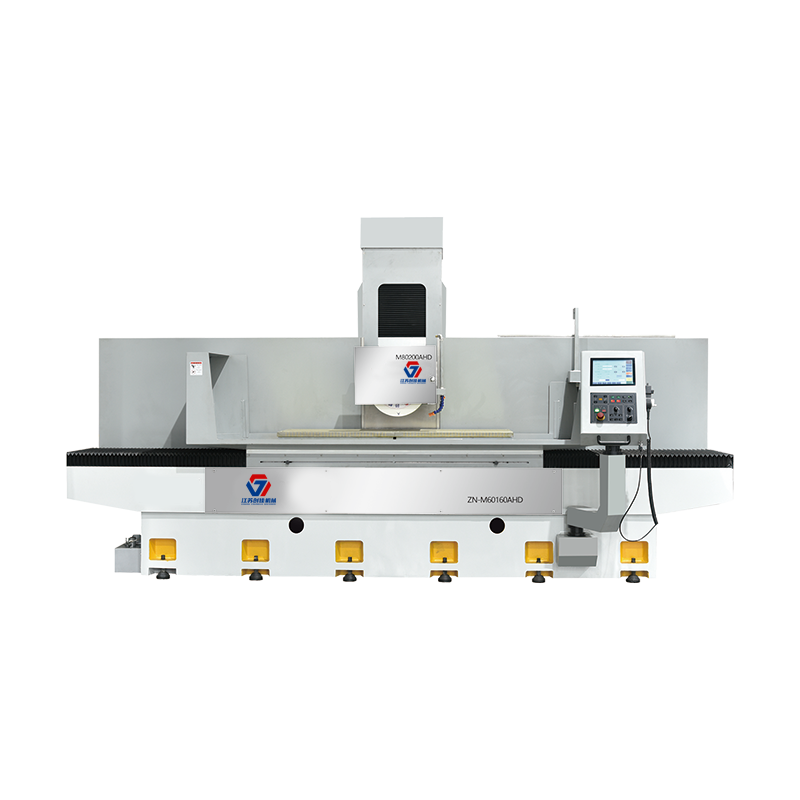
The machine tool is mainly suitable for the precision grinding of various metal materials, such as plane, step and specific shape, and is widely used ...
See Details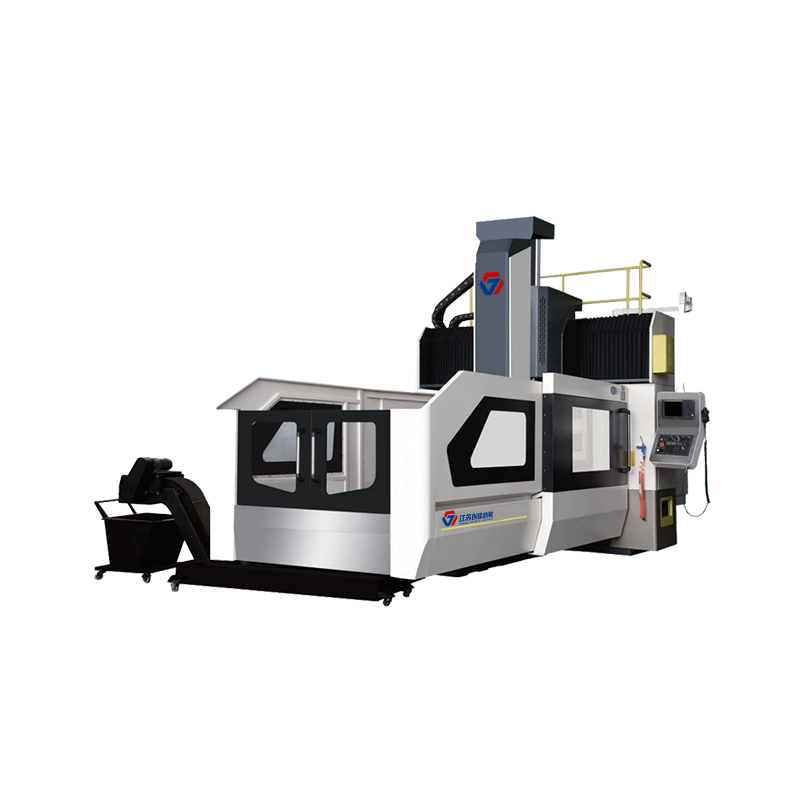
The three-axis support surface of this series of gantry machining center adopts heavy-duty roller linear guide, which is easy to maintain, low frictio...
See Details
All rights reserved Jiangsu Chuangjia Machinery Co., LTD.
