
 Search products
 en
en 简体中文
简体中文 русский
 Español
LW860 Horizontal Machining Center
Cat:Horizontal Machining Center
The machine adopts a cross sliding saddle structure, the table moves around (X axis), the headstock moves up and down (Y axis) and the saddle moves ba...
See DetailsPrecision Manufacturing — Machine Tools
And how it fundamentally differs from a standard drilling machine, in accuracy, speed, and thread quality.
The tapping center is a specialized CNC machine tool designed primarily to cut internal threads into pre-drilled holes, while also handling drilling, reaming, and light milling operations on the same platform. Unlike a standard drilling machine, which only removes material to create a hole, a tapping center synchronizes spindle rotation with axial feed rate to cut precise threads at high speed and with minimal tap breakage.
In simple terms, a tapping center is a compact, high-speed CNC tapping center built around one main task — threading — but engineered with enough flexibility to perform several secondary machining steps without moving the workpiece to another station.
tapping center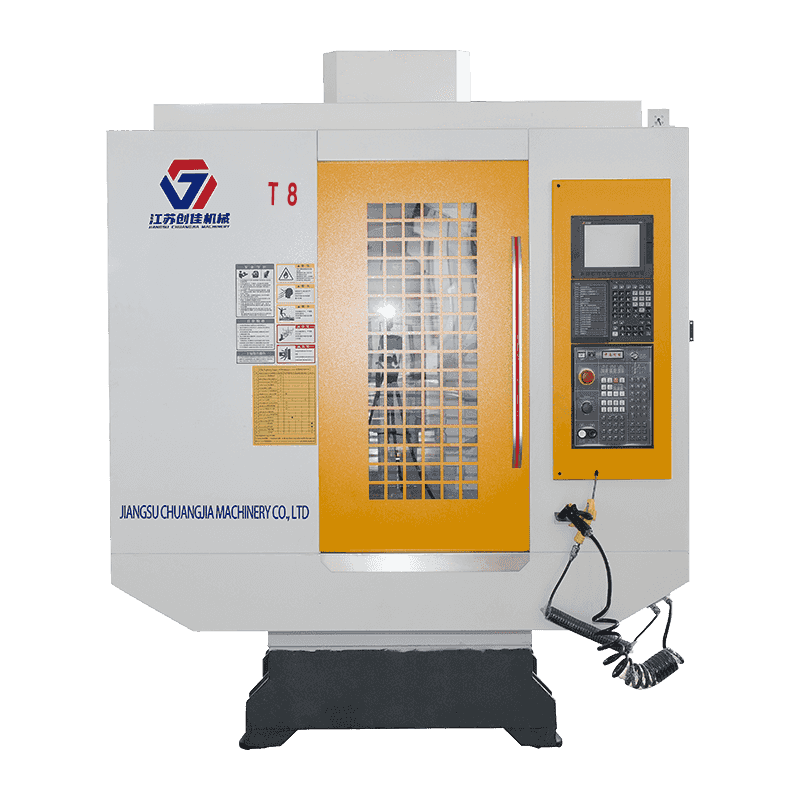
A standard drilling machine is built around a single function: rotating a drill bit to bore a hole. It has limited spindle synchronization, no automatic tool changer, and depends heavily on manual operator input. A tapping center is CNC-controlled and coordinates spindle speed with feed precisely enough to cut clean threads, something a standard drill press cannot reliably do.
| Feature | Tapping Center | Standard Drilling Machine |
|---|---|---|
| Control system | CNC-controlled, programmable | Manual or semi-automatic |
| Thread cutting accuracy | Rigid tapping, synchronized feed | Dependent on operator skill |
| Tool changing | Automatic (8–24 stations) | Manual tool swap |
| Spindle speed range | Up to 10,000–20,000 RPM | Typically under 3,000 RPM |
| Repeatability | High, suited to mass production | Lower, suited to one-off work |
A drilling machine is often adequate for occasional hole-making, while a tapping center becomes the clear choice once threading volume, thread quality, or cycle time become priorities.
Spindle and servo system. The spindle is driven by a servo motor that allows real-time synchronization between rotational speed and axial movement. This enables rigid tapping — cutting threads without a floating tap holder — and directly reduces tap breakage.
Automatic tool changer. Most tapping centers store multiple taps, drills, and reamers, completing an entire hole-and-thread sequence in a single cycle without operator intervention.
CNC control unit. The controller stores programs for different workpieces and thread pitches, repeating the exact same motion sequence for every part — essential for consistent thread quality across large batches.
A tapping center works through a closed-loop process that links spindle rotation directly to the feed axis. As the tap engages the hole, the controller calculates the exact feed rate to match thread pitch, then reverses the spindle to retract the tap without damaging the thread.
Info
Because every step is programmed and repeated identically, a CNC tapping center can maintain thread tolerances within a few thousandths of an inch across thousands of parts.
Success
A tapping center is often the preferred equipment choice for parts that require multiple threaded holes, such as housings, brackets, flanges, and manifold blocks.
Automotive components. Engine brackets, transmission housings, and suspension parts often require multiple precisely placed threaded holes, completed in a single automated cycle.
Electronics and appliance housings. Metal enclosures often need small, closely spaced threaded holes — well suited to the high spindle speeds of a tapping center cnc system.
Industrial valves and fittings. Flanges, valve bodies, and pipe fittings require threaded ports that must meet strict sealing tolerances.
Selecting the right tapping center depends on part size, thread range, and expected production volume:
Because a tapping center runs at high spindle speeds for extended periods, routine maintenance directly affects thread quality and machine longevity.
Warning
Skipping routine tap inspection allows unnoticed wear to propagate into thread deviation across an entire production run before it is caught.
Danger
Running a tapping center with degraded spindle lubrication risks sudden bearing failure, which can halt production and require costly emergency repair.
A tapping center earns its place on the shop floor by turning threading — historically slow and error-prone — into a fast, repeatable, programmable process. With a well-maintained tapping center, manufacturers gain consistent thread quality, reduced tap breakage, and shorter cycle times, making the initial investment cost-effective over years of continuous production.
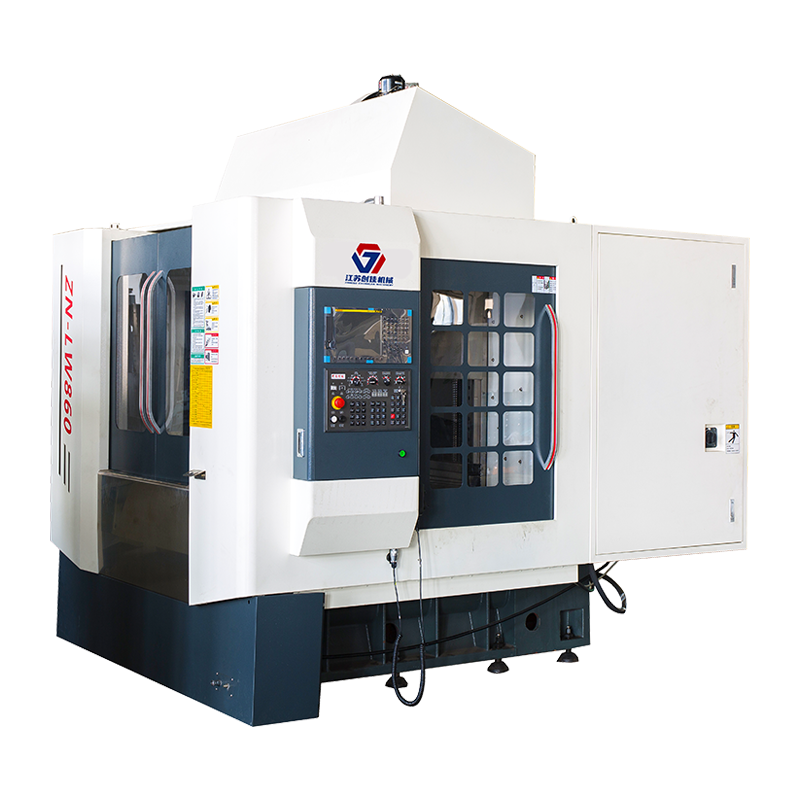
The machine adopts a cross sliding saddle structure, the table moves around (X axis), the headstock moves up and down (Y axis) and the saddle moves ba...
See Details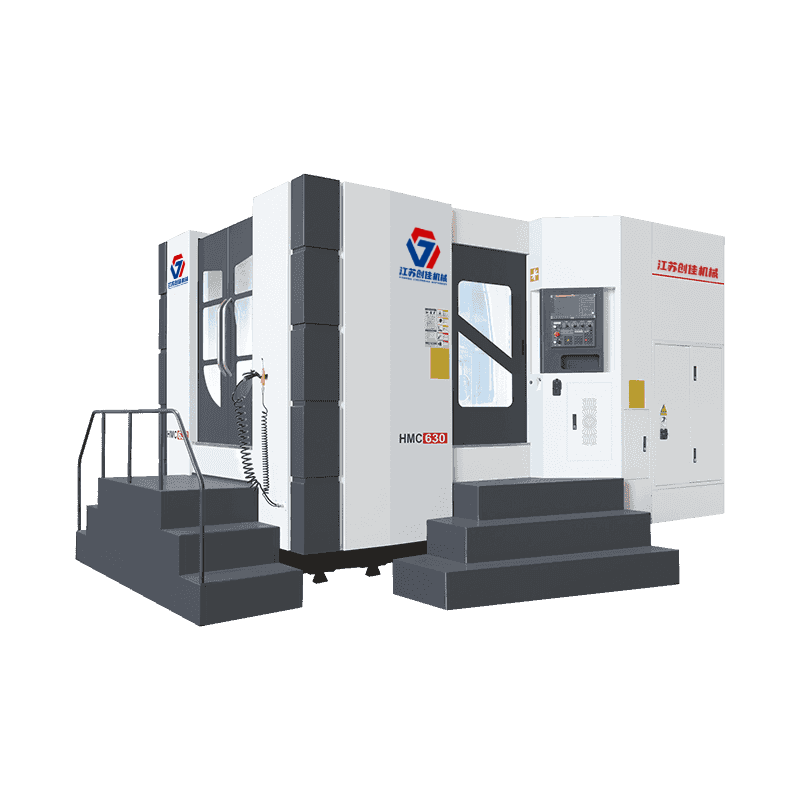
The bed adopts inverted T structure layout, the table moves around (X axis), the headstock moves up and down (Y axis) and the column moves back and fo...
See Details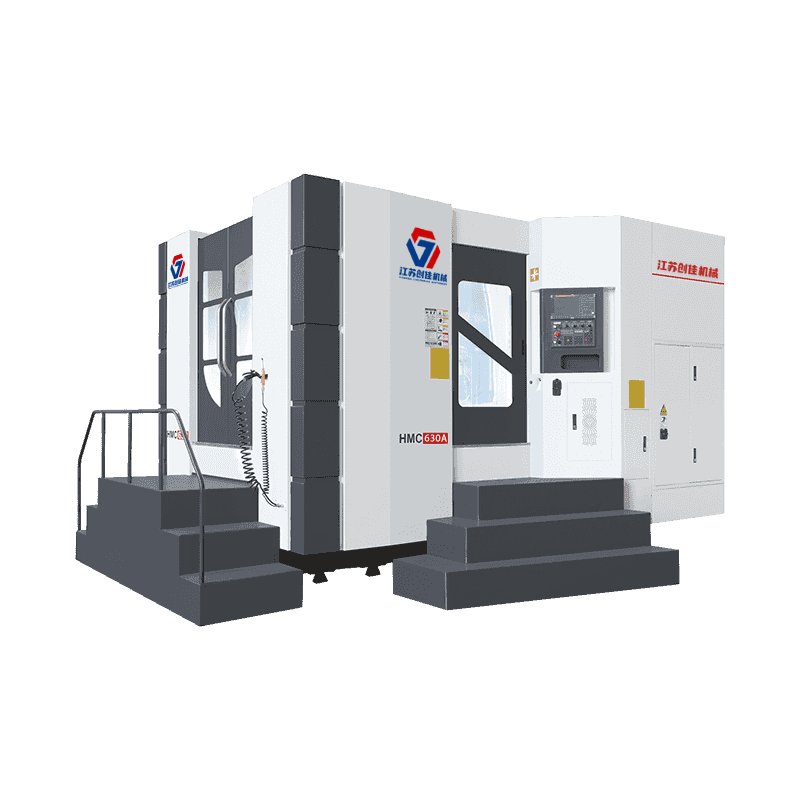
The bed adopts a positive T structure layout, the table moves back and forth (Z axis), the headstock moves up and down (Y axis) and the column moves l...
See Details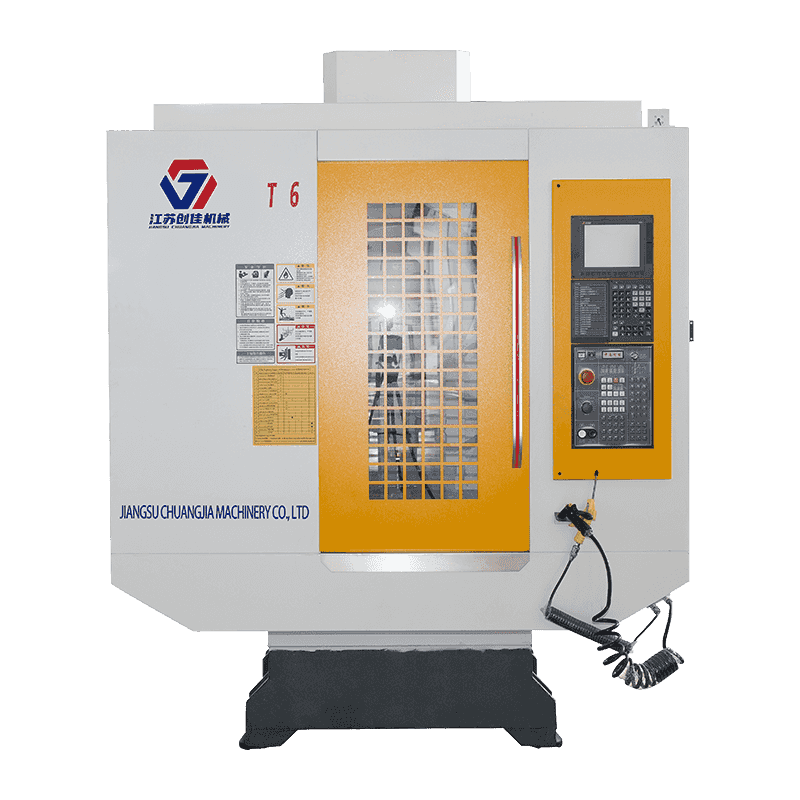
Drilling and tapping center ZN-T6 has easy operability, high reliability, ultra-high cost performance, mainly used in general industry, hardware, medi...
See Details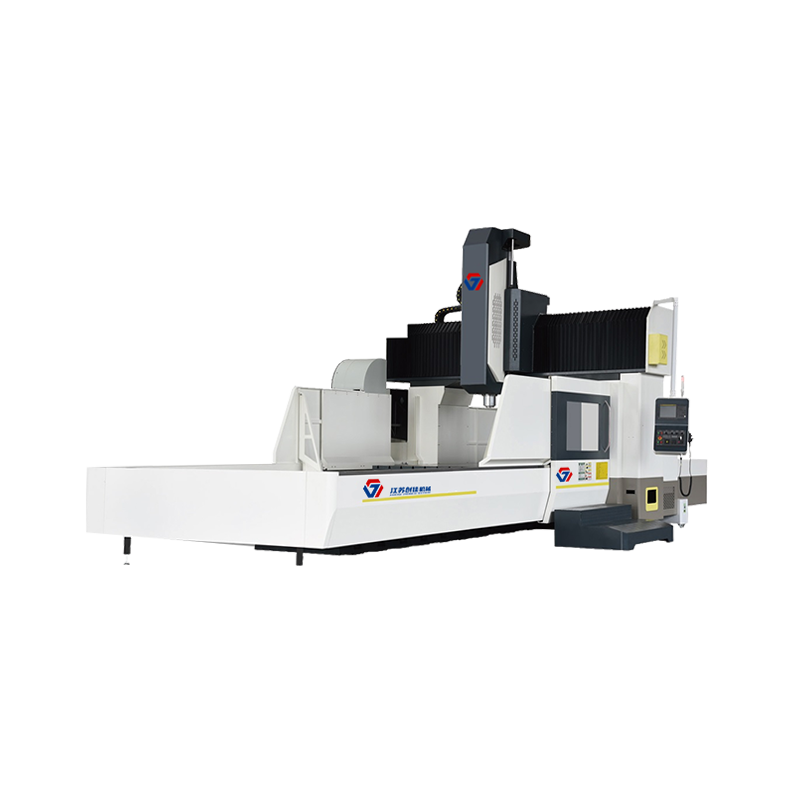
The machine adopts the structure form of fixed gantry frame and moving table on the bed. Beam column integrated design, has the characteristics of hig...
See Details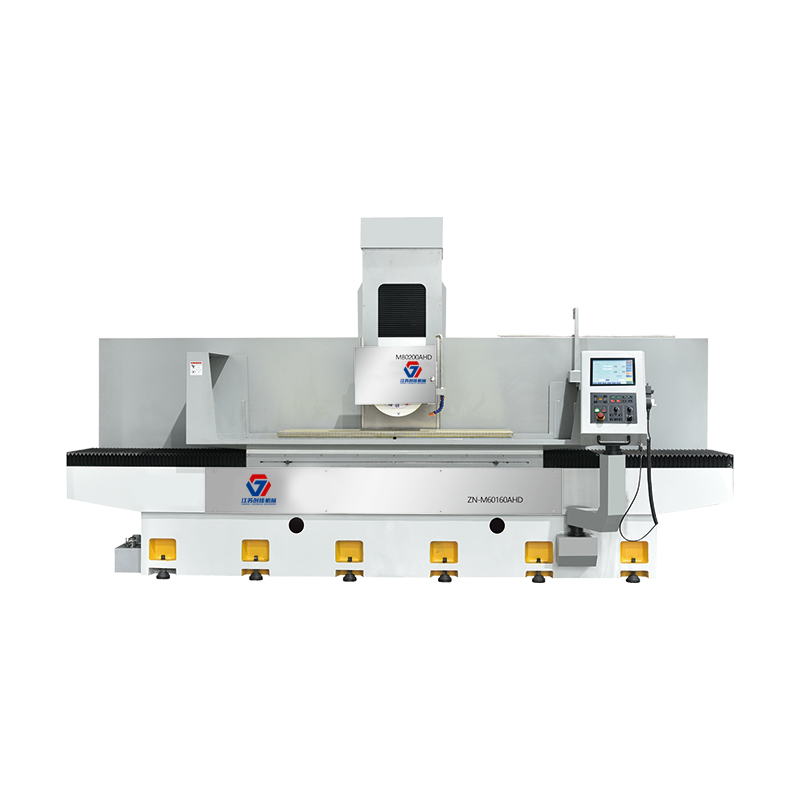
The machine tool is mainly suitable for the precision grinding of various metal materials, such as plane, step and specific shape, and is widely used ...
See Details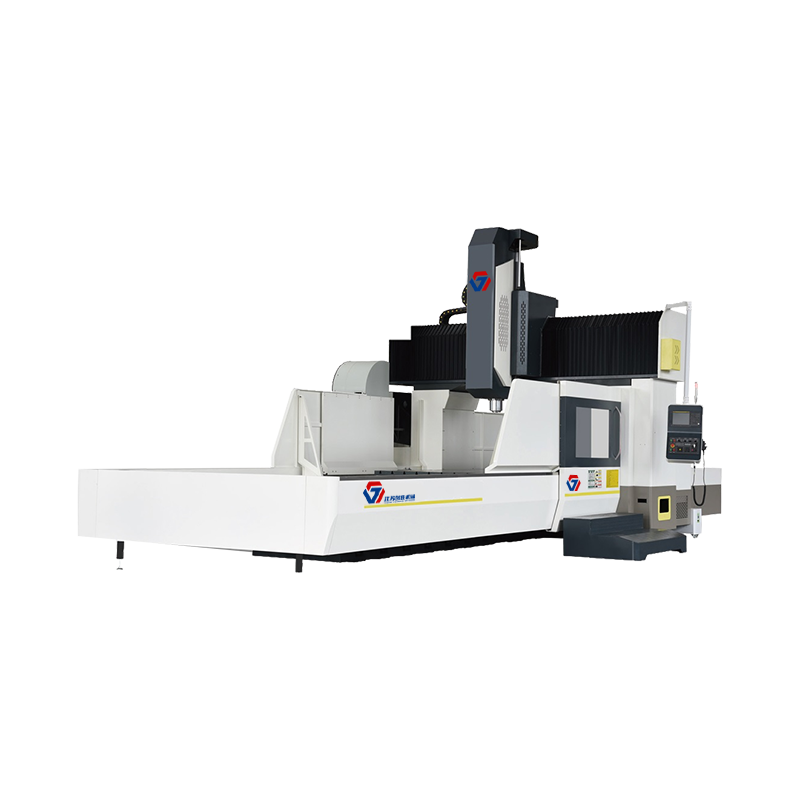
The machine adopts the structure form of fixed gantry frame and moving table on the bed. Beam column integrated design, has the characteristics of hig...
See Details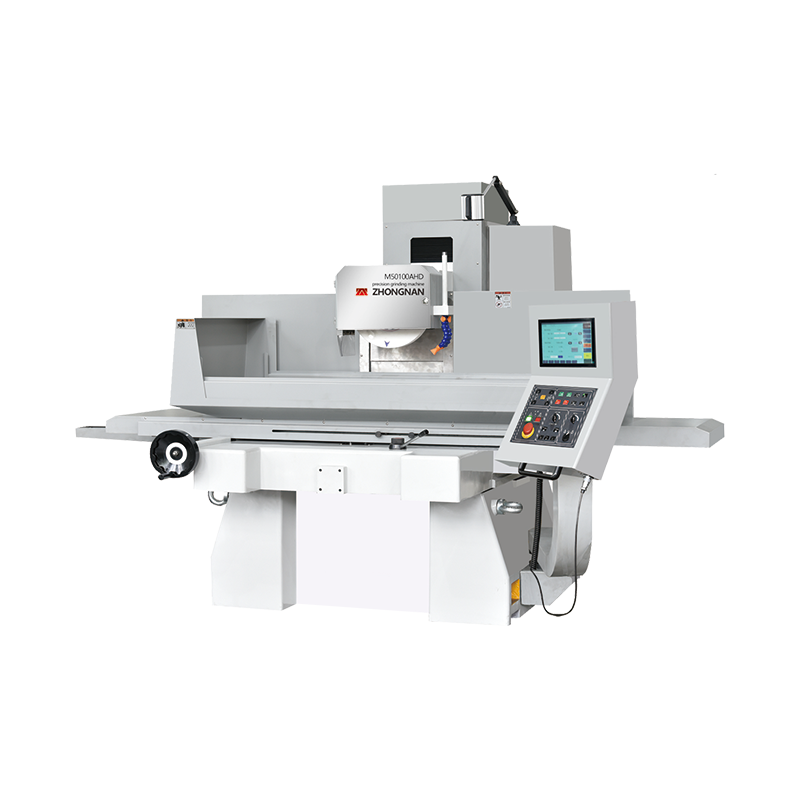
High precision/High speed/easy to operate CNC surface grinding machine X axis hydraulic /YZ axis servo/CNC system. Cross slide structure, double V rai...
See Details
All rights reserved Jiangsu Chuangjia Machinery Co., LTD.
