
 Search products
 en
en 简体中文
简体中文 русский
 Español
ZN-V855 Vertical Machining Center
Cat:Vertical Machining Center
This series of machining center is fixed in A-shape single column, mobile structure of workbench, high rigidity of basic parts, lightweight of moving ...
See DetailsCNC Manufacturing — Machine Selection Guide
One cuts from above, the other from the side — and that single difference in spindle orientation reshapes everything from chip flow to production strategy.
The horizontal machining center is a CNC machine tool in which the spindle is mounted parallel to the ground, cutting into the workpiece from the side rather than from above. This orientation is the defining characteristic of a cnc horizontal machining center, and it drives nearly every practical difference between it and a vertical machining center (VMC), where the spindle points straight down onto the top of the part.
The core distinction is not just geometry — it changes how chips fall, how parts are fixtured, how many sides of a part can be reached in one setup, and ultimately how the machine performs in medium-to-high volume production.
In short: a horizontal machining center favors multi-face accuracy, continuous production, and heavy stock removal, while a vertical machining center favors simplicity, lower cost, and ease of use for prototyping or lower-volume work.
On a vertical machining center, the spindle axis runs vertically (the Z-axis moves up and down), so the cutting tool approaches the workpiece from above — similar to a drill press. On a cnc horizontal machining center, the spindle axis is horizontal, and the tool approaches the part from the side, with the workpiece typically mounted on a vertical face plate or rotary table.
This single difference in orientation cascades into everything else: chip behavior, fixture design, part accessibility, floor space requirements, and even the typical industries each machine serves. Understanding this root cause makes the rest of the comparison much easier to follow.
horizontal machining center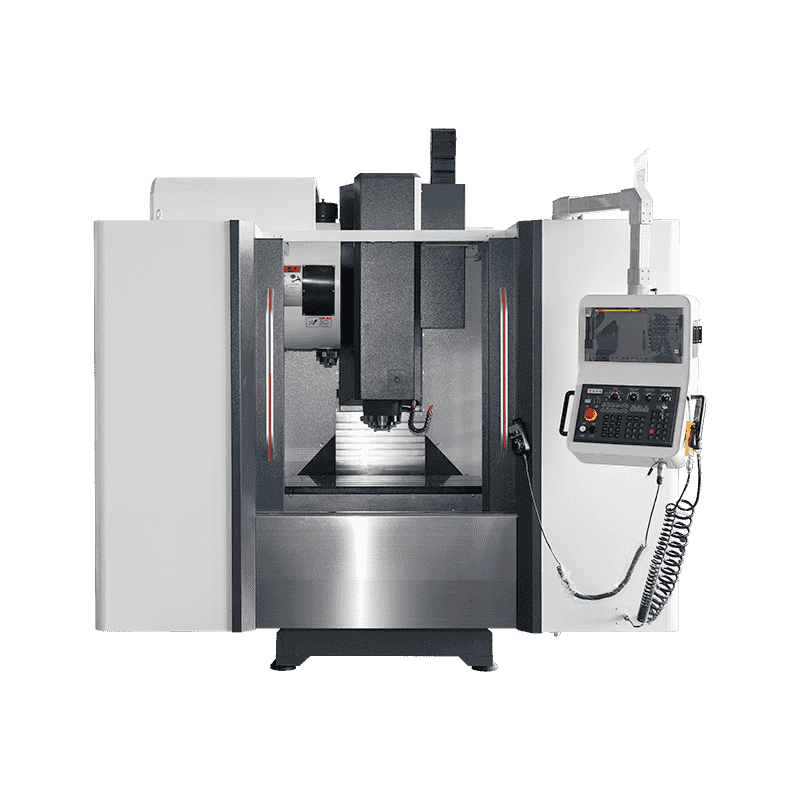
On a VMC, chips generated during cutting fall downward onto the top surface of the part and into fixture pockets, since the tool is cutting from above. Operators or automatic chip blowers must actively clear this debris, and in long unattended cycles, chip recutting can degrade surface finish and accelerate tool wear.
On a cnc horizontal machining center, because the spindle and part are oriented sideways, chips naturally fall away from the cutting zone by gravity and drop onto a conveyor below. This makes horizontal platforms significantly better suited to high-volume, unattended, or heavy roughing operations where large volumes of chips are generated continuously.
One of the most significant practical differences is how many sides of a part can be machined without manual repositioning. A VMC typically machines only the top face and, with an added 4th-axis rotary attachment, some side features — but full multi-face access usually requires several separate setups.
A horizontal machining center is commonly equipped with a built-in rotary table (the B-axis), which can index the workpiece — often in increments as fine as 0.001 degrees — allowing four or more faces of a part to be machined in a single setup. For a complex housing or bracket that needs features on multiple sides, this can reduce the number of setups from three or four down to just one or two, cutting both cycle time and the accumulation of setup-related tolerance errors.
| Machine Type | Typical Setups Required | Accumulated Tolerance Risk |
|---|---|---|
| Vertical Machining Center | 3–4 setups | Higher, due to re-referencing each face |
| Horizontal Machining Center | 1–2 setups | Lower, single datum reference |
Fixturing philosophy also diverges sharply between the two machine types. VMCs generally use vises, clamps, or dedicated fixture plates mounted flat on the table, which is intuitive and inexpensive but limits access to the top face only.
A cnc horizontal machining center commonly uses tombstone fixtures — tall, often square or rectangular fixture blocks mounted vertically on the rotary table, with parts fixtured on multiple faces of the tombstone at once. This allows several identical or different parts to be loaded simultaneously and machined in sequence as the B-axis rotates, dramatically increasing spindle utilization compared to loading and unloading a single part at a time on a VMC table.
Because of pallet changers, tombstone fixturing, and superior chip management, horizontal machining centers are the preferred choice for medium-to-high volume production and lights-out or unattended operation. Many cnc horizontal machining center models integrate automatic pallet pools ranging from 2 to 20+ stations, allowing a shop to queue multiple jobs and run continuously through a shift change, overnight, or across an entire weekend.
VMCs, by contrast, are typically better suited to lower-volume work, prototyping, tool and die work, and jobs where part geometry is simple enough that only top-face access is needed. Loading and unloading a VMC usually requires more direct operator attention between cycles, since most VMCs do not come standard with pallet-changing systems, although some higher-end models do offer this option.
Cost is one of the most consistent practical differences between the two platforms. A basic 3-axis VMC can often be purchased for a fraction of the price of an entry-level cnc horizontal machining center, since the HMC's added rotary table, pallet-changing mechanism, and heavier casting for rigidity all add substantial manufacturing cost. It is common for a horizontal machine of comparable working envelope to cost roughly 1.5 to 3 times more than a vertical equivalent.
Floor space requirements also differ. HMCs generally have a larger footprint because of the pallet-changing area and enclosure needed to contain chips and coolant during multi-face cutting. However, because a single HMC can often replace two or three VMCs performing sequential operations, the net floor space and labor efficiency per part produced can actually favor the horizontal machine in higher-volume scenarios.
Both machine types can achieve tight tolerances, but the source of accuracy differs. A VMC's accuracy depends heavily on how precisely the part is re-referenced between setups if multiple faces are needed, since each new setup introduces potential alignment error. A cnc horizontal machining center minimizes this risk by machining most or all faces from a single work-holding reference, which is particularly valuable for parts with tight positional tolerances between features on different sides, such as bolt patterns that must align across a housing.
Info
Surface finish quality on both machines is largely a function of spindle rigidity, tool selection, and cutting parameters rather than orientation alone. Horizontal machines tend to maintain more consistent finish over long, unattended runs due to superior chip clearing.
Programming a VMC is generally more straightforward, since most operations are visualized simply as tool paths across a flat, top-facing surface. This makes VMCs a common entry point for shops and operators newer to CNC machining.
Programming a cnc horizontal machining center is more complex, since it requires managing B-axis rotations, multiple work coordinate systems for each face of a tombstone, and often coordinating several different parts being machined in sequence on the same fixture.
Warning
CAM software with solid multi-axis simulation capability is strongly recommended to avoid collisions between the tool, fixture, and rotating table. Shops adopting horizontal machining for the first time should budget additional training time for programmers and operators.
| Factor | Vertical Machining Center | Horizontal Machining Center |
|---|---|---|
| Spindle orientation | Vertical, cutting from above | Horizontal, cutting from the side |
| Chip evacuation | Falls onto part, needs active clearing | Falls away by gravity onto conveyor |
| Multi-face access | Limited, needs manual refixturing | Built-in B-axis rotary table |
| Typical cost | Lower entry cost | 1.5–3x higher for comparable envelope |
| Best suited for | Prototyping, low-volume, simple parts | Medium-to-high volume, complex parts |
| Programming complexity | Lower | Higher, requires multi-axis expertise |
Industries producing complex, multi-face components in consistent volumes tend to gravitate toward the cnc horizontal machining center. Common examples include automotive engine and transmission components, aerospace structural brackets and housings, heavy equipment gearboxes, and industrial pump or valve bodies — all of which typically require accurate features on several sides of the part.
By contrast, mold and die shops, job shops handling varied one-off parts, and manufacturers of simpler flat or plate-style components often find a VMC more practical, since the lower cost and simpler programming better match lower-volume, high-mix production patterns.
Choosing between a VMC and a horizontal platform ultimately comes down to matching the machine to the part and the production plan. A few practical questions can help guide the decision:
Success
If most answers point toward complex geometry, higher volume, and a need for unattended operation, a cnc horizontal machining center is generally the stronger long-term investment.
A horizontal machining center and a vertical machining center are not simply two versions of the same tool — they represent fundamentally different approaches to part production. The horizontal spindle orientation of a cnc horizontal machining center delivers superior chip evacuation, multi-face accuracy, and unattended production capability, making it the preferred choice for complex, medium-to-high volume manufacturing. The vertical machining center, with its simpler design, lower cost, and easier programming, remains the practical choice for prototyping, low-volume work, and simpler part geometries. Understanding these core differences allows manufacturers to invest in the platform that truly matches their production needs, rather than defaulting to whichever machine type is most familiar.
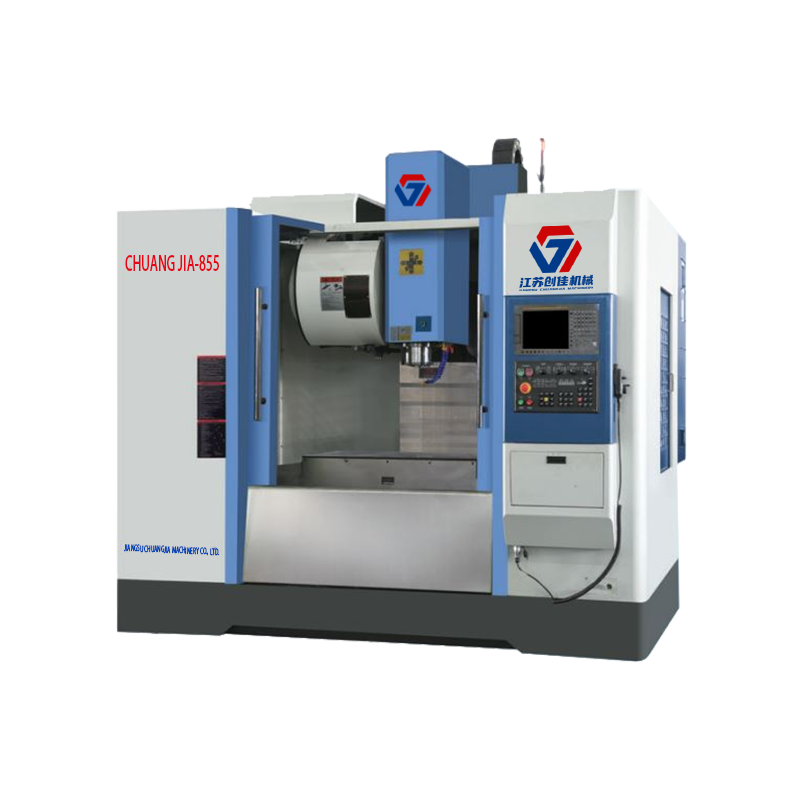
This series of machining center is fixed in A-shape single column, mobile structure of workbench, high rigidity of basic parts, lightweight of moving ...
See Details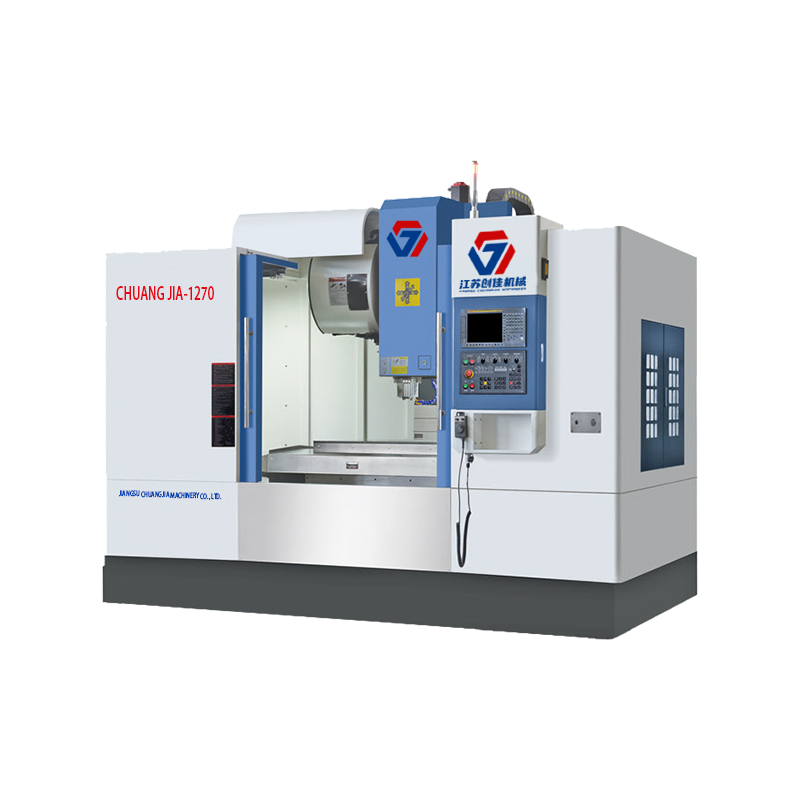
This series of machining center is fixed in A-shape single column, mobile structure of workbench, high rigidity of basic parts, lightweight of moving ...
See Details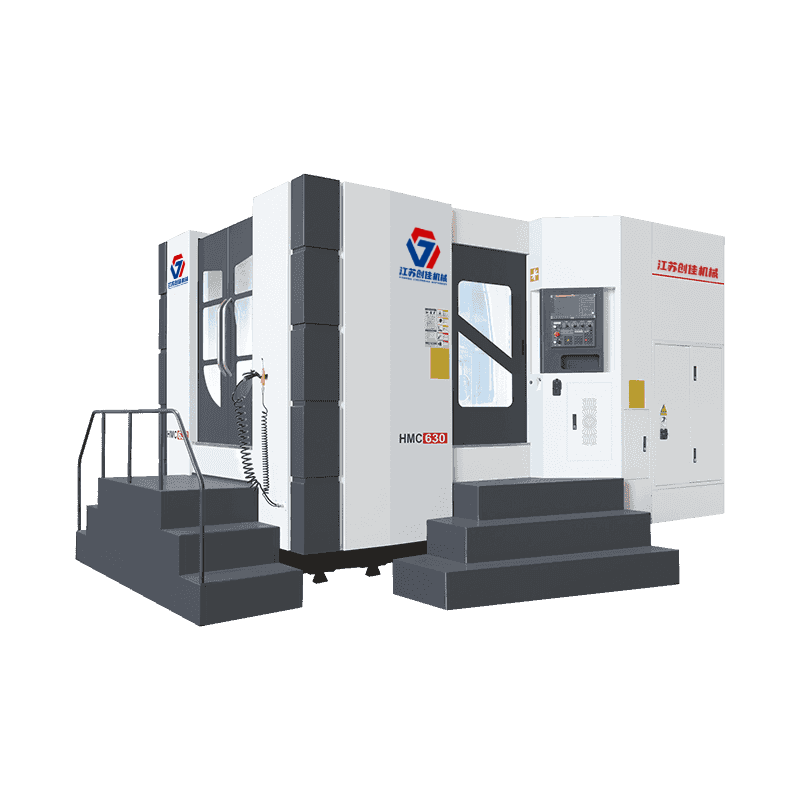
The bed adopts inverted T structure layout, the table moves around (X axis), the headstock moves up and down (Y axis) and the column moves back and fo...
See Details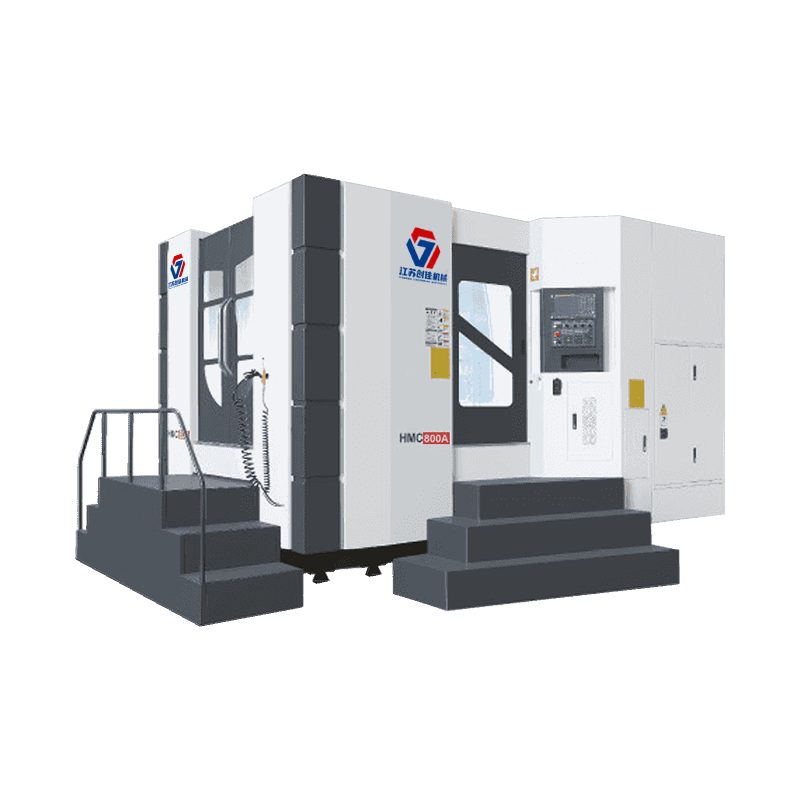
The bed adopts a positive T structure layout, the table moves back and forth (Z axis), the headstock moves up and down (Y axis) and the column moves l...
See Details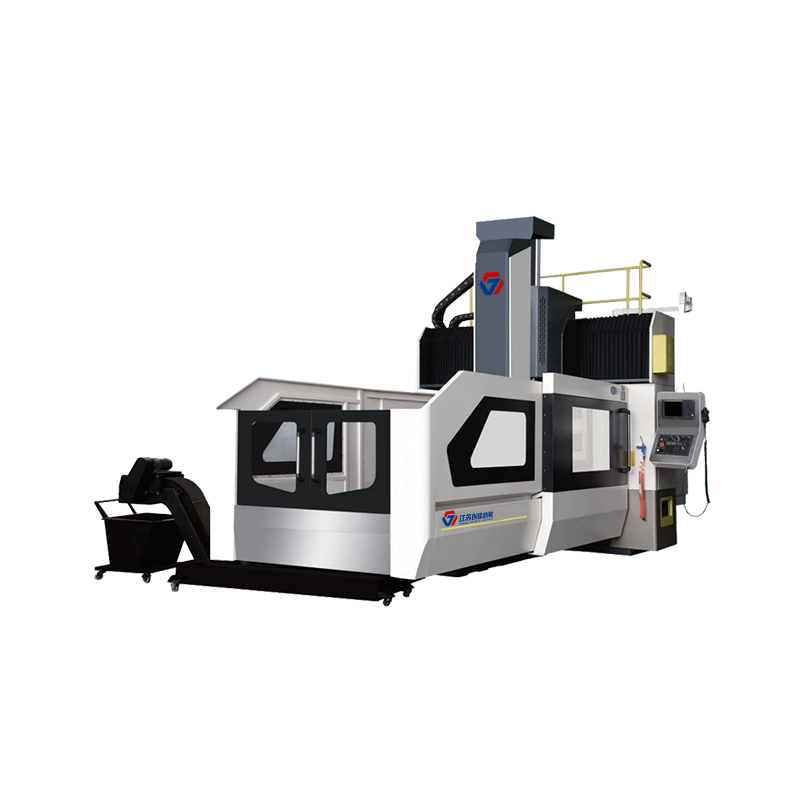
The machine adopts the structure form of fixed gantry frame and moving table on the bed. Beam column integrated design, has the characteristics of hig...
See Details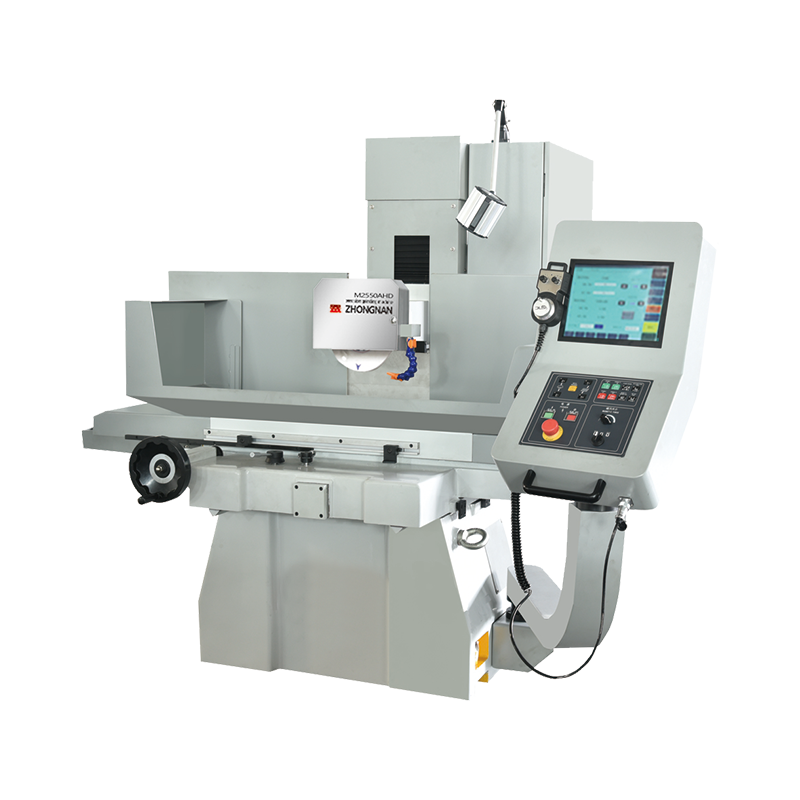
High precision/High speed/easy to operate CNC surface grinding machine X axis hydraulic /YZ axis servo/CNC system. Cross slide structure, double V rai...
See Details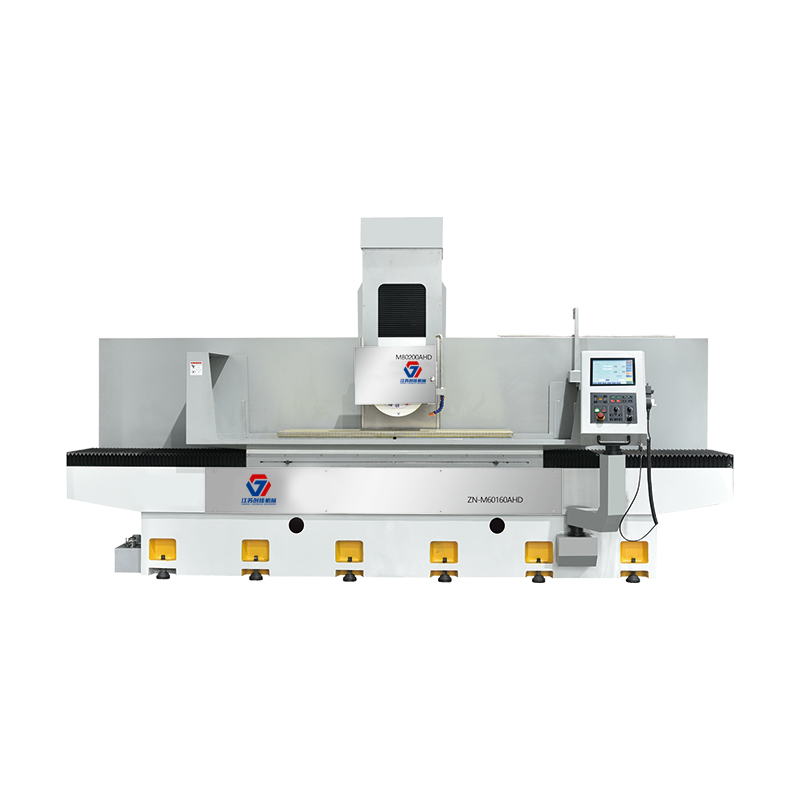
The machine tool is mainly suitable for the precision grinding of various metal materials, such as plane, step and specific shape, and is widely used ...
See Details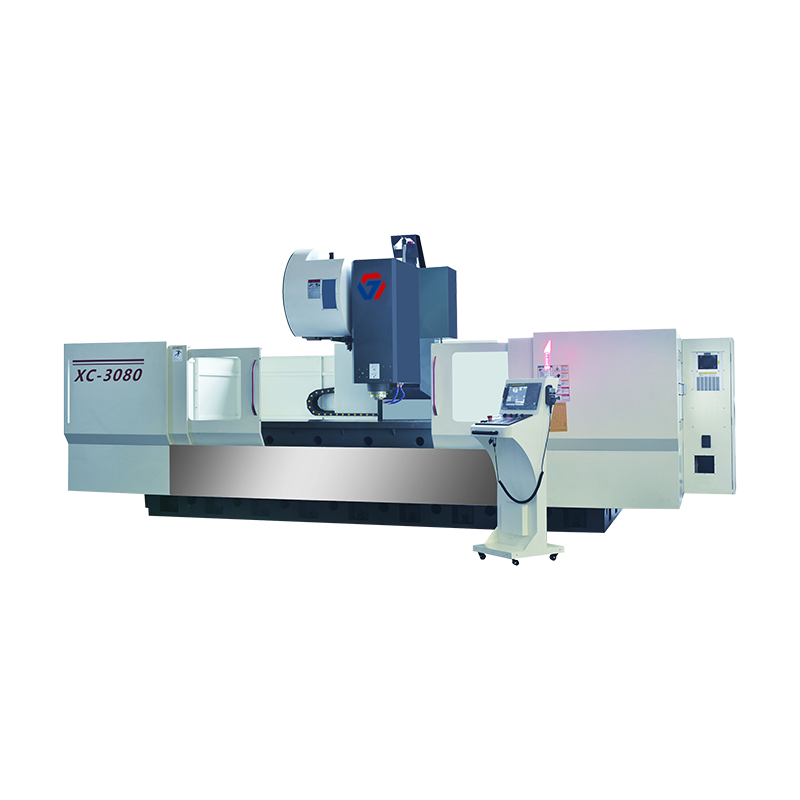
Mainly process the internal profiles of rail transit locomotives; Narrow and long parts of automobiles; TV frames, refrigerator frames, communication ...
See Details
All rights reserved Jiangsu Chuangjia Machinery Co., LTD.
