
 Search products
 en
en 简体中文
简体中文 русский
 Español
ZN-L1165 Vertical Machining Center
Cat:Vertical Machining Center
This series of machining center is fixed in A-shape single column, mobile structure of workbench, high rigidity of basic parts, lightweight of moving ...
See DetailsCNC Manufacturing — Automation & Production Strategy
Four structural advantages — gravity, pallets, tooling depth, and rigidity — turn an ordinary shift into continuous, unattended output.
The horizontal machining center supports lights-out and unattended machining primarily because of four structural advantages: gravity-assisted chip evacuation, automatic pallet changers that allow continuous part loading, high tool magazine capacity for extended tool life, and rigid construction that tolerates long, uninterrupted cutting cycles. Unlike a vertical setup, cnc horizontal machining orients the spindle parallel to the floor, so chips fall away from the cutting zone by gravity rather than accumulating on top of the workpiece.
This single design choice is the foundation for hours — sometimes days — of unattended production, because chip buildup is one of the most common causes of tool breakage, poor surface finish, and unplanned stoppages during overnight runs.
horizontal machining center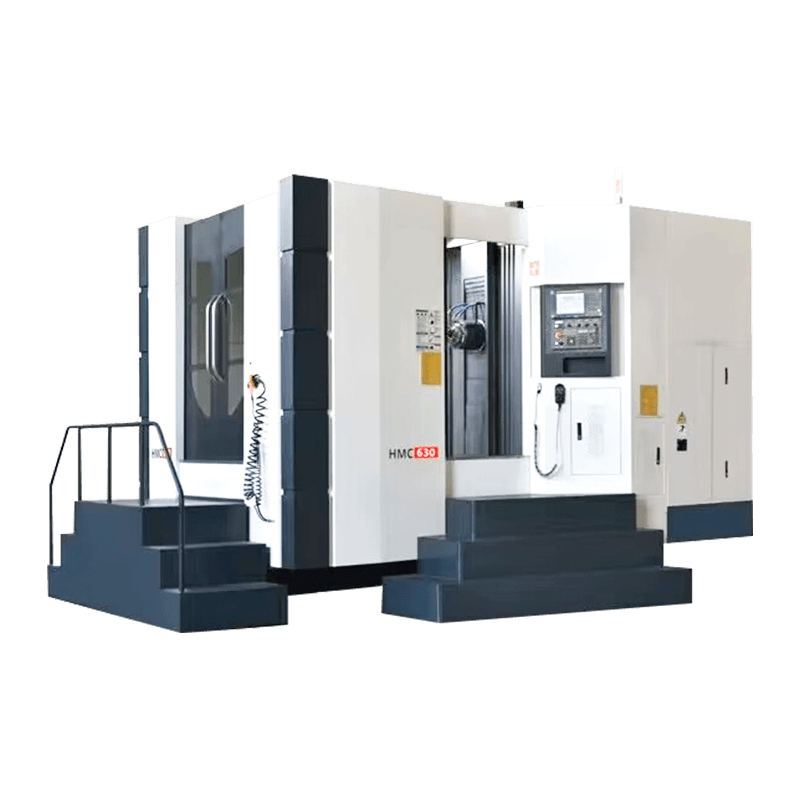
A modern cnc hmc machine is engineered as a production system rather than a standalone tool — a self-managing cell that can run through a shift change or an entire weekend with minimal human intervention.
The single biggest enabler of unattended machining on a horizontal platform is the automatic pallet changer (APC). While the spindle is cutting on one pallet, an operator — or an automated loading system — can load, unload, or inspect parts on a second pallet outside the work envelope. Once the current cycle finishes, the machine swaps pallets in seconds, often in under 15 seconds for a twin-pallet system, and immediately begins the next program.
Many horizontal platforms extend this concept into pallet pools of 4, 8, 12, or even 20+ stations. Each pallet can hold a different fixture, part number, or program, allowing a shop to queue dozens of jobs that run sequentially without any operator present. This is a major reason cnc horizontal machining is favored in high-mix, mid-to-high-volume production environments where parts must be produced continuously through the night.
| Pallet Count | Typical Unattended Runtime | Best Suited For |
|---|---|---|
| 2 pallets | 2–4 hours | Lunch breaks, single shift gaps |
| 6–8 pallets | 8–16 hours | Overnight and second-shift production |
| 16–20+ pallets | 24–72 hours | Weekend or full lights-out operation |
Unattended machining fails quickly if the machine runs out of usable tools mid-cycle. This is why horizontal machining centers are commonly equipped with tool magazines ranging from 60 to over 300 pockets, far exceeding the 20–40 tool capacity typical of many vertical machines. With a larger magazine, a shop can pre-load duplicate tools for high-wear operations such as drilling and roughing, so the control automatically switches to a backup tool once tool life data indicates wear has crossed a threshold.
Tool life management systems track the number of cycles, cutting minutes, or spindle load for each tool and issue automatic tool changes before failure occurs. Some controls also support tool breakage detection through spindle load monitoring or laser/contact tool setters, halting the program or switching to a sister tool if a break is detected. This layered redundancy is a defining reason why cnc horizontal machining is trusted for extended unattended cycles in industries like aerospace and automotive component production.
A key structural feature supporting unattended operation is the B-axis rotary table, which allows the workpiece to be rotated — typically in increments as fine as 0.001 degrees — so that multiple faces of a part can be machined in a single setup. On a vertical machine, achieving five-face access usually requires the operator to physically reposition or refixture the part, which is impossible during an unattended run. A cnc hmc machine eliminates this dependency by bringing the tool to different faces of the part automatically.
Consider a cast housing that requires machining on four sides plus two angled bores. On a vertical machine, this part might require three separate setups, each needing manual repositioning and re-referencing — clearly incompatible with lights-out production. On a horizontal machine with a rotary table, the same part can often be completed in one or two automatic setups, with the B-axis indexing between operations without any operator input.
Because the spindle is horizontal, chips are naturally pulled downward by gravity onto conveyors rather than settling on the part or in fixture pockets. This dramatically reduces the risk of re-cutting chips, a common cause of surface defects and tool wear during long unattended runs. Most horizontal platforms pair this geometry with high-pressure through-spindle coolant, chip conveyors rated for continuous operation, and coolant filtration systems designed to run for 24–72 hours without manual cleaning.
Unattended machining requires the machine to detect and respond to problems without a human present. Modern cnc horizontal machining centers integrate several layers of monitoring to make this possible:
Info
Together, these systems allow a cnc hmc machine to self-correct minor variations and safely halt itself if a serious problem arises, rather than continuing to run and producing scrap parts or causing equipment damage.
While pallet pools handle fixtured parts extremely well, many shops extend unattended capability further by integrating robotic arms or gantry loaders that place raw stock directly into fixtures and remove finished parts. This is particularly common for smaller components produced in higher volumes, where a six-axis robot can service multiple pallets or even multiple machines from a single staging area.
Because horizontal machining centers are typically designed with open, accessible load stations outside the cutting envelope, they integrate more easily with robotic cells than many vertical designs, where the load area often overlaps with the enclosure used for chip containment. This compatibility is a major reason manufacturers scaling toward full lights-out production standardize on horizontal platforms.
Hardware alone does not guarantee successful unattended operation — program reliability matters just as much. Shops running lights-out production typically follow a structured verification process before committing a job to overnight cycles:
Success
A well-planned overnight run on a cnc horizontal machining center can commonly achieve spindle utilization above 85%, compared to the 30–50% utilization typical of manually attended, single-shift operations.
| Factor | Horizontal Machining Center | Vertical Machining Center |
|---|---|---|
| Chip evacuation | Gravity-assisted, minimal buildup | Chips can accumulate on part surface |
| Multi-face access | Built-in B-axis rotary table | Requires manual refixturing |
| Pallet pooling | Standard, up to 20+ pallets | Less common, smaller pools |
| Typical tool magazine | 60–300+ pockets | 20–40 pockets |
| Best unattended duration | Overnight to multi-day | Single break to a few hours |
Shops new to lights-out production on a cnc hmc machine often benefit from a standardized pre-run checklist to avoid costly overnight failures. At minimum, this should include verifying fixture clamping force, confirming raw stock quantity matches the number of pallets loaded, checking tool life counters are reset and accurate, testing probe cycles for correct offset application, and reviewing the machine's alarm history for any recurring warnings from the prior shift.
Warning
Skipping first-article verification before an unattended run is the single most common cause of scrapped batches — always confirm cycle time and tool wear under supervision first.
Shops that follow this discipline consistently report scrap rates during unattended runs comparable to attended production, often under 2%, while gaining the equivalent of a full additional shift of output without additional labor cost.
The case for using a horizontal machining center in lights-out production comes down to compounding advantages: gravity-favorable chip flow, automatic multi-pallet loading, large tool magazines with wear monitoring, integrated multi-face access, and strong compatibility with robotic automation. Individually, each feature reduces one point of failure; combined, they allow a cnc hmc machine to run reliably through an entire shift, night, or weekend with minimal risk of scrap or downtime. For manufacturers evaluating equipment for high-utilization, low-labor production, these characteristics explain why cnc horizontal machining remains the preferred platform for serious unattended and lights-out operations.
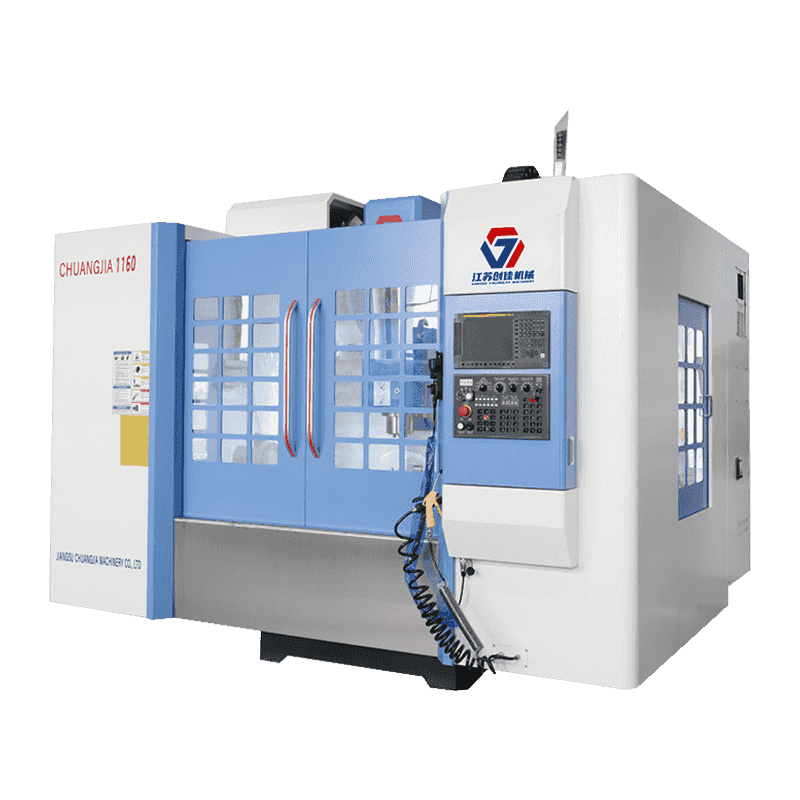
This series of machining center is fixed in A-shape single column, mobile structure of workbench, high rigidity of basic parts, lightweight of moving ...
See Details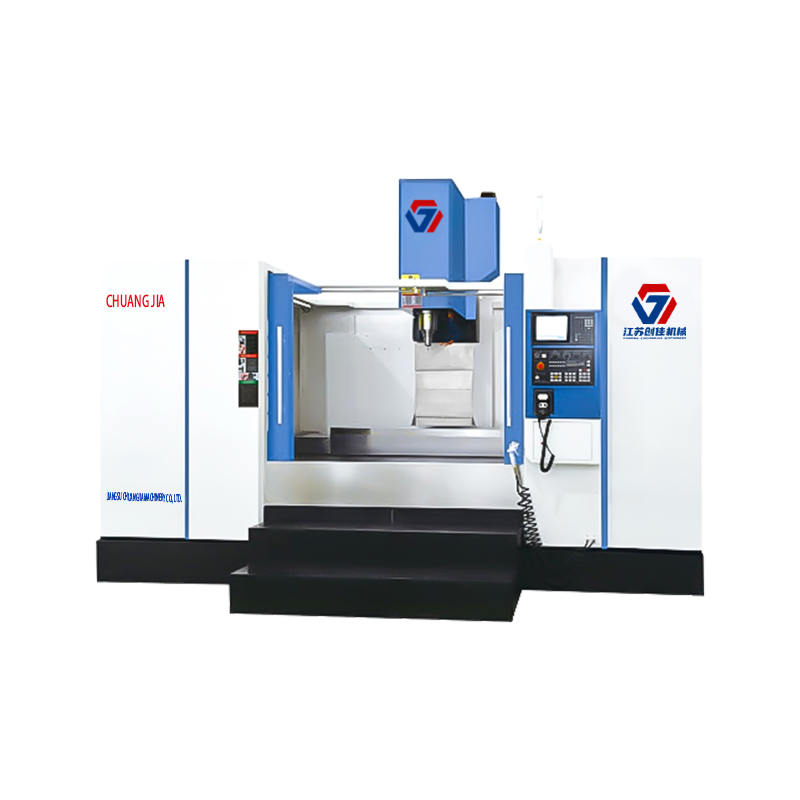
This series of machining center is fixed in A-shape single column, mobile structure of workbench, high rigidity of basic parts, lightweight of moving ...
See Details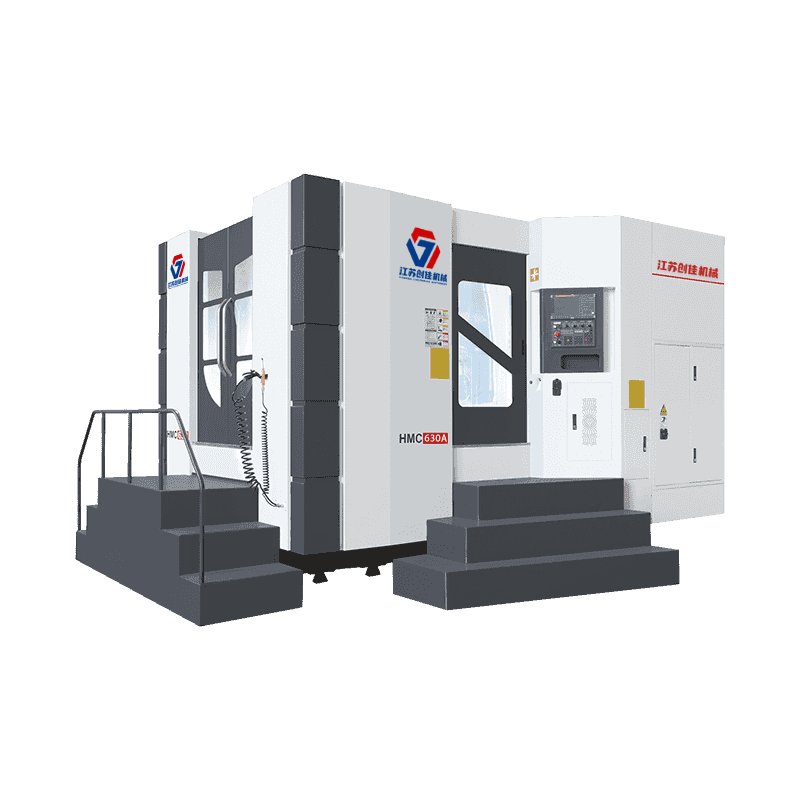
The bed adopts a positive T structure layout, the table moves back and forth (Z axis), the headstock moves up and down (Y axis) and the column moves l...
See Details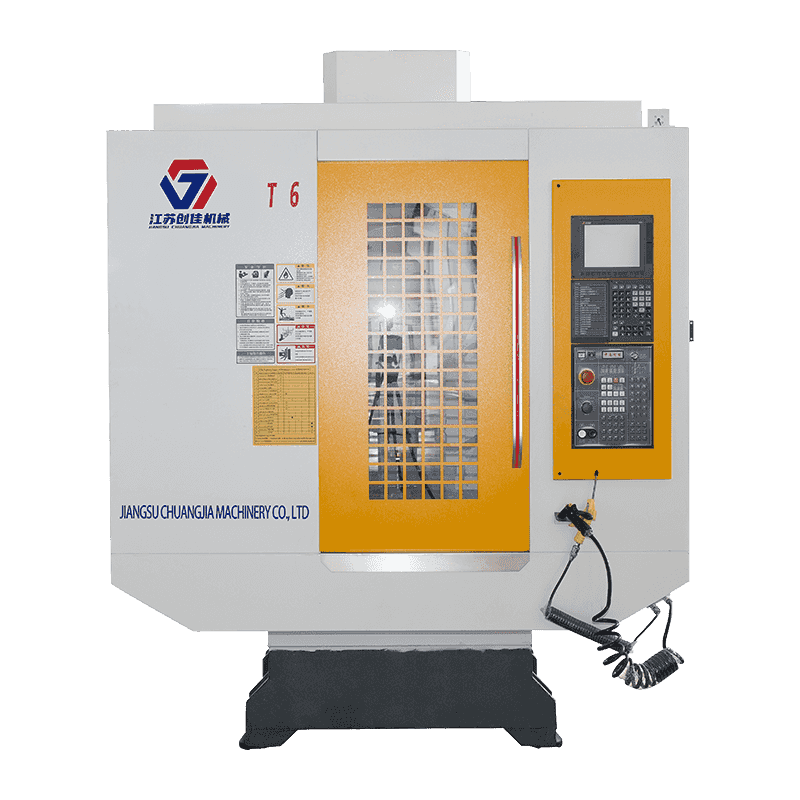
Drilling and tapping center ZN-T6 has easy operability, high reliability, ultra-high cost performance, mainly used in general industry, hardware, medi...
See Details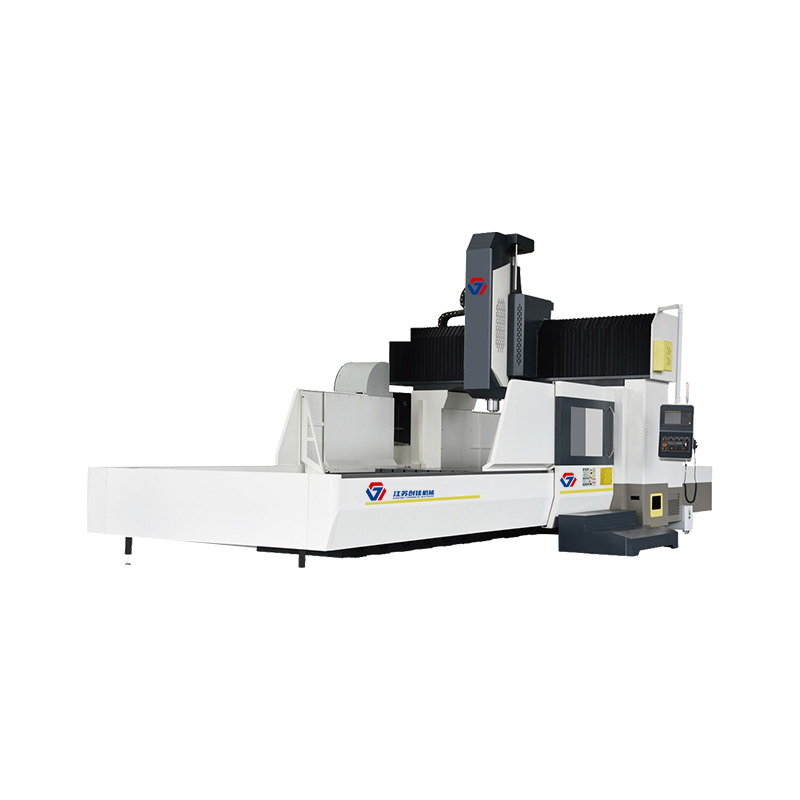
The machine adopts the structure form of fixed gantry frame and moving table on the bed. Beam column integrated design, has the characteristics of hig...
See Details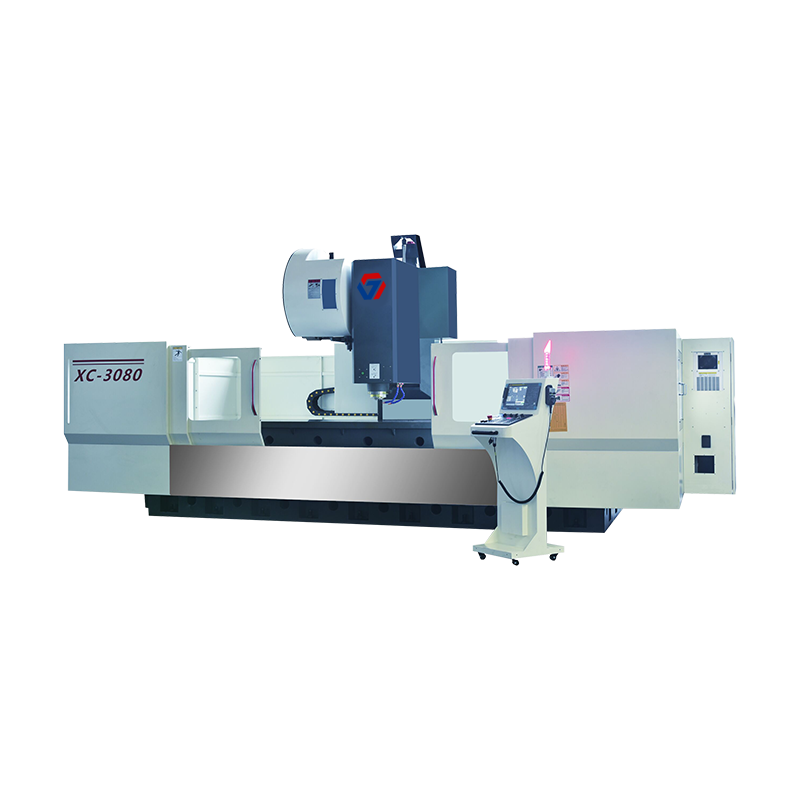
Mainly process the internal profiles of rail transit locomotives; Narrow and long parts of automobiles; TV frames, refrigerator frames, communication ...
See Details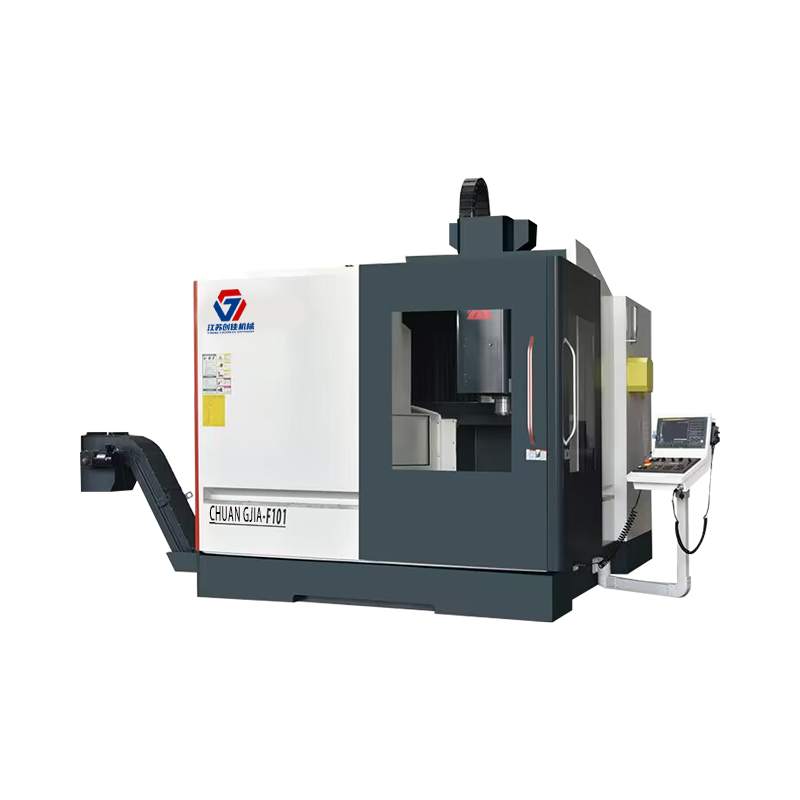
The three-axis support surface of this series of gantry machining center adopts heavy-duty roller linear guide, which is easy to maintain, low frictio...
See Details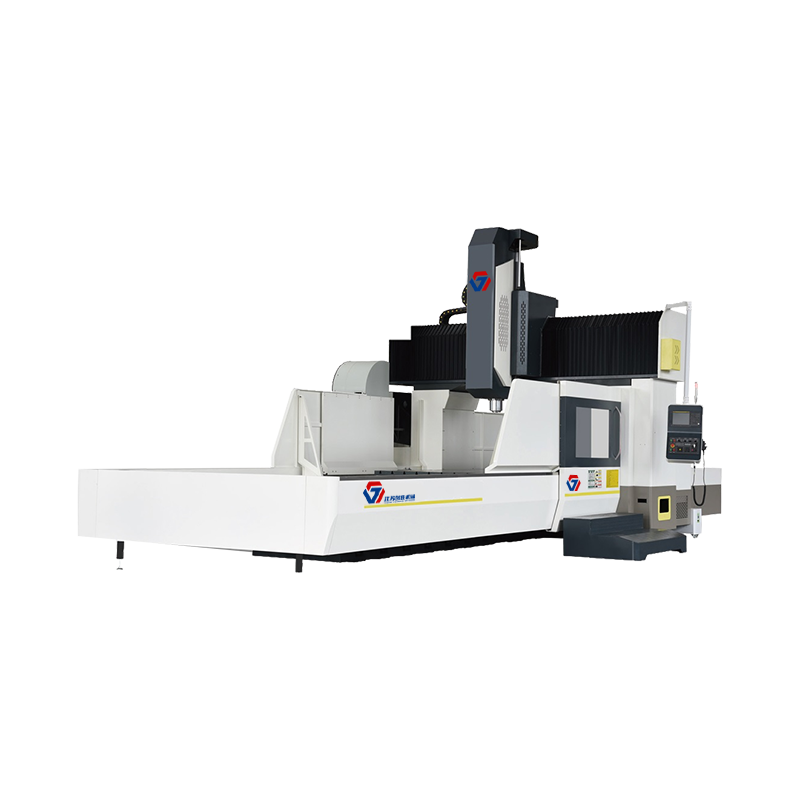
The machine adopts the structure form of fixed gantry frame and moving table on the bed. Beam column integrated design, has the characteristics of hig...
See Details
All rights reserved Jiangsu Chuangjia Machinery Co., LTD.
