
 Search products
 en
 简体中文
 русский
 Español
ZN-L1890 Vertical Machining Center
Cat:Vertical Machining Center
This series of machining center is fixed in A-shape single column, mobile structure of workbench, high rigidity of basic parts, lightweight of moving ...
See DetailsWhen you are machining aluminum housings, drilling and tapping thousands of holes per shift, or holding a tight surface finish, a 3 axis CNC line rail vertical machining center often beats a box-way machine. The conclusion is straightforward: linear guides deliver faster rapid moves, better positioning accuracy, and more consistent long-run performance. But their rigidity ceiling means they are not the right choice for heavy roughing of steel or cast iron billets. This guide breaks down the structure, specifications, selection criteria, and real-world trade-offs.
A 3 axis CNC line rail vertical machining center uses three linear axes—X, Y, and Z—with linear guide rails instead of hardened box ways. The spindle is vertical, meaning the tool points down toward the worktable. The “line rail” part refers to recirculating linear guides, typically roller or ball type, that carry the column, table, and spindle head.
The distinction matters because linear guides have much lower friction than box ways. That lower friction allows faster acceleration, higher rapid traverse rates, and finer interpolation. A typical 3 axis line rail VMC can rapid at 36 to 48 m/min and hold positioning accuracy within 0.005 mm over a 300 mm travel. Box-way machines usually rapid at 15 to 24 m/min and rely on stick-slip friction for damping.
For high-speed drilling, tapping, and light milling of non-ferrous materials, the line rail design is the default choice. For example, the ZNV850 is built around this principle, targeting 3-axis high-speed machining with a compact footprint.
The choice between linear guides and box ways is not about one being universally better. It is about matching the guide type to the workload. The table below summarizes the practical differences.
| Characteristic | Linear Guide (Line Rail) | Box Way (Hard Rail) |
|---|---|---|
| Friction coefficient | 0.002–0.005 | 0.05–0.15 |
| Rapid traverse | 36–60 m/min | 15–30 m/min |
| Vibration damping | Lower; relies on preload | Higher; natural damping |
| Heavy roughing capacity | Limited by rail load rating | Excellent for deep cuts |
| Accuracy over time | Very stable with proper lubrication | Requires frequent adjustment |
| Best for | Aluminum, drilling, tapping, high-speed milling | Steel, cast iron, heavy cavity roughing |
If your parts are mostly aluminum or thin-wall steel, and your cycle times depend on fast tool changes and quick moves between holes, line rail is the right call. If you are removing 5 mm of stock from a 4140 steel block with a 100 mm face mill, box ways will hold up better and last longer.
“Line rail machines are not weaker—they are differently strong. The mistake is asking them to do a job they were never designed for.”
A 3-axis VMC moves the tool in X, Y, and Z only. That means it can mill flat faces, pockets, slots, and steps; drill and tap hole patterns; and bore precise diameters. It cannot simultaneously tilt the tool or rotate the workpiece, so it cannot produce complex contoured surfaces or undercuts in a single setup.
For prismatic parts with features on multiple faces, you need either multiple setups or a 4th axis rotary table. If your drawing includes impeller blades, turbine vanes, or deep 3D cavities, a 5-axis machine is the correct tool. For everything else—brackets, plates, housings, manifolds, and mold bases—a 3-axis line rail VMC is the most cost-effective solution.
To understand how the machine actually executes a cycle, including tool changes and coolant flow, see the working process of a vertical machining center. That article explains the sequence from spindle start to part unload.
When comparing 3 axis line rail VMCs, five specifications drive most of the performance difference: travel size, spindle speed, rapid traverse, tool change time, and guide preload class. The table below lists typical ranges for a mid-size machine.
| Specification | Entry Level | Production Level |
|---|---|---|
| X/Y/Z travel | 600 × 400 × 500 mm | 1,100 × 600 × 600 mm |
| Spindle speed | 8,000 rpm | 12,000–15,000 rpm |
| Rapid traverse | 30 m/min | 48 m/min |
| Tool change time | 3–5 s | 1.5–2.5 s |
| Positioning accuracy | ±0.008 mm | ±0.005 mm |
| Repeatability | ±0.005 mm | ±0.003 mm |
For production work, the tool changer matters as much as the spindle. A machine like the ZNL1270 with an automatic tool changer reduces non-cut time and keeps repeatability tight across long runs. Check whether the ATC uses a mechanical arm or a cam drive, and confirm the tool-to-tool time with a stopwatch during a demo.
Line rail 3-axis VMCs are widely used in automotive parts, new energy components, mold making, and sapphire processing. Each application puts different demands on the machine.
If your parts are primarily aluminum or copper, line rail is almost always the right choice. For hardened steel above 45 HRC, consider a box-way machine or a hybrid design.
Buyers often focus on spindle speed and ignore the guide system, the casting mass, and the thermal compensation strategy. Here are the most common mistakes and how to avoid them.
Warning: Do not buy a line rail machine for heavy roughing of steel or cast iron. The rails will wear prematurely and the accuracy will degrade within 12 to 18 months.
Info: Check the linear guide preload class. For high-precision work, use a preload of 0.02C to 0.05C. For general milling, 0.05C to 0.1C is acceptable.
Success: Ask for a test cut on your actual material. Measure the surface finish and hole diameter at the beginning and end of a 4-hour run. That tells you more than a spec sheet.
For high-precision work, a machine like the ZNL1160 pairs a rigid base with precision linear guides and a thermal-compensated spindle. It is designed for applications where 0.005 mm repeatability is not optional.
A 3 axis CNC line rail vertical machining center is the right tool when speed, accuracy, and surface finish matter more than brute cutting force. It excels at aluminum, drilling, tapping, and light milling. It struggles with heavy steel roughing. Before you buy, confirm the guide preload, rapid traverse, tool change time, and casting mass. Test the machine on your own material. If the results hold at the end of a long run, you have found a machine that will pay for itself.
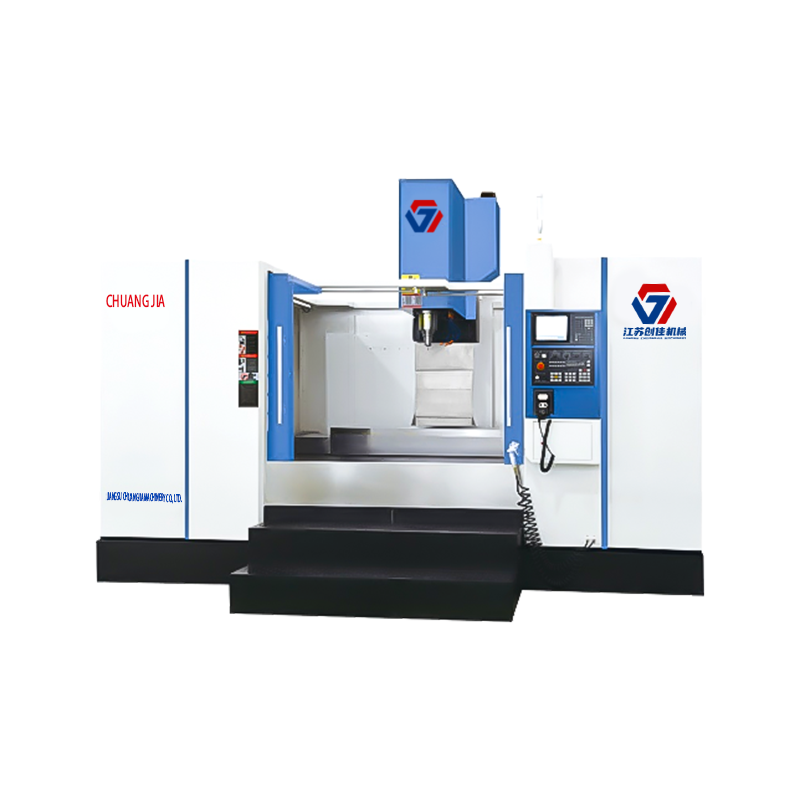
This series of machining center is fixed in A-shape single column, mobile structure of workbench, high rigidity of basic parts, lightweight of moving ...
See Details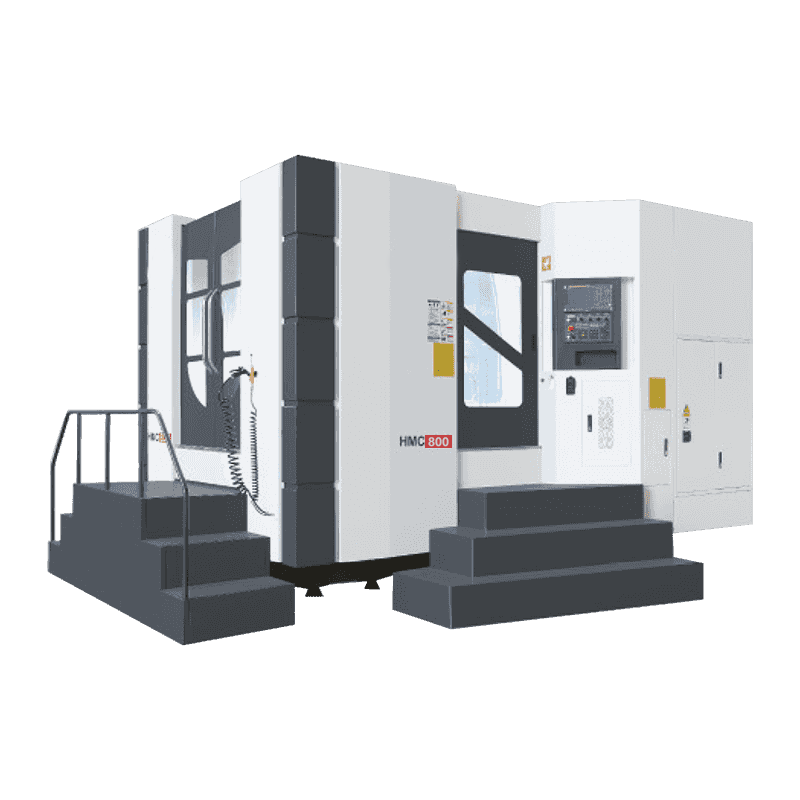
The bed adopts inverted T structure layout, the table moves around (X axis), the headstock moves up and down (Y axis) and the column moves back and fo...
See Details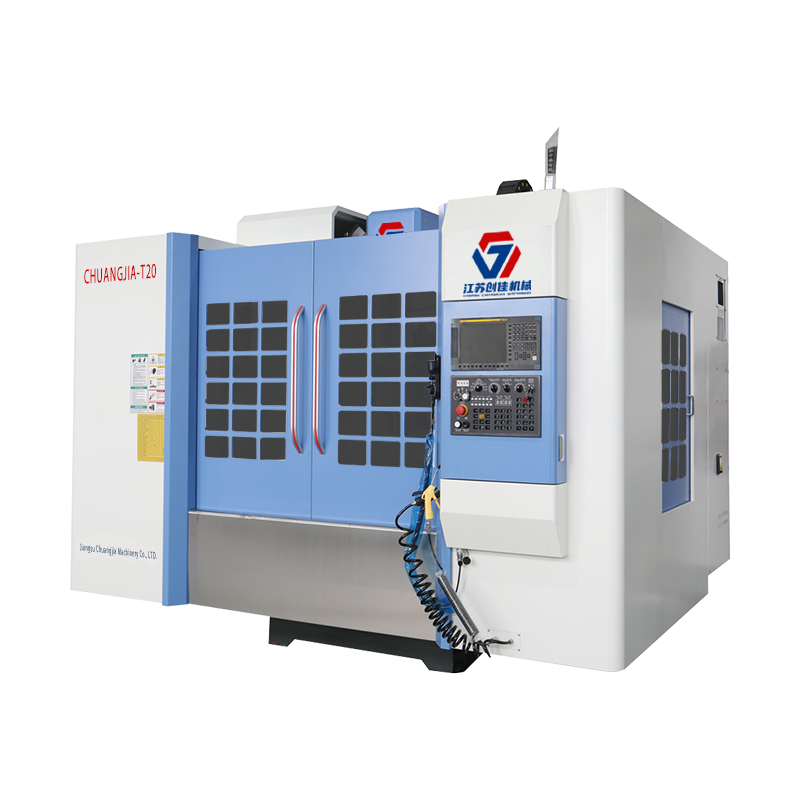
Drilling and tapping center ZN-T20 has easy operability, high reliability, ultra-high cost performance, mainly used in general industry, hardware, med...
See Details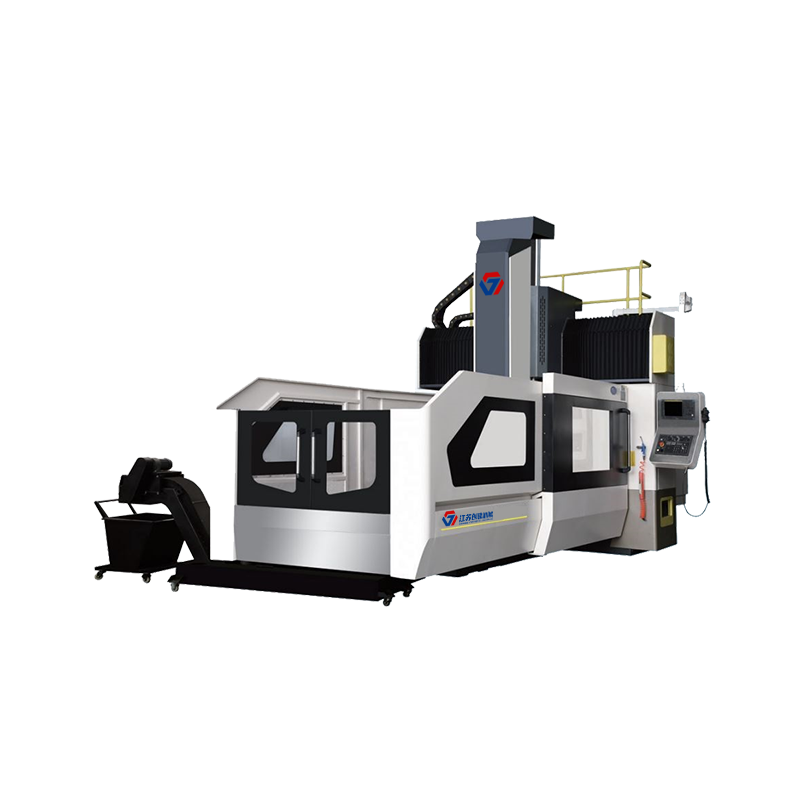
The machine adopts the structure form of fixed gantry frame and moving table on the bed. Beam column integrated design, has the characteristics of hig...
See Details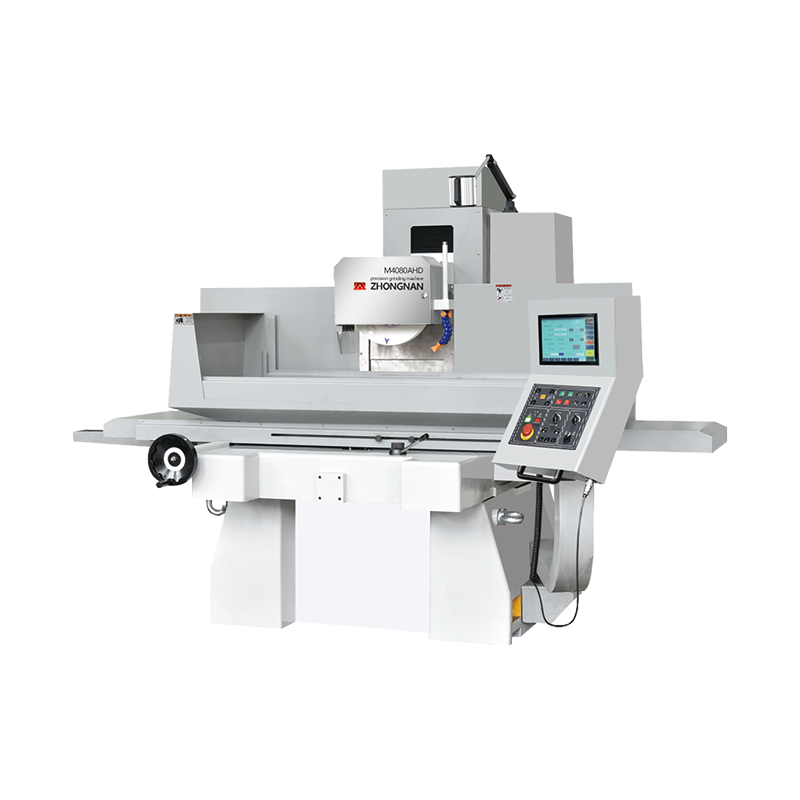
High precision/High speed/easy to operate CNC surface grinding machine X axis hydraulic /YZ axis servo/CNC system. Cross slide structure, double V rai...
See Details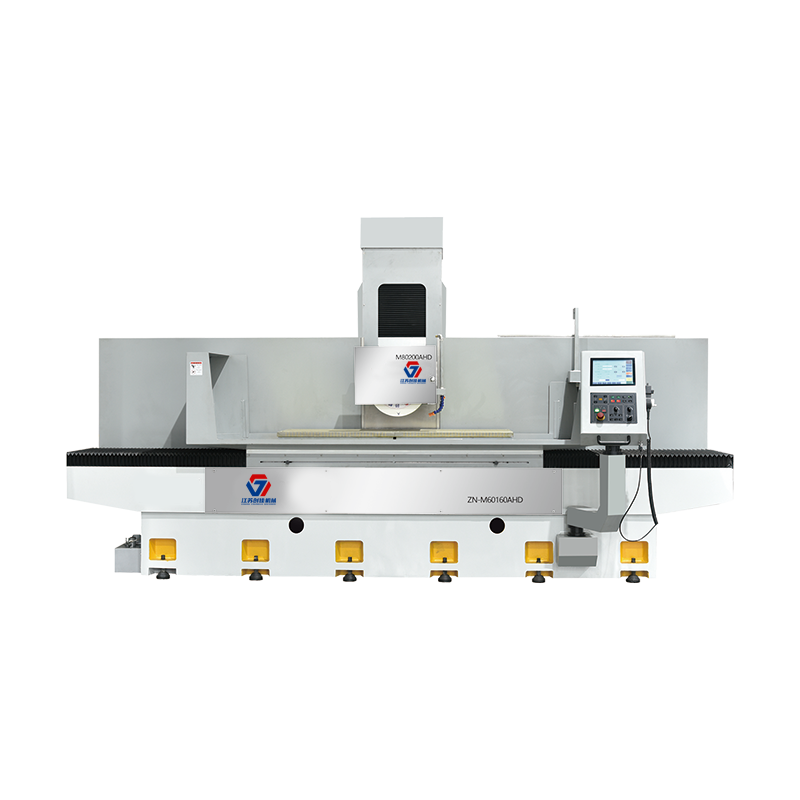
The machine tool is mainly suitable for the precision grinding of various metal materials, such as plane, step and specific shape, and is widely used ...
See Details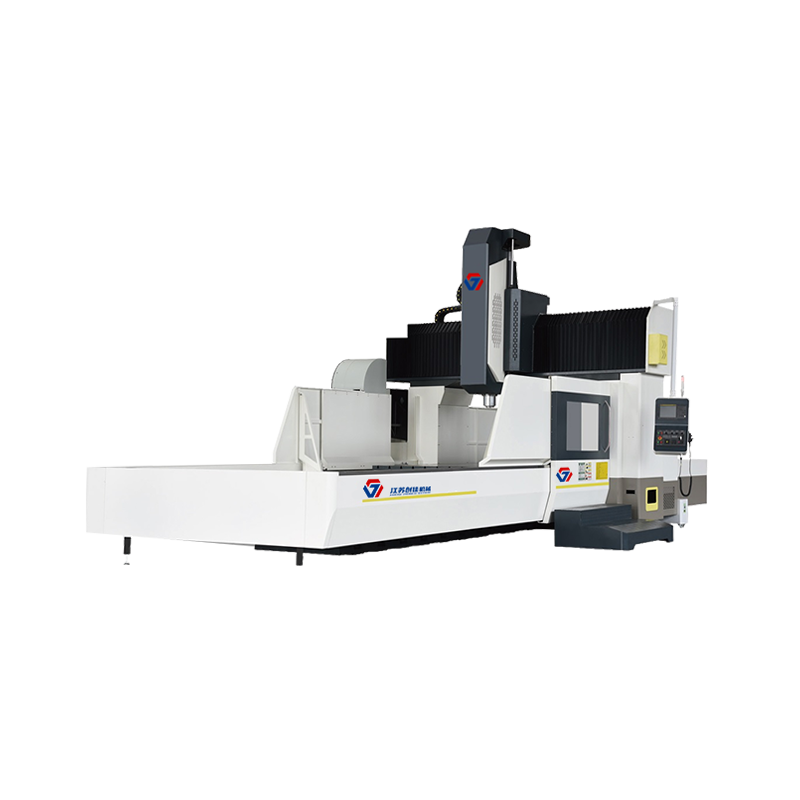
The machine adopts the structure form of fixed gantry frame and moving table on the bed. Beam column integrated design, has the characteristics of hig...
See Details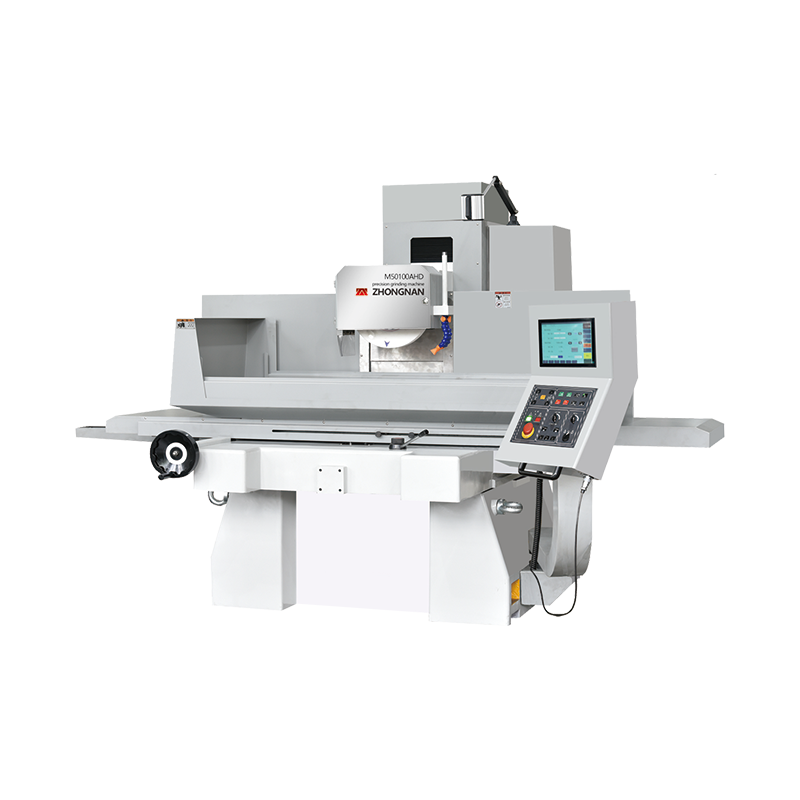
High precision/High speed/easy to operate CNC surface grinding machine X axis hydraulic /YZ axis servo/CNC system. Cross slide structure, double V rai...
See Details
All rights reserved Jiangsu Chuangjia Machinery Co., LTD.
