
 Search products
 en
en 简体中文
简体中文 русский
 Español
ZN-V850 Vertical Machining Center
Cat:Vertical Machining Center
This series of machining center is fixed in A-shape single column, mobile structure of workbench, high rigidity of basic parts, lightweight of moving ...
See DetailsThe CNC Gantry Machining Center offers substantially more automation capability than a portal milling machine. While both share a similar structural frame, the Gantry Machining Center integrates closed-loop CNC control, automatic tool changing, pallet systems, and real-time error compensation — features that enable continuous, unmanned production shifts. In contrast, a portal milling machine typically relies on manual tool changes, limited axis interpolation, and operator intervention, making it unsuitable for lights-out manufacturing environments.
At first glance, a portal milling machine and a CNC Gantry Machining Center look nearly identical: both feature a bridge-style gantry frame straddling a worktable. However, their control architecture and automation integration differ fundamentally.
A portal milling machine is primarily designed for heavy stock removal with basic 3-axis control. Operator presence is required for tool changes, workpiece setup, and process monitoring. A CNC Gantry Machining Center, by comparison, is engineered from the ground up for high-precision, multi-operation machining with minimal human intervention. The CNC system coordinates all axes simultaneously, manages tool life data, monitors spindle load, and triggers alarms or automatic corrections in real time.
One of the defining advantages of a CNC Gantry Machining Center over a portal milling machine is its support for 5-axis simultaneous interpolation. This means the machine can tilt and rotate the spindle head while traversing X, Y, and Z axes — enabling single-setup machining of complex contoured surfaces such as aerospace turbine structures, large automotive molds, and ship propeller blades.
Portal milling machines are typically limited to 3-axis operation. Achieving the same complex geometry requires multiple setups, repositioning, and manual re-fixturing — each step introducing cumulative positional error and consuming significant operator time.
A portal milling machine requires manual tool changes, often halting production entirely. A CNC Machining Center equipped with an ATC can store between 24 and 120+ tools in a carousel or chain magazine, performing tool exchanges in as little as 3–6 seconds without operator input.
In a typical unmanned night shift scenario, a CNC Gantry Machining Center can execute roughing, semi-finishing, and finishing operations sequentially — automatically selecting the correct tool, applying the programmed cutting parameters, and logging tool wear data — all without a single manual intervention.
Modern CNC Gantry Machining Centers integrate tool life management directly into the CNC controller. When a tool reaches its preset cutting time limit or the spindle load exceeds a defined threshold, the system automatically substitutes a sister tool from the magazine. This prevents tool breakage mid-cycle — a critical feature for unattended production.
Portal milling machines use a fixed worktable. Workpiece loading and unloading requires the machine to stop, costing valuable spindle time. A CNC Gantry Machining Center configured with an Automatic Pallet Changer (APC) allows one pallet to be machined while another is being loaded with a new workpiece — effectively eliminating setup downtime.
In high-volume production environments, this dual-pallet or multi-pallet configuration can increase effective spindle utilization from roughly 50–60% (manual loading) to over 85%, directly improving output per shift.
Unmanned production is only viable when the machine can self-correct for deviations without operator oversight. A CNC Gantry Machining Center achieves this through several integrated compensation systems unavailable on standard portal milling machines:
Portal milling machines generally lack these compensation layers, meaning that thermal drift or geometric errors accumulate undetected until a quality inspection is performed — often after the damage is already done.
| Feature | CNC Gantry Machining Center | Portal Milling Machine |
|---|---|---|
| Axis Control | 3–5 axis simultaneous interpolation | Typically 3-axis only |
| Tool Change | Automatic (ATC), 3–6 sec | Manual, 5–15 min |
| Pallet System | APC available (dual/multi pallet) | Fixed table only |
| Thermal Compensation | Real-time, sensor-driven | Not available |
| In-Process Probing | Integrated on-machine gauging | Off-machine CMM required |
| Unmanned Production | Fully capable (lights-out shifts) | Requires operator presence |
| Tool Life Management | CNC-integrated, sister tool support | Manual tracking |
| Network / DNC Connectivity | Full DNC, IoT, MES integration | Limited or none |
A CNC Machining Center is designed to operate within a connected manufacturing ecosystem. Through Direct Numerical Control (DNC) networking, the machine can receive updated NC programs from a central server, report machining status, and synchronize with Manufacturing Execution Systems (MES) or ERP platforms.
Modern CNC Gantry Machining Centers support industrial communication protocols such as OPC-UA, MTConnect, and Ethernet/IP — enabling real-time data collection on spindle load, axis position, coolant flow, and alarm status. This data feeds into predictive maintenance platforms that can flag potential failures before they cause unplanned downtime.
Portal milling machines are typically standalone machines with no digital connectivity. Any production data must be recorded manually, making them incompatible with smart factory or Industry 4.0 architectures.
A CNC Gantry Machining Center can be integrated into a Flexible Manufacturing System (FMS) alongside loading robots, conveyor systems, and automated inspection stations. The machine's CNC controller communicates with the cell controller to coordinate workpiece flow, tool requests, and quality feedback — forming a fully automated production loop.
For example, in aerospace structural component production, a CNC Gantry Machining Center can be paired with a robotic loading system capable of handling workpieces weighing up to 5,000 kg, enabling a single cell to process multiple part numbers across an unmanned weekend shift — a scenario entirely beyond the capability of a portal milling machine.
Despite its limitations in automation, a portal milling machine remains a valid choice in specific scenarios:
For any operation targeting reduced labor cost, higher accuracy, multi-operation machining, or integration into a smart manufacturing line, a CNC Gantry Machining Center is unequivocally the superior investment. The automation gap between the two machine types is not marginal — it represents a fundamental difference in production philosophy and capability.
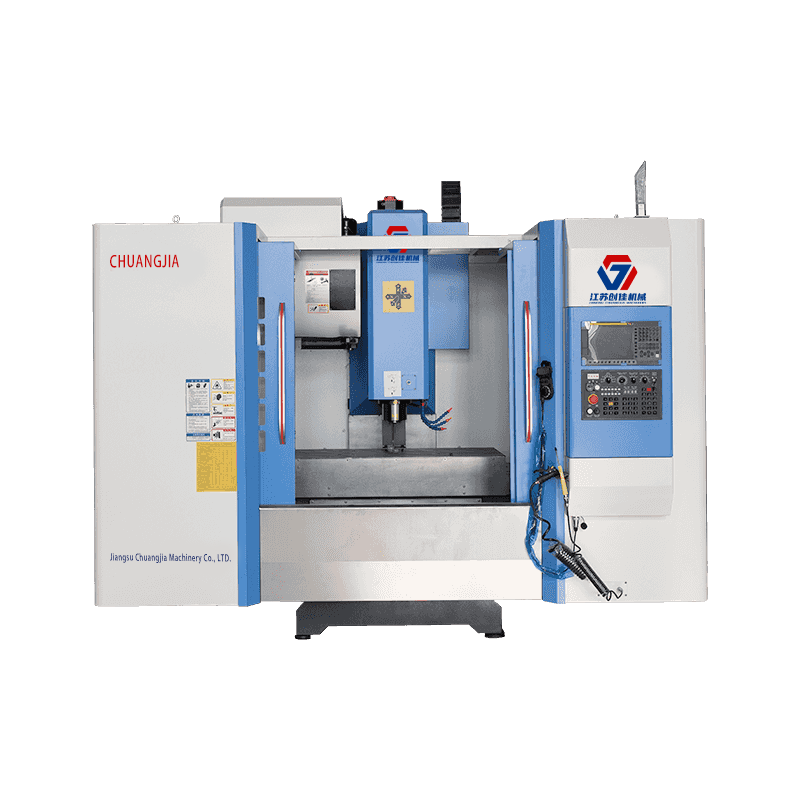
This series of machining center is fixed in A-shape single column, mobile structure of workbench, high rigidity of basic parts, lightweight of moving ...
See Details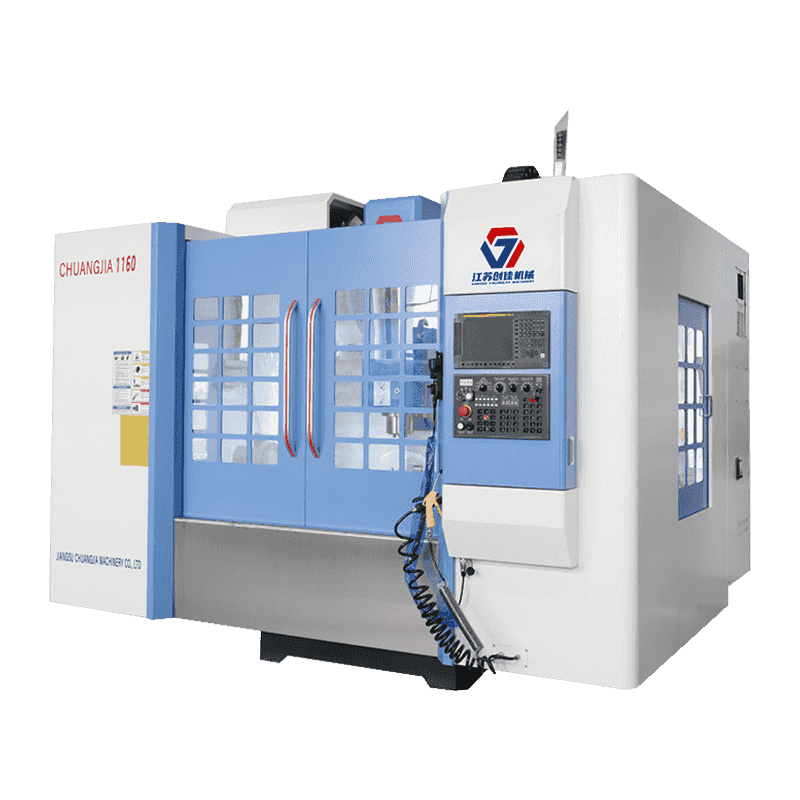
This series of machining center is fixed in A-shape single column, mobile structure of workbench, high rigidity of basic parts, lightweight of moving ...
See Details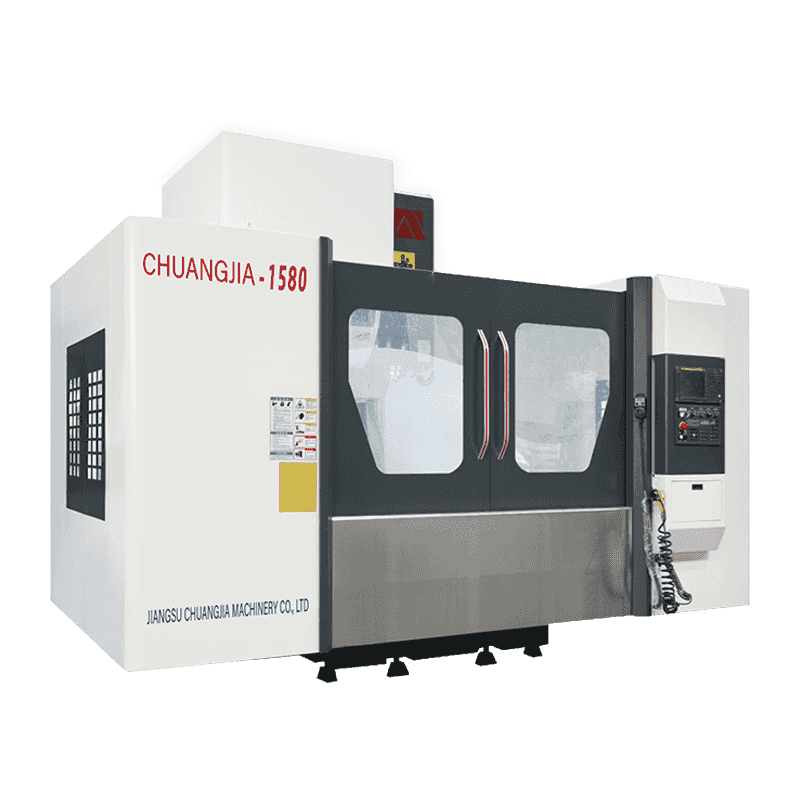
This series of machining center is fixed in A-shape single column, mobile structure of workbench, high rigidity of basic parts, lightweight of moving ...
See Details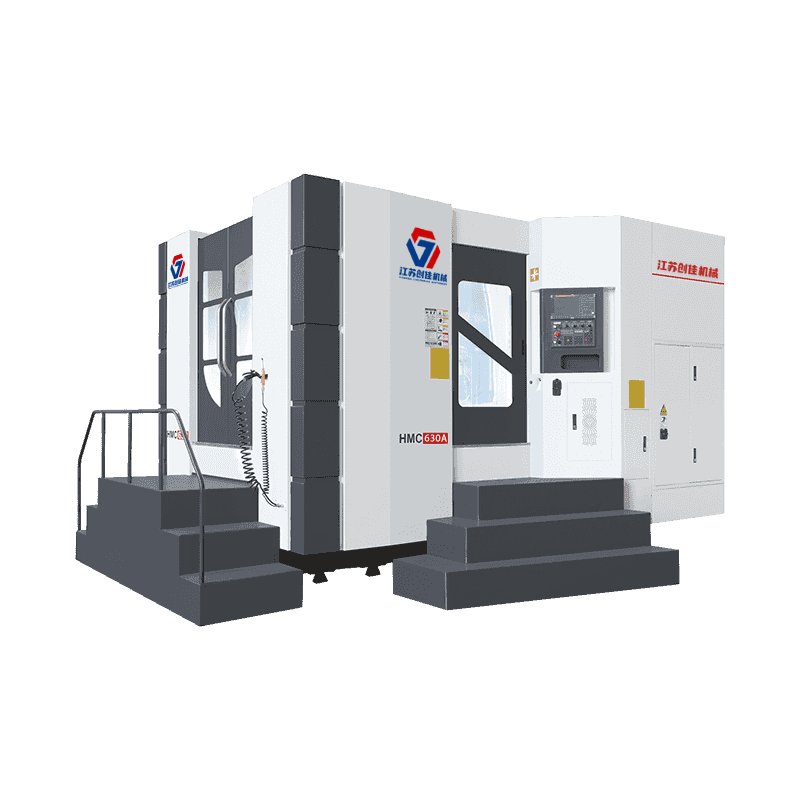
The bed adopts a positive T structure layout, the table moves back and forth (Z axis), the headstock moves up and down (Y axis) and the column moves l...
See Details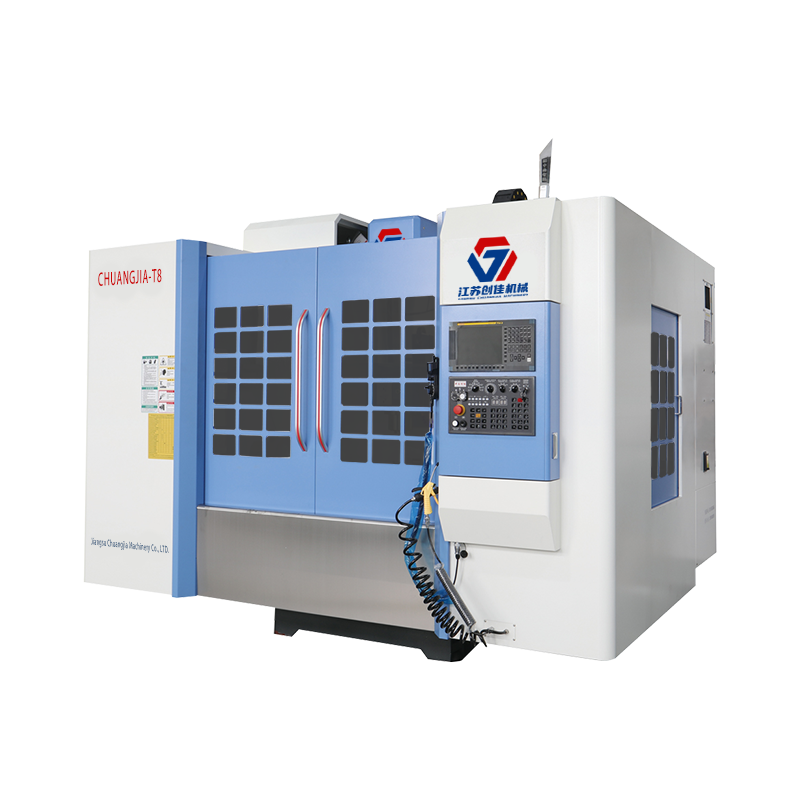
Drilling and tapping center ZN-T8 has easy operability, high reliability, ultra-high cost performance, mainly used in general industry, hardware, medi...
See Details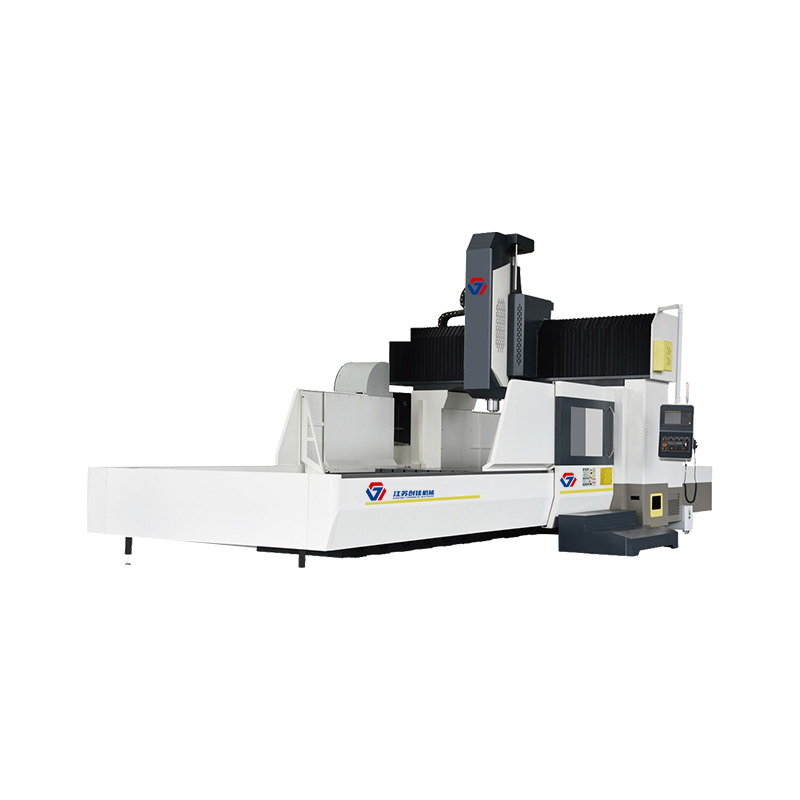
The machine adopts the structure form of fixed gantry frame and moving table on the bed. Beam column integrated design, has the characteristics of hig...
See Details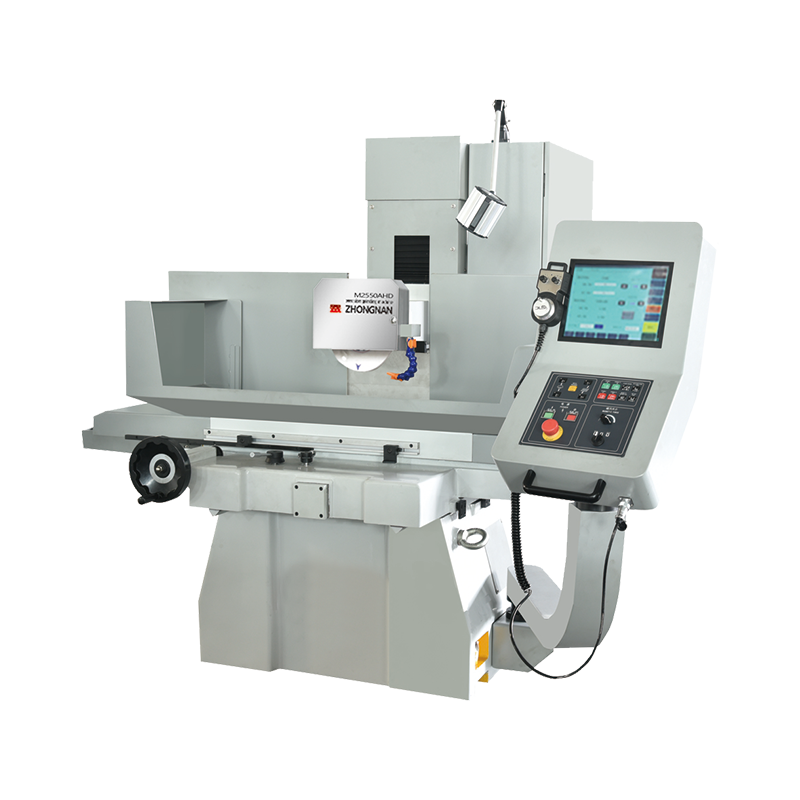
High precision/High speed/easy to operate CNC surface grinding machine X axis hydraulic /YZ axis servo/CNC system. Cross slide structure, double V rai...
See Details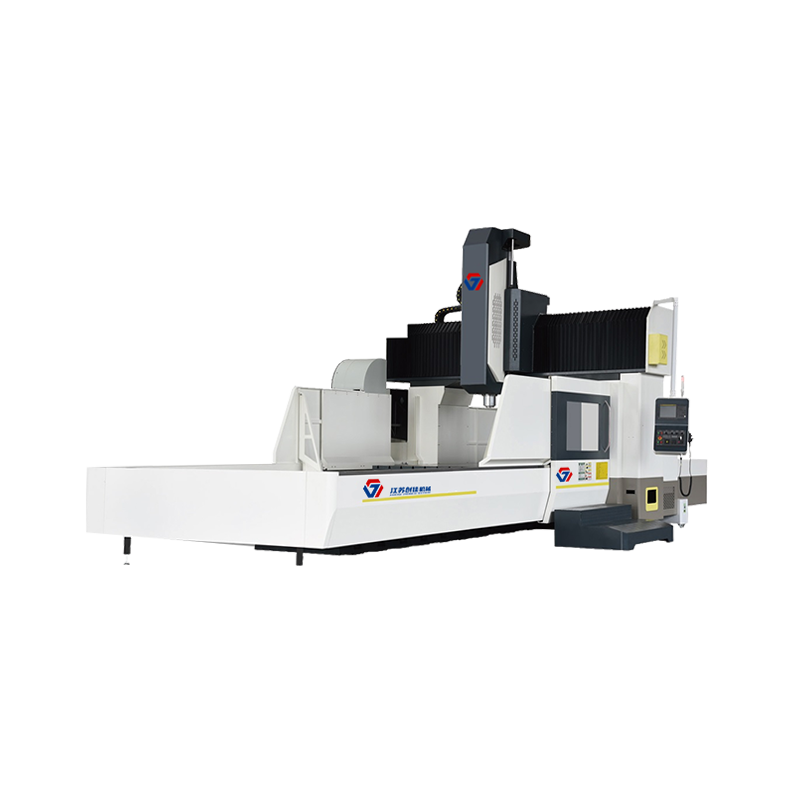
The machine adopts the structure form of fixed gantry frame and moving table on the bed. Beam column integrated design, has the characteristics of hig...
See Details
All rights reserved Jiangsu Chuangjia Machinery Co., LTD.
