
 Search products
 en
en 简体中文
简体中文 русский
 Español
ZN-V850 Vertical Machining Center
Cat:Vertical Machining Center
This series of machining center is fixed in A-shape single column, mobile structure of workbench, high rigidity of basic parts, lightweight of moving ...
See DetailsThe twin-pallet Horizontal Machining Center is generally the superior choice for batch production because it significantly reduces machine idle time and maximizes spindle utilization. In a production environment where repeatable parts are processed in medium to high volumes, a cnc horizontal machining center equipped with a twin-pallet system can improve productivity by 25% to 45% compared to a single-pallet system. This improvement is primarily due to overlap between machining and setup operations. While the single-pallet configuration remains cost-effective and flexible for low-volume or high-mix production, it becomes less efficient in batch scenarios where frequent loading and unloading interrupts machining cycles.
In short, if the goal is maximum throughput in batch manufacturing, the twin-pallet configuration is the clear winner. If the priority is simplicity, lower upfront cost, or highly variable part production, a single-pallet cnc horizontal machining center is still a valid option.
Productivity is the most important factor when comparing pallet systems in a cnc horizontal machining center. A twin-pallet system allows one pallet to be actively machined while the operator prepares the next workpiece on the second pallet. This parallel operation eliminates idle spindle time during part changeover.
In a single-pallet setup, machining must stop completely for unloading and loading operations. Even if each changeover only takes 10–15 minutes, over a full production shift this can accumulate to several hours of lost machining time.
Setup time is a critical hidden cost in machining operations. A twin-pallet Horizontal Machining Center reduces the operational impact of setup by separating machining time from preparation time. Operators can clamp and inspect parts on one pallet while machining continues on the other.
In contrast, a single-pallet cnc horizontal machining center requires full stoppage for every setup. This not only reduces machine efficiency but also increases the risk of human error during rushed changeovers.
Modern manufacturing environments increasingly rely on automation, and the cnc horizontal machining center is often integrated into flexible production lines. Twin-pallet systems are inherently more automation-friendly because they support continuous workflow without manual intervention between cycles.
A single-pallet machine, while still compatible with automation systems, requires more frequent interruptions, making it less ideal for lights-out manufacturing scenarios.
The initial investment in a twin-pallet Horizontal Machining Center is typically higher than a single-pallet system, often by 15–30%. However, this cost is offset by higher throughput and reduced idle time in batch production environments.
For high-volume production, the return on investment (ROI) of a twin-pallet cnc horizontal machining center is significantly faster due to increased machine utilization. In contrast, single-pallet systems have lower upfront costs but longer ROI periods when used in batch manufacturing.
A single-pallet cnc horizontal machining center offers greater flexibility for job shops that handle diverse part types and small production runs. It allows faster reconfiguration and simpler operation.
However, in a structured production environment where batch sizes are predictable, the twin-pallet Horizontal Machining Center provides superior efficiency and stability.
| Feature | Twin-Pallet System | Single-Pallet System |
|---|---|---|
| Spindle Utilization | 85–90% | 60–75% |
| Changeover Time | Minimal impact | Frequent downtime |
| Batch Efficiency | High | Medium |
| Flexibility | Medium | High |
Choosing between a twin-pallet and single-pallet cnc horizontal machining center depends on production volume, part complexity, and automation level. For batch production environments aiming to maximize throughput, the twin-pallet system consistently delivers better operational efficiency and lower cost per part over time.
If the production strategy involves frequent design changes, small batches, or prototyping, a single-pallet system remains a practical and economical choice. However, as production scales increase, the twin-pallet system becomes increasingly advantageous.
The decision should be based on a balance between initial investment and long-term productivity gains within a cnc horizontal machining center workflow.
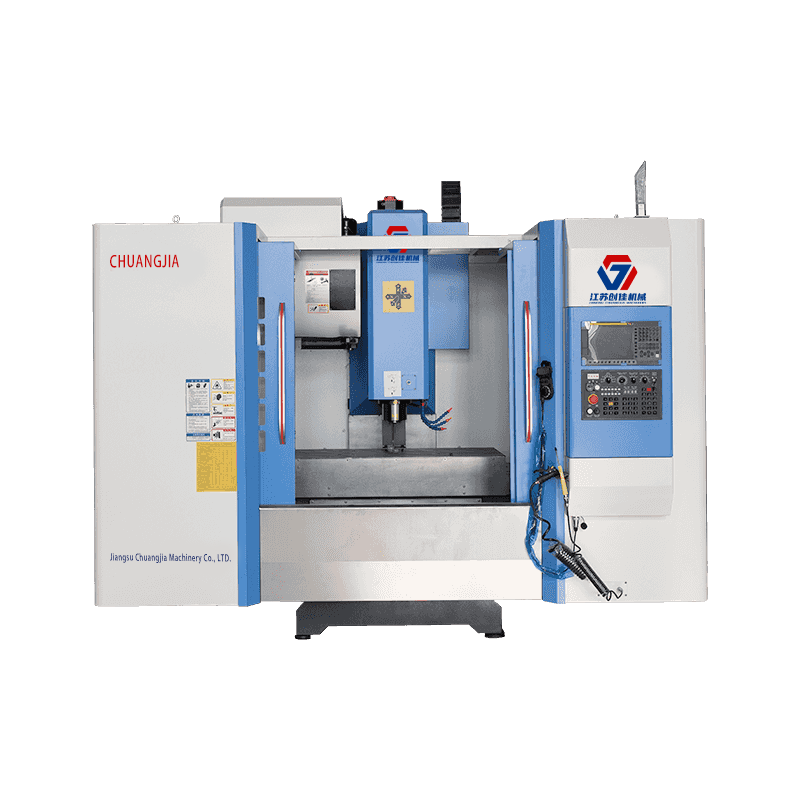
This series of machining center is fixed in A-shape single column, mobile structure of workbench, high rigidity of basic parts, lightweight of moving ...
See Details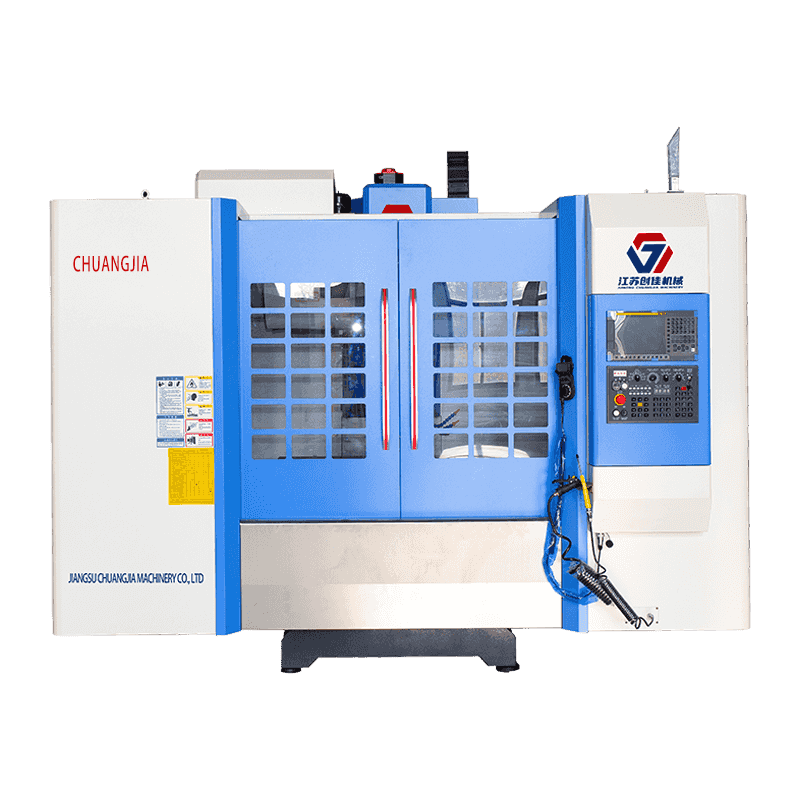
This series of machining center is fixed in A-shape single column, mobile structure of workbench, high rigidity of basic parts, lightweight of moving ...
See Details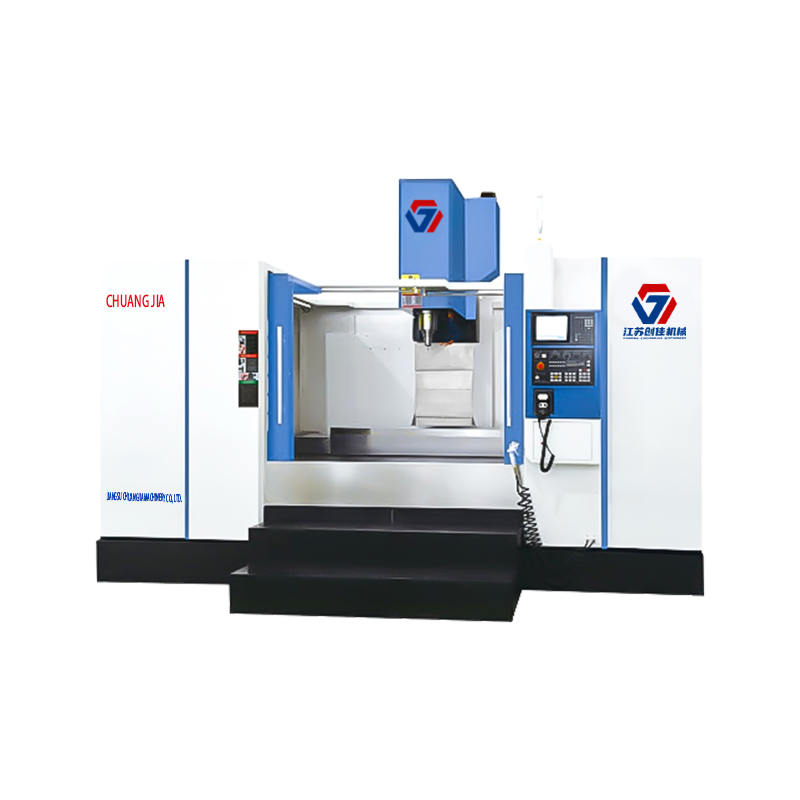
This series of machining center is fixed in A-shape single column, mobile structure of workbench, high rigidity of basic parts, lightweight of moving ...
See Details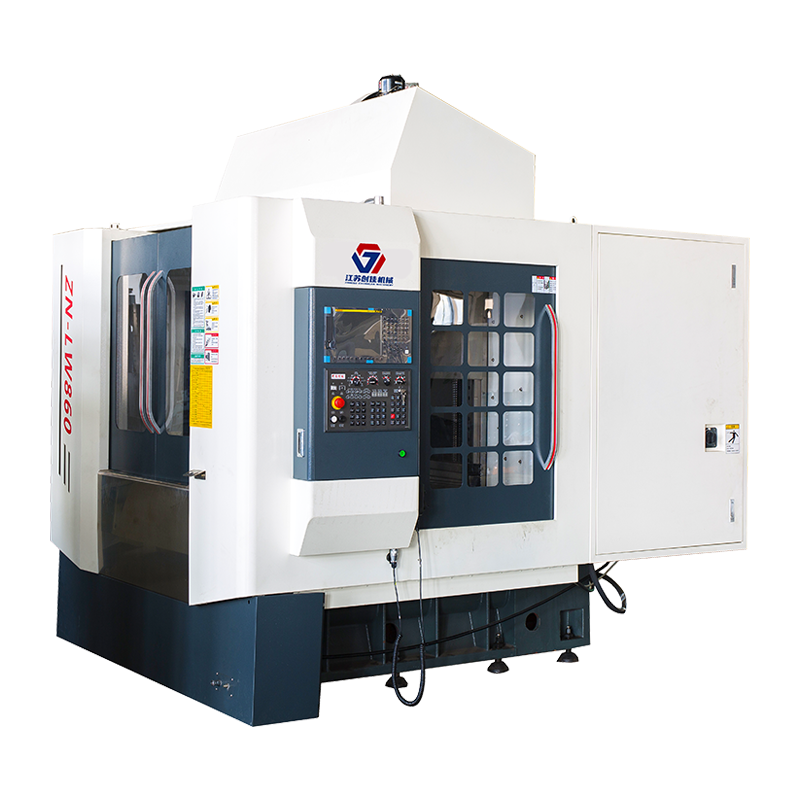
The machine adopts a cross sliding saddle structure, the table moves around (X axis), the headstock moves up and down (Y axis) and the saddle moves ba...
See Details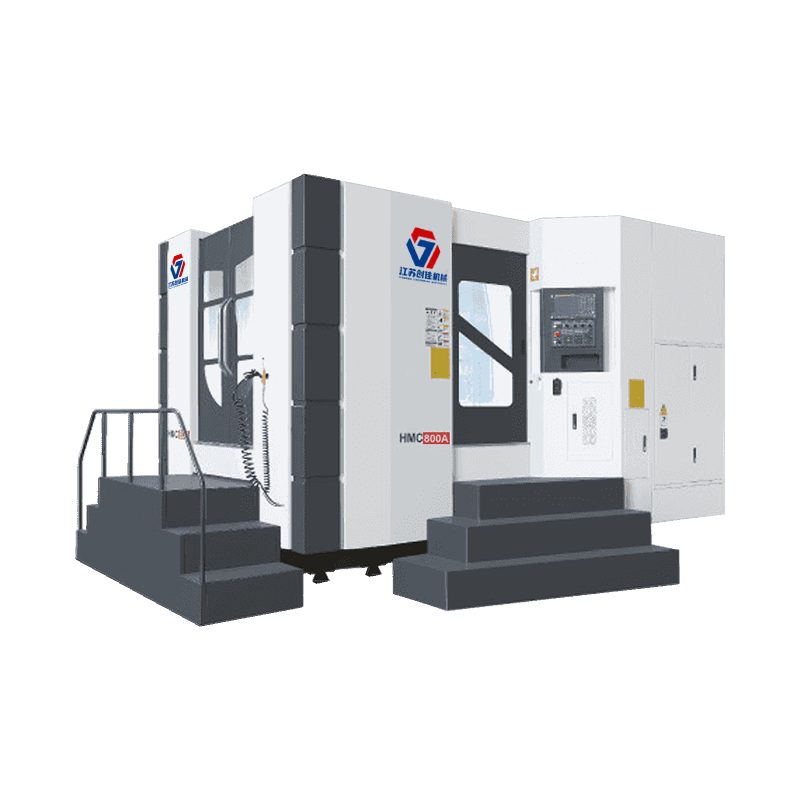
The bed adopts a positive T structure layout, the table moves back and forth (Z axis), the headstock moves up and down (Y axis) and the column moves l...
See Details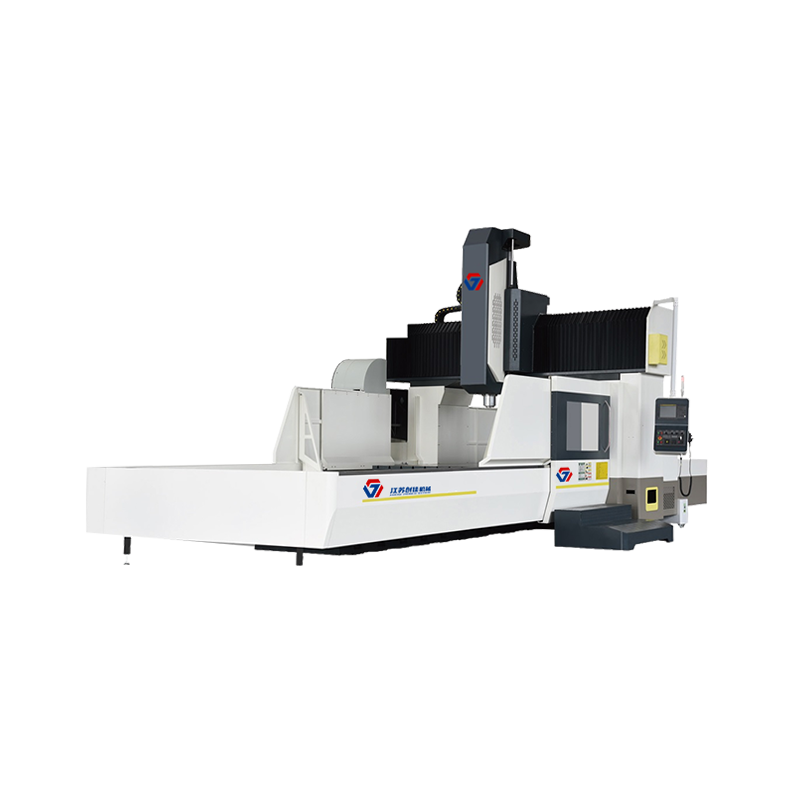
The machine adopts the structure form of fixed gantry frame and moving table on the bed. Beam column integrated design, has the characteristics of hig...
See Details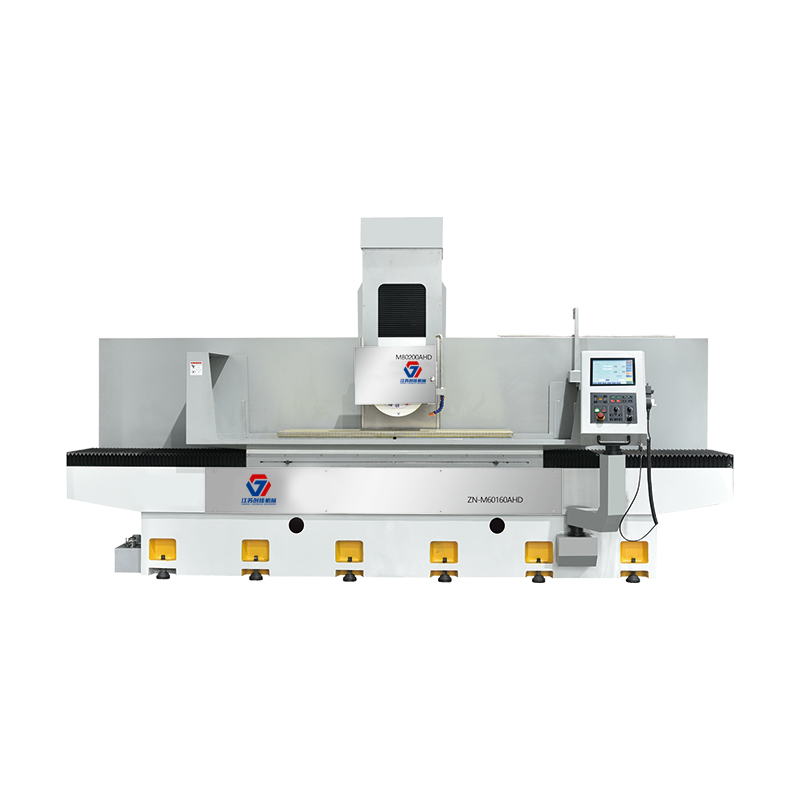
The machine tool is mainly suitable for the precision grinding of various metal materials, such as plane, step and specific shape, and is widely used ...
See Details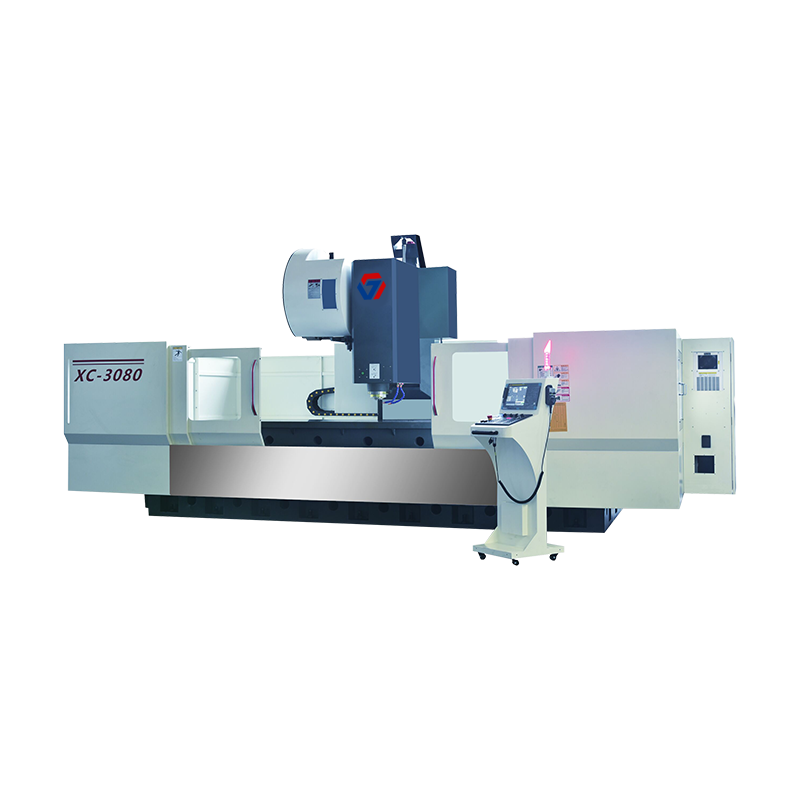
Mainly process the internal profiles of rail transit locomotives; Narrow and long parts of automobiles; TV frames, refrigerator frames, communication ...
See Details
All rights reserved Jiangsu Chuangjia Machinery Co., LTD.
