
 Search products
 en
en 简体中文
简体中文 русский
 Español
ZN-V850 Vertical Machining Center
Cat:Vertical Machining Center
This series of machining center is fixed in A-shape single column, mobile structure of workbench, high rigidity of basic parts, lightweight of moving ...
See DetailsThe automation capability of a CNC Power Milling Machine is significantly more advanced than that of semi-automatic milling machines. In practical manufacturing environments, CNC systems execute fully programmed machining cycles with minimal human intervention, while semi-automatic machines still require operator involvement for key steps such as tool changes, feed adjustments, and cycle initiation. As a result, CNC Power Milling Machine systems typically achieve 80%–95% automation levels, compared to approximately 30%–60% for semi-automatic alternatives.
This difference directly impacts productivity, consistency, and labor dependency. When comparing with a cnc vertical milling machine setup, CNC-based automation further enhances precision and repeatability, especially in multi-axis operations and high-volume production environments.
In conclusion, a CNC Power Milling Machine delivers a fully integrated automated machining workflow, while semi-automatic milling machines remain partially dependent on manual operation, limiting scalability and efficiency.
The fundamental difference between these two machine types lies in their control systems. A CNC Power Milling Machine uses computer numerical control systems that interpret digital instructions (G-code) to perform complex machining operations automatically. In contrast, semi-automatic machines rely on a combination of mechanical automation and operator-triggered commands.
When integrated into workflows involving a cnc vertical milling machine, CNC Power Milling Machines deliver more stable automation across different machining conditions.
One of the most noticeable advantages of a CNC Power Milling Machine is its ability to maintain continuous production cycles with minimal downtime. Semi-automatic machines require frequent operator interaction, which introduces delays and reduces overall throughput.
| Feature | CNC Power Milling Machine | Semi-Automatic Milling Machine |
|---|---|---|
| Average cycle time | 20–40% faster | Standard baseline |
| Downtime frequency | Low | Moderate to high |
| Batch production suitability | High-volume optimized | Low to medium volume |
In industries where a cnc vertical milling machine is used alongside CNC Power Milling Machine systems, the production line benefits from synchronized automation and reduced bottlenecks.
A major advantage of CNC Power Milling Machine automation is its ability to deliver micron-level precision consistently across thousands of parts. Semi-automatic machines, while capable of decent accuracy, are more prone to variation due to human influence.
The consistency of CNC systems ensures fewer rejected parts, especially in aerospace, automotive, and precision tooling applications. When paired with a cnc vertical milling machine, the quality stability increases further due to improved axis control and rigidity.
The automation level of a CNC Power Milling Machine directly reduces labor dependency. Operators primarily focus on programming, monitoring, and quality control rather than manual machining tasks. Semi-automatic machines require continuous operator attention, increasing labor intensity.
Safety improvements in CNC Power Milling Machine environments include automated shutdown protocols and collision detection, which significantly reduce workplace accidents compared to semi-automatic systems.
Although a CNC Power Milling Machine requires higher initial investment, it offers lower long-term operational costs due to reduced labor requirements and higher production efficiency. Semi-automatic machines have lower upfront costs but higher cumulative labor and error-related expenses.
In facilities using both CNC Power Milling Machine and cnc vertical milling machine systems, cost efficiency improves further through shared automation infrastructure and optimized production scheduling.
Choosing between a CNC Power Milling Machine and a semi-automatic milling machine depends on production scale, precision requirements, and budget constraints. Manufacturers focusing on high-volume or precision-critical production generally benefit more from CNC automation.
The decision should be based on balancing automation capability, workforce availability, and long-term production goals.
The automation capability of a CNC Power Milling Machine clearly surpasses that of semi-automatic milling machines in nearly every measurable category, including speed, precision, safety, and scalability. While semi-automatic machines still serve niche or budget-limited applications, CNC systems represent the modern standard for industrial machining efficiency.
When integrated with advanced machining environments such as a cnc vertical milling machine setup, CNC Power Milling Machines enable manufacturers to achieve fully optimized digital production workflows with minimal manual intervention and maximum consistency.
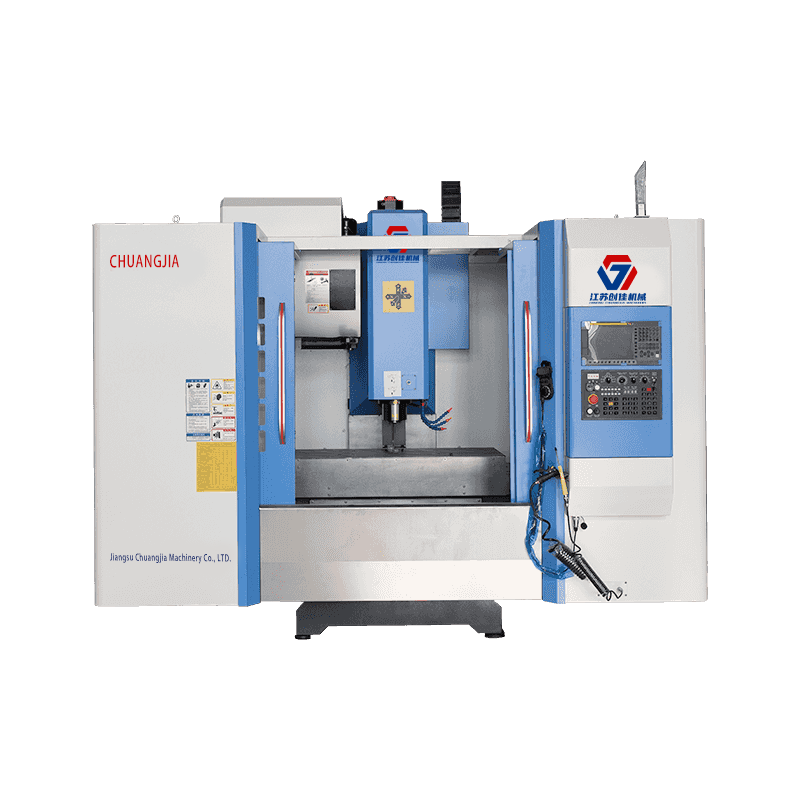
This series of machining center is fixed in A-shape single column, mobile structure of workbench, high rigidity of basic parts, lightweight of moving ...
See Details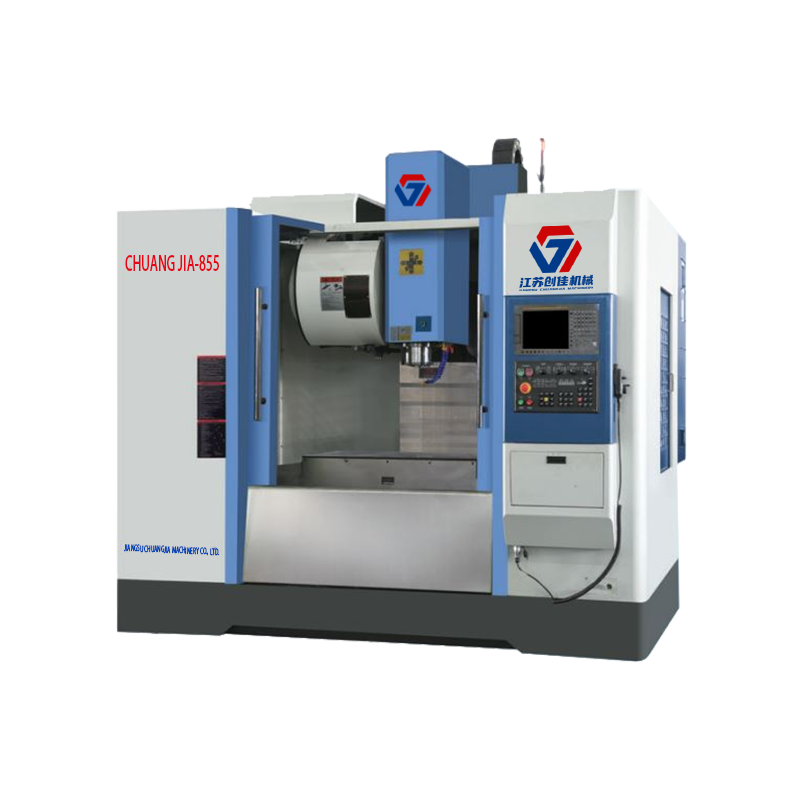
This series of machining center is fixed in A-shape single column, mobile structure of workbench, high rigidity of basic parts, lightweight of moving ...
See Details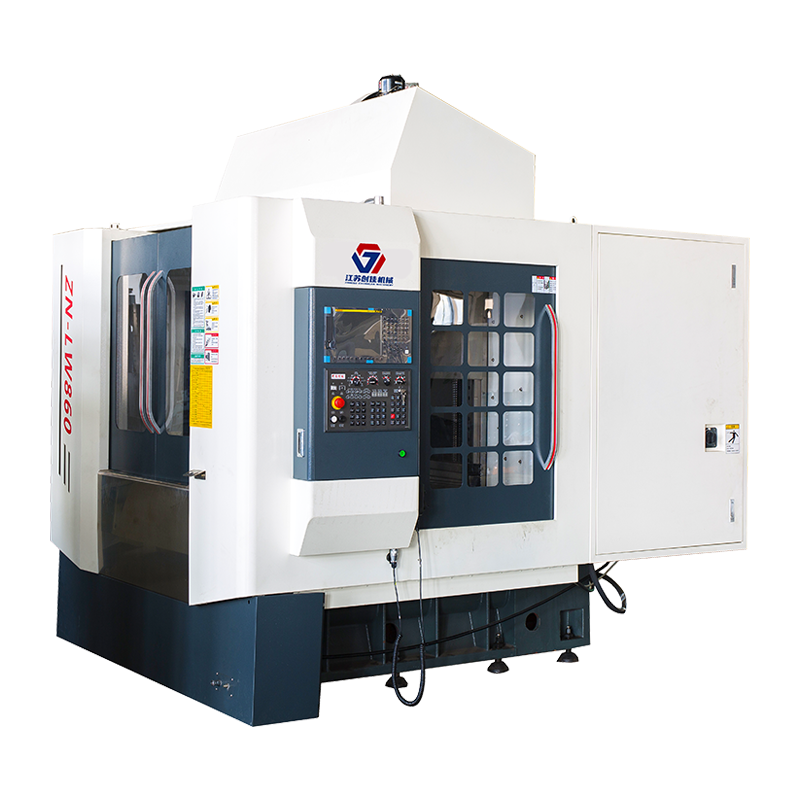
The machine adopts a cross sliding saddle structure, the table moves around (X axis), the headstock moves up and down (Y axis) and the saddle moves ba...
See Details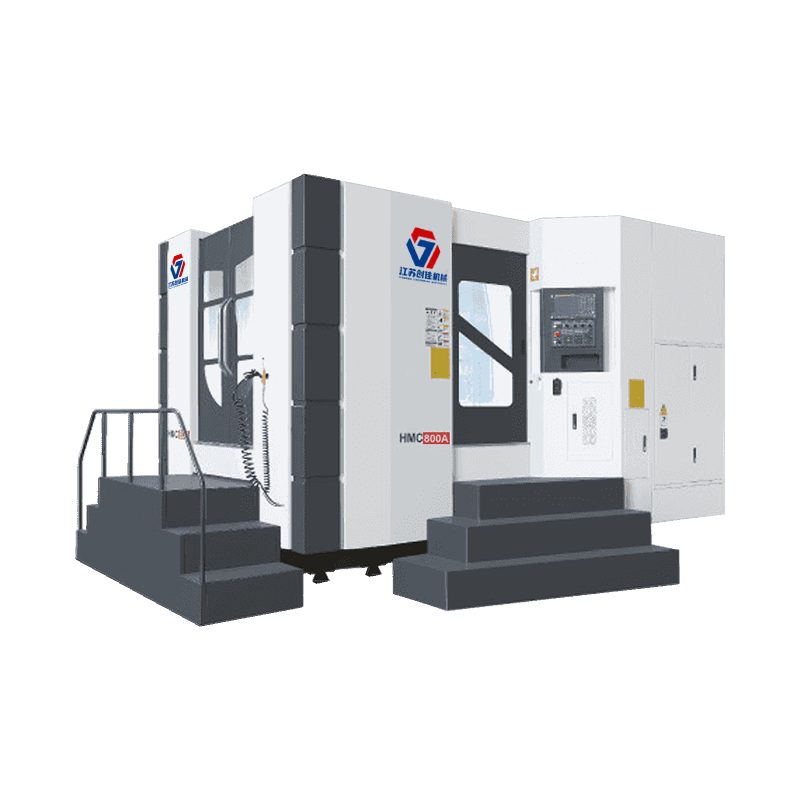
The bed adopts a positive T structure layout, the table moves back and forth (Z axis), the headstock moves up and down (Y axis) and the column moves l...
See Details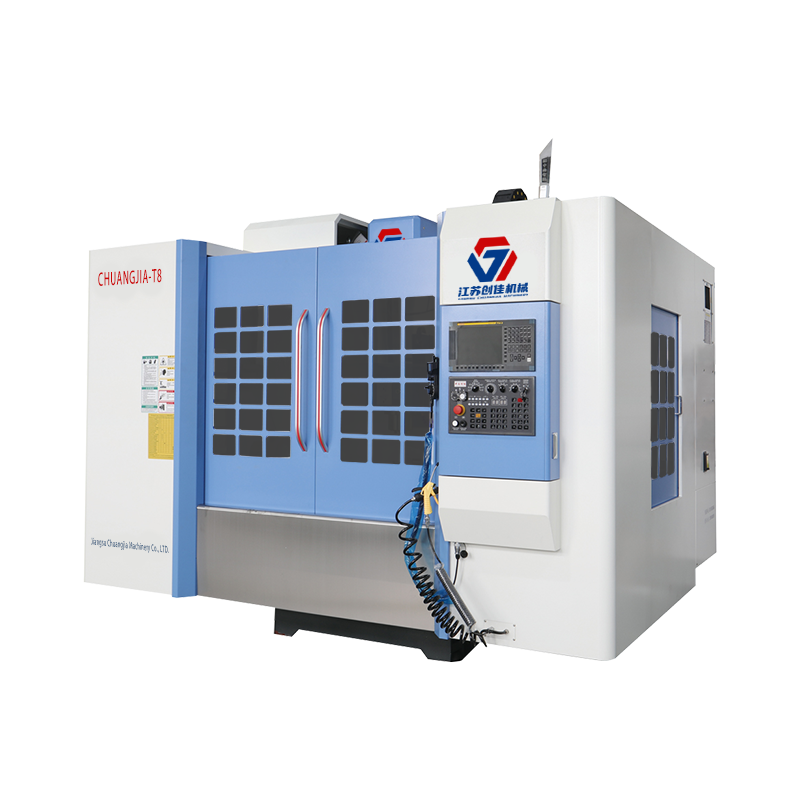
Drilling and tapping center ZN-T8 has easy operability, high reliability, ultra-high cost performance, mainly used in general industry, hardware, medi...
See Details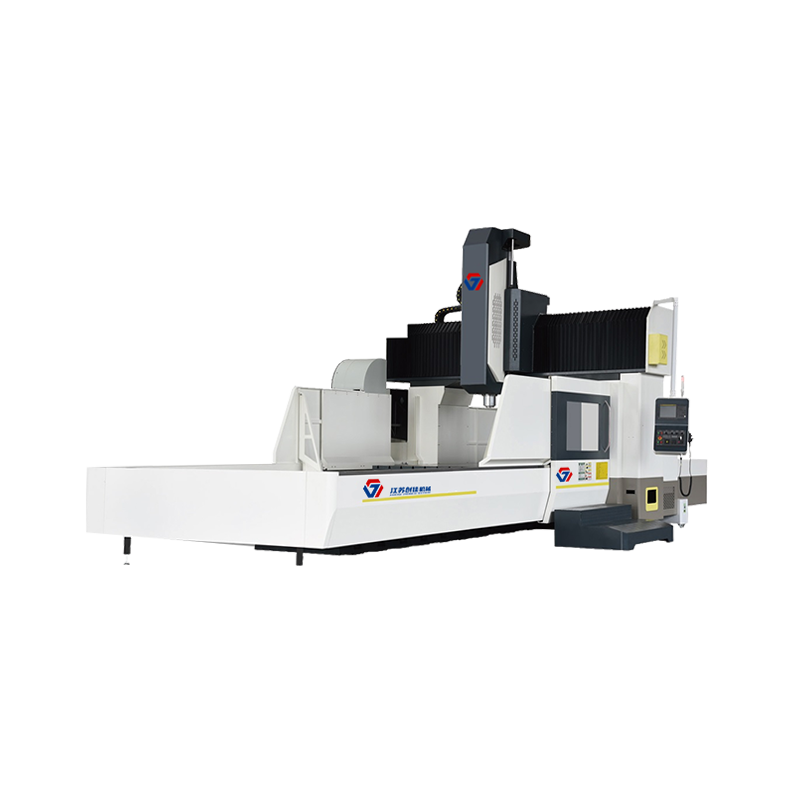
The machine adopts the structure form of fixed gantry frame and moving table on the bed. Beam column integrated design, has the characteristics of hig...
See Details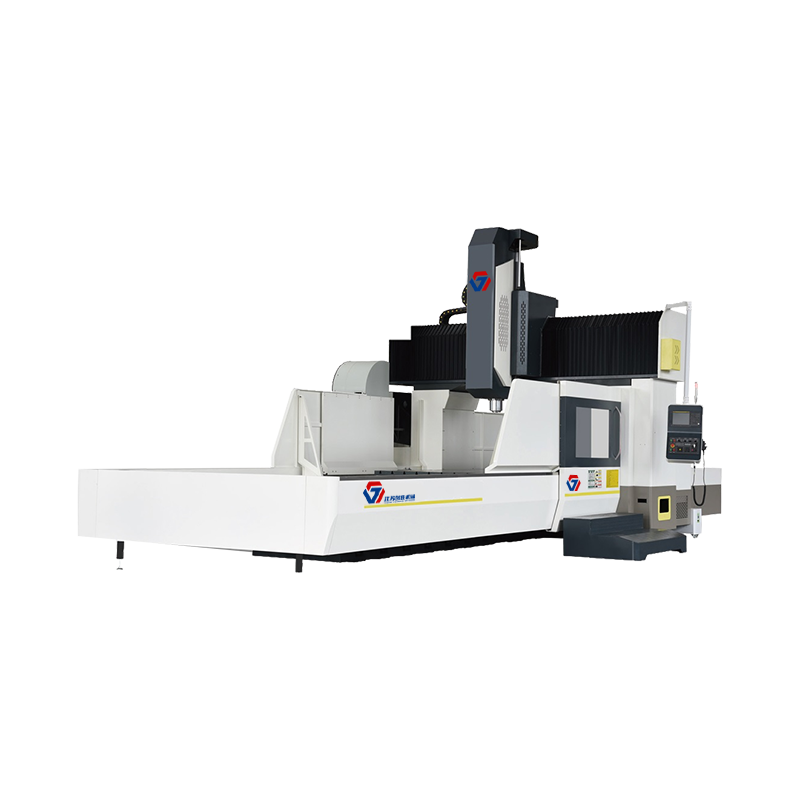
The machine adopts the structure form of fixed gantry frame and moving table on the bed. Beam column integrated design, has the characteristics of hig...
See Details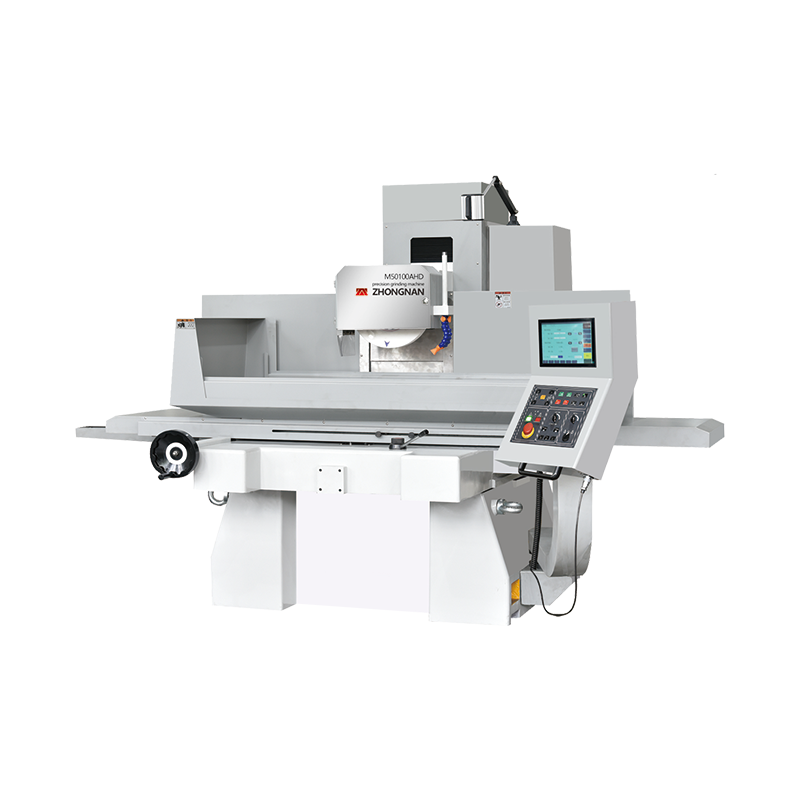
High precision/High speed/easy to operate CNC surface grinding machine X axis hydraulic /YZ axis servo/CNC system. Cross slide structure, double V rai...
See Details
All rights reserved Jiangsu Chuangjia Machinery Co., LTD.
