
 Search products
 en
en 简体中文
简体中文 русский
 Español
ZN-V855 Vertical Machining Center
Cat:Vertical Machining Center
This series of machining center is fixed in A-shape single column, mobile structure of workbench, high rigidity of basic parts, lightweight of moving ...
See DetailsThermal stability directly impacts the machining accuracy of a CNC Power Milling Machine during extended production runs by causing dimensional drift, positional errors, and reduced repeatability. As machine components heat up, they expand at different rates, leading to deviations in tool positioning and part geometry. In high-precision applications, even a temperature variation of 1–2°C can result in dimensional errors of 5–10 microns, which is unacceptable in industries such as aerospace or medical manufacturing.
Maintaining consistent thermal conditions is therefore essential for ensuring that the CNC Power Milling Machine delivers stable, repeatable, and high-quality machining results over long production cycles.
During operation, a CNC Power Milling Machine generates heat from multiple sources. These heat sources accumulate over time, especially during extended production runs, leading to thermal imbalance.
These heat sources do not distribute evenly, which creates localized expansion and misalignment within the machine structure.
Thermal expansion is the primary mechanism through which thermal instability affects machining accuracy in a CNC Power Milling Machine. As components heat up, their dimensions change, altering the relative position between the cutting tool and the workpiece.
For example, a steel ball screw with a length of 500 mm can expand by approximately 6 microns for every 1°C increase in temperature. Over a long production run where temperature rises by 5°C, this results in a positional error of about 30 microns.
| Component | Material | Expansion per °C | Impact on Accuracy |
|---|---|---|---|
| Ball Screw | Steel | ~12 µm/m/°C | Position drift |
| Spindle | Alloy Steel | ~10 µm/m/°C | Tool length variation |
| Machine Bed | Cast Iron | ~8 µm/m/°C | Geometric distortion |
The longer a CNC Power Milling Machine operates, the more pronounced thermal effects become. Initially, the machine may produce parts within tolerance, but as heat builds up, accuracy gradually degrades.
Without proper thermal management, error accumulation can exceed tolerance limits within a few hours of continuous machining.
Modern CNC Power Milling Machine systems incorporate thermal compensation technologies to mitigate the effects of heat-induced errors.
Temperature sensors are installed at critical points such as the spindle, bed, and ball screws. The control system adjusts positioning dynamically based on real-time data.
Advanced CNC controllers use predictive algorithms to compensate for expected thermal growth, improving accuracy by up to 70–85% compared to non-compensated systems.
Cooling systems regulate the temperature of the spindle and other components, maintaining a stable thermal environment.
Users can take several practical steps to improve thermal stability in a CNC Power Milling Machine during extended production runs.
Consistent operating conditions are key to minimizing thermal variation and ensuring repeatable accuracy.
Thermal stability is not a secondary concern but a fundamental factor influencing the performance of a CNC Power Milling Machine. From component expansion to long-term dimensional drift, thermal effects can significantly compromise machining accuracy if not properly managed.
By understanding heat sources, implementing compensation technologies, and following best practices, users can maintain high precision even during extended production runs. Investing in thermal management ultimately leads to better product quality, reduced waste, and improved operational efficiency.
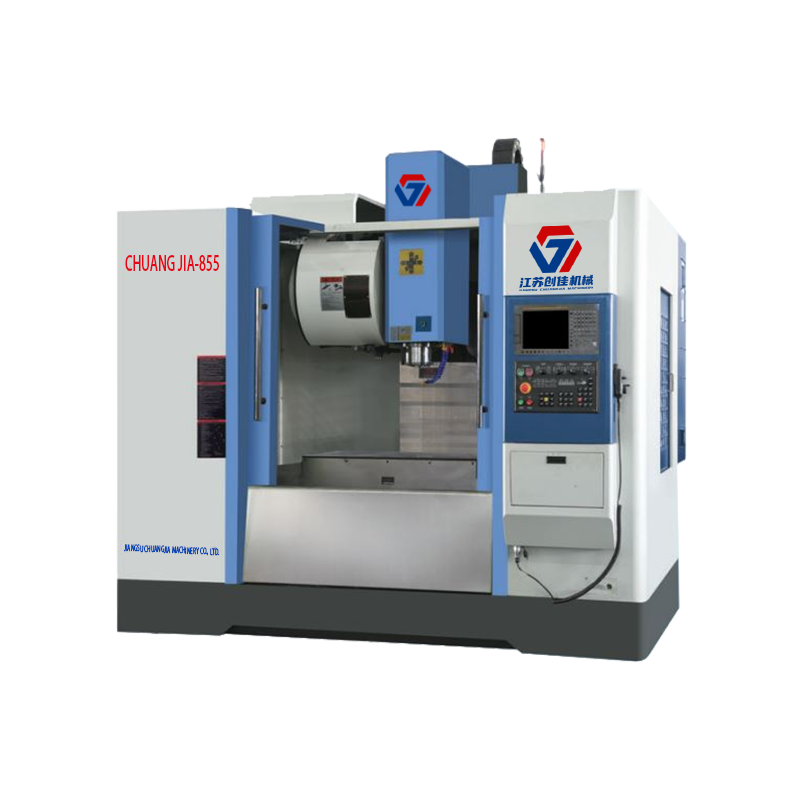
This series of machining center is fixed in A-shape single column, mobile structure of workbench, high rigidity of basic parts, lightweight of moving ...
See Details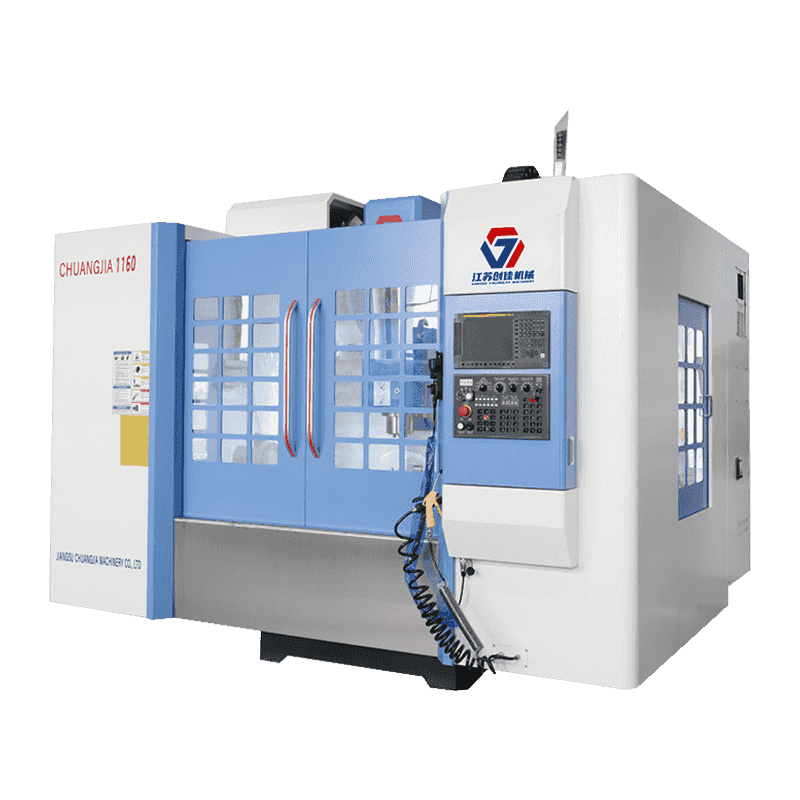
This series of machining center is fixed in A-shape single column, mobile structure of workbench, high rigidity of basic parts, lightweight of moving ...
See Details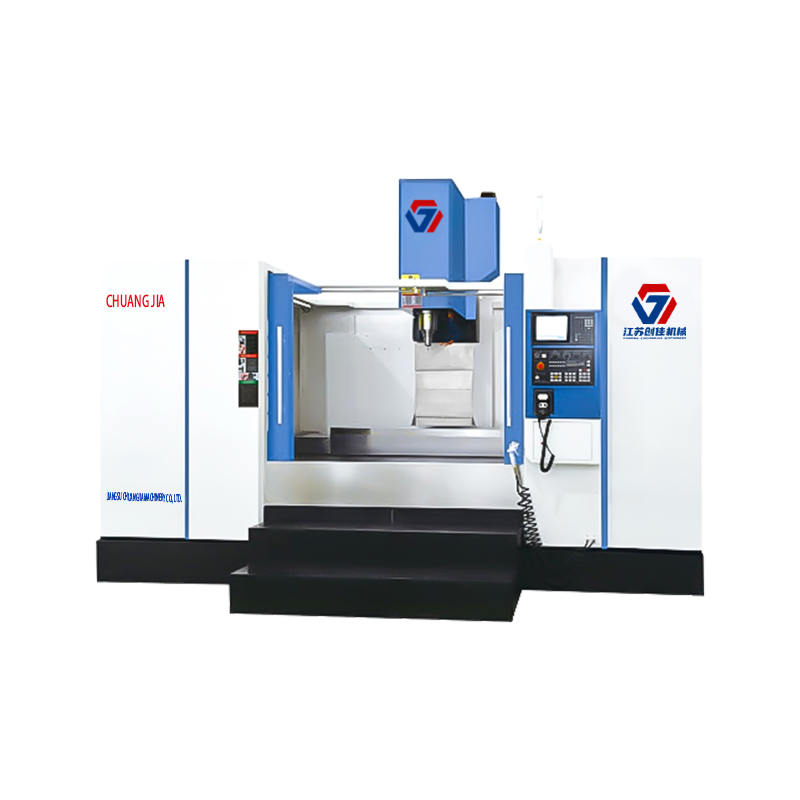
This series of machining center is fixed in A-shape single column, mobile structure of workbench, high rigidity of basic parts, lightweight of moving ...
See Details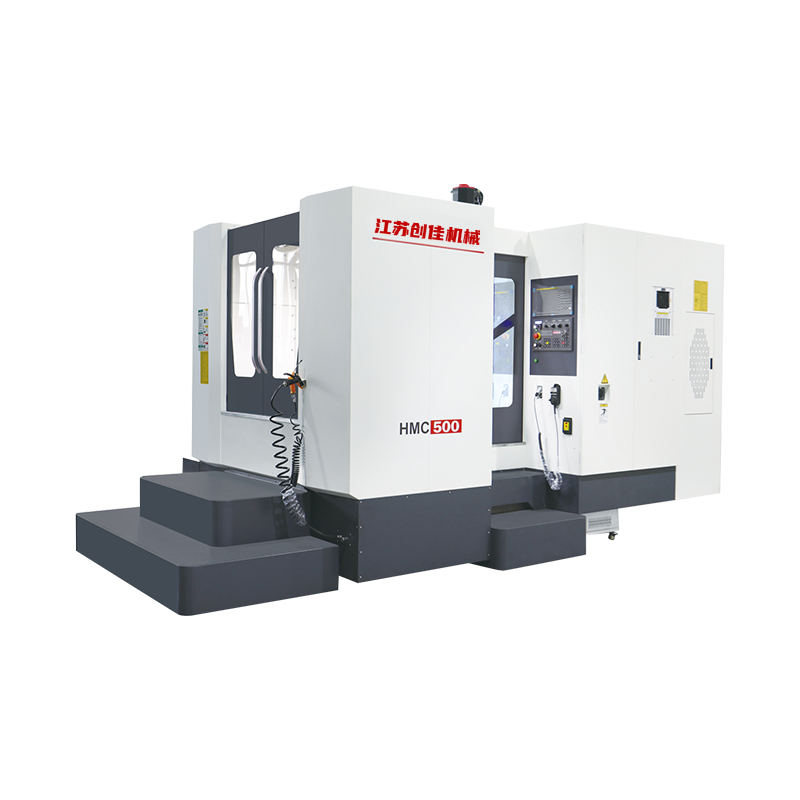
The bed adopts inverted T structure layout, the table moves around (X axis), the headstock moves up and down (Y axis) and the column moves back and fo...
See Details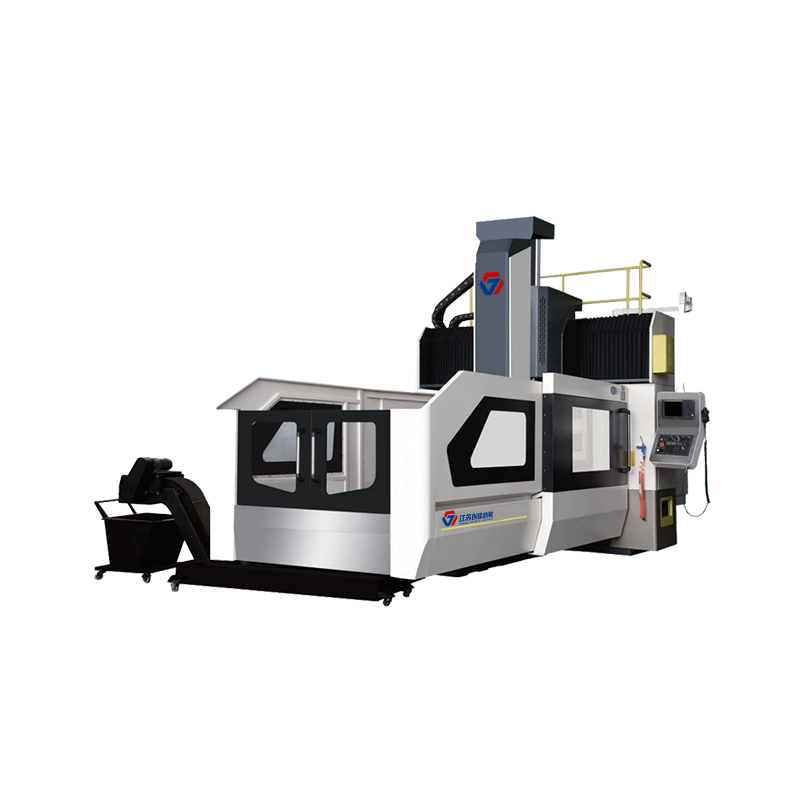
The machine adopts the structure form of fixed gantry frame and moving table on the bed. Beam column integrated design, has the characteristics of hig...
See Details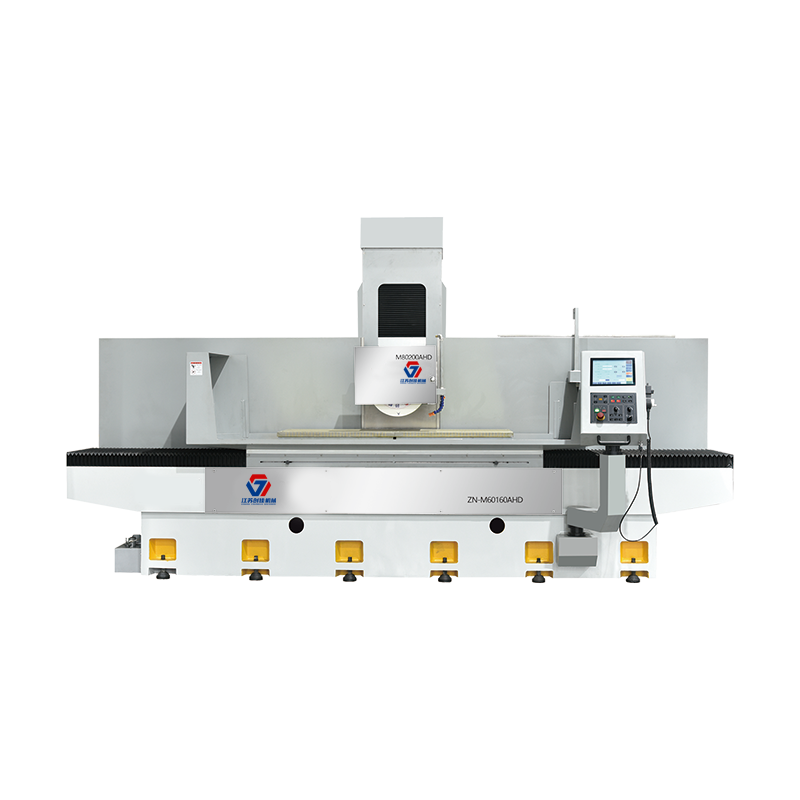
The machine tool is mainly suitable for the precision grinding of various metal materials, such as plane, step and specific shape, and is widely used ...
See Details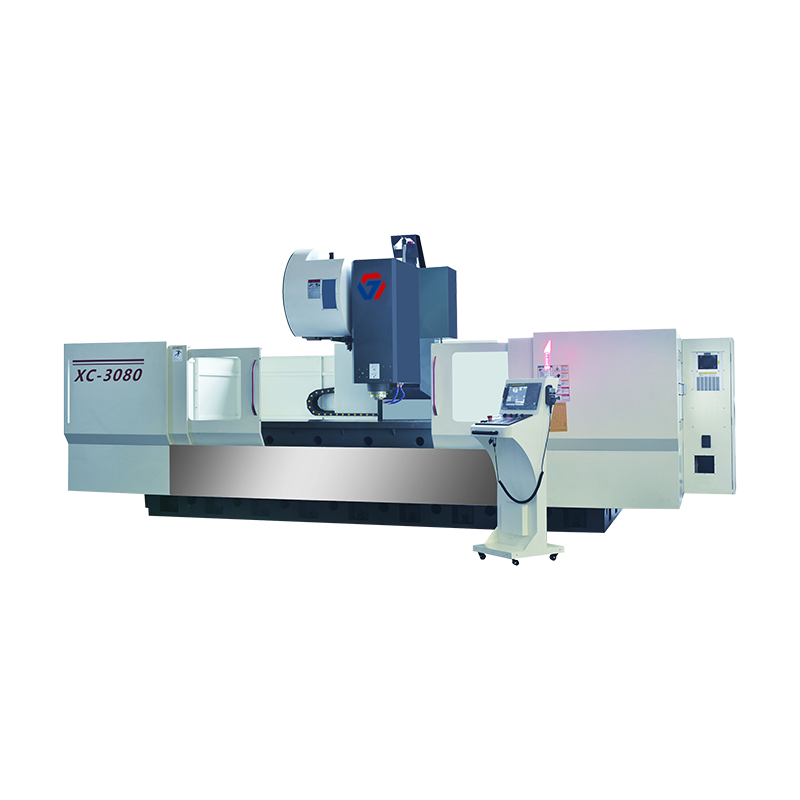
Mainly process the internal profiles of rail transit locomotives; Narrow and long parts of automobiles; TV frames, refrigerator frames, communication ...
See Details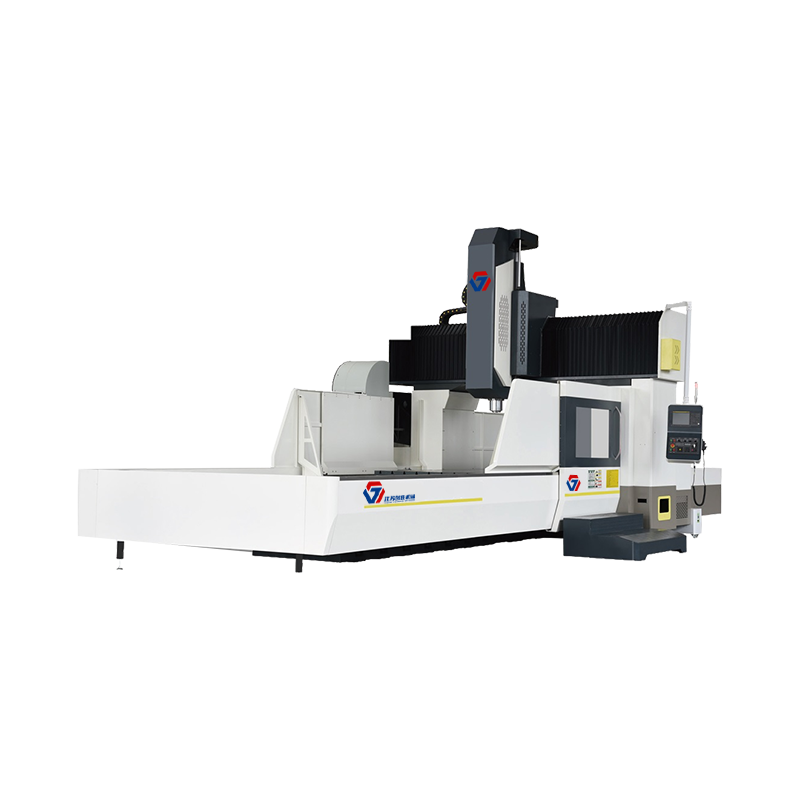
The machine adopts the structure form of fixed gantry frame and moving table on the bed. Beam column integrated design, has the characteristics of hig...
See Details
All rights reserved Jiangsu Chuangjia Machinery Co., LTD.
