
 Search products
 en
en 简体中文
简体中文 русский
 Español
ZN-V855 Vertical Machining Center
Cat:Vertical Machining Center
This series of machining center is fixed in A-shape single column, mobile structure of workbench, high rigidity of basic parts, lightweight of moving ...
See DetailsPut two vertical machining center quotations side by side and they can look almost interchangeable: similar tables, similar spindle speeds, a small gap in price. The real differences sit in the lines buyers skim past — Z-axis travel, the speed at which spindle power is rated, the standard under which accuracy was measured. Those lines decide whether the machine still holds tolerance in its third year of night shifts.
The short version: read the sheet in a fixed order — work envelope, spindle, accuracy and repeatability, tool changer. Everything else on the page is either a consequence of those four or a negotiation detail.
A full data sheet runs to fifty or sixty lines; only a handful describe what the machine can make. These fields deserve the slow read.
| Specification | What it measures in production | Typical general-purpose range |
|---|---|---|
| X / Y / Z travels | The volume the spindle can reach around part and fixture | 850–1,890 mm in X on common models |
| Table size and T-slots | How workholding mounts, and safe overhang limits | From about 1,000 × 500 mm upward on mid-size machines |
| Spindle speed | Surface finish potential; smallest tool that runs stably | 8,000–12,000 rpm standard; higher on high-speed models |
| Spindle motor output | Material removal rate in steel and mold alloys | Roughly 7.5–15 kW on BT40-class spindles |
| Positioning accuracy | The tolerance ceiling anywhere in the envelope | Commonly ±0.005 to ±0.008 mm |
| Repeatability | How tightly the machine returns, cycle after cycle | Commonly ±0.003 to ±0.005 mm |
| Tool magazine capacity | Tool list coverage before an operator intervenes | 16 to 24 pockets on typical ATC models |
Travels define the volume the spindle can reach; the table defines what you can bolt down. A part can overhang the table, but every millimeter of overhang narrows the clearance between part, fixture, and column — and Z-axis travel, the most underestimated number on the sheet, decides whether a tall clamp or a deep cavity clears the spindle head at all.
Model names usually settle the first shortlist. In most lineups, including the ZNL and ZNV series, the number in the designation mirrors X-axis travel: an 850-class machine covers roughly 850 mm in X, a 1160-class about 1,160 mm, a 1890-class close to 1,890 mm. It is the fastest filter between machines sized for small housings and machines sized for plates and molds.
Three spindle fields carry the weight: speed, output, and taper. Speed shapes achievable surface finish and the smallest tool that runs stably. Output shapes how hard you can rough steel. Taper — BT40, BT50 and their CAT equivalents — sets rigidity at the toolholder interface and decides which of your existing holders fit. Note also how power is rated: a motor quoted at 15 kW usually delivers it at rated speed, not across the whole range, which is why low-speed torque matters more than the headline figure for heavy cutting.
The right balance follows the material mix you actually quote for. On a single lineup the split is visible: a 3-axis high-speed model such as the ZNV850 is built around aluminum housings, thin walls, and short cycle times, while the precision-oriented machines in the ZNL range lean toward rigidity and sustained accuracy for mold and automotive work. Buying the wrong end of that trade-off costs more than any discount recovers.
Positioning accuracy describes how close the machine gets to a commanded point anywhere in its envelope; repeatability describes how tightly it returns there across hundreds of cycles. For anyone cutting the same part day after day, repeatability decides scrap rate — a machine that always lands a few microns to the same side can be compensated; one that wanders cannot.
The figures need context. Values measured under ISO 230-2 are not directly comparable with those quoted under other test conventions, because the standard prescribes bidirectional measurement and a defined statistical treatment. Ask which standard was used, whether it was verified by laser over full travel, and whether the value is a worst case or an average.
A specification describes the machine on the day it passed inspection. The casting beneath the ways, the rib structure behind the column, and thermal behavior decide what it still delivers three years later.
That is why the structural side of the sheet deserves more attention than it gets. Builders that pour their own castings control base-part quality directly, and high-rigidity base parts are the foundation every other accuracy figure rests on — one reason models like the ZNL1160 put precision first. The mechanics of that link are worth a closer read: how high-rigidity base parts raise machining accuracy.
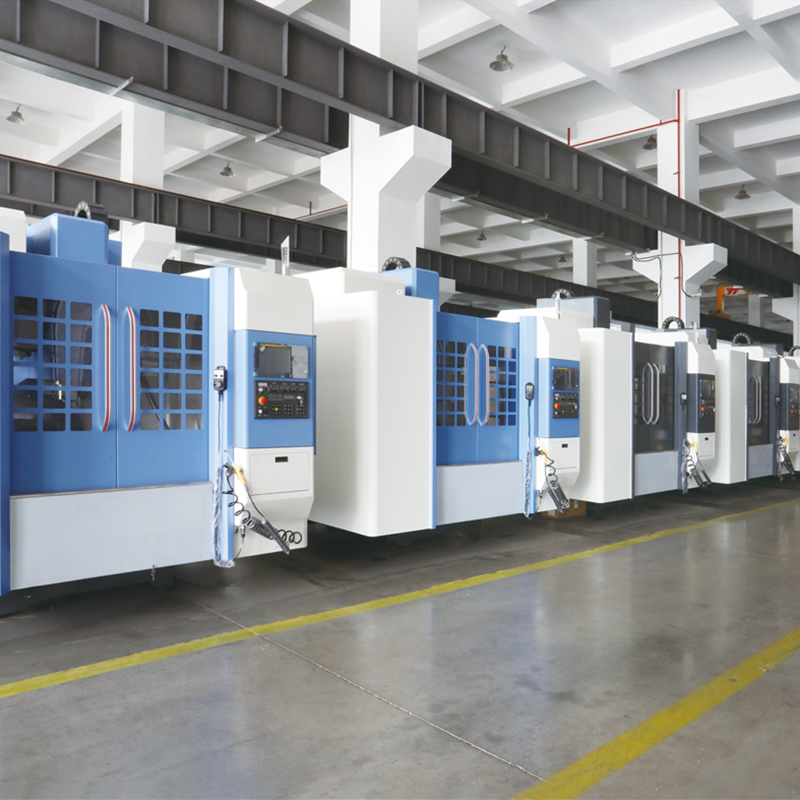 ZN-L1165 Precision Vertical Machining CenterThis model leans toward rigidity and sustained accuracy for mold and automotive work, backed by high-rigidity base parts that underpin every other accuracy figure — relevant here since repeatability across cycles decides scrap rates.View Product →
The tool changer rarely decides whether a part can be made; it decides how much of the day is spent making it. Four fields repay attention:
Rapid traverse and cutting feed complete the picture. Rapids above roughly 30 m/min shorten the air moves on prismatic parts, and cutting feed ceilings matter most in high-speed aluminum work. Neither replaces rigidity — they decide how much of the spindle's capability the rest of the machine lets you use.
An ATC-equipped 850-class machine such as the ZNV855 shows how a single line changes the economics of a cell: the same envelope becomes viable for longer, mixed-tool cycles that would otherwise need an operator standing by at every change.
ZN-V855 Vertical Machining Center with ATCAn 850-class machine with automatic tool changing that extends the same envelope to longer, mixed-tool cycles without an operator at every change — a good fit when matching specifications to your actual quoted workload.View Product →Specifications only mean something against a workload. Mold work rewards long Z travel, low-speed torque, and a heavy frame. High-volume aluminum rewards spindle speed, fast rapids, and dependable chip evacuation. Most buyers who regret a purchase chose a machine that was excellent at a job they rarely quote.
Be honest about architecture, too. If the work is drifting toward multi-side machining or large, awkward parts, the constraint may be the vertical format itself rather than any figure on the sheet — the practical differences between horizontal and vertical machining centers deserve a read before the budget is fixed.
And weigh what stands behind the sheet. A builder with its own foundry, machining, and painting under one roof — as Jiangsu Chuangjia has had since 2000, after starting out in precision surface grinders — controls structural quality in a way a pure assembler cannot. That control shows up in exactly the fields above: rigidity, geometry, and how the numbers hold over time.
A methodical read takes twenty minutes and removes most of the risk from a six-figure decision. Before signing:
The ZNL and ZNV series publish full specification tables for every model, and they read best against your own part drawings. A data sheet rewards a slow first read far more than a fast second one.
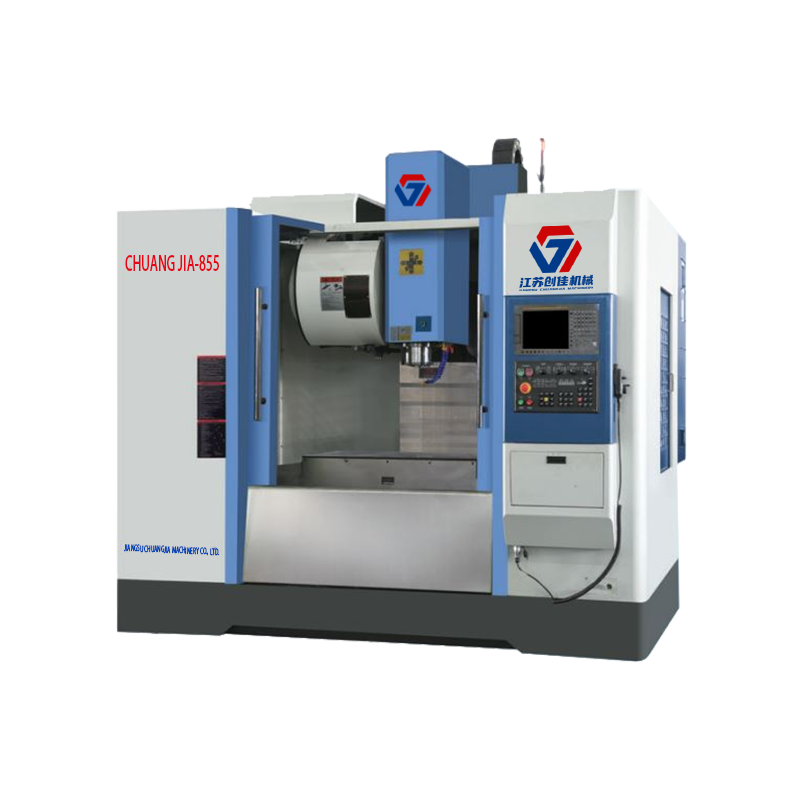
This series of machining center is fixed in A-shape single column, mobile structure of workbench, high rigidity of basic parts, lightweight of moving ...
See Details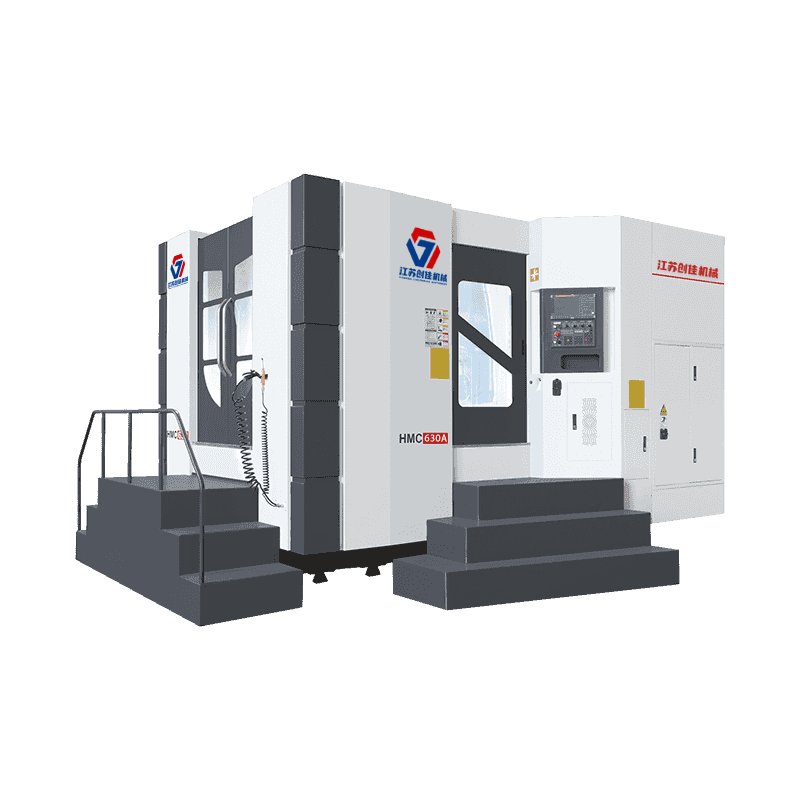
The bed adopts a positive T structure layout, the table moves back and forth (Z axis), the headstock moves up and down (Y axis) and the column moves l...
See Details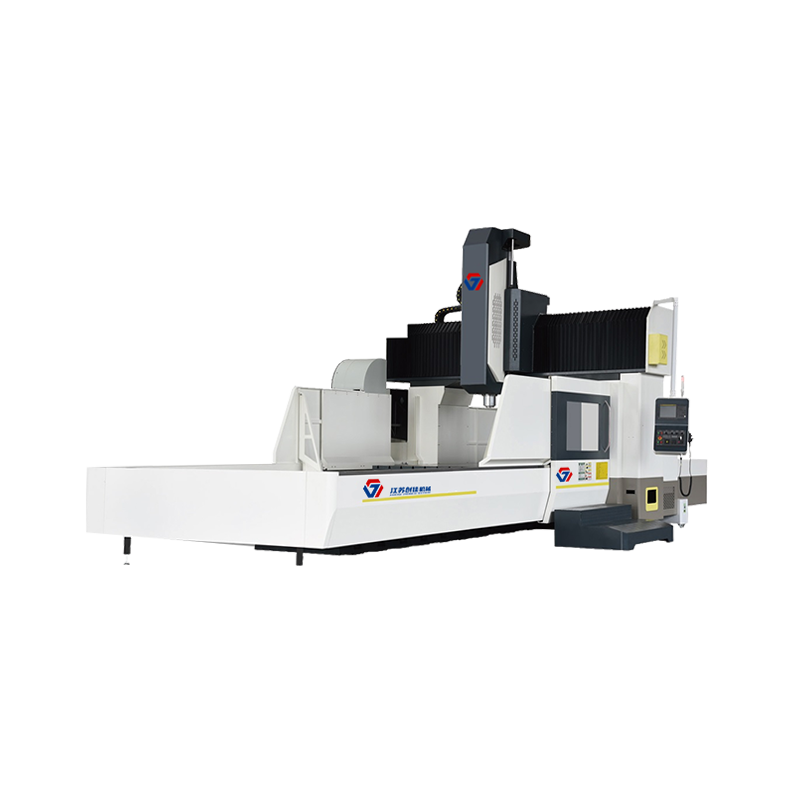
The machine adopts the structure form of fixed gantry frame and moving table on the bed. Beam column integrated design, has the characteristics of hig...
See Details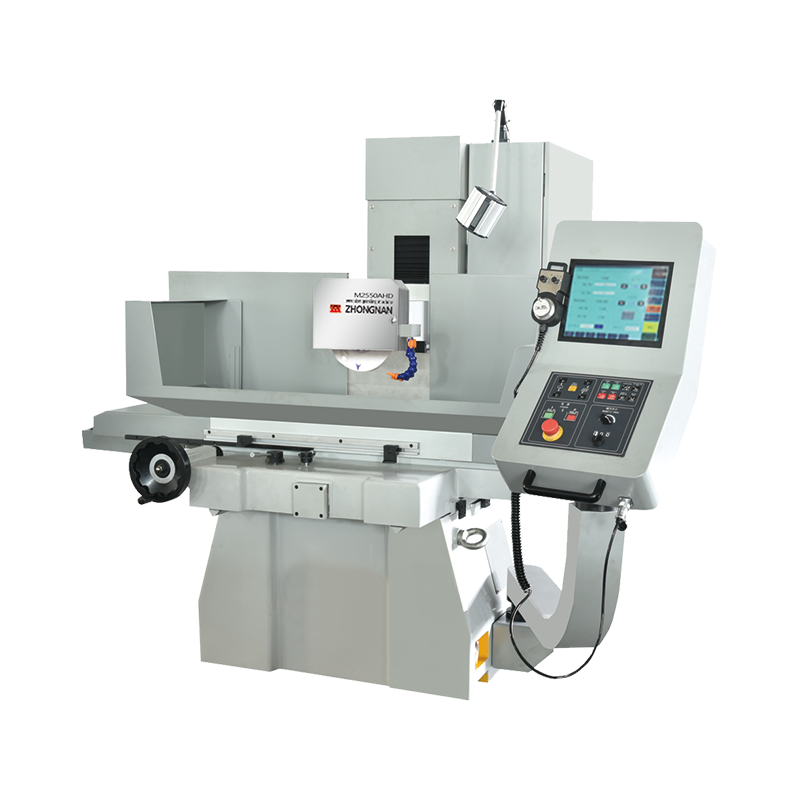
High precision/High speed/easy to operate CNC surface grinding machine X axis hydraulic /YZ axis servo/CNC system. Cross slide structure, double V rai...
See Details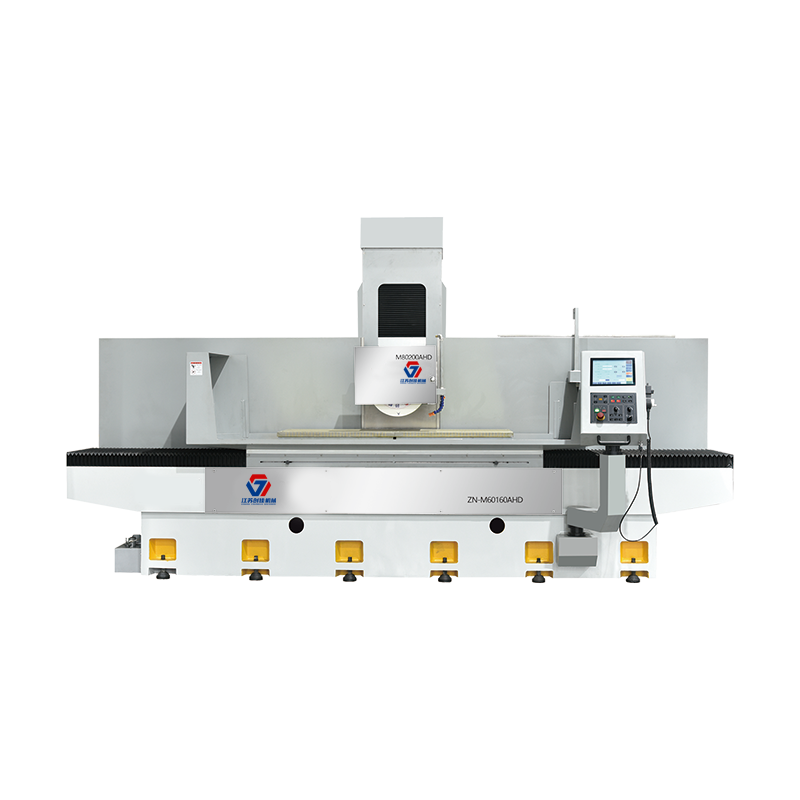
The machine tool is mainly suitable for the precision grinding of various metal materials, such as plane, step and specific shape, and is widely used ...
See Details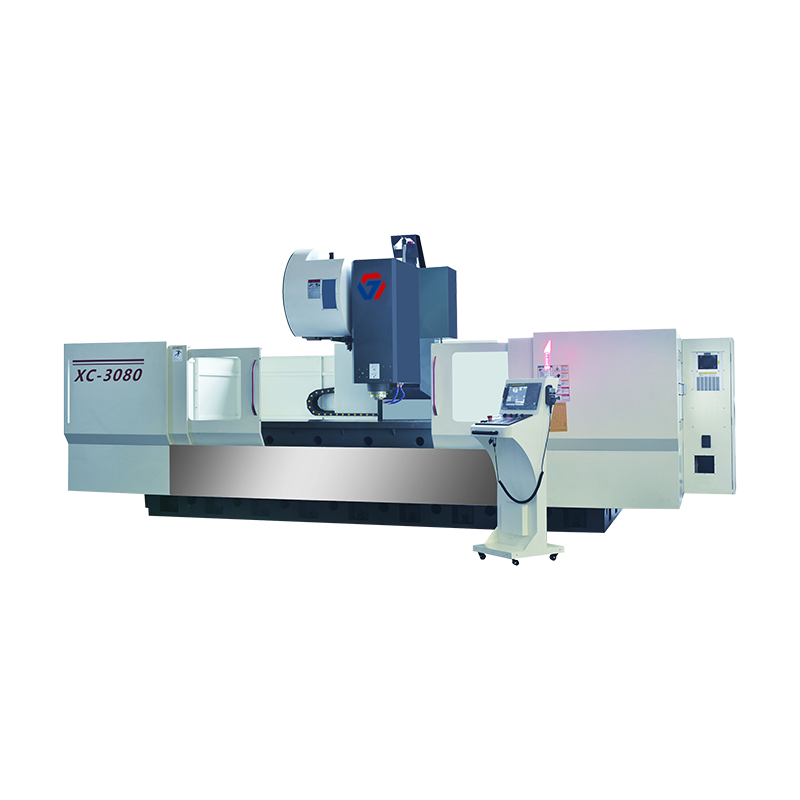
Mainly process the internal profiles of rail transit locomotives; Narrow and long parts of automobiles; TV frames, refrigerator frames, communication ...
See Details
The machine adopts the structure form of fixed gantry frame and moving table on the bed. Beam column integrated design, has the characteristics of hig...
See Details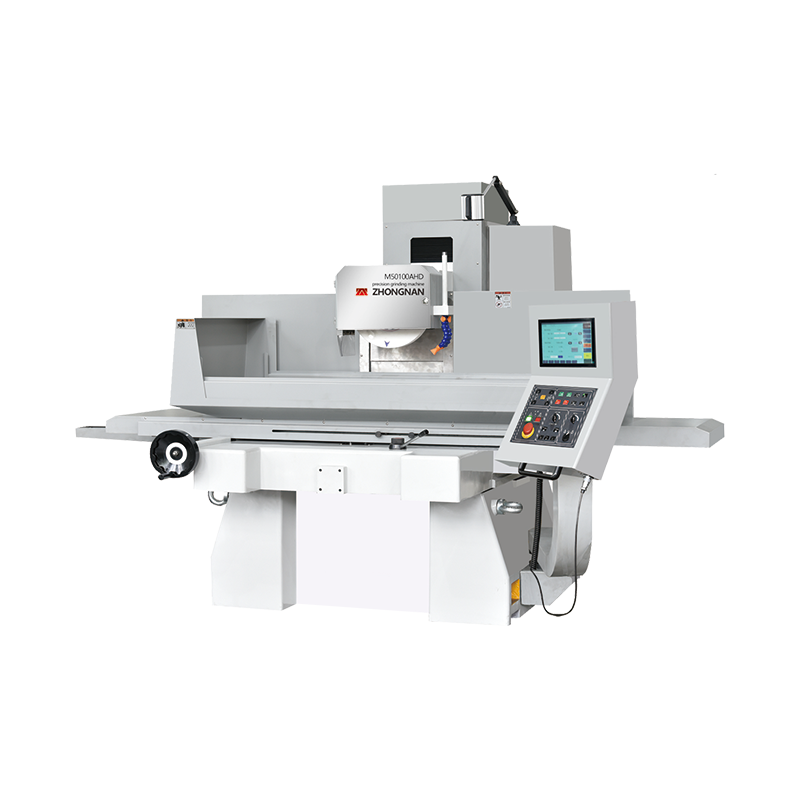
High precision/High speed/easy to operate CNC surface grinding machine X axis hydraulic /YZ axis servo/CNC system. Cross slide structure, double V rai...
See Details
All rights reserved Jiangsu Chuangjia Machinery Co., LTD.
